1
/
of
9
Zodiac Snake Matcha Bowl by Furuse Takuzo — Kyoto Ware Eto Chawan with Original Signed Box
Zodiac Snake Matcha Bowl by Furuse Takuzo — Kyoto Ware Eto Chawan with Original Signed Box
Regular price
Dhs. 494.00 AED
Regular price
Sale price
Dhs. 494.00 AED
Taxes included.
Shipping calculated at checkout.
Experience Authentic Japan Art with this Kyoto Ware Tea Bowl. This Japanese Zodiac Snake Chawan serves as a Matcha Tea Bowl and Eto Chawan Gift, featuring White Glaze Snake Motif and Kyoto Ceramic Tea Bowl—a must-have for any Art Collector. A Furuse Takuzo Signed Work with Original Wooden Box, this Year of the Snake Tea Bowl embodies the quiet wit of Japanese Seasonal Ceramics.
🔹 [ BASIC DETAILS ]
• Artist: Furuse Takuzo (古瀬堯三), Kyoto-based ceramic artist
• Technique: Kyoto-yaki (京焼); pale grey-white glaze (hakuji-type) with iron-red / bengara horizontal bands and overglaze enamel motifs in white slip and green
• Era: Late Showa – Heisei period (circa 1980s–2000s)
• Origin: Kyoto, Japan
• Dimensions: Height approx. 9 cm, Diameter approx. 10.2 cm
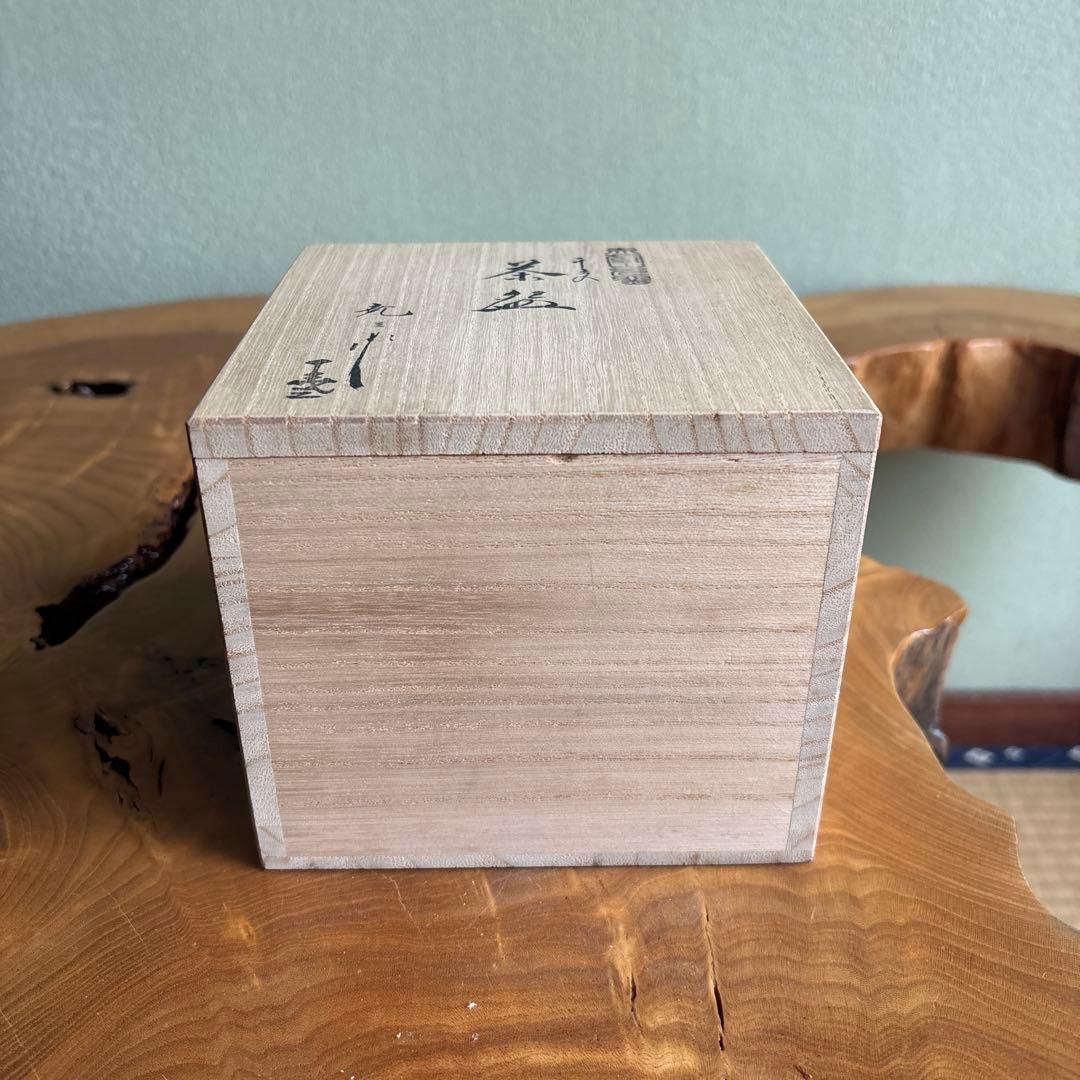
• Box: Original tomobako (共箱) — signed wooden box with calligraphed lid inscription 「巳茶盌」 and artist's seal
• Condition: Excellent — no chips, cracks, or repairs; glaze fully intact
🔹 [ CULTURAL & ARTISTIC INSIGHT ]
In the long tradition of Japanese eto-chawan — tea bowls made to celebrate each year's zodiac animal — this piece by Furuse Takuzo stands out for its playful elegance. The body is clothed in a soft, stone-dust grey glaze with fine crazing, reminiscent of the understated haku-doro aesthetic favoured in Kyoto ceramics. Two bold iron-red bands (seika-sen) encircle the bowl's widest girth, creating a visual stage — and within that stage, a white shiro-hebi (白蛇, auspicious white snake) glides with quiet confidence, its body rendered in raised white slip, tiny yellow enamel details marking its eyes and underbelly. Rotate the bowl and a second tableau reveals itself: green enamel foliage with yellow blossoms, as though the snake has passed through a spring garden.
The white snake is one of Japan's most beloved auspicious symbols — a messenger of Benzaiten, goddess of fortune and the arts — and its appearance on a tea bowl made for the Year of the Snake (巳年) carries deep cultural resonance. In the tea room, presenting such a seasonal bowl signals awareness of the calendar and a host's sensitivity to the flow of time.
Poetic Line: "The white snake crosses the grey field quietly — between two red horizons, spring has already arrived."
🔹 [ DEEP-DIVE COMMENTARY ]
Kyoto-yaki (京焼) is not a single kiln tradition but an umbrella of refined, urban ceramic practice born in the cultural capital of Japan. Unlike the rustic wabi of Raku or the iron-grey spontaneity of Shigaraki, Kyoto ware prizes painterly precision, controlled glaze chemistry, and decorative wit. Artists working in this tradition trained under strict atelier structures, and Furuse Takuzo represents that lineage — a craftsman whose work rewards close attention.
The bengara (iron-red pigment) lines that frame the motif zone are a technically demanding element: applied before the final glaze firing, they must withstand temperature shifts without bleeding or blistering. Their clean, unwavering continuity around the full circumference of this bowl attests to Furuse's command of both the wheel and the kiln.
Eto-chawan (干支茶碗), or zodiac tea bowls, constitute a distinct collector category within Japanese ceramics. Produced in editions tied to the twelve-year cycle, they are associated with the New Year tea gathering (hatsugama) and function simultaneously as seasonal implements and commemorative objects. A bowl made for the Year of the Snake (巳年) recurs every twelve years, making it a fixed marker in the collector's temporal landscape.
The tomobako — a paulownia or cypress box hand-inscribed by the artist — is inseparable from the work's authentication and value. This box confirms attribution, records the bowl's intended season, and protects the piece across decades. In the Japanese art market, the box and bowl together are the complete unit; one without the other diminishes both.
For the contemporary collector, this bowl offers entry into the eto-chawan tradition at an accessible price point without sacrificing documentary completeness. The dual-motif design (snake obverse / botanical reverse) is unusual and adds visual interest beyond the typical single-image eto piece.
🔹 [ 日本語解説 ]
■ 作品詳細
作家:古瀬堯三(京都系陶芸家)
技法:京焼。淡いグレー白釉(白磁系)に弁柄(鉄赤)の横帯を二条巡らし、白盛絵の白蛇と緑上絵の植物文を配する。
時代:昭和末〜平成期(推定1980年代〜2000年代頃)
産地:日本・京都
寸法:高さ約9cm、口径約10.2cm
箱:共箱(蓋表に「巳茶盌」の書と作家印)
状態:優良。ヒビ・カケ・修復の痕跡なし。
■ 文化的・美術的考察
日本の干支茶碗の伝統において、この古瀬堯三作の一碗はとりわけ洒脱な存在感を放つ。きめ細かな貫入を纏った石灰白釉の肌は、京焼が育んできた静謐な美意識と響き合い、その上を二条の弁柄線が鮮やかに走る。線の間に設けられた「舞台」には、白蛇が静かに身をくねらせ、小さな黄の上絵が目と腹を点じる。碗を反転させれば、緑の植物文と黄の花が現れ、蛇が春の野を渡ったかのような余韻を残す。
白蛇は弁財天の使いとして知られ、財福・芸術の庇護を象徴する。巳年の茶席にこの碗を持ち出すことは、時の流れへの鋭敏な感受性と、招く客への祝意を同時に示す行為となる。
詩的な一句:白蛇は静かに灰色の野を渡る——二本の赤い地平の間で、春はすでに来ている。
■ 深層解説
京焼は単一の窯ではなく、日本の文化都市・京都が育んだ洗練された陶芸の総称である。楽焼の侘びや信楽の自然な鉄味とは異なり、京焼は絵画的な精密さ、釉薬の制御、そして装飾的な機知を重んじる。弁柄の横帯を碗の全周にわたって均一に引くには高度な技術を要し、焼成中の温度変化に耐えながら滲みや膨れを生じさせない制御力が問われる。本作の線は揺れなく鮮明であり、古瀬の轆轤技術と窯への理解を雄弁に物語る。
干支茶碗は十二年に一度の巳年に作られ、初釜をはじめとする新年の茶事に用いられる季節の器であると同時に、時代を刻む記念物でもある。共箱は作家自身の署名と印を持ち、本作の帰属を確認するとともに、制作時の意図と季節的文脈を後世に伝える。碗と箱は一体として完結する美術品であり、この点が本作の価値をより確かなものにしている。
表裏に異なるモチーフを持つ設計——蛇と植物文——は通常の干支茶碗には見られない工夫であり、持ち手の手の中で物語が展開するような豊かな体験をもたらす。
🔹 [ SHIPPING & PACKAGING ]
• Dispatch: Within 1-6 business days
• Carrier: Japan Post EMS / UPS (with tracking)
• Packaging: Carefully wrapped with protective materials
🔹 [ BASIC DETAILS ]
• Artist: Furuse Takuzo (古瀬堯三), Kyoto-based ceramic artist
• Technique: Kyoto-yaki (京焼); pale grey-white glaze (hakuji-type) with iron-red / bengara horizontal bands and overglaze enamel motifs in white slip and green
• Era: Late Showa – Heisei period (circa 1980s–2000s)
• Origin: Kyoto, Japan
• Dimensions: Height approx. 9 cm, Diameter approx. 10.2 cm
• Box: Original tomobako (共箱) — signed wooden box with calligraphed lid inscription 「巳茶盌」 and artist's seal
• Condition: Excellent — no chips, cracks, or repairs; glaze fully intact
🔹 [ CULTURAL & ARTISTIC INSIGHT ]
In the long tradition of Japanese eto-chawan — tea bowls made to celebrate each year's zodiac animal — this piece by Furuse Takuzo stands out for its playful elegance. The body is clothed in a soft, stone-dust grey glaze with fine crazing, reminiscent of the understated haku-doro aesthetic favoured in Kyoto ceramics. Two bold iron-red bands (seika-sen) encircle the bowl's widest girth, creating a visual stage — and within that stage, a white shiro-hebi (白蛇, auspicious white snake) glides with quiet confidence, its body rendered in raised white slip, tiny yellow enamel details marking its eyes and underbelly. Rotate the bowl and a second tableau reveals itself: green enamel foliage with yellow blossoms, as though the snake has passed through a spring garden.
The white snake is one of Japan's most beloved auspicious symbols — a messenger of Benzaiten, goddess of fortune and the arts — and its appearance on a tea bowl made for the Year of the Snake (巳年) carries deep cultural resonance. In the tea room, presenting such a seasonal bowl signals awareness of the calendar and a host's sensitivity to the flow of time.
Poetic Line: "The white snake crosses the grey field quietly — between two red horizons, spring has already arrived."
🔹 [ DEEP-DIVE COMMENTARY ]
Kyoto-yaki (京焼) is not a single kiln tradition but an umbrella of refined, urban ceramic practice born in the cultural capital of Japan. Unlike the rustic wabi of Raku or the iron-grey spontaneity of Shigaraki, Kyoto ware prizes painterly precision, controlled glaze chemistry, and decorative wit. Artists working in this tradition trained under strict atelier structures, and Furuse Takuzo represents that lineage — a craftsman whose work rewards close attention.
The bengara (iron-red pigment) lines that frame the motif zone are a technically demanding element: applied before the final glaze firing, they must withstand temperature shifts without bleeding or blistering. Their clean, unwavering continuity around the full circumference of this bowl attests to Furuse's command of both the wheel and the kiln.
Eto-chawan (干支茶碗), or zodiac tea bowls, constitute a distinct collector category within Japanese ceramics. Produced in editions tied to the twelve-year cycle, they are associated with the New Year tea gathering (hatsugama) and function simultaneously as seasonal implements and commemorative objects. A bowl made for the Year of the Snake (巳年) recurs every twelve years, making it a fixed marker in the collector's temporal landscape.
The tomobako — a paulownia or cypress box hand-inscribed by the artist — is inseparable from the work's authentication and value. This box confirms attribution, records the bowl's intended season, and protects the piece across decades. In the Japanese art market, the box and bowl together are the complete unit; one without the other diminishes both.
For the contemporary collector, this bowl offers entry into the eto-chawan tradition at an accessible price point without sacrificing documentary completeness. The dual-motif design (snake obverse / botanical reverse) is unusual and adds visual interest beyond the typical single-image eto piece.
🔹 [ 日本語解説 ]
■ 作品詳細
作家:古瀬堯三(京都系陶芸家)
技法:京焼。淡いグレー白釉(白磁系)に弁柄(鉄赤)の横帯を二条巡らし、白盛絵の白蛇と緑上絵の植物文を配する。
時代:昭和末〜平成期(推定1980年代〜2000年代頃)
産地:日本・京都
寸法:高さ約9cm、口径約10.2cm
箱:共箱(蓋表に「巳茶盌」の書と作家印)
状態:優良。ヒビ・カケ・修復の痕跡なし。
■ 文化的・美術的考察
日本の干支茶碗の伝統において、この古瀬堯三作の一碗はとりわけ洒脱な存在感を放つ。きめ細かな貫入を纏った石灰白釉の肌は、京焼が育んできた静謐な美意識と響き合い、その上を二条の弁柄線が鮮やかに走る。線の間に設けられた「舞台」には、白蛇が静かに身をくねらせ、小さな黄の上絵が目と腹を点じる。碗を反転させれば、緑の植物文と黄の花が現れ、蛇が春の野を渡ったかのような余韻を残す。
白蛇は弁財天の使いとして知られ、財福・芸術の庇護を象徴する。巳年の茶席にこの碗を持ち出すことは、時の流れへの鋭敏な感受性と、招く客への祝意を同時に示す行為となる。
詩的な一句:白蛇は静かに灰色の野を渡る——二本の赤い地平の間で、春はすでに来ている。
■ 深層解説
京焼は単一の窯ではなく、日本の文化都市・京都が育んだ洗練された陶芸の総称である。楽焼の侘びや信楽の自然な鉄味とは異なり、京焼は絵画的な精密さ、釉薬の制御、そして装飾的な機知を重んじる。弁柄の横帯を碗の全周にわたって均一に引くには高度な技術を要し、焼成中の温度変化に耐えながら滲みや膨れを生じさせない制御力が問われる。本作の線は揺れなく鮮明であり、古瀬の轆轤技術と窯への理解を雄弁に物語る。
干支茶碗は十二年に一度の巳年に作られ、初釜をはじめとする新年の茶事に用いられる季節の器であると同時に、時代を刻む記念物でもある。共箱は作家自身の署名と印を持ち、本作の帰属を確認するとともに、制作時の意図と季節的文脈を後世に伝える。碗と箱は一体として完結する美術品であり、この点が本作の価値をより確かなものにしている。
表裏に異なるモチーフを持つ設計——蛇と植物文——は通常の干支茶碗には見られない工夫であり、持ち手の手の中で物語が展開するような豊かな体験をもたらす。
🔹 [ SHIPPING & PACKAGING ]
• Dispatch: Within 1-6 business days
• Carrier: Japan Post EMS / UPS (with tracking)
• Packaging: Carefully wrapped with protective materials
Quantity
Couldn't load pickup availability
Out of stock
View full details