1
/
of
13
Zeze-yaki Annam Seven Sages Tea Bowl - Enshu Kiln Chawan by Omi Kagerou-en
Zeze-yaki Annam Seven Sages Tea Bowl - Enshu Kiln Chawan by Omi Kagerou-en
Regular price
Dhs. 964.00 AED
Regular price
Sale price
Dhs. 964.00 AED
Taxes included.
Shipping calculated at checkout.
Experience authentic Japanese tea culture with this Zeze Yaki Tea Bowl. This Japanese Matcha Chawan serves as an Enshu Seven Kilns Art and Annam Style Chawan, featuring Blue White Pottery and Seven Sages Painting—a must-have for any Art Collector seeking Zen Tea Accessories and Tea Ceremony Bowl.
━━━━━━━━━━━━━━━━━━━━
🔹 [ BASIC DETAILS ]
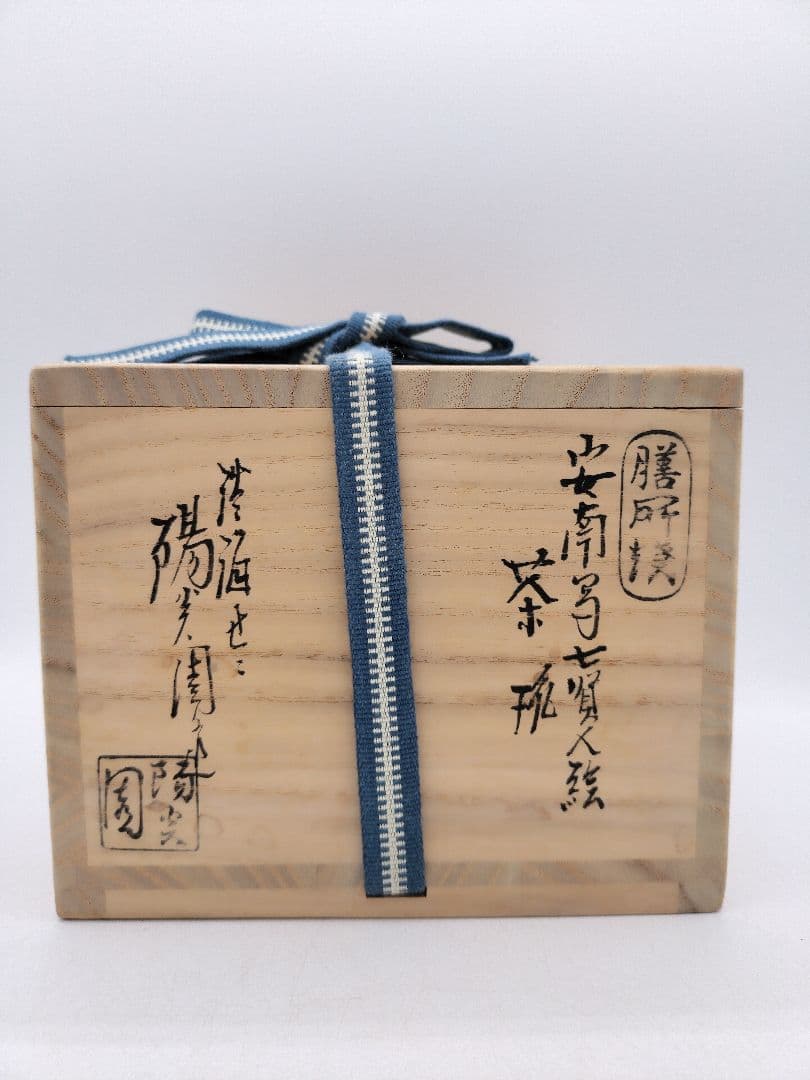
• Kiln: Omi Kagerou-en (淡海陽炎園) — Zeze-yaki tradition (膳所焼)
• Technique: Annam-utsushi (安南写) — Vietnamese-style blue-and-white painting on stoneware
• Era: Contemporary (Heisei–Reiwa period)
• Origin: Otsu, Shiga Prefecture, Japan — one of Enshu's Seven Kilns (遠州七窯)
• Motif: Shichi-kenjin (七賢人, Seven Sages of the Bamboo Grove)
• Box: Wooden box with kiln stamp (木箱・窯印)
• Condition: New / Unused — pristine throughout
━━━━━━━━━━━━━━━━━━━━
🔹 [ CULTURAL & ARTISTIC INSIGHT ]
Zeze-yaki (膳所焼) holds a distinguished place among Japanese tea ceramics as one of Kobori Enshu's Seven Kilns (遠州七窯). Enshu, the master of kirei-sabi (refined rusticity), selected the Zeze kilns near Lake Biwa in Shiga Prefecture for their ability to produce tea wares of understated elegance. The Omi Kagerou-en (淡海陽炎園, "Mirage Garden of Omi") continues this tradition today, producing ceramics that bridge the 400-year lineage between Enshu's original vision and contemporary practice.
This bowl applies the Annam-utsushi (安南写) technique — a Japanese reinterpretation of Vietnamese (Annamese) blue-and-white ceramics that were treasured in Japanese tea circles from the Muromachi period onward. The Seven Sages of the Bamboo Grove (竹林七賢人) — legendary Chinese scholars who withdrew from court life to pursue philosophy, poetry, and music in nature — are painted around the bowl's exterior in fluid cobalt brushwork against a warm white ground. A dotted border rings the inner rim, adding a decorative rhythm that echoes Vietnamese ceramic conventions.
*"Seven scholars chose the bamboo grove over the court. This bowl carries their refusal — and their freedom."*
━━━━━━━━━━━━━━━━━━━━
🔹 [ DEEP-DIVE COMMENTARY ]
**Enshu's Seven Kilns**: Kobori Enshu (1579–1647) identified seven kilns across Japan whose work embodied his aesthetic of kirei-sabi — beauty that is refined yet imbued with wabi simplicity. Zeze-yaki, located near the shores of Lake Biwa in Omi Province (modern Shiga Prefecture), was selected for its ability to produce ceramics that combined technical sophistication with natural warmth. The Kagerou-en studio maintains this legacy, its very name — "Mirage Garden" — evoking the shimmering heat mirages that rise from Lake Biwa in summer.
**The Annam Connection**: Vietnamese ceramics first reached Japan through trade routes in the 14th-15th centuries and were immediately embraced by tea masters for their spontaneous brushwork and warm, slightly rough clay bodies — qualities that resonated with wabi-cha aesthetics. Japanese potters began creating Annam-utsushi (copies/interpretations) that honor the spirit of Vietnamese originals while adapting them to Japanese tea sensibility. This bowl embodies that cultural exchange across centuries and seas.
**Seven Sages Iconography**: The Shichi-kenjin (竹林七賢人) — Ruan Ji, Ji Kang, Shan Tao, Liu Ling, Ruan Xian, Xiang Xiu, and Wang Rong — are depicted in flowing robes amid bamboo groves, engaged in scholarly pursuits. Their choice to reject political life in favor of philosophical contemplation resonates deeply with tea culture's own emphasis on withdrawal, simplicity, and intellectual freedom. Each figure on this bowl is rendered with distinct gesture and character, painted with the confident, loose brushwork that defines the Annam style.
**Contemporary Practice**: This bowl arrives in new, unused condition — ready to begin its life in the tea room. The warm-toned clay body will develop character with use, and the cobalt blue painting, protected under a clear glaze, will maintain its freshness indefinitely. It is suitable for both formal tea gatherings (where the Seven Sages provide rich material for conversation between host and guest) and daily practice.
━━━━━━━━━━━━━━━━━━━━
🔹 [ 日本語解説 ]
【基本情報】
• 窯元:淡海陽炎園(膳所焼)
• 技法:安南写・染付
• 時代:現代(平成〜令和)
• 産地:滋賀県大津(遠州七窯の一つ)
• 文様:竹林七賢人
• 付属:木箱(窯印入り)
• 状態:新品・未使用
【解説】
膳所焼は小堀遠州の遠州七窯の一つに数えられる名窯です。琵琶湖畔の淡海陽炎園は、その伝統を今日に継承しています。「陽炎園」の名は、夏の琵琶湖に立ち昇る陽炎を映したものです。
本作は安南写(ベトナム風染付)の技法で竹林七賢人を描いた茶碗です。安南焼は室町時代から日本の茶人に愛好され、その奔放な筆致と温かみのある素地が侘び茶の精神と共鳴しました。七賢人——政治を離れて竹林で哲学と詩歌に耽った伝説の学者たち——の姿は、茶の湯が大切にする「市中の山居」の理想そのものです。口縁部の点文様はベトナム陶磁の意匠を踏襲し、異文化交流の歴史を器の上に刻んでいます。新品未使用の状態で、これから茶席での物語が始まります。
━━━━━━━━━━━━━━━━━━━━
🔹 [ SHIPPING & PACKAGING ]
• Dispatch: Within 1-6 business days
• Carrier: Japan Post EMS / UPS (with tracking)
• Packaging: Carefully wrapped with protective materials
*Seven scholars in a bamboo grove. One bowl on a tatami mat. The same refusal. The same freedom.*
━━━━━━━━━━━━━━━━━━━━
🔹 [ BASIC DETAILS ]
• Kiln: Omi Kagerou-en (淡海陽炎園) — Zeze-yaki tradition (膳所焼)
• Technique: Annam-utsushi (安南写) — Vietnamese-style blue-and-white painting on stoneware
• Era: Contemporary (Heisei–Reiwa period)
• Origin: Otsu, Shiga Prefecture, Japan — one of Enshu's Seven Kilns (遠州七窯)
• Motif: Shichi-kenjin (七賢人, Seven Sages of the Bamboo Grove)
• Box: Wooden box with kiln stamp (木箱・窯印)
• Condition: New / Unused — pristine throughout
━━━━━━━━━━━━━━━━━━━━
🔹 [ CULTURAL & ARTISTIC INSIGHT ]
Zeze-yaki (膳所焼) holds a distinguished place among Japanese tea ceramics as one of Kobori Enshu's Seven Kilns (遠州七窯). Enshu, the master of kirei-sabi (refined rusticity), selected the Zeze kilns near Lake Biwa in Shiga Prefecture for their ability to produce tea wares of understated elegance. The Omi Kagerou-en (淡海陽炎園, "Mirage Garden of Omi") continues this tradition today, producing ceramics that bridge the 400-year lineage between Enshu's original vision and contemporary practice.
This bowl applies the Annam-utsushi (安南写) technique — a Japanese reinterpretation of Vietnamese (Annamese) blue-and-white ceramics that were treasured in Japanese tea circles from the Muromachi period onward. The Seven Sages of the Bamboo Grove (竹林七賢人) — legendary Chinese scholars who withdrew from court life to pursue philosophy, poetry, and music in nature — are painted around the bowl's exterior in fluid cobalt brushwork against a warm white ground. A dotted border rings the inner rim, adding a decorative rhythm that echoes Vietnamese ceramic conventions.
*"Seven scholars chose the bamboo grove over the court. This bowl carries their refusal — and their freedom."*
━━━━━━━━━━━━━━━━━━━━
🔹 [ DEEP-DIVE COMMENTARY ]
**Enshu's Seven Kilns**: Kobori Enshu (1579–1647) identified seven kilns across Japan whose work embodied his aesthetic of kirei-sabi — beauty that is refined yet imbued with wabi simplicity. Zeze-yaki, located near the shores of Lake Biwa in Omi Province (modern Shiga Prefecture), was selected for its ability to produce ceramics that combined technical sophistication with natural warmth. The Kagerou-en studio maintains this legacy, its very name — "Mirage Garden" — evoking the shimmering heat mirages that rise from Lake Biwa in summer.
**The Annam Connection**: Vietnamese ceramics first reached Japan through trade routes in the 14th-15th centuries and were immediately embraced by tea masters for their spontaneous brushwork and warm, slightly rough clay bodies — qualities that resonated with wabi-cha aesthetics. Japanese potters began creating Annam-utsushi (copies/interpretations) that honor the spirit of Vietnamese originals while adapting them to Japanese tea sensibility. This bowl embodies that cultural exchange across centuries and seas.
**Seven Sages Iconography**: The Shichi-kenjin (竹林七賢人) — Ruan Ji, Ji Kang, Shan Tao, Liu Ling, Ruan Xian, Xiang Xiu, and Wang Rong — are depicted in flowing robes amid bamboo groves, engaged in scholarly pursuits. Their choice to reject political life in favor of philosophical contemplation resonates deeply with tea culture's own emphasis on withdrawal, simplicity, and intellectual freedom. Each figure on this bowl is rendered with distinct gesture and character, painted with the confident, loose brushwork that defines the Annam style.
**Contemporary Practice**: This bowl arrives in new, unused condition — ready to begin its life in the tea room. The warm-toned clay body will develop character with use, and the cobalt blue painting, protected under a clear glaze, will maintain its freshness indefinitely. It is suitable for both formal tea gatherings (where the Seven Sages provide rich material for conversation between host and guest) and daily practice.
━━━━━━━━━━━━━━━━━━━━
🔹 [ 日本語解説 ]
【基本情報】
• 窯元:淡海陽炎園(膳所焼)
• 技法:安南写・染付
• 時代:現代(平成〜令和)
• 産地:滋賀県大津(遠州七窯の一つ)
• 文様:竹林七賢人
• 付属:木箱(窯印入り)
• 状態:新品・未使用
【解説】
膳所焼は小堀遠州の遠州七窯の一つに数えられる名窯です。琵琶湖畔の淡海陽炎園は、その伝統を今日に継承しています。「陽炎園」の名は、夏の琵琶湖に立ち昇る陽炎を映したものです。
本作は安南写(ベトナム風染付)の技法で竹林七賢人を描いた茶碗です。安南焼は室町時代から日本の茶人に愛好され、その奔放な筆致と温かみのある素地が侘び茶の精神と共鳴しました。七賢人——政治を離れて竹林で哲学と詩歌に耽った伝説の学者たち——の姿は、茶の湯が大切にする「市中の山居」の理想そのものです。口縁部の点文様はベトナム陶磁の意匠を踏襲し、異文化交流の歴史を器の上に刻んでいます。新品未使用の状態で、これから茶席での物語が始まります。
━━━━━━━━━━━━━━━━━━━━
🔹 [ SHIPPING & PACKAGING ]
• Dispatch: Within 1-6 business days
• Carrier: Japan Post EMS / UPS (with tracking)
• Packaging: Carefully wrapped with protective materials
*Seven scholars in a bamboo grove. One bowl on a tatami mat. The same refusal. The same freedom.*
Quantity
Couldn't load pickup availability
Low stock: 1 left
View full details