1
/
of
10
Zeze Ware Faceted Tea Bowl by Iwasaki Shinsada — Dark Glaze Chawan with Tomobako, Japanese Ceramics
Zeze Ware Faceted Tea Bowl by Iwasaki Shinsada — Dark Glaze Chawan with Tomobako, Japanese Ceramics
Regular price
Dhs. 914.00 AED
Regular price
Sale price
Dhs. 914.00 AED
Taxes included.
Shipping calculated at checkout.
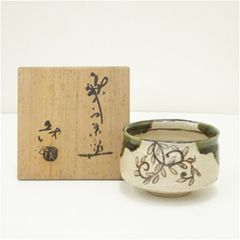
Experience Authentic Japan Art with this Zeze Ware Tea Bowl. This Mentori Chawan serves as a Japanese Tea Ceremony Bowl and Dark Glaze Chawan, featuring Cream Glaze Drip and Faceted Pottery Form—a must-have for any Art Collector. This Iwasaki Shinsada work represents Zeze Ware Pottery and Lake Biwa Kiln tradition, ideal as a Japanese Pottery Gift and Wabi Sabi Ceramics piece.
🔹 [ BASIC DETAILS ]
• Artist: Iwasaki Shinsada (岩崎新定)
• Technique: Zeze-yaki (膳所焼) mentori (面取) faceted form; dark iron-rich glaze with cream cascade drip
• Era: Showa–Heisei period (1970s–2000s)
• Origin: Zeze ware, Lake Biwa, Shiga Prefecture, Japan
• Dimensions: Rim diameter approx. 11.7 cm, Foot diameter approx. 5.4 cm, Height approx. 8.1 cm
• Box: Tomobako (artist's own signed and sealed wooden box); lid inscribed 「膳所焼 面取 茶碗」
• Condition: Excellent; rich glaze, no chips or cracks; characteristic glaze drip is intentional and part of the aesthetic
🔹 [ CULTURAL & ARTISTIC INSIGHT ]
Zeze-yaki occupies a singular position in the geography of Japanese ceramics. Its kilns arose on the southern shores of Lake Biwa, the largest lake in Japan, and its wares were shaped from the outset by proximity to power — the castle town of Zeze (present-day Otsu, Shiga Prefecture) hosted the feudal lords whose patronage elevated this ware to a position of quiet prestige in tea ceremony circles. Unlike the more internationally recognised traditions of Mino, Hagi, or Bizen, Zeze remains a specialist's enthusiasm: collected with passion by those who have moved past the familiar names and into the deeper genealogies of chanoyu ceramics.
Iwasaki Shinsada's faceted chawan (mentori) exemplifies the Zeze aesthetic in its most composed form. The exterior glaze is a deep, near-black iron-rich brown — the kind that reads as one colour from across the room and reveals its layered complexity only in hand. Horizontal wheel-throwing lines are preserved beneath the glaze, creating a subtle topography of concentric ridges that the glaze fills and follows. At the rim and shoulders, the glaze descends into a warmer, slightly reddish-brown register; below, it cools into a blue-grey field. Most dramatically, a cascade of cream-white glaze has been applied — or has migrated during firing — and flows from the shoulder in a single, narrow rivulet, pooling slightly before being arrested by the form's tightening. This pale ribbon against the dark field is the bowl's defining visual event: understated, irreproducible, and entirely at home in a wabi-cha aesthetic that prizes the singular over the uniform.
The mentori (面取) technique — the deliberate cutting or faceting of the wet clay wall after throwing — introduces flat planes into an otherwise round form. Each facet meets the curve at a soft edge, and the glaze responds differently to each surface angle: the flat planes catch more pooling, the ridges receive thinner coverage. The resulting interplay of gloss and matte, dark and slightly lighter, gives the exterior a quietly architectural quality.
Poetic line: "A thread of cream descends the dark wall — the lake's own pale morning mist, remembered in clay."
🔹 [ DEEP-DIVE COMMENTARY ]
Zeze-yaki traces its origins to the early Edo period (17th century), when kilns established near the castle town of Zeze began producing wares under the sponsorship of the Todo clan. These early pieces — often featuring dark iron glazes with white or ash-glaze highlights — were made in conscious dialogue with the wabi-cha aesthetic promoted by tea masters of the Edo period. The tradition of combining a dark ground glaze with a contrasting white or cream poured or dripped glaze became a hallmark of the style, connecting Zeze visually to related traditions such as oribe (Mino), nishiki-de (Kyoto), and the various dark-glazed wares of the Kyushu kilns.
Iwasaki Shinsada is a practitioner of modern Zeze-yaki who maintains the tradition's core vocabulary — dark iron glaze, thrown and sometimes faceted forms, emphasis on glaze movement and kiln atmosphere — while working with a refined sensibility appropriate to his era. The mentori (faceting) technique employed here requires the potter to interrupt the natural roundness of a thrown vessel at the leather-hard stage, using a wire or blade to cut flat planes into the wall. The number, angle, and placement of these cuts is a matter of individual judgment; Shinsada's version is restrained, with the facets contributing a sense of architectural order without disrupting the bowl's fundamental softness.
The glaze combination on this chawan — dark iron-brown ground, cream cascade, and the subtle colour shifts visible across the form — is achieved through a combination of glaze layering and kiln placement. The cream glaze was likely applied in a second layer over the dark ground on specific areas, and its flow direction and pooling point were influenced by the bowl's position in the kiln during firing. The blue-grey register visible on the lower exterior suggests a partially reduced atmosphere during cooling, which shifted the iron oxide from a warm brown to a cooler, more silvery tone.
For the collector of traditional Japanese ceramics, a signed Zeze-yaki chawan from a recognised lineage represents considerable value: the tradition is small enough to be rare on the international market yet significant enough to be respected by serious practitioners of chanoyu. The tomobako, with its clear inscription and the artist's seal, provides the complete provenance and display context that elevates any chawan from functional object to ceramic art.
In tea ceremony, a dark chawan of this type is traditionally associated with winter use — the dark interior warming the colour of the green matcha, the closed, rounded form retaining heat, and the overall palette evoking the quiet introspection of cold-season practice. Shinsada's bowl serves this function with complete conviction.
🔹 [ SHIPPING & PACKAGING ]
• Dispatch: Within 1-6 business days
• Carrier: Japan Post EMS / UPS (with tracking)
• Packaging: Carefully wrapped with protective materials
🔹 [ 日本語解説 ]
【基本情報】
・作家:岩崎新定
・技法:膳所焼(ぜぜやき)面取り茶碗/鉄釉に白化粧流し掛け
・年代:昭和後期〜平成期(1970〜2000年代)
・産地:膳所焼(滋賀県大津市・琵琶湖南岸)
・サイズ:口径 約11.7cm、高台径 約5.4cm、高さ 約8.1cm
・箱:共箱(作家直筆箱書き・落款入り)「膳所焼 面取 茶碗」
・状態:優良。特徴的な白釉の流れは意図的な景色であり、欠けや傷はなし
【文化的・美術的考察】
膳所焼は、日本最大の湖・琵琶湖の南岸に開かれた窯場を発祥とし、藩主・藤堂家の庇護を受けて江戸初期に成立した陶磁の流派。漆黒に近い鉄釉と、そこに流れる白釉のコントラストがその様式の核心をなし、侘び茶の精神と深く共鳴する。美濃・萩・備前ほど国際的な知名度はないが、茶道具の世界では「次の深み」として専門的なコレクターに熱く支持される。
岩崎新定のこの面取茶碗は、膳所焼の美学を端正に凝縮した一碗。外面を覆う深い鉄釉は、遠目には均一な暗色に見えるが、手に取ると茶褐色から青灰色へと移ろう複層的な色調が現れる。轆轤の轍(わだち)が釉下に保存され、細かな同心円の凹凸が触感に変化を与える。最も印象的なのは、肩から流れ落ちる細い白化粧釉の筋——一条の雫が暗い釉面をゆっくりと下り、途中で止まる。この白の細線が全体の景色を決定し、二度と同じ流れ方はしない「一期一会の景」を形成する。
詩的一行:「白い流れが暗い壁を伝う——朝もやが琵琶湖の岸辺を這い、土の記憶に宿る。」
【深層解説】
膳所焼は17世紀の江戸初期、膳所藩主の支援を受けて開窯した。暗い鉄釉に白釉や灰釉を掛け流す様式は当初から確立されており、その後の時代も形式を変えながら継承された。現代の岩崎新定は、この伝統的語彙——鉄釉の深い暗色、面取りによる形体の切り出し、釉薬の流れと窯変——を忠実に継ぎながら、現代の感覚に合致した端正さを加えている。
面取り(mentori)技法は、轆轤引きで成形した器を半乾燥(革硬)状態にして、ヘラや糸切りで外面に平坦な面を刻む作業。切り込む角度・枚数・深さはすべて作者の判断に委ねられ、仕上がりの表情を決定する。釉薬は面ごとに溜まり方が変わり、稜線部では薄く、平面部では厚く池を作る——この微妙な差が全体の陰影を生む。
白化粧釉の流れ筋は、黒釉を先に掛けた後、白釉を肩部に重ね掛けし、窯内での傾き・温度・焼成時間が組み合わさって現在の形で止まった。還元冷却によって鉄釉の下部が青灰色へと転じており、焼成雰囲気の微妙な制御が見て取れる。
茶道の文脈では、こうした暗色の茶碗は冬季の茶席に向く「冬茶碗」として位置づけられる。緑の抹茶が暗い内面に映え、閉じた形状が熱を保ち、全体の佇まいが内省的な静寂を促す——寒中の一服に相応しい一碗。共箱と落款が来歴を保証し、実用と鑑賞を兼ね備えた、コレクターにとって手放し難い作品である。
🔹 [ BASIC DETAILS ]
• Artist: Iwasaki Shinsada (岩崎新定)
• Technique: Zeze-yaki (膳所焼) mentori (面取) faceted form; dark iron-rich glaze with cream cascade drip
• Era: Showa–Heisei period (1970s–2000s)
• Origin: Zeze ware, Lake Biwa, Shiga Prefecture, Japan
• Dimensions: Rim diameter approx. 11.7 cm, Foot diameter approx. 5.4 cm, Height approx. 8.1 cm
• Box: Tomobako (artist's own signed and sealed wooden box); lid inscribed 「膳所焼 面取 茶碗」
• Condition: Excellent; rich glaze, no chips or cracks; characteristic glaze drip is intentional and part of the aesthetic
🔹 [ CULTURAL & ARTISTIC INSIGHT ]
Zeze-yaki occupies a singular position in the geography of Japanese ceramics. Its kilns arose on the southern shores of Lake Biwa, the largest lake in Japan, and its wares were shaped from the outset by proximity to power — the castle town of Zeze (present-day Otsu, Shiga Prefecture) hosted the feudal lords whose patronage elevated this ware to a position of quiet prestige in tea ceremony circles. Unlike the more internationally recognised traditions of Mino, Hagi, or Bizen, Zeze remains a specialist's enthusiasm: collected with passion by those who have moved past the familiar names and into the deeper genealogies of chanoyu ceramics.
Iwasaki Shinsada's faceted chawan (mentori) exemplifies the Zeze aesthetic in its most composed form. The exterior glaze is a deep, near-black iron-rich brown — the kind that reads as one colour from across the room and reveals its layered complexity only in hand. Horizontal wheel-throwing lines are preserved beneath the glaze, creating a subtle topography of concentric ridges that the glaze fills and follows. At the rim and shoulders, the glaze descends into a warmer, slightly reddish-brown register; below, it cools into a blue-grey field. Most dramatically, a cascade of cream-white glaze has been applied — or has migrated during firing — and flows from the shoulder in a single, narrow rivulet, pooling slightly before being arrested by the form's tightening. This pale ribbon against the dark field is the bowl's defining visual event: understated, irreproducible, and entirely at home in a wabi-cha aesthetic that prizes the singular over the uniform.
The mentori (面取) technique — the deliberate cutting or faceting of the wet clay wall after throwing — introduces flat planes into an otherwise round form. Each facet meets the curve at a soft edge, and the glaze responds differently to each surface angle: the flat planes catch more pooling, the ridges receive thinner coverage. The resulting interplay of gloss and matte, dark and slightly lighter, gives the exterior a quietly architectural quality.
Poetic line: "A thread of cream descends the dark wall — the lake's own pale morning mist, remembered in clay."
🔹 [ DEEP-DIVE COMMENTARY ]
Zeze-yaki traces its origins to the early Edo period (17th century), when kilns established near the castle town of Zeze began producing wares under the sponsorship of the Todo clan. These early pieces — often featuring dark iron glazes with white or ash-glaze highlights — were made in conscious dialogue with the wabi-cha aesthetic promoted by tea masters of the Edo period. The tradition of combining a dark ground glaze with a contrasting white or cream poured or dripped glaze became a hallmark of the style, connecting Zeze visually to related traditions such as oribe (Mino), nishiki-de (Kyoto), and the various dark-glazed wares of the Kyushu kilns.
Iwasaki Shinsada is a practitioner of modern Zeze-yaki who maintains the tradition's core vocabulary — dark iron glaze, thrown and sometimes faceted forms, emphasis on glaze movement and kiln atmosphere — while working with a refined sensibility appropriate to his era. The mentori (faceting) technique employed here requires the potter to interrupt the natural roundness of a thrown vessel at the leather-hard stage, using a wire or blade to cut flat planes into the wall. The number, angle, and placement of these cuts is a matter of individual judgment; Shinsada's version is restrained, with the facets contributing a sense of architectural order without disrupting the bowl's fundamental softness.
The glaze combination on this chawan — dark iron-brown ground, cream cascade, and the subtle colour shifts visible across the form — is achieved through a combination of glaze layering and kiln placement. The cream glaze was likely applied in a second layer over the dark ground on specific areas, and its flow direction and pooling point were influenced by the bowl's position in the kiln during firing. The blue-grey register visible on the lower exterior suggests a partially reduced atmosphere during cooling, which shifted the iron oxide from a warm brown to a cooler, more silvery tone.
For the collector of traditional Japanese ceramics, a signed Zeze-yaki chawan from a recognised lineage represents considerable value: the tradition is small enough to be rare on the international market yet significant enough to be respected by serious practitioners of chanoyu. The tomobako, with its clear inscription and the artist's seal, provides the complete provenance and display context that elevates any chawan from functional object to ceramic art.
In tea ceremony, a dark chawan of this type is traditionally associated with winter use — the dark interior warming the colour of the green matcha, the closed, rounded form retaining heat, and the overall palette evoking the quiet introspection of cold-season practice. Shinsada's bowl serves this function with complete conviction.
🔹 [ SHIPPING & PACKAGING ]
• Dispatch: Within 1-6 business days
• Carrier: Japan Post EMS / UPS (with tracking)
• Packaging: Carefully wrapped with protective materials
🔹 [ 日本語解説 ]
【基本情報】
・作家:岩崎新定
・技法:膳所焼(ぜぜやき)面取り茶碗/鉄釉に白化粧流し掛け
・年代:昭和後期〜平成期(1970〜2000年代)
・産地:膳所焼(滋賀県大津市・琵琶湖南岸)
・サイズ:口径 約11.7cm、高台径 約5.4cm、高さ 約8.1cm
・箱:共箱(作家直筆箱書き・落款入り)「膳所焼 面取 茶碗」
・状態:優良。特徴的な白釉の流れは意図的な景色であり、欠けや傷はなし
【文化的・美術的考察】
膳所焼は、日本最大の湖・琵琶湖の南岸に開かれた窯場を発祥とし、藩主・藤堂家の庇護を受けて江戸初期に成立した陶磁の流派。漆黒に近い鉄釉と、そこに流れる白釉のコントラストがその様式の核心をなし、侘び茶の精神と深く共鳴する。美濃・萩・備前ほど国際的な知名度はないが、茶道具の世界では「次の深み」として専門的なコレクターに熱く支持される。
岩崎新定のこの面取茶碗は、膳所焼の美学を端正に凝縮した一碗。外面を覆う深い鉄釉は、遠目には均一な暗色に見えるが、手に取ると茶褐色から青灰色へと移ろう複層的な色調が現れる。轆轤の轍(わだち)が釉下に保存され、細かな同心円の凹凸が触感に変化を与える。最も印象的なのは、肩から流れ落ちる細い白化粧釉の筋——一条の雫が暗い釉面をゆっくりと下り、途中で止まる。この白の細線が全体の景色を決定し、二度と同じ流れ方はしない「一期一会の景」を形成する。
詩的一行:「白い流れが暗い壁を伝う——朝もやが琵琶湖の岸辺を這い、土の記憶に宿る。」
【深層解説】
膳所焼は17世紀の江戸初期、膳所藩主の支援を受けて開窯した。暗い鉄釉に白釉や灰釉を掛け流す様式は当初から確立されており、その後の時代も形式を変えながら継承された。現代の岩崎新定は、この伝統的語彙——鉄釉の深い暗色、面取りによる形体の切り出し、釉薬の流れと窯変——を忠実に継ぎながら、現代の感覚に合致した端正さを加えている。
面取り(mentori)技法は、轆轤引きで成形した器を半乾燥(革硬)状態にして、ヘラや糸切りで外面に平坦な面を刻む作業。切り込む角度・枚数・深さはすべて作者の判断に委ねられ、仕上がりの表情を決定する。釉薬は面ごとに溜まり方が変わり、稜線部では薄く、平面部では厚く池を作る——この微妙な差が全体の陰影を生む。
白化粧釉の流れ筋は、黒釉を先に掛けた後、白釉を肩部に重ね掛けし、窯内での傾き・温度・焼成時間が組み合わさって現在の形で止まった。還元冷却によって鉄釉の下部が青灰色へと転じており、焼成雰囲気の微妙な制御が見て取れる。
茶道の文脈では、こうした暗色の茶碗は冬季の茶席に向く「冬茶碗」として位置づけられる。緑の抹茶が暗い内面に映え、閉じた形状が熱を保ち、全体の佇まいが内省的な静寂を促す——寒中の一服に相応しい一碗。共箱と落款が来歴を保証し、実用と鑑賞を兼ね備えた、コレクターにとって手放し難い作品である。
Quantity
Couldn't load pickup availability
Low stock: 1 left
View full details