1
/
of
14
Yuteki Tenmoku Tea Bowl - Japanese Oil Spot Glaze Chawan with Silver Constellation Dots and Signed Box
Yuteki Tenmoku Tea Bowl - Japanese Oil Spot Glaze Chawan with Silver Constellation Dots and Signed Box
Regular price
Dhs. 671.00 AED
Regular price
Sale price
Dhs. 671.00 AED
Taxes included.
Shipping calculated at checkout.
Experience authentic Japanese tea culture with this Yuteki Tenmoku Tea Bowl. This Japanese Matcha Bowl serves as a Tenmoku Ware Masterpiece and Handcrafted Oil Spot Glaze Chawan, featuring Luminous Silver Constellation Spots and Deep Black Iron Ground—a must-have for any collector seeking authentic Japanese Tenmoku Ceramic depth and captivating Zen Tea Accessories.
━━━━━━━━━━━━━━━━━━━━
🔹 [ BASIC DETAILS ]
• Artist: Japanese studio artist (作家物) — signed wooden box, artist name in box inscription
• Technique: Yuteki tenmoku (油滴天目) — oil-spot glaze firing; iron-saturated glaze with bubbled crystallization creating silver and cream spots on deep black ground
• Era: Contemporary (Heisei–Reiwa period)
• Origin: Japan — contemporary studio tenmoku tradition
• Dimensions: Diameter approx. 13.2 cm × Height approx. 7 cm (5.2" × 2.8")
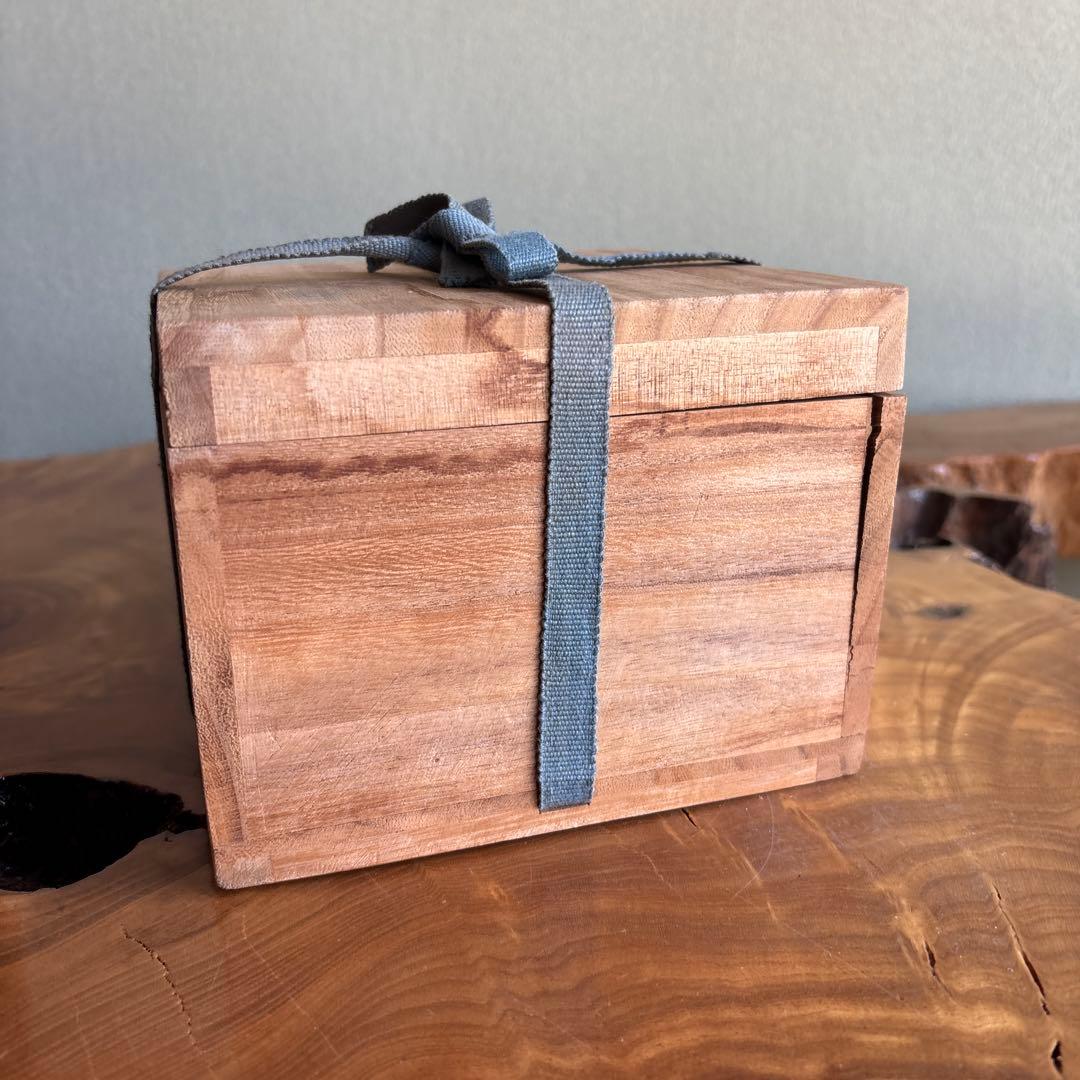
• Box: Tomobako (wooden box inscribed 油滴天目 茶碗)
• Condition: Excellent — no chips, cracks, or repairs
━━━━━━━━━━━━━━━━━━━━
🔹 [ CULTURAL & ARTISTIC INSIGHT ]
Tenmoku (天目) glaze represents one of the most technically demanding and visually arresting achievements in East Asian ceramic history. Originating in the Jian kilns of Fujian Province, China, during the Song Dynasty (960–1279), tenmoku ware was brought to Japan by Zen Buddhist monks who had studied at Chinese monasteries — the bowls traveling back as prized possessions alongside teachings. In Japan, tenmoku became the vessel of choice for the highest-ranking guests at formal tea gatherings (cha-no-yu), and surviving Song-dynasty pieces are now classified as National Treasures.
The yuteki (油滴, oil-drop) variant is considered among the most accomplished of all tenmoku types. During firing at high temperatures, iron in the glaze separates and rises to the surface in small droplets that crystallize as the kiln cools, producing the characteristic pattern of silver, cream, or iridescent spots that appear to float in the deep black ground like stars reflected in dark water. The effect is not painted or applied — it emerges entirely from the chemistry of the glaze and the precise management of kiln atmosphere and temperature.
This contemporary Japanese studio piece honors that tradition with great fidelity. Viewed from the side, the outer surface shows a field of small cream-to-silver spots arranged with remarkable density across the dark ground. Looking into the interior — visible in the photographs — the effect intensifies: the spots appear to float at different depths within the glaze, creating an illusion of three-dimensional space that deepens as the bowl is tilted and the light shifts.
*"In the dark of the tenmoku bowl, a sky of suspended stars waits for the tea to be poured."*
━━━━━━━━━━━━━━━━━━━━
🔹 [ DEEP-DIVE COMMENTARY ]
**Oil-Spot Formation**: The yuteki effect is created by iron bubbles that rise through the molten glaze during peak firing temperature. As the temperature drops, these bubbles solidify and the iron oxidizes around their perimeters, producing the characteristic ringed spots. The size, density, and coloration of the spots depend on glaze composition, firing temperature, and cooling rate — parameters that must be precisely controlled to achieve the result seen on this bowl. The cream-to-silver coloration suggests a firing atmosphere with balanced oxidation/reduction, allowing the iron to express itself fully.
**Interior Landscape**: The interior of this bowl (visible in photograph 2) is particularly compelling. The spots in the interior appear slightly larger and more varied in color than those on the exterior — ranging from small white pinpoints to larger cream patches — creating a complex field that shifts as the bowl is rotated. Tea practitioners have long noted that the experience of drinking from a tenmoku bowl is fundamentally different from other chawan: the dark interior makes the green of the matcha appear more vivid by contrast, and the landscape of spots seems to animate the act of drinking.
**Form and Proportion**: At 13.2 cm in diameter, this is a relatively wide-mouthed tenmoku — appropriate for usucha (thin tea) preparation and the summer tea practice, where the wider opening allows the tea to cool more quickly. The height of 7 cm gives the bowl a low, stable profile characteristic of classical tenmoku proportions. The foot ring, visible in the images, is clean and proportioned, showing no staining or repairs.
**Contemporary Tenmoku Practice**: While original Song-dynasty Jian ware tenmoku pieces are museum objects, Japanese studio potters have maintained and developed the tenmoku tradition through the 20th and 21st centuries. This piece represents that lineage — a living craft tradition in dialogue with its historical origins.
━━━━━━━━━━━━━━━━━━━━
🔹 [ 日本語解説 ]
【基本情報】
• 作家:作家物(共箱署名あり)
• 技法:油滴天目(鉄釉高温焼成、油滴結晶化)
• 時代:現代(平成〜令和期)
• 産地:日本(現代天目工房)
• 寸法:直径約13.2cm × 高さ約7cm
• 付属:共箱(「油滴天目 茶碗」墨書)
• 状態:良好(ヒビ・カケなし)
【解説】
油滴天目は、宋代の建窯(中国・福建省)に起源を持つ天目釉の中でも最も高度な技術を要する種類です。高温焼成中に釉薬の鉄分が気泡として浮上し、冷却時に結晶化することで、深い黒地に銀白色の斑点が浮かぶ幻想的な景色が生まれます。
本作は現代日本の作家による作品ですが、伝統的な油滴天目の特徴を忠実に再現しています。外側には細かなクリーム色〜銀色の斑点が密に分布し、見込みを覗くとさらに変化に富んだ斑点の景色が広がります。光の角度によって斑点の輝きが変わり、まるで夜空の星を見ているような深みがあります。
天目形のすっきりとした姿と、見飽きることのない釉薬の表情が見事に調和した一椀です。緑色の抹茶が黒い見込みに映える美しさを、ぜひ実際のお茶の場でお楽しみください。
━━━━━━━━━━━━━━━━━━━━
🔹 [ SHIPPING & PACKAGING ]
• Dispatch: Within 1-6 business days
• Carrier: Japan Post EMS / UPS (with tracking)
• Packaging: Carefully wrapped with protective materials
*Pour the tea and watch the stars multiply — darkness was never so full of light.*
━━━━━━━━━━━━━━━━━━━━
🔹 [ BASIC DETAILS ]
• Artist: Japanese studio artist (作家物) — signed wooden box, artist name in box inscription
• Technique: Yuteki tenmoku (油滴天目) — oil-spot glaze firing; iron-saturated glaze with bubbled crystallization creating silver and cream spots on deep black ground
• Era: Contemporary (Heisei–Reiwa period)
• Origin: Japan — contemporary studio tenmoku tradition
• Dimensions: Diameter approx. 13.2 cm × Height approx. 7 cm (5.2" × 2.8")
• Box: Tomobako (wooden box inscribed 油滴天目 茶碗)
• Condition: Excellent — no chips, cracks, or repairs
━━━━━━━━━━━━━━━━━━━━
🔹 [ CULTURAL & ARTISTIC INSIGHT ]
Tenmoku (天目) glaze represents one of the most technically demanding and visually arresting achievements in East Asian ceramic history. Originating in the Jian kilns of Fujian Province, China, during the Song Dynasty (960–1279), tenmoku ware was brought to Japan by Zen Buddhist monks who had studied at Chinese monasteries — the bowls traveling back as prized possessions alongside teachings. In Japan, tenmoku became the vessel of choice for the highest-ranking guests at formal tea gatherings (cha-no-yu), and surviving Song-dynasty pieces are now classified as National Treasures.
The yuteki (油滴, oil-drop) variant is considered among the most accomplished of all tenmoku types. During firing at high temperatures, iron in the glaze separates and rises to the surface in small droplets that crystallize as the kiln cools, producing the characteristic pattern of silver, cream, or iridescent spots that appear to float in the deep black ground like stars reflected in dark water. The effect is not painted or applied — it emerges entirely from the chemistry of the glaze and the precise management of kiln atmosphere and temperature.
This contemporary Japanese studio piece honors that tradition with great fidelity. Viewed from the side, the outer surface shows a field of small cream-to-silver spots arranged with remarkable density across the dark ground. Looking into the interior — visible in the photographs — the effect intensifies: the spots appear to float at different depths within the glaze, creating an illusion of three-dimensional space that deepens as the bowl is tilted and the light shifts.
*"In the dark of the tenmoku bowl, a sky of suspended stars waits for the tea to be poured."*
━━━━━━━━━━━━━━━━━━━━
🔹 [ DEEP-DIVE COMMENTARY ]
**Oil-Spot Formation**: The yuteki effect is created by iron bubbles that rise through the molten glaze during peak firing temperature. As the temperature drops, these bubbles solidify and the iron oxidizes around their perimeters, producing the characteristic ringed spots. The size, density, and coloration of the spots depend on glaze composition, firing temperature, and cooling rate — parameters that must be precisely controlled to achieve the result seen on this bowl. The cream-to-silver coloration suggests a firing atmosphere with balanced oxidation/reduction, allowing the iron to express itself fully.
**Interior Landscape**: The interior of this bowl (visible in photograph 2) is particularly compelling. The spots in the interior appear slightly larger and more varied in color than those on the exterior — ranging from small white pinpoints to larger cream patches — creating a complex field that shifts as the bowl is rotated. Tea practitioners have long noted that the experience of drinking from a tenmoku bowl is fundamentally different from other chawan: the dark interior makes the green of the matcha appear more vivid by contrast, and the landscape of spots seems to animate the act of drinking.
**Form and Proportion**: At 13.2 cm in diameter, this is a relatively wide-mouthed tenmoku — appropriate for usucha (thin tea) preparation and the summer tea practice, where the wider opening allows the tea to cool more quickly. The height of 7 cm gives the bowl a low, stable profile characteristic of classical tenmoku proportions. The foot ring, visible in the images, is clean and proportioned, showing no staining or repairs.
**Contemporary Tenmoku Practice**: While original Song-dynasty Jian ware tenmoku pieces are museum objects, Japanese studio potters have maintained and developed the tenmoku tradition through the 20th and 21st centuries. This piece represents that lineage — a living craft tradition in dialogue with its historical origins.
━━━━━━━━━━━━━━━━━━━━
🔹 [ 日本語解説 ]
【基本情報】
• 作家:作家物(共箱署名あり)
• 技法:油滴天目(鉄釉高温焼成、油滴結晶化)
• 時代:現代(平成〜令和期)
• 産地:日本(現代天目工房)
• 寸法:直径約13.2cm × 高さ約7cm
• 付属:共箱(「油滴天目 茶碗」墨書)
• 状態:良好(ヒビ・カケなし)
【解説】
油滴天目は、宋代の建窯(中国・福建省)に起源を持つ天目釉の中でも最も高度な技術を要する種類です。高温焼成中に釉薬の鉄分が気泡として浮上し、冷却時に結晶化することで、深い黒地に銀白色の斑点が浮かぶ幻想的な景色が生まれます。
本作は現代日本の作家による作品ですが、伝統的な油滴天目の特徴を忠実に再現しています。外側には細かなクリーム色〜銀色の斑点が密に分布し、見込みを覗くとさらに変化に富んだ斑点の景色が広がります。光の角度によって斑点の輝きが変わり、まるで夜空の星を見ているような深みがあります。
天目形のすっきりとした姿と、見飽きることのない釉薬の表情が見事に調和した一椀です。緑色の抹茶が黒い見込みに映える美しさを、ぜひ実際のお茶の場でお楽しみください。
━━━━━━━━━━━━━━━━━━━━
🔹 [ SHIPPING & PACKAGING ]
• Dispatch: Within 1-6 business days
• Carrier: Japan Post EMS / UPS (with tracking)
• Packaging: Carefully wrapped with protective materials
*Pour the tea and watch the stars multiply — darkness was never so full of light.*
Quantity
Couldn't load pickup availability
Low stock: 1 left
View full details