1
/
of
14
Yoshida Shoun Seven Sages Maki-e Negoro Natsume Gold Lacquer Tea Caddy
Yoshida Shoun Seven Sages Maki-e Negoro Natsume Gold Lacquer Tea Caddy
Regular price
Dhs. 1,237.00 AED
Regular price
Sale price
Dhs. 1,237.00 AED
Taxes included.
Shipping calculated at checkout.
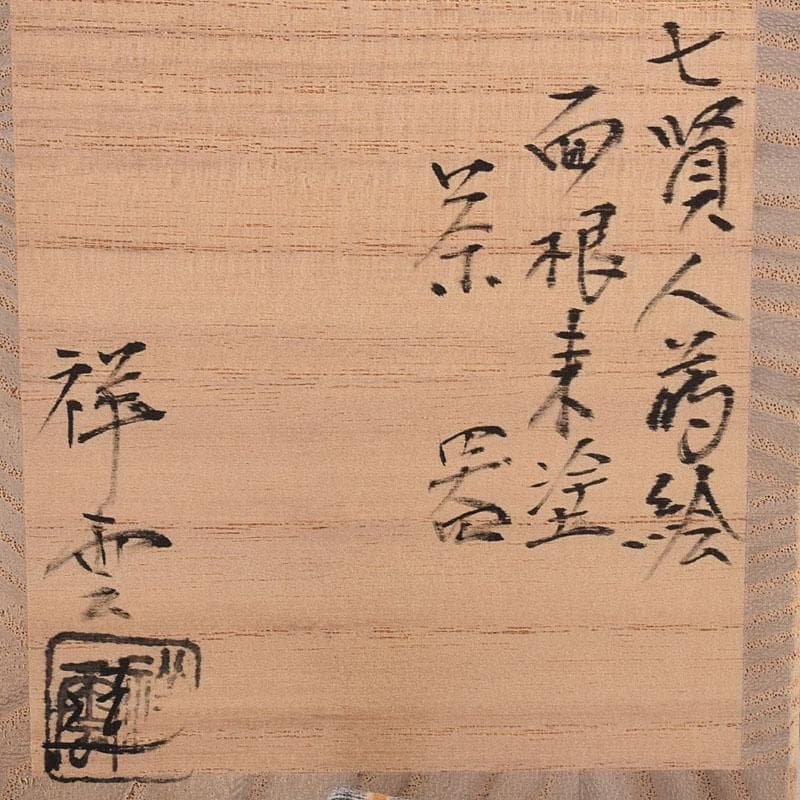
Negoro-nuri natsume tea caddy by Yoshida Shoun featuring exquisite gold maki-e depicting the Seven Sages of the Bamboo Grove. The negoro lacquer technique reveals layers of black beneath worn red, creating natural patina cherished in Japanese tea culture. Gold bamboo groves and scholarly figures flow across the cylindrical form. Complete with signed tomobako.
━━━━━━━━━━━━━━━━━━━━━━━━━━━━━━━━━━━━━
🔹 BASIC DETAILS
• Artist: Yoshida Shoun (吉田祥雲)
• Technique: Negoro-nuri (red over black lacquer), gold maki-e (sprinkled gold powder)
• Era: Heisei to Reiwa period
• Origin: Japan
• Dimensions: H 7.0 cm × W 6.5 cm (H 2.75" × W 2.56")
• Box: Signed tomobako (paulownia storage box)
• Condition: Excellent — natural negoro patina with intentional red-to-black wear pattern; gold maki-e crisp and intact
━━━━━━━━━━━━━━━━━━━━━━━━━━━━━━━━━━━━━
🔹 CULTURAL & ARTISTIC INSIGHT
Negoro-nuri is one of Japan's most philosophically resonant lacquer techniques. Red lacquer applied over black creates a surface that transforms through use — the red wears away to reveal black beneath, embodying the passage of time and the beauty of impermanence. Originally developed at Negoro-ji Temple in Wakayama during the Muromachi period, this technique turns patina into aesthetic statement.
The Seven Sages of the Bamboo Grove (竹林七賢) are legendary Chinese scholars who retreated from politics to pursue philosophy, poetry, and wine in nature. They represent intellectual freedom and resistance to worldly corruption. In Japanese tea culture, they symbolize detachment from material concerns — a fitting motif for a tea caddy used in the meditative ritual of chanoyu.
Yoshida Shoun's composition demonstrates mastery of narrative density within constrained space. The seven robed figures are rendered with economy — suggestions of posture and gesture rather than detail — yet each remains identifiable in their scholarly repose.
*Red yields to black beneath — time writes its own story on lacquer.*
━━━━━━━━━━━━━━━━━━━━━━━━━━━━━━━━━━━━━
🔹 DEEP-DIVE COMMENTARY
The negoro patina is not accidental but controlled. Areas of heaviest wear — the shoulder and base — show black lacquer beneath, while protected zones retain vibrant red. This creates tonal variation that enhances the gold maki-e. The contrast between warm red, deep black, and luminous gold produces visual depth.
The lid features dense bamboo leaves in gold maki-e with intentional red-to-black wear at the rim edges. This creates a visual echo of the body's composition while maintaining distinct identity. The wear pattern suggests centuries of use, though the piece is contemporary — a deliberate invocation of historical negoro temple ware.
As a functional tea caddy, this natsume bridges aesthetic contemplation and ritual utility. The cylindrical form fits comfortably in the hand during temae (tea preparation procedures). The negoro surface develops warmth through handling, while the gold maki-e provides visual focus during the deliberate movements of tea ceremony.
Signed tomobako authenticates the work and establishes provenance. Yoshida Shoun's signature connects this piece to a lineage of lacquer artists working in traditional techniques with contemporary sensibility.
Negoro-nuri's lineage traces to Negoro-ji Temple, where monks produced lacquerware for daily use. The technique was rediscovered and elevated by tea masters who recognized that wear-patterns created by centuries of handling produced a beauty that no artist could deliberately create.
━━━━━━━━━━━━━━━━━━━━━━━━━━━━━━━━━━━━━
🔹 日本語解説
吉田祥雲作の根来塗棗に、金蒔絵で竹林七賢の図が描かれています。
• 作家: 吉田祥雲
• 技法: 根来塗(朱漆の下に黒漆)、金蒔絵
• 意匠: 竹林七賢図
• 寸法: 高さ7.0cm × 幅6.5cm
• 共箱付き
• 状態: 優良 — 根来の景色良好、金蒔絵鮮明
根来塗は黒漆の上に朱漆を塗り重ね、使い込むことで下地の黒が現れる技法です。元々は室町時代に根来寺で生まれた実用的な塗りですが、時間の経過とともに生まれる色の変化が「もののあはれ」の美学を体現するとして珍重されるようになりました。
竹林七賢は中国晋代の七人の文人・思想家で、俗世を離れて竹林に集い、詩や酒を楽しんだとされます。茶の湯の世界では、物質的な執着を離れた精神性の象徴として好まれる画題です。
本作では、円筒形の棗の胴に七人の賢人が金蒔絵で表現され、その間を竹が縦に伸びています。蓋には密度の高い竹の葉が金で描かれ、縁の部分は意図的に根来の朱が剥がれて黒が見えています。この「景色」は偶然ではなく、作者の計算によるものです。
━━━━━━━━━━━━━━━━━━━━━━━━━━━━━━━━━━━━━
🔹 [ SHIPPING & PACKAGING ]
• Dispatch: Within 1-6 business days
• Carrier: Japan Post EMS / UPS (with tracking)
• Packaging: Carefully wrapped with protective materials
━━━━━━━━━━━━━━━━━━━━━━━━━━━━━━━━━━━━━
🔹 BASIC DETAILS
• Artist: Yoshida Shoun (吉田祥雲)
• Technique: Negoro-nuri (red over black lacquer), gold maki-e (sprinkled gold powder)
• Era: Heisei to Reiwa period
• Origin: Japan
• Dimensions: H 7.0 cm × W 6.5 cm (H 2.75" × W 2.56")
• Box: Signed tomobako (paulownia storage box)
• Condition: Excellent — natural negoro patina with intentional red-to-black wear pattern; gold maki-e crisp and intact
━━━━━━━━━━━━━━━━━━━━━━━━━━━━━━━━━━━━━
🔹 CULTURAL & ARTISTIC INSIGHT
Negoro-nuri is one of Japan's most philosophically resonant lacquer techniques. Red lacquer applied over black creates a surface that transforms through use — the red wears away to reveal black beneath, embodying the passage of time and the beauty of impermanence. Originally developed at Negoro-ji Temple in Wakayama during the Muromachi period, this technique turns patina into aesthetic statement.
The Seven Sages of the Bamboo Grove (竹林七賢) are legendary Chinese scholars who retreated from politics to pursue philosophy, poetry, and wine in nature. They represent intellectual freedom and resistance to worldly corruption. In Japanese tea culture, they symbolize detachment from material concerns — a fitting motif for a tea caddy used in the meditative ritual of chanoyu.
Yoshida Shoun's composition demonstrates mastery of narrative density within constrained space. The seven robed figures are rendered with economy — suggestions of posture and gesture rather than detail — yet each remains identifiable in their scholarly repose.
*Red yields to black beneath — time writes its own story on lacquer.*
━━━━━━━━━━━━━━━━━━━━━━━━━━━━━━━━━━━━━
🔹 DEEP-DIVE COMMENTARY
The negoro patina is not accidental but controlled. Areas of heaviest wear — the shoulder and base — show black lacquer beneath, while protected zones retain vibrant red. This creates tonal variation that enhances the gold maki-e. The contrast between warm red, deep black, and luminous gold produces visual depth.
The lid features dense bamboo leaves in gold maki-e with intentional red-to-black wear at the rim edges. This creates a visual echo of the body's composition while maintaining distinct identity. The wear pattern suggests centuries of use, though the piece is contemporary — a deliberate invocation of historical negoro temple ware.
As a functional tea caddy, this natsume bridges aesthetic contemplation and ritual utility. The cylindrical form fits comfortably in the hand during temae (tea preparation procedures). The negoro surface develops warmth through handling, while the gold maki-e provides visual focus during the deliberate movements of tea ceremony.
Signed tomobako authenticates the work and establishes provenance. Yoshida Shoun's signature connects this piece to a lineage of lacquer artists working in traditional techniques with contemporary sensibility.
Negoro-nuri's lineage traces to Negoro-ji Temple, where monks produced lacquerware for daily use. The technique was rediscovered and elevated by tea masters who recognized that wear-patterns created by centuries of handling produced a beauty that no artist could deliberately create.
━━━━━━━━━━━━━━━━━━━━━━━━━━━━━━━━━━━━━
🔹 日本語解説
吉田祥雲作の根来塗棗に、金蒔絵で竹林七賢の図が描かれています。
• 作家: 吉田祥雲
• 技法: 根来塗(朱漆の下に黒漆)、金蒔絵
• 意匠: 竹林七賢図
• 寸法: 高さ7.0cm × 幅6.5cm
• 共箱付き
• 状態: 優良 — 根来の景色良好、金蒔絵鮮明
根来塗は黒漆の上に朱漆を塗り重ね、使い込むことで下地の黒が現れる技法です。元々は室町時代に根来寺で生まれた実用的な塗りですが、時間の経過とともに生まれる色の変化が「もののあはれ」の美学を体現するとして珍重されるようになりました。
竹林七賢は中国晋代の七人の文人・思想家で、俗世を離れて竹林に集い、詩や酒を楽しんだとされます。茶の湯の世界では、物質的な執着を離れた精神性の象徴として好まれる画題です。
本作では、円筒形の棗の胴に七人の賢人が金蒔絵で表現され、その間を竹が縦に伸びています。蓋には密度の高い竹の葉が金で描かれ、縁の部分は意図的に根来の朱が剥がれて黒が見えています。この「景色」は偶然ではなく、作者の計算によるものです。
━━━━━━━━━━━━━━━━━━━━━━━━━━━━━━━━━━━━━
🔹 [ SHIPPING & PACKAGING ]
• Dispatch: Within 1-6 business days
• Carrier: Japan Post EMS / UPS (with tracking)
• Packaging: Carefully wrapped with protective materials
Quantity
Couldn't load pickup availability
Low stock: 1 left
View full details