1
/
of
11
Yohen Glaze Tea Bowl by Shimizu Masa - Kiln Transformation Chawan with Signed Box
Yohen Glaze Tea Bowl by Shimizu Masa - Kiln Transformation Chawan with Signed Box
Regular price
Dhs. 514.00 AED
Regular price
Sale price
Dhs. 514.00 AED
Taxes included.
Shipping calculated at checkout.
Experience authentic Japanese tea culture with this Yohen Glaze Tea Bowl. This Japanese Matcha Bowl serves as a Kiln Transformation Art and Yohen Ceramic Chawan, featuring Blue Amber Glaze artistry and Handmade Stoneware craftsmanship—a must-have for any Art Collector seeking Zen Tea Accessories and Tea Ceremony Bowl.
━━━━━━━━━━━━━━━━━━━━
🔹 [ BASIC DETAILS ]
• Artist: Shimizu Masa (清水正)
• Technique: Yohen-yu (窯変釉) — kiln transformation glaze
• Era: Contemporary (Heisei–Reiwa period)
• Origin: Japan
• Dimensions: Diameter approx. 12 cm, Height approx. 8 cm
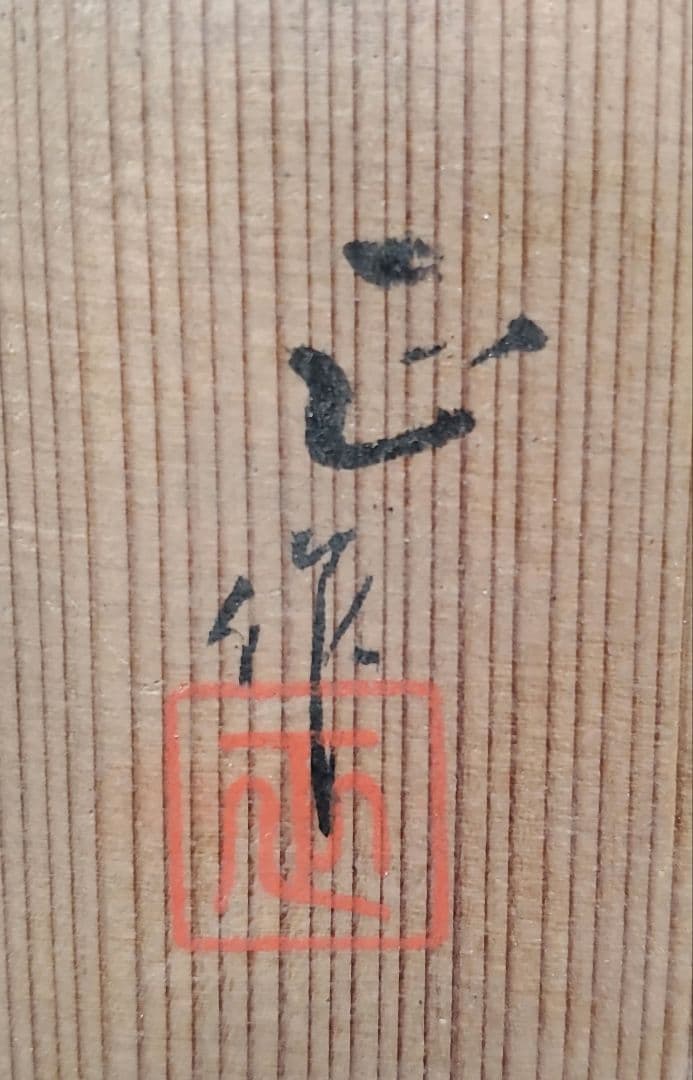
• Box: Signed tomobako (共箱) inscribed "窯変釉 茶碗 正"
• Condition: Excellent — pale blue tints and amber streaks are natural yohen effects
━━━━━━━━━━━━━━━━━━━━
🔹 [ CULTURAL & ARTISTIC INSIGHT ]
Yohen (窯変) — literally "kiln transformation" — describes the unpredictable effects that occur when clay and glaze are subjected to the extreme variables of fire, atmosphere, and time inside the kiln. No two yohen results are identical, and the most celebrated yohen pieces in history — including the three National Treasure yohen tenmoku bowls — are prized precisely because their beauty could never be replicated. Every yohen bowl is a collaboration between the potter's intention and the kiln's autonomy.
Shimizu Masa's chawan captures this principle in a restrained, contemplative register. The cylindrical form — unusual for tea bowls — rises with quiet verticality, its white-cream surface interrupted by streaks of amber and brown where the kiln's atmosphere shifted during firing. Faint pale blue tints appear where the glaze responded to subtle reductions in oxygen, creating an ethereal quality that changes under different lighting. The interior reveals concentric spiral marks from the wheel, preserved beneath the glaze as a record of the bowl's formation.
*"The kiln does not obey. It collaborates — and what emerges belongs to neither fire nor potter alone."*
━━━━━━━━━━━━━━━━━━━━
🔹 [ DEEP-DIVE COMMENTARY ]
**Understanding Yohen**: The term yohen covers a wide spectrum of kiln effects, from dramatic color transformations to subtle atmospheric marks. In Japanese ceramic culture, yohen is revered because it represents the moment where human control ends and natural forces begin. The potter prepares the conditions — clay body, glaze chemistry, firing schedule — but the final result is determined by variables no craftsman can fully predict: air currents, flame patterns, ash deposits, temperature gradients within the kiln chamber.
**The Cylindrical Form**: This bowl's straight-sided cylindrical shape (tsutsu-gata) is a distinctive choice that emphasizes the vertical surface as a canvas for the yohen effects. Unlike wider, flatter bowls that spread decoration horizontally, the cylinder concentrates the eye, turning the bowl into a column of light and color. In tea practice, the tsutsu form also changes how the hands hold the bowl and how the lips meet the rim — a different physical relationship from the typical rounded chawan.
**Color as Process**: The cream-white base, amber streaks, and pale blue tints on this bowl are not applied — they are consequences of the firing process itself. The cream comes from the base glaze composition; the amber from iron migration at high temperatures; the blue from localized reduction (oxygen deprivation) creating a different iron oxidation state. Each color is evidence of a specific physical-chemical event inside the kiln, making the bowl a document of its own creation.
**Collector Significance**: Yohen pieces hold a unique position in ceramic collecting because each is genuinely unrepeatable. While a potter can reproduce forms, glazes, and techniques, the specific combination of kiln variables that produced this particular arrangement of color and pattern will never recur. The artist's carved signature "正" on the foot confirms authorship, while the box inscription specifying "窯変釉" acknowledges the kiln as co-author.
━━━━━━━━━━━━━━━━━━━━
🔹 [ 日本語解説 ]
【基本情報】
• 作家:清水正
• 技法:窯変釉
• 時代:現代(平成〜令和)
• 産地:日本
• 寸法:口径約12cm、高さ約8cm
• 付属:共箱(「窯変釉 茶碗 正」箱書)
• 状態:良好(淡青色や琥珀色は自然な窯変効果)
【解説】
窯変(ようへん)とは、窯の中で起こる予測不可能な変化によって生まれる景色のことです。炎の流れ、酸素濃度、温度勾配——陶工がすべてを制御することはできず、最終的な仕上がりは窯と作り手の共作となります。国宝に指定されている曜変天目茶碗三碗が示すように、二度と同じ景色は生まれません。
清水正の本作は筒型の茶碗で、白磁に近い乳白色の地に琥珀色の流れと淡い青みが交差しています。直線的な形状が窯変の色彩を際立たせ、内側には轆轤の同心円紋が釉下に残されています。箱書きに「窯変釉」と明記されているのは、窯という共同制作者への敬意の表れでもあります。一点として同じものが存在しない、唯一無二の景色をお楽しみください。
━━━━━━━━━━━━━━━━━━━━
🔹 [ SHIPPING & PACKAGING ]
• Dispatch: Within 1-6 business days
• Carrier: Japan Post EMS / UPS (with tracking)
• Packaging: Carefully wrapped with protective materials
*The potter signs the foot. The kiln signs the surface. Both signatures are present.*
━━━━━━━━━━━━━━━━━━━━
🔹 [ BASIC DETAILS ]
• Artist: Shimizu Masa (清水正)
• Technique: Yohen-yu (窯変釉) — kiln transformation glaze
• Era: Contemporary (Heisei–Reiwa period)
• Origin: Japan
• Dimensions: Diameter approx. 12 cm, Height approx. 8 cm
• Box: Signed tomobako (共箱) inscribed "窯変釉 茶碗 正"
• Condition: Excellent — pale blue tints and amber streaks are natural yohen effects
━━━━━━━━━━━━━━━━━━━━
🔹 [ CULTURAL & ARTISTIC INSIGHT ]
Yohen (窯変) — literally "kiln transformation" — describes the unpredictable effects that occur when clay and glaze are subjected to the extreme variables of fire, atmosphere, and time inside the kiln. No two yohen results are identical, and the most celebrated yohen pieces in history — including the three National Treasure yohen tenmoku bowls — are prized precisely because their beauty could never be replicated. Every yohen bowl is a collaboration between the potter's intention and the kiln's autonomy.
Shimizu Masa's chawan captures this principle in a restrained, contemplative register. The cylindrical form — unusual for tea bowls — rises with quiet verticality, its white-cream surface interrupted by streaks of amber and brown where the kiln's atmosphere shifted during firing. Faint pale blue tints appear where the glaze responded to subtle reductions in oxygen, creating an ethereal quality that changes under different lighting. The interior reveals concentric spiral marks from the wheel, preserved beneath the glaze as a record of the bowl's formation.
*"The kiln does not obey. It collaborates — and what emerges belongs to neither fire nor potter alone."*
━━━━━━━━━━━━━━━━━━━━
🔹 [ DEEP-DIVE COMMENTARY ]
**Understanding Yohen**: The term yohen covers a wide spectrum of kiln effects, from dramatic color transformations to subtle atmospheric marks. In Japanese ceramic culture, yohen is revered because it represents the moment where human control ends and natural forces begin. The potter prepares the conditions — clay body, glaze chemistry, firing schedule — but the final result is determined by variables no craftsman can fully predict: air currents, flame patterns, ash deposits, temperature gradients within the kiln chamber.
**The Cylindrical Form**: This bowl's straight-sided cylindrical shape (tsutsu-gata) is a distinctive choice that emphasizes the vertical surface as a canvas for the yohen effects. Unlike wider, flatter bowls that spread decoration horizontally, the cylinder concentrates the eye, turning the bowl into a column of light and color. In tea practice, the tsutsu form also changes how the hands hold the bowl and how the lips meet the rim — a different physical relationship from the typical rounded chawan.
**Color as Process**: The cream-white base, amber streaks, and pale blue tints on this bowl are not applied — they are consequences of the firing process itself. The cream comes from the base glaze composition; the amber from iron migration at high temperatures; the blue from localized reduction (oxygen deprivation) creating a different iron oxidation state. Each color is evidence of a specific physical-chemical event inside the kiln, making the bowl a document of its own creation.
**Collector Significance**: Yohen pieces hold a unique position in ceramic collecting because each is genuinely unrepeatable. While a potter can reproduce forms, glazes, and techniques, the specific combination of kiln variables that produced this particular arrangement of color and pattern will never recur. The artist's carved signature "正" on the foot confirms authorship, while the box inscription specifying "窯変釉" acknowledges the kiln as co-author.
━━━━━━━━━━━━━━━━━━━━
🔹 [ 日本語解説 ]
【基本情報】
• 作家:清水正
• 技法:窯変釉
• 時代:現代(平成〜令和)
• 産地:日本
• 寸法:口径約12cm、高さ約8cm
• 付属:共箱(「窯変釉 茶碗 正」箱書)
• 状態:良好(淡青色や琥珀色は自然な窯変効果)
【解説】
窯変(ようへん)とは、窯の中で起こる予測不可能な変化によって生まれる景色のことです。炎の流れ、酸素濃度、温度勾配——陶工がすべてを制御することはできず、最終的な仕上がりは窯と作り手の共作となります。国宝に指定されている曜変天目茶碗三碗が示すように、二度と同じ景色は生まれません。
清水正の本作は筒型の茶碗で、白磁に近い乳白色の地に琥珀色の流れと淡い青みが交差しています。直線的な形状が窯変の色彩を際立たせ、内側には轆轤の同心円紋が釉下に残されています。箱書きに「窯変釉」と明記されているのは、窯という共同制作者への敬意の表れでもあります。一点として同じものが存在しない、唯一無二の景色をお楽しみください。
━━━━━━━━━━━━━━━━━━━━
🔹 [ SHIPPING & PACKAGING ]
• Dispatch: Within 1-6 business days
• Carrier: Japan Post EMS / UPS (with tracking)
• Packaging: Carefully wrapped with protective materials
*The potter signs the foot. The kiln signs the surface. Both signatures are present.*
Quantity
Couldn't load pickup availability
Low stock: 1 left
View full details