1
/
of
14
Yasuda Tatsuhiko Bizen Tea Bowl Hidasuki Chawan Ichiyo Kiln Kurashiki
Yasuda Tatsuhiko Bizen Tea Bowl Hidasuki Chawan Ichiyo Kiln Kurashiki
Regular price
Dhs. 497.00 AED
Regular price
Sale price
Dhs. 497.00 AED
Taxes included.
Shipping calculated at checkout.
A Bizen tea bowl by Yasuda Tatsuhiko of the Ichiyo kiln in Kurashiki, Okayama. Diagonal hidasuki lines — orange-brown traces left by rice straw burned away in the wood kiln — cross the pale grey unglazed body with the quiet inevitability of paths through a field. No glaze. No decoration. Only clay, fire, and the straw's memory.
━━━━━━━━━━━━━━━━━━━━
🔹 [ BASIC DETAILS ]
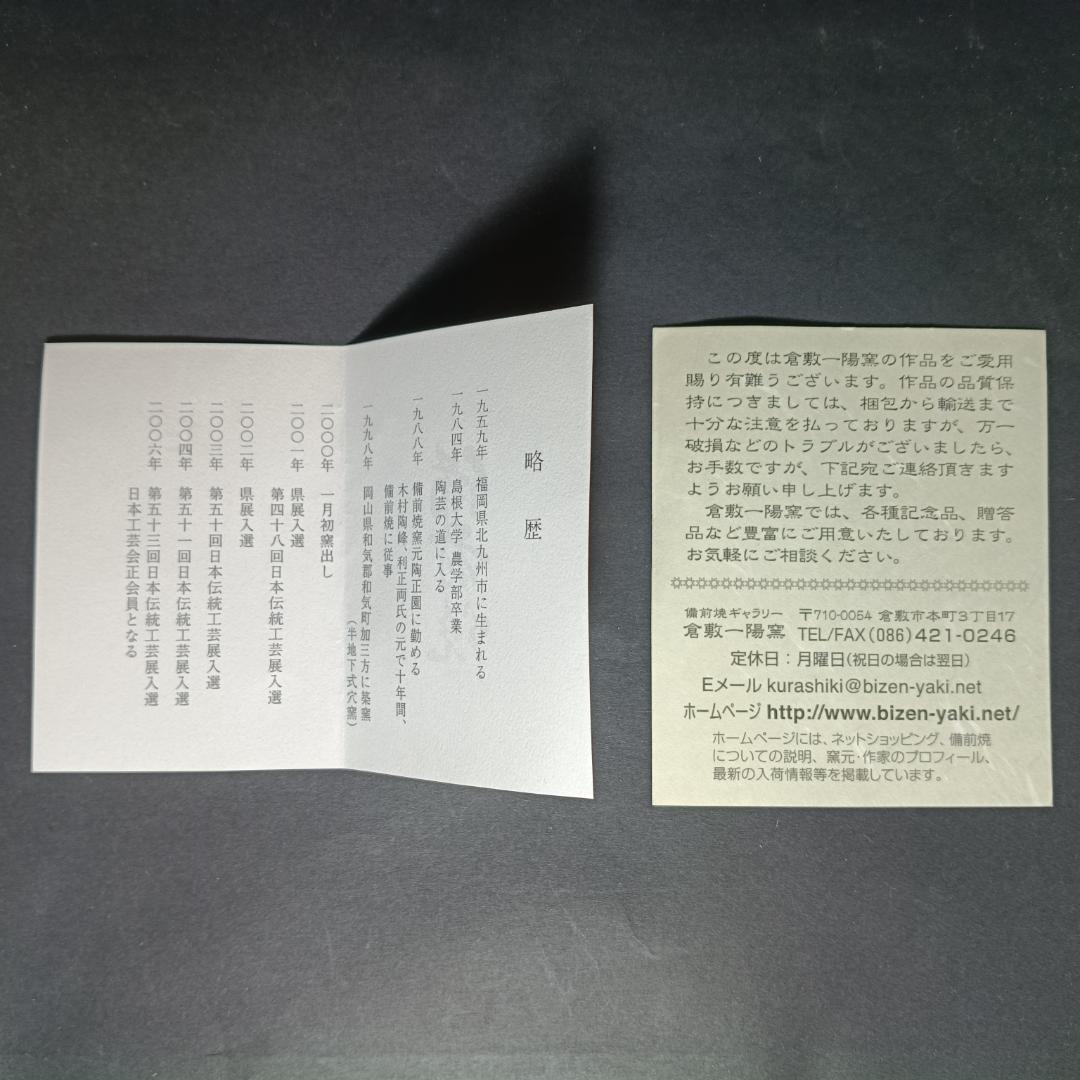
• Artist: Yasuda Tatsuhiko (安田龍彦)
• Kiln: Ichiyo kiln (一陽窯), Kurashiki, Okayama Prefecture
• Technique: Hidasuki (緋襷) — rice straw wrapping, wood-fired
• Era: Heisei period
• Origin: Bizen, Okayama, Japan
• Dimensions: 12.5 cm × 7.5 cm (4.9" dia × 3.0" h)
• Box: Tomobako (inscribed "備前 茶盌 龍彦" with red seal)
• Condition: New / unused — long-term home storage; no chips, cracks, or repairs
━━━━━━━━━━━━━━━━━━━━
🔹 [ CULTURAL & ARTISTIC INSIGHT ]
Bizen is the most elemental of Japan's Six Ancient Kilns. No glaze is applied. No pigment is used. The finished surface is entirely a dialogue between clay and kiln atmosphere — a record of placement, temperature, ash fall, and the slow passage of days inside the firing chamber. Among the effects that emerge from this process, hidasuki holds a particular place in the imagination of tea practitioners: the warm orange-brown lines are not painted but born, created when rice straw wrapped around the piece combusts and leaves its mineral signature fused into the clay body.
Yasuda Tatsuhiko works from the Ichiyo kiln in Kurashiki, within the broader Bizen ceramic region. His approach to the chawan form demonstrates the discipline that Bizen demands — the potter shapes the vessel, selects the straw placement, and chooses the position within the kiln, but the final surface belongs to the fire. The hidasuki lines on this bowl cross the body in confident diagonals, their warmth set against the cool grey of the unglazed stoneware. The contrast is not designed so much as allowed to occur.
The form itself carries quiet authority. The gentle taper toward the foot, the subtle irregularity of the rim, and the balanced weight in the hand all speak to a maker who understands that a tea bowl is held before it is seen. The interior is clean and unadorned — a still surface waiting for the green of matcha to complete the composition.
*"The straw burns away. Its intention remains."*
━━━━━━━━━━━━━━━━━━━━
🔹 [ DEEP-DIVE COMMENTARY ]
**Bizen and the Six Ancient Kilns**: Bizen ware has been produced continuously for over 800 years, making it one of the longest unbroken ceramic traditions in Japan. Unlike Seto, Mino, or other kiln centers that adopted glazing techniques from the continent, Bizen remained committed to unglazed, wood-fired stoneware. This is not conservatism but conviction — the belief that the kiln itself is the artist's collaborator, and that the most profound surfaces emerge from restraint rather than intervention.
**Hidasuki Formation**: The process is deceptively simple. Rice straw is wrapped around the raw clay body before it enters the kiln. During the long firing — typically ten to fourteen days — the straw combusts, and the iron and silica in its ash react with the clay surface to produce the characteristic orange-brown lines. The placement of the straw determines the pattern, but the intensity, color, and definition of each line are governed by kiln conditions beyond the potter's direct control. The result is a surface that exists between intention and surrender.
**The Ichiyo Kiln**: Kurashiki sits within the historical Bizen production region of Okayama Prefecture. The Ichiyo kiln maintains the tradition of long wood firings using red pine, the fuel that gives Bizen its distinctive atmosphere. Each firing is an event — consuming enormous quantities of wood over nearly two weeks, with potters maintaining the kiln around the clock. The investment of time and material in every piece is inseparable from its presence.
**Chawan as Encounter**: In the tea room, a Bizen chawan occupies a specific aesthetic position. Its unglazed surface absorbs and softens light rather than reflecting it. Matcha appears more vivid against the matte clay. The bowl warms slowly in the hands. These are not incidental qualities but reasons why Bizen has been sought by tea masters since the Momoyama period, when Furuta Oribe and Sen no Rikyu championed the quiet power of unadorned stoneware.
━━━━━━━━━━━━━━━━━━━━
🔹 [ 日本語解説 ]
【基本情報】
• 作家:安田龍彦
• 窯元:一陽窯(倉敷市)
• 技法:緋襷(藁巻き窯変)
• 時代:平成期
• 産地:岡山県・備前
• 寸法:口径12.5cm × 高さ7.5cm
• 付属:共箱(「備前 茶盌 龍彦」銘・朱印あり)
• 状態:新品未使用・自宅長期保管品 — 傷・ヒビ・直しなし
【解説】
倉敷の一陽窯・安田龍彦による備前焼茶碗。淡い灰色の無釉薬の肌に、緋襷の橙褐色の線が斜めに走る。藁を巻きつけて窯に入れ、火の中で藁が燃え尽きた後に残る鉄分が砂地と反応して生まれる文様である。
備前焼は日本六古窯のひとつであり、800年以上の連続した作陶の歴史を持つ。釉薬も絵付けも施さない——土と火だけの対話から生まれる表情が、この窯の本質である。緋襷はその対話の中でも最も詩的な結果のひとつといえる。
手に取ると、穏やかな口縁の起伏と、煎じるような無釉の肌触りが伝わってくる。抹茶を点てれば、灰色の肌に緑が映え、緋襷の橙褐色とあいまって、静かな色の対話が生まれる。新品未使用のまま保管されてきた本作は、これから使い手の手によって育てられてゆく。
━━━━━━━━━━━━━━━━━━━━
🔹 [ SHIPPING & PACKAGING ]
• Dispatch: Within 1-6 business days
• Carrier: Japan Post EMS / UPS (with tracking)
• Packaging: Carefully wrapped with protective materials
*Where the straw once lay, the fire wrote its name.*
━━━━━━━━━━━━━━━━━━━━
🔹 [ BASIC DETAILS ]
• Artist: Yasuda Tatsuhiko (安田龍彦)
• Kiln: Ichiyo kiln (一陽窯), Kurashiki, Okayama Prefecture
• Technique: Hidasuki (緋襷) — rice straw wrapping, wood-fired
• Era: Heisei period
• Origin: Bizen, Okayama, Japan
• Dimensions: 12.5 cm × 7.5 cm (4.9" dia × 3.0" h)
• Box: Tomobako (inscribed "備前 茶盌 龍彦" with red seal)
• Condition: New / unused — long-term home storage; no chips, cracks, or repairs
━━━━━━━━━━━━━━━━━━━━
🔹 [ CULTURAL & ARTISTIC INSIGHT ]
Bizen is the most elemental of Japan's Six Ancient Kilns. No glaze is applied. No pigment is used. The finished surface is entirely a dialogue between clay and kiln atmosphere — a record of placement, temperature, ash fall, and the slow passage of days inside the firing chamber. Among the effects that emerge from this process, hidasuki holds a particular place in the imagination of tea practitioners: the warm orange-brown lines are not painted but born, created when rice straw wrapped around the piece combusts and leaves its mineral signature fused into the clay body.
Yasuda Tatsuhiko works from the Ichiyo kiln in Kurashiki, within the broader Bizen ceramic region. His approach to the chawan form demonstrates the discipline that Bizen demands — the potter shapes the vessel, selects the straw placement, and chooses the position within the kiln, but the final surface belongs to the fire. The hidasuki lines on this bowl cross the body in confident diagonals, their warmth set against the cool grey of the unglazed stoneware. The contrast is not designed so much as allowed to occur.
The form itself carries quiet authority. The gentle taper toward the foot, the subtle irregularity of the rim, and the balanced weight in the hand all speak to a maker who understands that a tea bowl is held before it is seen. The interior is clean and unadorned — a still surface waiting for the green of matcha to complete the composition.
*"The straw burns away. Its intention remains."*
━━━━━━━━━━━━━━━━━━━━
🔹 [ DEEP-DIVE COMMENTARY ]
**Bizen and the Six Ancient Kilns**: Bizen ware has been produced continuously for over 800 years, making it one of the longest unbroken ceramic traditions in Japan. Unlike Seto, Mino, or other kiln centers that adopted glazing techniques from the continent, Bizen remained committed to unglazed, wood-fired stoneware. This is not conservatism but conviction — the belief that the kiln itself is the artist's collaborator, and that the most profound surfaces emerge from restraint rather than intervention.
**Hidasuki Formation**: The process is deceptively simple. Rice straw is wrapped around the raw clay body before it enters the kiln. During the long firing — typically ten to fourteen days — the straw combusts, and the iron and silica in its ash react with the clay surface to produce the characteristic orange-brown lines. The placement of the straw determines the pattern, but the intensity, color, and definition of each line are governed by kiln conditions beyond the potter's direct control. The result is a surface that exists between intention and surrender.
**The Ichiyo Kiln**: Kurashiki sits within the historical Bizen production region of Okayama Prefecture. The Ichiyo kiln maintains the tradition of long wood firings using red pine, the fuel that gives Bizen its distinctive atmosphere. Each firing is an event — consuming enormous quantities of wood over nearly two weeks, with potters maintaining the kiln around the clock. The investment of time and material in every piece is inseparable from its presence.
**Chawan as Encounter**: In the tea room, a Bizen chawan occupies a specific aesthetic position. Its unglazed surface absorbs and softens light rather than reflecting it. Matcha appears more vivid against the matte clay. The bowl warms slowly in the hands. These are not incidental qualities but reasons why Bizen has been sought by tea masters since the Momoyama period, when Furuta Oribe and Sen no Rikyu championed the quiet power of unadorned stoneware.
━━━━━━━━━━━━━━━━━━━━
🔹 [ 日本語解説 ]
【基本情報】
• 作家:安田龍彦
• 窯元:一陽窯(倉敷市)
• 技法:緋襷(藁巻き窯変)
• 時代:平成期
• 産地:岡山県・備前
• 寸法:口径12.5cm × 高さ7.5cm
• 付属:共箱(「備前 茶盌 龍彦」銘・朱印あり)
• 状態:新品未使用・自宅長期保管品 — 傷・ヒビ・直しなし
【解説】
倉敷の一陽窯・安田龍彦による備前焼茶碗。淡い灰色の無釉薬の肌に、緋襷の橙褐色の線が斜めに走る。藁を巻きつけて窯に入れ、火の中で藁が燃え尽きた後に残る鉄分が砂地と反応して生まれる文様である。
備前焼は日本六古窯のひとつであり、800年以上の連続した作陶の歴史を持つ。釉薬も絵付けも施さない——土と火だけの対話から生まれる表情が、この窯の本質である。緋襷はその対話の中でも最も詩的な結果のひとつといえる。
手に取ると、穏やかな口縁の起伏と、煎じるような無釉の肌触りが伝わってくる。抹茶を点てれば、灰色の肌に緑が映え、緋襷の橙褐色とあいまって、静かな色の対話が生まれる。新品未使用のまま保管されてきた本作は、これから使い手の手によって育てられてゆく。
━━━━━━━━━━━━━━━━━━━━
🔹 [ SHIPPING & PACKAGING ]
• Dispatch: Within 1-6 business days
• Carrier: Japan Post EMS / UPS (with tracking)
• Packaging: Carefully wrapped with protective materials
*Where the straw once lay, the fire wrote its name.*
Quantity
Couldn't load pickup availability
Low stock: 1 left
View full details