1
/
of
6
Yashima-yaki Matcha Bowl — Iron Red & Layered Green Glaze, Sanuki Kiln, Japan
Yashima-yaki Matcha Bowl — Iron Red & Layered Green Glaze, Sanuki Kiln, Japan
Regular price
Dhs. 711.00 AED
Regular price
Sale price
Dhs. 711.00 AED
Taxes included.
Shipping calculated at checkout.
Three glazes entered the kiln. What emerged was not a mixture but a conversation — iron red holding the body, moss green descending from the rim, traces of yellow-gold caught between them like light on an autumn hillside. This is a Yashima-yaki chawan from Kagawa Prefecture, shaped with quiet confidence and fired until the surface carries its own weather.
The form is grounded and assured — a wide, stable footing, walls that rise with slight inward tension, a rim that sits level and invites the hand. Nothing announces itself. The glaze does the speaking.
🔹 [ BASIC DETAILS ]
• Kiln: Yashima-yaki (屋島焼), Kagawa Prefecture, Shikoku, Japan
• Type: Chawan (matcha bowl)
• Dimensions: Diameter approx. 11 cm / Height approx. 8.2 cm
• Condition: No cracks, no chips — clean and sound throughout
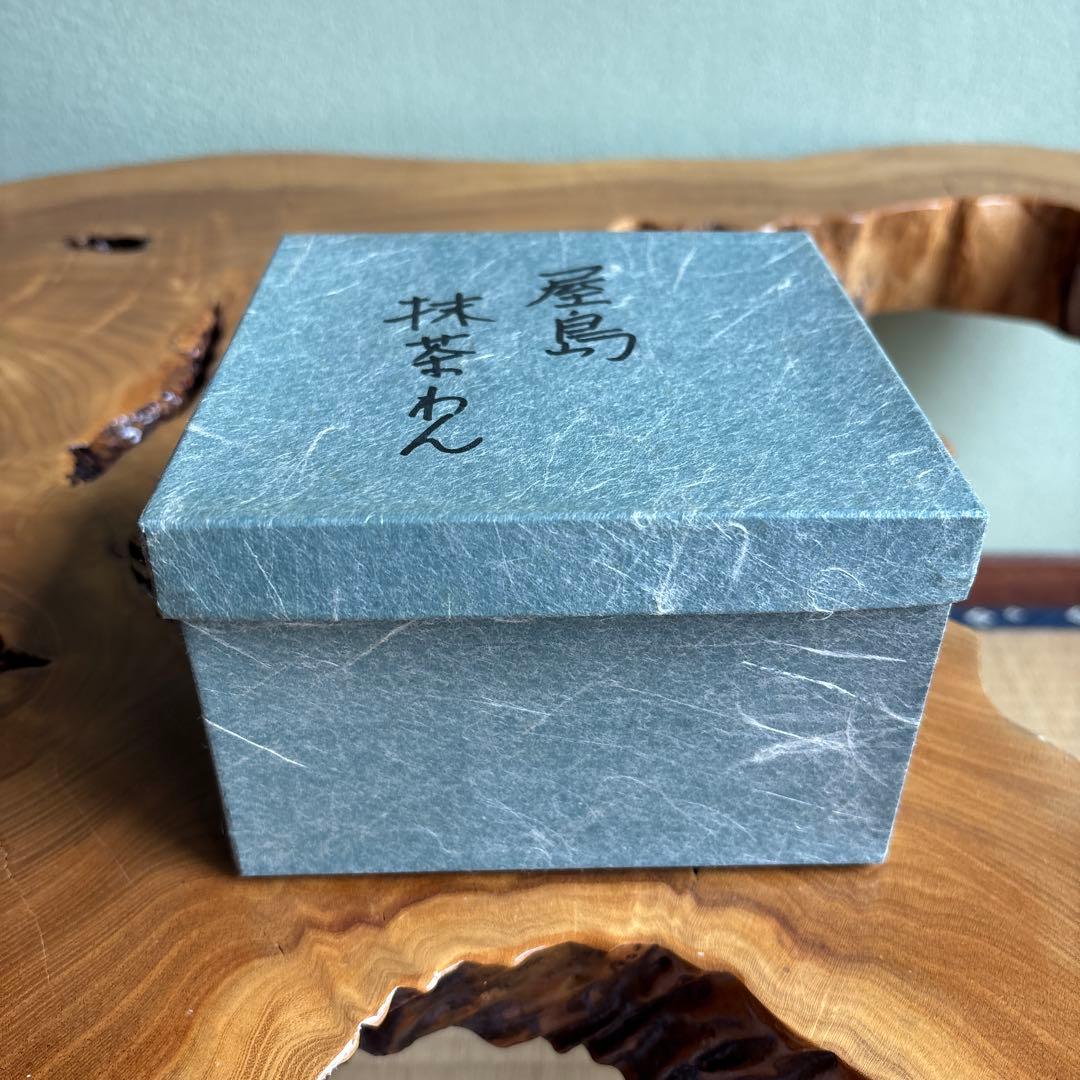
• Storage: Paper box (included)
• Weight: Suitable for daily or ceremonial use
• Origin: Japan (Sanuki region, Kagawa)
🔹 [ CULTURAL & ARTISTIC INSIGHT ]
Yashima-yaki takes its name from Yashima, the storied plateau north of Takamatsu that juts into the Seto Inland Sea — a place remembered for both the Genpei War of the twelfth century and the long view it offers over still water. The kilns that developed here worked with the mineral richness of Sanuki soil and an accumulated knowledge of layered glazing that distinguishes the tradition from mainland Japanese ceramics.
The defining characteristic of Yashima-yaki is its multi-glaze approach: iron-bearing base glazes are overlaid with copper green or ash-derived yellows, then subjected to a single high-temperature firing that allows the layers to interact chemically. The result is never quite predictable — each piece records the specific temperature curve, atmospheric conditions, and glaze-flow of that firing alone. This particular bowl shows exactly that dynamic: the deep red of the iron glaze dominates the lower body, while a band of green descends unevenly from the rim, and flecks of crystalline white appear where mineral compounds in the glaze reached their saturation point and precipitated outward.
The interior tells a different story — dark, near-black at the base, the surface carrying a low gloss that deepens as the bowl warms in the hands. The contrast between the turbulent exterior and the still interior is not accidental. It is part of how this tradition has understood the relationship between outer expression and inner holding.
🔹 [ DEEP-DIVE COMMENTARY ]
In Japanese ceramic practice, a bowl without a named maker is not necessarily a lesser object. The anonymous tradition — kilns producing honest, functional ware without the weight of individual reputation — gave rise to some of the most direct, uncontrived pieces in the history of chawan. This Yashima-yaki bowl belongs to that lineage: it was made to hold tea, to be held by hands, to be washed and used and lived with.
The white exposed clay at the foot (kodai) is worth noting. Unlike the heavily iron-bearing clays of Bizen or the sandy grays of Hagi, the Sanuki body has a lighter, denser quality — closer to a stoneware that approaches porcelain in refinement. This density gives the bowl a clean ring when tapped lightly, and a weight in the hand that feels deliberate rather than heavy. The foot itself is compact and neatly trimmed, the base slightly concave — a detail that stabilizes the bowl on an uneven surface and reflects an understanding of function that goes beyond visual design.
The irregular surface texture of the glaze — where iron crystals caught the light and where the green copper ran thin — creates a viewing surface that changes with the angle of observation and the quality of light. In a tea room with soft, indirect illumination, the bowl would settle into quiet. In direct sunlight, the crystalline flecks catch and hold the eye. Both readings are present simultaneously in the fired surface.
This is a bowl that does not ask for appreciation. It waits.
🔹 [ 日本語解説 ]
屋島焼の抹茶碗です。香川県高松市屋島の地名を冠するこの窯では、讃岐の土と複層釉の技法を組み合わせた独自の焼き物が作られてきました。
本作は鉄釉による深い赤褐色を主調とし、口縁から緑釉が不規則に流れ下る景色が印象的です。随所に現れる白い結晶状の析出は、焼成過程での釉薬の化学変化によるもので、同じものが二つと生まれない窯変の妙を示しています。内側は黒褐色の静かな佇まいで、外面の豊かな表情との対比が茶碗としての奥行きを生んでいます。高台は白い素地が露出した清潔な作りで、讃岐の土の質感を直接感じることができます。ヒビ・カケなし、コンディション良好。紙箱入り。
🔹 [ SHIPPING & PACKAGING ]
• Dispatch: Within 1-6 business days
• Carrier: Japan Post EMS / UPS (with tracking)
• Packaging: Carefully wrapped with protective materials
The form is grounded and assured — a wide, stable footing, walls that rise with slight inward tension, a rim that sits level and invites the hand. Nothing announces itself. The glaze does the speaking.
🔹 [ BASIC DETAILS ]
• Kiln: Yashima-yaki (屋島焼), Kagawa Prefecture, Shikoku, Japan
• Type: Chawan (matcha bowl)
• Dimensions: Diameter approx. 11 cm / Height approx. 8.2 cm
• Condition: No cracks, no chips — clean and sound throughout
• Storage: Paper box (included)
• Weight: Suitable for daily or ceremonial use
• Origin: Japan (Sanuki region, Kagawa)
🔹 [ CULTURAL & ARTISTIC INSIGHT ]
Yashima-yaki takes its name from Yashima, the storied plateau north of Takamatsu that juts into the Seto Inland Sea — a place remembered for both the Genpei War of the twelfth century and the long view it offers over still water. The kilns that developed here worked with the mineral richness of Sanuki soil and an accumulated knowledge of layered glazing that distinguishes the tradition from mainland Japanese ceramics.
The defining characteristic of Yashima-yaki is its multi-glaze approach: iron-bearing base glazes are overlaid with copper green or ash-derived yellows, then subjected to a single high-temperature firing that allows the layers to interact chemically. The result is never quite predictable — each piece records the specific temperature curve, atmospheric conditions, and glaze-flow of that firing alone. This particular bowl shows exactly that dynamic: the deep red of the iron glaze dominates the lower body, while a band of green descends unevenly from the rim, and flecks of crystalline white appear where mineral compounds in the glaze reached their saturation point and precipitated outward.
The interior tells a different story — dark, near-black at the base, the surface carrying a low gloss that deepens as the bowl warms in the hands. The contrast between the turbulent exterior and the still interior is not accidental. It is part of how this tradition has understood the relationship between outer expression and inner holding.
🔹 [ DEEP-DIVE COMMENTARY ]
In Japanese ceramic practice, a bowl without a named maker is not necessarily a lesser object. The anonymous tradition — kilns producing honest, functional ware without the weight of individual reputation — gave rise to some of the most direct, uncontrived pieces in the history of chawan. This Yashima-yaki bowl belongs to that lineage: it was made to hold tea, to be held by hands, to be washed and used and lived with.
The white exposed clay at the foot (kodai) is worth noting. Unlike the heavily iron-bearing clays of Bizen or the sandy grays of Hagi, the Sanuki body has a lighter, denser quality — closer to a stoneware that approaches porcelain in refinement. This density gives the bowl a clean ring when tapped lightly, and a weight in the hand that feels deliberate rather than heavy. The foot itself is compact and neatly trimmed, the base slightly concave — a detail that stabilizes the bowl on an uneven surface and reflects an understanding of function that goes beyond visual design.
The irregular surface texture of the glaze — where iron crystals caught the light and where the green copper ran thin — creates a viewing surface that changes with the angle of observation and the quality of light. In a tea room with soft, indirect illumination, the bowl would settle into quiet. In direct sunlight, the crystalline flecks catch and hold the eye. Both readings are present simultaneously in the fired surface.
This is a bowl that does not ask for appreciation. It waits.
🔹 [ 日本語解説 ]
屋島焼の抹茶碗です。香川県高松市屋島の地名を冠するこの窯では、讃岐の土と複層釉の技法を組み合わせた独自の焼き物が作られてきました。
本作は鉄釉による深い赤褐色を主調とし、口縁から緑釉が不規則に流れ下る景色が印象的です。随所に現れる白い結晶状の析出は、焼成過程での釉薬の化学変化によるもので、同じものが二つと生まれない窯変の妙を示しています。内側は黒褐色の静かな佇まいで、外面の豊かな表情との対比が茶碗としての奥行きを生んでいます。高台は白い素地が露出した清潔な作りで、讃岐の土の質感を直接感じることができます。ヒビ・カケなし、コンディション良好。紙箱入り。
🔹 [ SHIPPING & PACKAGING ]
• Dispatch: Within 1-6 business days
• Carrier: Japan Post EMS / UPS (with tracking)
• Packaging: Carefully wrapped with protective materials
Quantity
Couldn't load pickup availability
Low stock: 1 left
View full details