1
/
of
13
Yamada Kenkichi Hidasuki Tea Bowl — Tokoname Ware Fire-Cord Chawan with Tomobako
Yamada Kenkichi Hidasuki Tea Bowl — Tokoname Ware Fire-Cord Chawan with Tomobako
Regular price
Dhs. 1,099.00 AED
Regular price
Sale price
Dhs. 1,099.00 AED
Taxes included.
Shipping calculated at checkout.
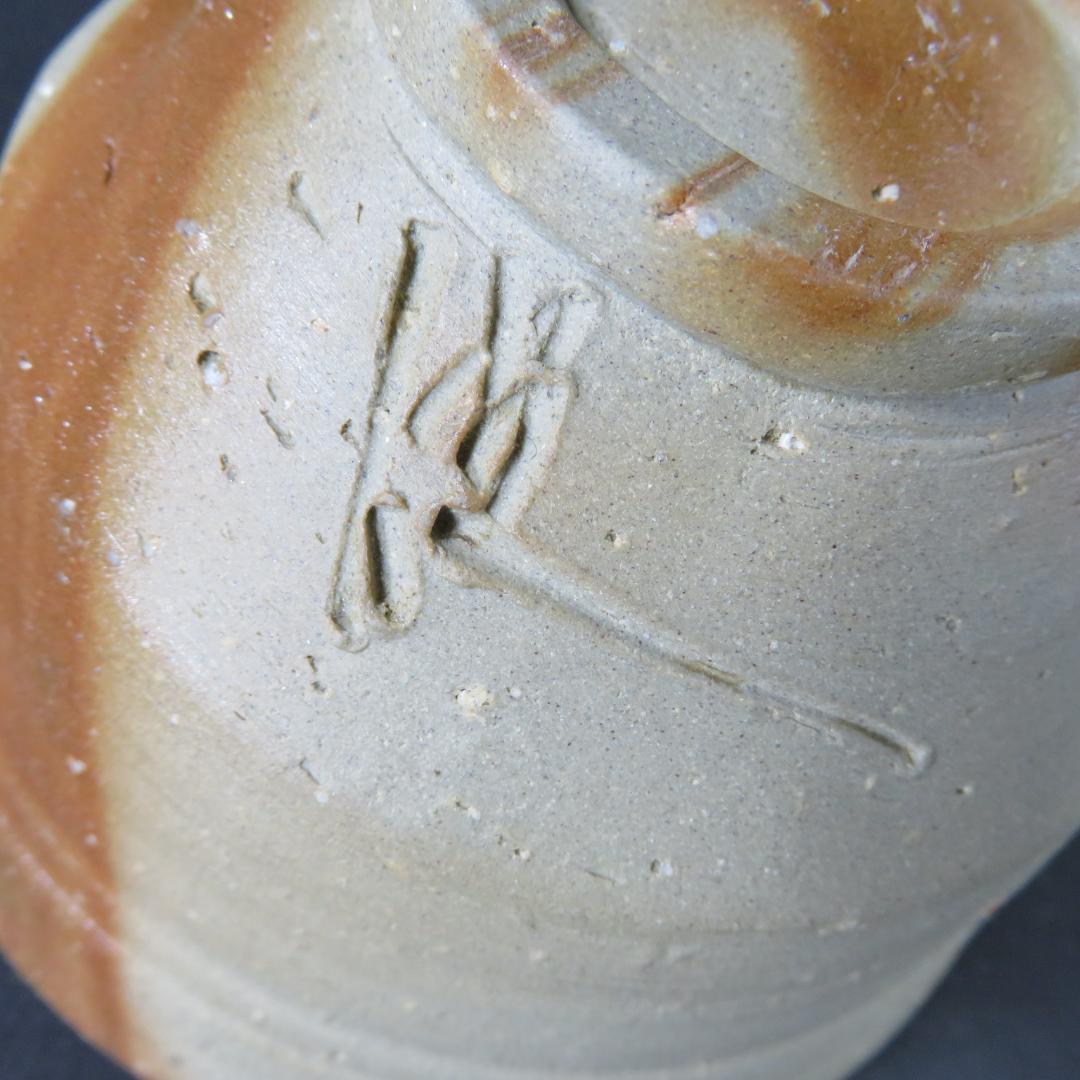
Experience authentic Japanese tea ceramics with this Yamada Kenkichi Hidasuki Tea Bowl. This Tokoname Ware Fire-Cord Chawan serves as a Japanese Stoneware Art Piece and Ancient Kiln Tea Bowl, featuring Dramatic Straw-Burn Markings and Natural Earth Tones—a must-have for any collector seeking Roku Koyo Ceramics and Unglazed Japanese Pottery.
━━━━━━━━━━━━━━━━━━━━
🔹 [ BASIC DETAILS ]
• Artist: Yamada Kenkichi (山田健吉), Tokoname ware
• Technique: Hidasuki (火襷) — straw-wrap firing on unglazed stoneware
• Era: Showa–Heisei period
• Origin: Tokoname, Aichi Prefecture, Japan
• Dimensions: Width approx. 14 cm × Height approx. 9 cm (5.5" × 3.5")
• Box: Tomobako inscribed "火襷 茶盌" signed "健吉" with red seal
• Condition: Excellent — no chips, cracks, or repairs
━━━━━━━━━━━━━━━━━━━━
🔹 [ CULTURAL & ARTISTIC INSIGHT ]
Hidasuki is fire made visible. Before the kiln is loaded, rice straw is wrapped around the unfired vessel — each strand placed with deliberate intention. During firing, the straw burns away entirely, but where it lay, the alkaline ash reacts with the iron content of the clay, leaving behind lines of orange and red that mark the surface like a memory of contact. Nothing is added. Everything is revealed.
Yamada Kenkichi works in Tokoname — one of Japan’s Roku Koyo (Six Ancient Kilns), a designation that places this kiln tradition among the oldest continuously operating ceramic centers in the country. Tokoname’s clay is iron-rich and dense, the same material shaped here since the late Heian period.
This bowl’s conical form — tapering confidently from a wide rim to a compact foot — amplifies the visual drama of the hidasuki markings. Strong throwing lines (rokuro-me) remain clearly visible, evidence of the wheel’s rotation preserved permanently in fired clay.
*"The straw vanished. The fire remembered where it lay."*
━━━━━━━━━━━━━━━━━━━━
🔹 [ DEEP-DIVE COMMENTARY ]
**Tokoname: One of the Six Ancient Kilns**: Tokoname belongs to the Roku Koyo (六古窯) — the six oldest kiln sites in Japan, alongside Seto, Echizen, Shigaraki, Tamba, and Bizen. Archaeological evidence places Tokoname’s ceramic production as far back as the late 12th century, making it a tradition with nearly a millennium of continuity.
**Hidasuki: Chemistry of Absence**: Rice straw contains high levels of potassium and other alkali compounds. When the straw burns against the iron-bearing clay during firing, these alkaline compounds act as a flux, causing the iron in the clay surface to oxidize differently where the straw made contact. The result is a line of vivid orange-red against the more muted grey-beige of the surrounding clay. Each line is unique.
**Yamada Kenkichi’s Craft**: The visible throwing lines on this bowl are not roughness but record — the spiral trace of the clay’s journey from centered lump to finished form. The conical profile requires precise control of wall thickness and clay tension during throwing.
**Unglazed Aesthetics — Material Presence**: In a ceramic tradition where glaze often defines the work, hidasuki makes a statement through its absence. The unglazed surface invites direct contact with the fired clay — a tactile experience that glazed ware cannot offer. This is presence in its most direct form: material meeting hand without intermediary.
━━━━━━━━━━━━━━━━━━━━
🔹 [ 日本語解説 ]
【基本情報】
• 作家:山田健吉
• 技法:火襷(ひだすき)— 藤巻き焼成による無釉陶
• 時代:昭和〜平成
• 産地:愛知県常滑市(常滑焼)
• 寸法:幅約14cm × 高さ約9cm
• 付属:共箱(「火襷 茶盌」の書付、「健吉」署名・朱印)
• 状態:美品
【解説】
火襷は、窯に入れる前に器に藤を巻きつけ、焼成中に藤が燃え尽きた痕跡を景色として残す技法です。藤に含まれるアルカリ成分が、土中の鉄分と反応し、接触した部分にのみ鮮やかな橙赤色の線を生み出します。
常滑は日本六古窯の一つとして、平安末期から約九百年の窯業の歴史を持つ土地です。山田健吉氏の本作は、その常滑の土の力を最大限に引き出した茶碗です。
逆円錐形のフォルムは口縁から高台に向かって力強く絞り込まれ、その傾斜した壁面に火襷の朱線が劇的に走っています。無釉の肌に直接触れる体験——釉薬という仲介者なしに、土と手が出会う——それが火襷茶碗の持つ密度のある静寂です。
━━━━━━━━━━━━━━━━━━━━
🔹 [ SHIPPING & PACKAGING ]
• Dispatch: Within 1-6 business days
• Carrier: Japan Post EMS / UPS (with tracking)
• Packaging: Carefully wrapped with protective materials
*Straw, fire, iron-rich earth — three elements, nine centuries of tradition, one unrepeatable surface.*
━━━━━━━━━━━━━━━━━━━━
🔹 [ BASIC DETAILS ]
• Artist: Yamada Kenkichi (山田健吉), Tokoname ware
• Technique: Hidasuki (火襷) — straw-wrap firing on unglazed stoneware
• Era: Showa–Heisei period
• Origin: Tokoname, Aichi Prefecture, Japan
• Dimensions: Width approx. 14 cm × Height approx. 9 cm (5.5" × 3.5")
• Box: Tomobako inscribed "火襷 茶盌" signed "健吉" with red seal
• Condition: Excellent — no chips, cracks, or repairs
━━━━━━━━━━━━━━━━━━━━
🔹 [ CULTURAL & ARTISTIC INSIGHT ]
Hidasuki is fire made visible. Before the kiln is loaded, rice straw is wrapped around the unfired vessel — each strand placed with deliberate intention. During firing, the straw burns away entirely, but where it lay, the alkaline ash reacts with the iron content of the clay, leaving behind lines of orange and red that mark the surface like a memory of contact. Nothing is added. Everything is revealed.
Yamada Kenkichi works in Tokoname — one of Japan’s Roku Koyo (Six Ancient Kilns), a designation that places this kiln tradition among the oldest continuously operating ceramic centers in the country. Tokoname’s clay is iron-rich and dense, the same material shaped here since the late Heian period.
This bowl’s conical form — tapering confidently from a wide rim to a compact foot — amplifies the visual drama of the hidasuki markings. Strong throwing lines (rokuro-me) remain clearly visible, evidence of the wheel’s rotation preserved permanently in fired clay.
*"The straw vanished. The fire remembered where it lay."*
━━━━━━━━━━━━━━━━━━━━
🔹 [ DEEP-DIVE COMMENTARY ]
**Tokoname: One of the Six Ancient Kilns**: Tokoname belongs to the Roku Koyo (六古窯) — the six oldest kiln sites in Japan, alongside Seto, Echizen, Shigaraki, Tamba, and Bizen. Archaeological evidence places Tokoname’s ceramic production as far back as the late 12th century, making it a tradition with nearly a millennium of continuity.
**Hidasuki: Chemistry of Absence**: Rice straw contains high levels of potassium and other alkali compounds. When the straw burns against the iron-bearing clay during firing, these alkaline compounds act as a flux, causing the iron in the clay surface to oxidize differently where the straw made contact. The result is a line of vivid orange-red against the more muted grey-beige of the surrounding clay. Each line is unique.
**Yamada Kenkichi’s Craft**: The visible throwing lines on this bowl are not roughness but record — the spiral trace of the clay’s journey from centered lump to finished form. The conical profile requires precise control of wall thickness and clay tension during throwing.
**Unglazed Aesthetics — Material Presence**: In a ceramic tradition where glaze often defines the work, hidasuki makes a statement through its absence. The unglazed surface invites direct contact with the fired clay — a tactile experience that glazed ware cannot offer. This is presence in its most direct form: material meeting hand without intermediary.
━━━━━━━━━━━━━━━━━━━━
🔹 [ 日本語解説 ]
【基本情報】
• 作家:山田健吉
• 技法:火襷(ひだすき)— 藤巻き焼成による無釉陶
• 時代:昭和〜平成
• 産地:愛知県常滑市(常滑焼)
• 寸法:幅約14cm × 高さ約9cm
• 付属:共箱(「火襷 茶盌」の書付、「健吉」署名・朱印)
• 状態:美品
【解説】
火襷は、窯に入れる前に器に藤を巻きつけ、焼成中に藤が燃え尽きた痕跡を景色として残す技法です。藤に含まれるアルカリ成分が、土中の鉄分と反応し、接触した部分にのみ鮮やかな橙赤色の線を生み出します。
常滑は日本六古窯の一つとして、平安末期から約九百年の窯業の歴史を持つ土地です。山田健吉氏の本作は、その常滑の土の力を最大限に引き出した茶碗です。
逆円錐形のフォルムは口縁から高台に向かって力強く絞り込まれ、その傾斜した壁面に火襷の朱線が劇的に走っています。無釉の肌に直接触れる体験——釉薬という仲介者なしに、土と手が出会う——それが火襷茶碗の持つ密度のある静寂です。
━━━━━━━━━━━━━━━━━━━━
🔹 [ SHIPPING & PACKAGING ]
• Dispatch: Within 1-6 business days
• Carrier: Japan Post EMS / UPS (with tracking)
• Packaging: Carefully wrapped with protective materials
*Straw, fire, iron-rich earth — three elements, nine centuries of tradition, one unrepeatable surface.*
Quantity
Couldn't load pickup availability
Low stock: 1 left
View full details