1
/
of
9
Yakishime Chawan by Tankyo - Japanese Matcha Bowl with Copper Red Oxblood Glaze and Crimson Interior, Signed Box
Yakishime Chawan by Tankyo - Japanese Matcha Bowl with Copper Red Oxblood Glaze and Crimson Interior, Signed Box
Regular price
Dhs. 629.00 AED
Regular price
Sale price
Dhs. 629.00 AED
Taxes included.
Shipping calculated at checkout.
Experience one of Japanese ceramics' most dramatically beautiful glazes with this Yakishime Tea Bowl by Tankyo (丹鏡造). This handthrown Matcha Bowl serves as a Copper Red Glaze Chawan and Shinsha Ceramic masterpiece, featuring deep crimson oxblood glaze with flowing surface texture—a striking yet meditative piece for any collector drawn to the rare, fire-born beauty of Japanese reduction-fired ceramics.
━━━━━━━━━━━━━━━━━━━━
🔹 [ BASIC DETAILS ]
• Artist: Tankyo (丹鏡造)
• Technique: Yakishime (high-fire unglazed stoneware body) with shinsha (辰砂) copper-red oxide glaze in reduction firing
• Era: Contemporary (Heisei-Reiwa period)
• Origin: Japan
• Dimensions: Diameter approx. 11.7 cm × Height approx. 7.5 cm (4.6" × 3.0")
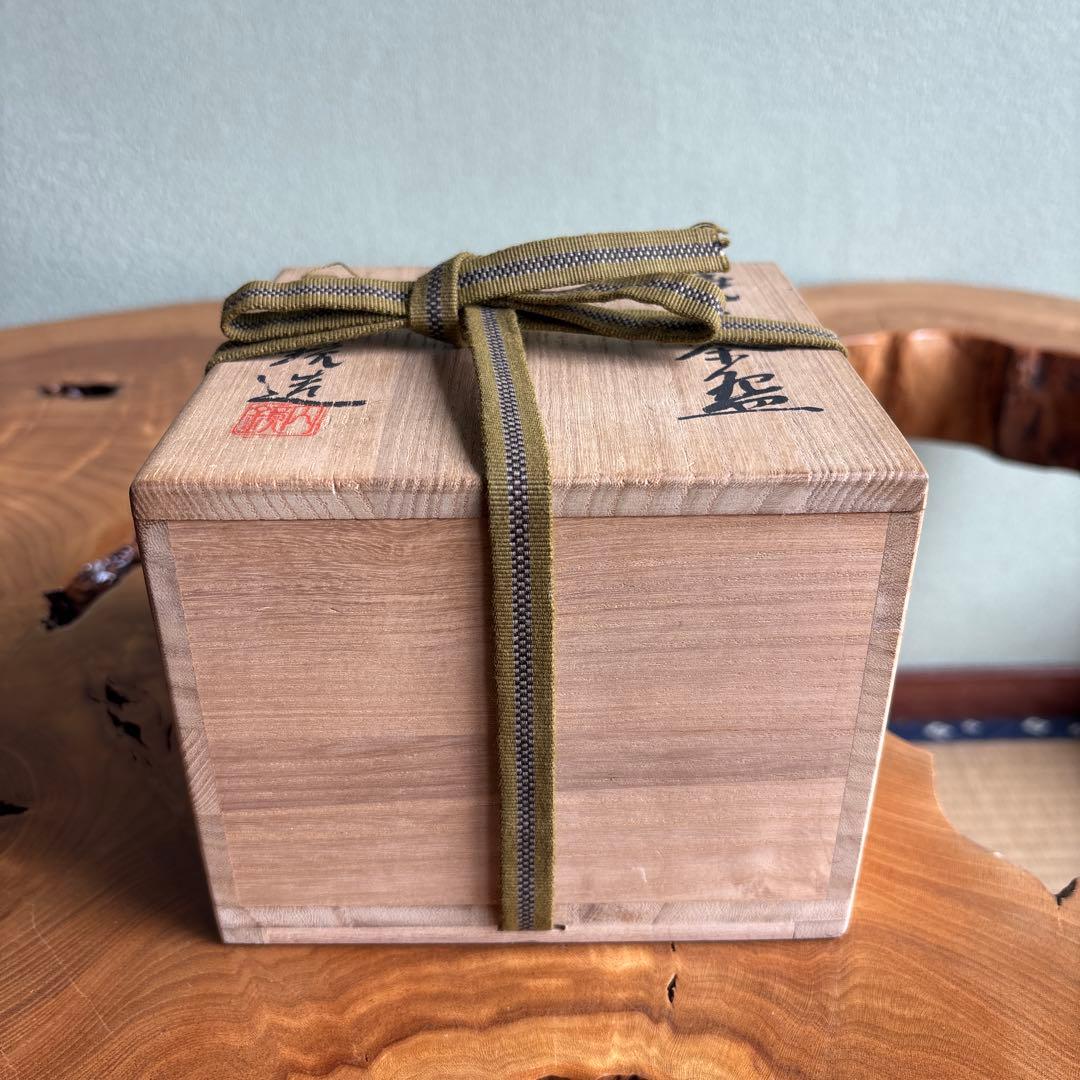
• Box: Tomobako (artist-signed wooden box with red seal)
• Condition: Good – no cracks or chips
━━━━━━━━━━━━━━━━━━━━
🔹 [ CULTURAL & ARTISTIC INSIGHT ]
Shinsha (辰砂), the copper-red glaze, is among the most technically demanding and visually arresting surface treatments in all of East Asian ceramics. The color—a deep, blood-dark crimson that shifts toward purple in shadow and blazes toward bright red at the lightest highlights—is produced by copper oxide in a reduction kiln atmosphere. Oxygen is deliberately starved from the firing chamber, causing copper to yield its red rather than its green. The transformation is both chemical and elemental: fire, deprived of what it needs, producing the most vivid color it knows.
Tankyo's bowl, as the images confirm, achieves shinsha at its most saturated. The exterior carries a deep wine-crimson with slight textural variation—areas of intense glossy red, passages where the glaze has pulled thin to reveal faint brushwork beneath, and a horizontal band near the rim where fired white ash creates a pale aureole against the deep red. The interior is near-black at the center, blossoming toward crimson at the walls—a bowl that in the moment of tea practice becomes a pool of red-tinted darkness, the green of matcha suspended within it like a garden in shadow.
The form itself is confidently square-shouldered: the walls rise vertically before curving slightly inward at the lip, giving the bowl a compact, contained energy. Yakishime high-fire stoneware beneath the glaze provides structural density. This is a bowl with weight and purpose.
*"Red that was not chosen but arrived—copper surrendering to fire what fire required."*
━━━━━━━━━━━━━━━━━━━━
🔹 [ DEEP-DIVE COMMENTARY ]
**Shinsha: The Chemistry of Reduction**: Copper-red glazes require precise reduction firing—an atmosphere in which carbon monoxide within the kiln absorbs oxygen from the copper oxide molecules in the glaze, preventing them from forming the green copper compounds that would result in oxidation firing. The resulting red can range from pale peach to deep oxblood depending on copper concentration, glaze thickness, firing temperature, and atmospheric consistency during cooling. Achieving a deep, saturated shinsha like this is a significant technical accomplishment.
**Yakishime Body and Surface**: The term yakishime (焼〆) denotes a high-temperature firing that densifies the clay body to near-vitrification without the addition of glaze—or in this case, with a glaze applied over a body that has been fired to this density. The result is a bowl of perceptible weight and structural integrity. The copper-red glaze adheres to this dense ground with particular visual intensity because the non-porous surface allows no absorption, so the color sits entirely on the surface, fully visible.
**Red in Japanese Ceramic Tradition**: While wabi aesthetics generally favor earth tones and subdued surfaces, copper-red wares occupy a distinct and honored position in Japanese tea culture. The color evokes autumn maples, embers, lacquer—and in the context of tea, a certain intensification of presence. A red bowl transforms the experience of tea preparation into something more visually concentrated, more aware of color and contrast. This is not decoration; it is atmosphere.
━━━━━━━━━━━━━━━━━━━━
🔹 [ 日本語解説 ]
【基本情報】
• 作家:丹鏡造
• 技法:焼〆茶碗、辰砂釉(銅紅還元焼成)
• 時代:現代(平成〜令和)
• 産地:日本
• 寸法:直径約11.7cm × 高さ約7.5cm
• 付属:共箱(落款・朱印あり)
• 状態:良好(ヒビ・カケなし)
【解説】
辰砂は酸化銅を用い、還元焼成によって深い紅色を生み出す釉薬です。東アジア陶磁史において最も技術的難易度が高く、かつ最も視覚的な衝撃を持つ釉薬のひとつとして古来珍重されてきました。窯の中で酸素が制限された還元雰囲気においてのみ、銅は緑ではなく赤を発色します—火に何かを奪われることで、最も鮮烈な色を解放する逆説です。
本作は丹鏡造による辰砂焼〆茶碗で、外壁は深い葡萄色の紅が全面を覆い、光の当たる部分では明るい赤、影の部分では深い紫へと変化します。口縁近くには焼成時の白い灰の付着が輪状に残り、深紅の地に微かな光輪を描いています。見込みは中央が近黒に近く、そこから壁面にかけて赤が広がる劇的な内景を持ちます—抹茶の緑がそこに注がれる瞬間の対比は、思わず息を呑むような美しさです。
焼〆の素地は高温で緻密に焼き締められており、重厚な存在感があります。辰砂の赤はただの装飾ではなく、茶席の空気そのものを染める色です。共箱は落款・朱印入りで、保存状態は良好です。
━━━━━━━━━━━━━━━━━━━━
🔹 [ SHIPPING & PACKAGING ]
• Dispatch: Within 1-6 business days
• Carrier: Japan Post EMS / UPS (with tracking)
• Packaging: Carefully wrapped with protective materials
*Copper surrendered its color to fire—and what emerged was this: a bowl the color of the last light before dark.*
━━━━━━━━━━━━━━━━━━━━
🔹 [ BASIC DETAILS ]
• Artist: Tankyo (丹鏡造)
• Technique: Yakishime (high-fire unglazed stoneware body) with shinsha (辰砂) copper-red oxide glaze in reduction firing
• Era: Contemporary (Heisei-Reiwa period)
• Origin: Japan
• Dimensions: Diameter approx. 11.7 cm × Height approx. 7.5 cm (4.6" × 3.0")
• Box: Tomobako (artist-signed wooden box with red seal)
• Condition: Good – no cracks or chips
━━━━━━━━━━━━━━━━━━━━
🔹 [ CULTURAL & ARTISTIC INSIGHT ]
Shinsha (辰砂), the copper-red glaze, is among the most technically demanding and visually arresting surface treatments in all of East Asian ceramics. The color—a deep, blood-dark crimson that shifts toward purple in shadow and blazes toward bright red at the lightest highlights—is produced by copper oxide in a reduction kiln atmosphere. Oxygen is deliberately starved from the firing chamber, causing copper to yield its red rather than its green. The transformation is both chemical and elemental: fire, deprived of what it needs, producing the most vivid color it knows.
Tankyo's bowl, as the images confirm, achieves shinsha at its most saturated. The exterior carries a deep wine-crimson with slight textural variation—areas of intense glossy red, passages where the glaze has pulled thin to reveal faint brushwork beneath, and a horizontal band near the rim where fired white ash creates a pale aureole against the deep red. The interior is near-black at the center, blossoming toward crimson at the walls—a bowl that in the moment of tea practice becomes a pool of red-tinted darkness, the green of matcha suspended within it like a garden in shadow.
The form itself is confidently square-shouldered: the walls rise vertically before curving slightly inward at the lip, giving the bowl a compact, contained energy. Yakishime high-fire stoneware beneath the glaze provides structural density. This is a bowl with weight and purpose.
*"Red that was not chosen but arrived—copper surrendering to fire what fire required."*
━━━━━━━━━━━━━━━━━━━━
🔹 [ DEEP-DIVE COMMENTARY ]
**Shinsha: The Chemistry of Reduction**: Copper-red glazes require precise reduction firing—an atmosphere in which carbon monoxide within the kiln absorbs oxygen from the copper oxide molecules in the glaze, preventing them from forming the green copper compounds that would result in oxidation firing. The resulting red can range from pale peach to deep oxblood depending on copper concentration, glaze thickness, firing temperature, and atmospheric consistency during cooling. Achieving a deep, saturated shinsha like this is a significant technical accomplishment.
**Yakishime Body and Surface**: The term yakishime (焼〆) denotes a high-temperature firing that densifies the clay body to near-vitrification without the addition of glaze—or in this case, with a glaze applied over a body that has been fired to this density. The result is a bowl of perceptible weight and structural integrity. The copper-red glaze adheres to this dense ground with particular visual intensity because the non-porous surface allows no absorption, so the color sits entirely on the surface, fully visible.
**Red in Japanese Ceramic Tradition**: While wabi aesthetics generally favor earth tones and subdued surfaces, copper-red wares occupy a distinct and honored position in Japanese tea culture. The color evokes autumn maples, embers, lacquer—and in the context of tea, a certain intensification of presence. A red bowl transforms the experience of tea preparation into something more visually concentrated, more aware of color and contrast. This is not decoration; it is atmosphere.
━━━━━━━━━━━━━━━━━━━━
🔹 [ 日本語解説 ]
【基本情報】
• 作家:丹鏡造
• 技法:焼〆茶碗、辰砂釉(銅紅還元焼成)
• 時代:現代(平成〜令和)
• 産地:日本
• 寸法:直径約11.7cm × 高さ約7.5cm
• 付属:共箱(落款・朱印あり)
• 状態:良好(ヒビ・カケなし)
【解説】
辰砂は酸化銅を用い、還元焼成によって深い紅色を生み出す釉薬です。東アジア陶磁史において最も技術的難易度が高く、かつ最も視覚的な衝撃を持つ釉薬のひとつとして古来珍重されてきました。窯の中で酸素が制限された還元雰囲気においてのみ、銅は緑ではなく赤を発色します—火に何かを奪われることで、最も鮮烈な色を解放する逆説です。
本作は丹鏡造による辰砂焼〆茶碗で、外壁は深い葡萄色の紅が全面を覆い、光の当たる部分では明るい赤、影の部分では深い紫へと変化します。口縁近くには焼成時の白い灰の付着が輪状に残り、深紅の地に微かな光輪を描いています。見込みは中央が近黒に近く、そこから壁面にかけて赤が広がる劇的な内景を持ちます—抹茶の緑がそこに注がれる瞬間の対比は、思わず息を呑むような美しさです。
焼〆の素地は高温で緻密に焼き締められており、重厚な存在感があります。辰砂の赤はただの装飾ではなく、茶席の空気そのものを染める色です。共箱は落款・朱印入りで、保存状態は良好です。
━━━━━━━━━━━━━━━━━━━━
🔹 [ SHIPPING & PACKAGING ]
• Dispatch: Within 1-6 business days
• Carrier: Japan Post EMS / UPS (with tracking)
• Packaging: Carefully wrapped with protective materials
*Copper surrendered its color to fire—and what emerged was this: a bowl the color of the last light before dark.*
Quantity
Couldn't load pickup availability
Low stock: 1 left
View full details