1
/
of
17
XV Sakakura Shinbei Hagi Ware Sake Cup - 15th Generation Pink-White Glaze Chawan
XV Sakakura Shinbei Hagi Ware Sake Cup - 15th Generation Pink-White Glaze Chawan
Regular price
Dhs. 1,077.00 AED
Regular price
Sale price
Dhs. 1,077.00 AED
Taxes included.
Shipping calculated at checkout.
Experience authentic Japanese ceramic heritage with this XV Sakakura Shinbei Hagi Ware Sake Cup. This 15th Generation Hagi Pottery serves as a Yamaguchi Prefecture Masterwork and Kannyu Crazing Art, featuring Nana-bake Tradition and Soft Pink-White Glaze—a must-have for any Art Collector seeking Korean Lineage Pottery and Tea Ceremony Vessels.
━━━━━━━━━━━━━━━━━━━━
🔹 [ BASIC DETAILS ]
• Artist: XV Sakakura Shinbei (十五代 坂倉新兵衛)
• Type: Sake cup (酒盃)
• Technique: Hagi ware (萩焼) — soft pink-white glaze with kannyu crazing
• Era: Contemporary
• Origin: Hagi, Yamaguchi Prefecture
• Dimensions: Dia approx. 6.0 cm, H approx. 5.3 cm
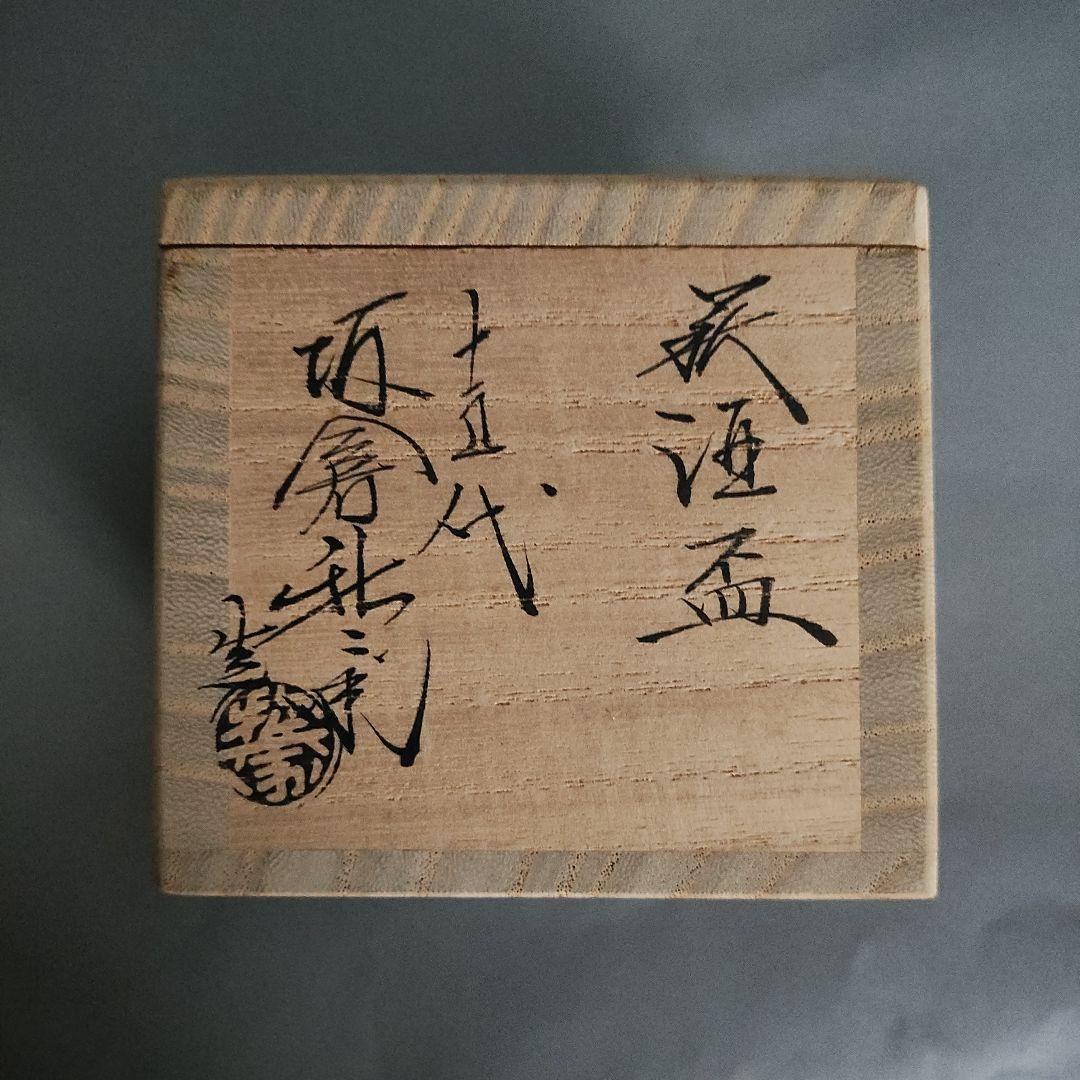
• Box: Tomobako (signed "十五代 坂倉新兵衛" with seal)
• Condition: Excellent
━━━━━━━━━━━━━━━━━━━━
🔹 [ CULTURAL & ARTISTIC INSIGHT ]
In the hierarchy of Japanese tea ceramics, a well-known saying places the traditions in order: "ichi raku, ni hagi, san karatsu" — first Raku, second Hagi, third Karatsu. Hagi ware holds this position not through flamboyance but through a quality far more difficult to achieve: the appearance of inevitability. The soft, yielding glazes; the warm clay body visible at the foot; the fine network of crazing that deepens with each use — everything about Hagi suggests a vessel that was always meant to exist in exactly this form.
The Sakakura Shinbei lineage is among the founding families of Hagi pottery, with roots reaching back to the Korean potters brought to Japan during the late sixteenth century. Fifteen generations have refined a shared aesthetic vocabulary while each adding their own inflection. This sake cup by the fifteenth generation embodies that continuity — cylindrical with a gentle taper, the form quiet and self-assured.
The glaze is classic Hagi: a soft pink-white surface with pale grey-blue and amber undertones, as if dawn light has been captured in ceramic. Fine kannyu (crazing) threads across the surface — not a flaw but a feature central to Hagi's identity. Over time, tea and sake seep into these micro-fissures, gradually transforming the cup's appearance. This is the celebrated "seven transformations" (nana-bake) of Hagi ware, where the vessel evolves alongside its owner.
*"A Hagi cup is not finished when it leaves the kiln. It is finished when it has been loved enough to change."*
━━━━━━━━━━━━━━━━━━━━
🔹 [ DEEP-DIVE COMMENTARY ]
**The Sakakura Shinbei Legacy**: Four centuries and fifteen generations — this lineage represents one of the foundational pillars of Hagi ceramic culture. The family's roots trace to Korean potters invited to Hagi by the Mōri clan, and the name Shinbei has been passed down with the responsibility of preserving and advancing the tradition.
**Hagi's Seven Transformations**: The nana-bake phenomenon is unique to Hagi ware. The porous clay body and crazed glaze allow liquids to slowly penetrate, shifting the cup's color and surface quality over months and years of use. Collectors prize aged Hagi precisely for these changes — each cup becomes a personal artifact, shaped by its owner's habits.
**Glaze & Color Palette**: The pink-white glaze with grey-blue and amber tones is achieved through careful control of kiln atmosphere and temperature. The red-orange clay foot — left unglazed in the Hagi tradition — provides a grounding contrast, revealing the raw material beneath the soft surface.
**Form as Statement**: The cylindrical profile with its gentle inward lip is restrained and purposeful. There is no excess. The slight taper guides sake toward the center, and the lip creates a clean drinking line. The proportions — taller than wide — give the cup a quiet verticality that distinguishes it from broader guinomi forms.
━━━━━━━━━━━━━━━━━━━━
🔹 [ 日本語解説 ]
【基本情報】
• 作家:十五代 坂倉新兵衛
• 技法:萩焼
• 時代:現代
• 産地:山口県萩市
• 寸法:口径 約6.0cm、高さ 約5.3cm
• 付属:共箱(「十五代 坂倉新兵衛」署名・落款入り)
• 状態:良好
【解説】
「一楽、二萩、三唐津」と称される茶陶の序列において、萩焼は常に特別な位置を占めてきました。坂倉新兵衛家は萩焼の開祖的存在であり、十六世紀末に毛利氏に招かれた朝鮮陶工の系譜を四百年以上にわたり守り続けています。
十五代によるこの酒盃は、萩焼の真髄を凝縮した一品です。柔らかなピンクがかった白釉に、淡い灰青色と琥珀色が溶け合い、細やかな貫入(かんにゅう)が全体に走っています。この貫入こそが萩焼の「七化け」——使い込むほどに酒や茶が浸透し、器の表情が変化してゆく現象——の源です。
高台に覗く赤橙色の素地は、萩の柔らかな釉肌との対比を生み、土から器への変容を静かに物語っています。筒形にわずかな内反りを持つ端正なフォルムは、十五代にわたる造形の記憶が結晶した姿です。
━━━━━━━━━━━━━━━━━━━━
🔹 [ SHIPPING & PACKAGING ]
• Dispatch: Within 1-6 business days
• Carrier: Japan Post EMS / UPS (with tracking)
• Packaging: Carefully wrapped with protective materials
*Fifteen generations of clay and fire — a vessel still becoming itself, one sip at a time.*
━━━━━━━━━━━━━━━━━━━━
🔹 [ BASIC DETAILS ]
• Artist: XV Sakakura Shinbei (十五代 坂倉新兵衛)
• Type: Sake cup (酒盃)
• Technique: Hagi ware (萩焼) — soft pink-white glaze with kannyu crazing
• Era: Contemporary
• Origin: Hagi, Yamaguchi Prefecture
• Dimensions: Dia approx. 6.0 cm, H approx. 5.3 cm
• Box: Tomobako (signed "十五代 坂倉新兵衛" with seal)
• Condition: Excellent
━━━━━━━━━━━━━━━━━━━━
🔹 [ CULTURAL & ARTISTIC INSIGHT ]
In the hierarchy of Japanese tea ceramics, a well-known saying places the traditions in order: "ichi raku, ni hagi, san karatsu" — first Raku, second Hagi, third Karatsu. Hagi ware holds this position not through flamboyance but through a quality far more difficult to achieve: the appearance of inevitability. The soft, yielding glazes; the warm clay body visible at the foot; the fine network of crazing that deepens with each use — everything about Hagi suggests a vessel that was always meant to exist in exactly this form.
The Sakakura Shinbei lineage is among the founding families of Hagi pottery, with roots reaching back to the Korean potters brought to Japan during the late sixteenth century. Fifteen generations have refined a shared aesthetic vocabulary while each adding their own inflection. This sake cup by the fifteenth generation embodies that continuity — cylindrical with a gentle taper, the form quiet and self-assured.
The glaze is classic Hagi: a soft pink-white surface with pale grey-blue and amber undertones, as if dawn light has been captured in ceramic. Fine kannyu (crazing) threads across the surface — not a flaw but a feature central to Hagi's identity. Over time, tea and sake seep into these micro-fissures, gradually transforming the cup's appearance. This is the celebrated "seven transformations" (nana-bake) of Hagi ware, where the vessel evolves alongside its owner.
*"A Hagi cup is not finished when it leaves the kiln. It is finished when it has been loved enough to change."*
━━━━━━━━━━━━━━━━━━━━
🔹 [ DEEP-DIVE COMMENTARY ]
**The Sakakura Shinbei Legacy**: Four centuries and fifteen generations — this lineage represents one of the foundational pillars of Hagi ceramic culture. The family's roots trace to Korean potters invited to Hagi by the Mōri clan, and the name Shinbei has been passed down with the responsibility of preserving and advancing the tradition.
**Hagi's Seven Transformations**: The nana-bake phenomenon is unique to Hagi ware. The porous clay body and crazed glaze allow liquids to slowly penetrate, shifting the cup's color and surface quality over months and years of use. Collectors prize aged Hagi precisely for these changes — each cup becomes a personal artifact, shaped by its owner's habits.
**Glaze & Color Palette**: The pink-white glaze with grey-blue and amber tones is achieved through careful control of kiln atmosphere and temperature. The red-orange clay foot — left unglazed in the Hagi tradition — provides a grounding contrast, revealing the raw material beneath the soft surface.
**Form as Statement**: The cylindrical profile with its gentle inward lip is restrained and purposeful. There is no excess. The slight taper guides sake toward the center, and the lip creates a clean drinking line. The proportions — taller than wide — give the cup a quiet verticality that distinguishes it from broader guinomi forms.
━━━━━━━━━━━━━━━━━━━━
🔹 [ 日本語解説 ]
【基本情報】
• 作家:十五代 坂倉新兵衛
• 技法:萩焼
• 時代:現代
• 産地:山口県萩市
• 寸法:口径 約6.0cm、高さ 約5.3cm
• 付属:共箱(「十五代 坂倉新兵衛」署名・落款入り)
• 状態:良好
【解説】
「一楽、二萩、三唐津」と称される茶陶の序列において、萩焼は常に特別な位置を占めてきました。坂倉新兵衛家は萩焼の開祖的存在であり、十六世紀末に毛利氏に招かれた朝鮮陶工の系譜を四百年以上にわたり守り続けています。
十五代によるこの酒盃は、萩焼の真髄を凝縮した一品です。柔らかなピンクがかった白釉に、淡い灰青色と琥珀色が溶け合い、細やかな貫入(かんにゅう)が全体に走っています。この貫入こそが萩焼の「七化け」——使い込むほどに酒や茶が浸透し、器の表情が変化してゆく現象——の源です。
高台に覗く赤橙色の素地は、萩の柔らかな釉肌との対比を生み、土から器への変容を静かに物語っています。筒形にわずかな内反りを持つ端正なフォルムは、十五代にわたる造形の記憶が結晶した姿です。
━━━━━━━━━━━━━━━━━━━━
🔹 [ SHIPPING & PACKAGING ]
• Dispatch: Within 1-6 business days
• Carrier: Japan Post EMS / UPS (with tracking)
• Packaging: Carefully wrapped with protective materials
*Fifteen generations of clay and fire — a vessel still becoming itself, one sip at a time.*
Quantity
Couldn't load pickup availability
Out of stock
View full details