1
/
of
16
Willow Cherry Blossom Gold Maki-e Large Natsume by Imada Hokusen - Lacquer Tea Caddy
Willow Cherry Blossom Gold Maki-e Large Natsume by Imada Hokusen - Lacquer Tea Caddy
Regular price
Dhs. 4,000.00 AED
Regular price
Sale price
Dhs. 4,000.00 AED
Taxes included.
Shipping calculated at checkout.
Experience authentic Japanese lacquer art with this Gold Makie Natsume. This Japanese Tea Caddy serves as a Willow Cherry Makie masterpiece and Maki-e Lacquerware, featuring Red Lacquer Natsume artistry and Gold Silver Lacquer technique—a must-have for any Art Collector seeking Handmade Urushi Art and Zen Tea Accessories.
━━━━━━━━━━━━━━━━━━━━
🔹 [ BASIC DETAILS ]
• Artist: Imada Hokusen (今田北仙)
• Technique: Taka-maki-e and hira-maki-e (raised and flat gold sprinkled picture) on vermillion urushi ground
• Era: Contemporary (Heisei–Reiwa period)
• Origin: Japan
• Form: Ō-natsume (大棗) — large tea caddy
• Dimensions: Diameter approx. 7 cm, Height approx. 7 cm
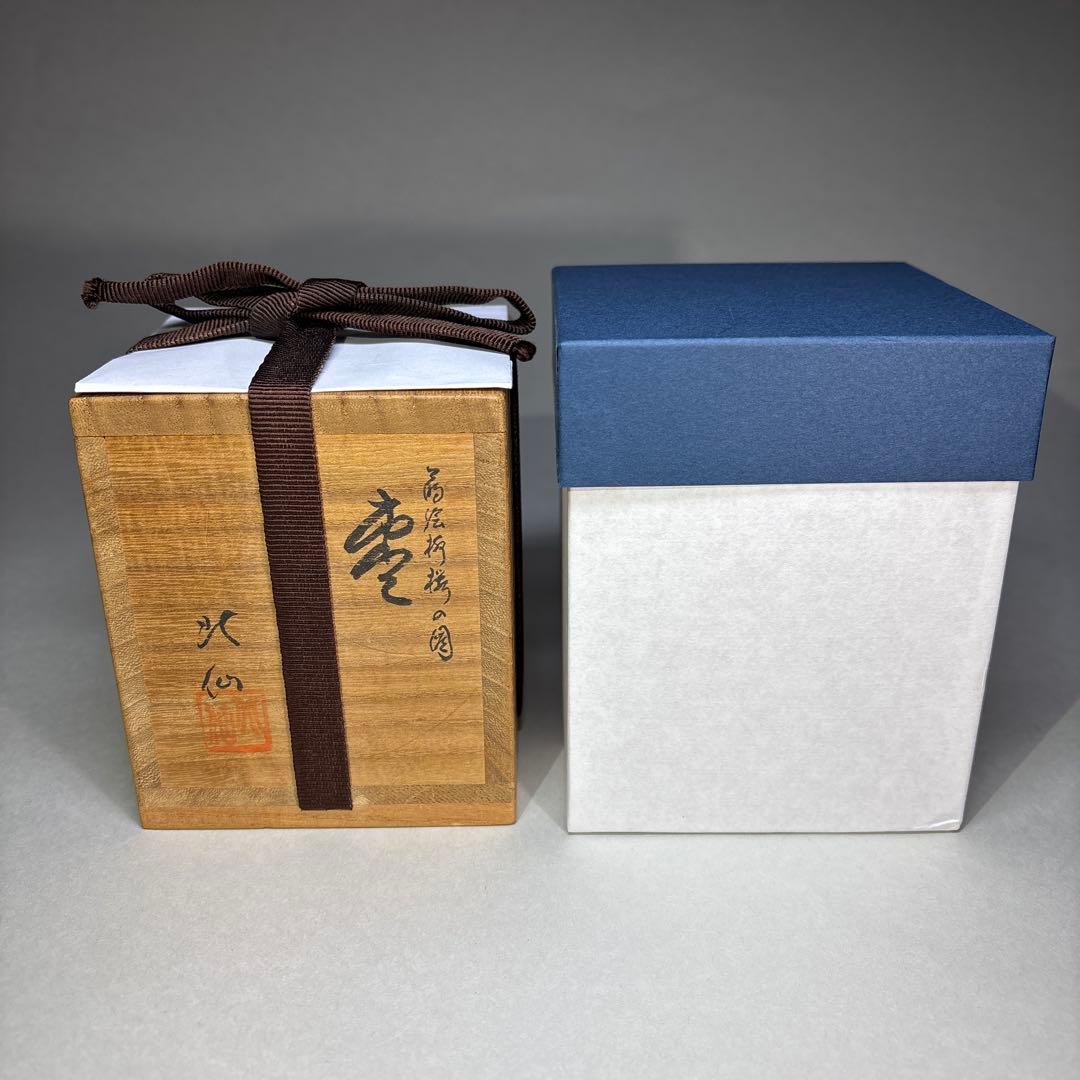
• Box: Signed paulownia box (桐箱) with artist seal
• Condition: Excellent — maki-e work pristine throughout
━━━━━━━━━━━━━━━━━━━━
🔹 [ CULTURAL & ARTISTIC INSIGHT ]
Maki-e — the art of sprinkling gold and silver powder into wet lacquer — represents the pinnacle of Japanese decorative craftsmanship. This ō-natsume by Imada Hokusen deploys the technique at its most ambitious: the entire surface blooms with yanagi-sakura (willow and cherry blossom), a classical seasonal pairing that evokes late spring along riverbanks where weeping willows cascade beside cherry trees in full flower.
The choice of vermillion ground is significant. Where most maki-e natsume begin from black, the red base creates a visual warmth that makes the gold and silver decoration appear to glow from within — as though the design were not applied onto the surface but emerging through it. Multiple maki-e techniques layer across the composition: raised taka-maki-e for dimensional petals, flat hira-maki-e for flowing willow fronds, and togidashi for subtle background elements.
*"Gold does not decorate this surface. It inhabits it — each particle of metal dust held in place by the lacquer's slow patience."*
━━━━━━━━━━━━━━━━━━━━
🔹 [ DEEP-DIVE COMMENTARY ]
**The Maki-e Tradition**: Maki-e originated in the Heian period (794–1185) and evolved into Japan's most technically demanding lacquer art. The artisan works against time — gold and silver powder must be applied before the urushi sets, requiring absolute precision and years of training. Each motif demands dozens of individual steps: drawing in lacquer, sprinkling metal, drying, polishing, and repeating across multiple layers.
**Yanagi-Sakura Motif**: The willow-cherry pairing (柳桜) is a classical Japanese literary and artistic theme. It appears in poetry, kimono design, and screen painting as a symbol of spring's dual nature — the ephemeral beauty of cherry blossoms (fleeting splendor) beside the graceful permanence of willows (enduring resilience). On a tea caddy, this motif sets the seasonal register for spring tea gatherings.
**Technical Achievement**: Hokusen's work on this piece demonstrates mastery across multiple maki-e disciplines. The chrysanthemum-like flowers feature taka-maki-e (raised gold) that catches light three-dimensionally. Silver accents on select petals create tonal depth against the gold. The willow branches flow in hira-maki-e with individual fronds rendered in single brushstrokes — a technique requiring exceptional steadiness and speed.
**Collector Significance**: Fully decorated ō-natsume represent significant investments of artistic labor. While a plain natsume might require days of lacquer work, a piece of this complexity demands weeks of maki-e application across multiple drying cycles. The density of decoration — covering the entire surface without a single bare patch — signals both the artist's ambition and technical authority.
━━━━━━━━━━━━━━━━━━━━
🔹 [ 日本語解説 ]
【基本情報】
• 作家:今田北仙
• 技法:高蒔絵・平蒔絵・研出蒔絵(朱漆地)
• 時代:現代(平成〜令和)
• 産地:日本
• 形状:大棗
• 寸法:直径約7cm、高さ約7cm
• 付属:桐箱(作家印入り)
• 状態:良好(蒔絵全面に傷や剥落なし)
【解説】
蒔絵は湿った漆に金銀粉を蒔き付ける日本固有の装飾技法であり、漆芸の最高峰に位置づけられます。本作は今田北仙による大棗で、全面に柳桜図が展開されています。
柳桜は古来、和歌や着物意匠に描かれてきた春の古典的画題です。しだれ柳の優雅な永続性と、桜の儚い華やぎが対比され、春の二面性を象徴します。朱漆地を背景に金銀蒔絵が施されることで、通常の黒漆地とは異なる内発的な輝きが生まれ、文様が表面から湧き出るような視覚効果を実現しています。高蒔絵による立体的な花弁、平蒔絵による流麗な柳枝、銀彩によるアクセントが一体となった、密度の高い仕事です。
━━━━━━━━━━━━━━━━━━━━
🔹 [ SHIPPING & PACKAGING ]
• Dispatch: Within 1-6 business days
• Carrier: Japan Post EMS / UPS (with tracking)
• Packaging: Carefully wrapped with protective materials
*Gold settles into lacquer the way memory settles into place — slowly, then all at once.*
━━━━━━━━━━━━━━━━━━━━
🔹 [ BASIC DETAILS ]
• Artist: Imada Hokusen (今田北仙)
• Technique: Taka-maki-e and hira-maki-e (raised and flat gold sprinkled picture) on vermillion urushi ground
• Era: Contemporary (Heisei–Reiwa period)
• Origin: Japan
• Form: Ō-natsume (大棗) — large tea caddy
• Dimensions: Diameter approx. 7 cm, Height approx. 7 cm
• Box: Signed paulownia box (桐箱) with artist seal
• Condition: Excellent — maki-e work pristine throughout
━━━━━━━━━━━━━━━━━━━━
🔹 [ CULTURAL & ARTISTIC INSIGHT ]
Maki-e — the art of sprinkling gold and silver powder into wet lacquer — represents the pinnacle of Japanese decorative craftsmanship. This ō-natsume by Imada Hokusen deploys the technique at its most ambitious: the entire surface blooms with yanagi-sakura (willow and cherry blossom), a classical seasonal pairing that evokes late spring along riverbanks where weeping willows cascade beside cherry trees in full flower.
The choice of vermillion ground is significant. Where most maki-e natsume begin from black, the red base creates a visual warmth that makes the gold and silver decoration appear to glow from within — as though the design were not applied onto the surface but emerging through it. Multiple maki-e techniques layer across the composition: raised taka-maki-e for dimensional petals, flat hira-maki-e for flowing willow fronds, and togidashi for subtle background elements.
*"Gold does not decorate this surface. It inhabits it — each particle of metal dust held in place by the lacquer's slow patience."*
━━━━━━━━━━━━━━━━━━━━
🔹 [ DEEP-DIVE COMMENTARY ]
**The Maki-e Tradition**: Maki-e originated in the Heian period (794–1185) and evolved into Japan's most technically demanding lacquer art. The artisan works against time — gold and silver powder must be applied before the urushi sets, requiring absolute precision and years of training. Each motif demands dozens of individual steps: drawing in lacquer, sprinkling metal, drying, polishing, and repeating across multiple layers.
**Yanagi-Sakura Motif**: The willow-cherry pairing (柳桜) is a classical Japanese literary and artistic theme. It appears in poetry, kimono design, and screen painting as a symbol of spring's dual nature — the ephemeral beauty of cherry blossoms (fleeting splendor) beside the graceful permanence of willows (enduring resilience). On a tea caddy, this motif sets the seasonal register for spring tea gatherings.
**Technical Achievement**: Hokusen's work on this piece demonstrates mastery across multiple maki-e disciplines. The chrysanthemum-like flowers feature taka-maki-e (raised gold) that catches light three-dimensionally. Silver accents on select petals create tonal depth against the gold. The willow branches flow in hira-maki-e with individual fronds rendered in single brushstrokes — a technique requiring exceptional steadiness and speed.
**Collector Significance**: Fully decorated ō-natsume represent significant investments of artistic labor. While a plain natsume might require days of lacquer work, a piece of this complexity demands weeks of maki-e application across multiple drying cycles. The density of decoration — covering the entire surface without a single bare patch — signals both the artist's ambition and technical authority.
━━━━━━━━━━━━━━━━━━━━
🔹 [ 日本語解説 ]
【基本情報】
• 作家:今田北仙
• 技法:高蒔絵・平蒔絵・研出蒔絵(朱漆地)
• 時代:現代(平成〜令和)
• 産地:日本
• 形状:大棗
• 寸法:直径約7cm、高さ約7cm
• 付属:桐箱(作家印入り)
• 状態:良好(蒔絵全面に傷や剥落なし)
【解説】
蒔絵は湿った漆に金銀粉を蒔き付ける日本固有の装飾技法であり、漆芸の最高峰に位置づけられます。本作は今田北仙による大棗で、全面に柳桜図が展開されています。
柳桜は古来、和歌や着物意匠に描かれてきた春の古典的画題です。しだれ柳の優雅な永続性と、桜の儚い華やぎが対比され、春の二面性を象徴します。朱漆地を背景に金銀蒔絵が施されることで、通常の黒漆地とは異なる内発的な輝きが生まれ、文様が表面から湧き出るような視覚効果を実現しています。高蒔絵による立体的な花弁、平蒔絵による流麗な柳枝、銀彩によるアクセントが一体となった、密度の高い仕事です。
━━━━━━━━━━━━━━━━━━━━
🔹 [ SHIPPING & PACKAGING ]
• Dispatch: Within 1-6 business days
• Carrier: Japan Post EMS / UPS (with tracking)
• Packaging: Carefully wrapped with protective materials
*Gold settles into lacquer the way memory settles into place — slowly, then all at once.*
Quantity
Couldn't load pickup availability
Low stock: 1 left
View full details