1
/
of
6
White Hagi Tea Bowl by Kaneko Matsunobu - Shōen-gama Kiln Chawan with Signed Box
White Hagi Tea Bowl by Kaneko Matsunobu - Shōen-gama Kiln Chawan with Signed Box
Regular price
Dhs. 431.00 AED
Regular price
Sale price
Dhs. 431.00 AED
Taxes included.
Shipping calculated at checkout.
Experience authentic Japanese tea culture with this White Hagi Tea Bowl. This Japanese Matcha Chawan serves as a Shōen-gama Kiln Ceramic and Classic Hagi Ware, featuring Soft Cream Glaze and Natural Pinholes—a must-have for any Art Collector seeking Seven Changes Tea Bowl and Wabi Sabi Ceramics with a Signed Wooden Box from Yamaguchi Prefecture.
━━━━━━━━━━━━━━━━━━━━
🔹 [ BASIC DETAILS ]
• Artist: Kaneko Matsunobu (金子松延) — Shōen-gama (松延窯)
• Technique: Classic white Hagi glaze with natural crazing and pinholes
• Era: Contemporary (likely 2000s–2020s)
• Origin: Hagi, Yamaguchi Prefecture, Japan
• Dimensions: Approx. 11 cm (4.3") diameter × height proportional
• Box: Signed tomobako — "萩茶碗 金子松延" with seal
• Condition: Good
━━━━━━━━━━━━━━━━━━━━
🔹 [ CULTURAL & ARTISTIC INSIGHT ]
Hagi ware holds the second position in the famous tea ceramic ranking — "ichi-Raku, ni-Hagi, san-Karatsu" — not for spectacle, but for what it becomes. A Hagi bowl is not finished when it leaves the kiln. It is finished when decades of tea have stained its craze lines, when the porous clay has absorbed the memory of a thousand bowls of matcha.
Kaneko Matsunobu works from the Shōen-gama kiln, continuing the Hagi tradition rooted in the Korean potters who arrived in the early 17th century under the patronage of the Mōri clan. The characteristic warmth of Hagi — its soft clay, its yielding glaze, its invitation to change — is carried forward through each generation.
*"The kiln provides the beginning. Time and tea write the rest."*
━━━━━━━━━━━━━━━━━━━━
🔹 [ DEEP-DIVE COMMENTARY ]
**The Seven Transformations (Nana-bake)**: Hagi ware is celebrated for its capacity to evolve. The porous clay body and crazed glaze surface work together as a living membrane — tea gradually penetrates the crazing, staining the white surface with pink, amber, and warm brown tones over years of use. Each bowl develops a patina unique to its owner's hand and practice. This quality is not a defect; it is the entire philosophy.
**Glaze and Surface**: This bowl presents the quintessential Hagi surface — soft cream-white with subtle pinkish and grey undertones from the wood firing. Fine pinholes dot the surface where gases escaped during firing, creating a texture that catches light differently from every angle. The gentle crawling of the glaze reveals moments where it pulled and settled during cooling — each irregularity a signature of the kiln's temperament.
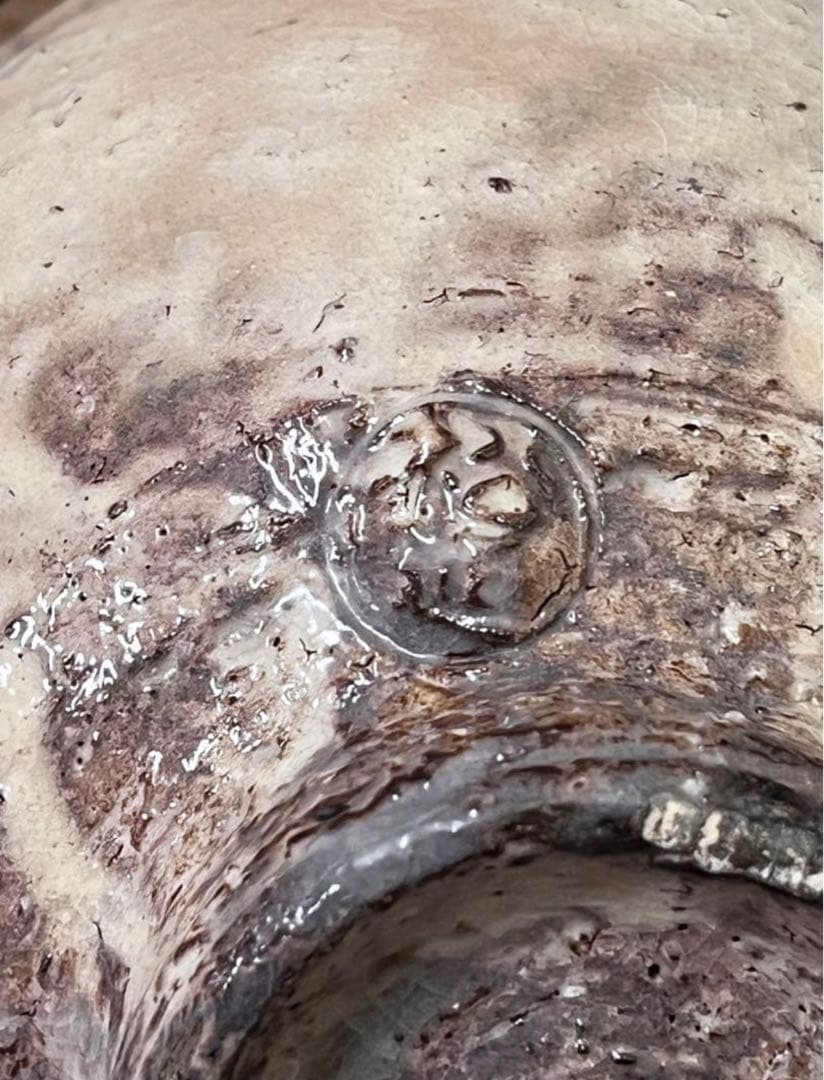
**The Kodai (Foot)**: The foot of a Hagi bowl is a critical element of its identity. This bowl shows the characteristic Hagi-style cutting marks — the decisive knife work that separates the bowl from the wheel. The exposed pinkish-grey clay at the foot reveals the body beneath the glaze, connecting the viewer to the material's origin.
**Form and Proportion**: A slightly flared profile with a gentle curve gives this bowl an openness that invites both the eye and the hand. The form does not impose; it receives. This quality of receptivity — the bowl as vessel not just for tea but for the moment itself — is central to what makes Hagi ware resonate with tea practitioners.
**Shōen-gama Kiln**: Named after the potter himself (松延, Matsunobu → 松延窯, Shōen-gama), this kiln represents the individual studio tradition within Hagi. Each Hagi potter works with the same ancestral clay and glaze recipes but expresses them through their own hand and kiln. The result is a tradition that is simultaneously unified and individual — continuity expressed through variation.
━━━━━━━━━━━━━━━━━━━━
🔹 [ 日本語解説 ]
【基本情報】
• 作家:金子松延(松延窯)
• 技法:白萩釉・貫入・ピンホール
• 時代:現代
• 産地:山口県萩市
• 寸法:径約11cm
• 付属:共箱(「萩茶碗 金子松延」印入り)
• 状態:良好
【解説】
「一楽二萩三唐津」——萩焼が茶陶の序列で二番目に位される理由は、その「育つ」性質にある。多孔質の素地と貫入の走る釉薬が茶を吸い込み、使うほどに色が変わる「七化け」は、萩焼だけが持つ時間との対話である。
金子松延は松延窯を主宰する萩焼作家。柔らかなクリーム白の釉薬にほのかな桃色・灰色の窯変が差し、微細なピンホールが光を柔らかく受ける。高台には萩焼特有の切り跡が残り、素地の桃灰色の土味を見せる。
端正でありながらどこか温かい——萩焼の本質を静かに体現した一碗。使い込むことで、この碗はさらに美しくなる。
━━━━━━━━━━━━━━━━━━━━
🔹 [ SHIPPING & PACKAGING ]
• Dispatch: Within 1-6 business days
• Carrier: Japan Post EMS / UPS (with tracking)
• Packaging: Carefully wrapped with protective materials
*White now. Pink and amber later. The bowl waits for the tea that will write its life.*
━━━━━━━━━━━━━━━━━━━━
🔹 [ BASIC DETAILS ]
• Artist: Kaneko Matsunobu (金子松延) — Shōen-gama (松延窯)
• Technique: Classic white Hagi glaze with natural crazing and pinholes
• Era: Contemporary (likely 2000s–2020s)
• Origin: Hagi, Yamaguchi Prefecture, Japan
• Dimensions: Approx. 11 cm (4.3") diameter × height proportional
• Box: Signed tomobako — "萩茶碗 金子松延" with seal
• Condition: Good
━━━━━━━━━━━━━━━━━━━━
🔹 [ CULTURAL & ARTISTIC INSIGHT ]
Hagi ware holds the second position in the famous tea ceramic ranking — "ichi-Raku, ni-Hagi, san-Karatsu" — not for spectacle, but for what it becomes. A Hagi bowl is not finished when it leaves the kiln. It is finished when decades of tea have stained its craze lines, when the porous clay has absorbed the memory of a thousand bowls of matcha.
Kaneko Matsunobu works from the Shōen-gama kiln, continuing the Hagi tradition rooted in the Korean potters who arrived in the early 17th century under the patronage of the Mōri clan. The characteristic warmth of Hagi — its soft clay, its yielding glaze, its invitation to change — is carried forward through each generation.
*"The kiln provides the beginning. Time and tea write the rest."*
━━━━━━━━━━━━━━━━━━━━
🔹 [ DEEP-DIVE COMMENTARY ]
**The Seven Transformations (Nana-bake)**: Hagi ware is celebrated for its capacity to evolve. The porous clay body and crazed glaze surface work together as a living membrane — tea gradually penetrates the crazing, staining the white surface with pink, amber, and warm brown tones over years of use. Each bowl develops a patina unique to its owner's hand and practice. This quality is not a defect; it is the entire philosophy.
**Glaze and Surface**: This bowl presents the quintessential Hagi surface — soft cream-white with subtle pinkish and grey undertones from the wood firing. Fine pinholes dot the surface where gases escaped during firing, creating a texture that catches light differently from every angle. The gentle crawling of the glaze reveals moments where it pulled and settled during cooling — each irregularity a signature of the kiln's temperament.
**The Kodai (Foot)**: The foot of a Hagi bowl is a critical element of its identity. This bowl shows the characteristic Hagi-style cutting marks — the decisive knife work that separates the bowl from the wheel. The exposed pinkish-grey clay at the foot reveals the body beneath the glaze, connecting the viewer to the material's origin.
**Form and Proportion**: A slightly flared profile with a gentle curve gives this bowl an openness that invites both the eye and the hand. The form does not impose; it receives. This quality of receptivity — the bowl as vessel not just for tea but for the moment itself — is central to what makes Hagi ware resonate with tea practitioners.
**Shōen-gama Kiln**: Named after the potter himself (松延, Matsunobu → 松延窯, Shōen-gama), this kiln represents the individual studio tradition within Hagi. Each Hagi potter works with the same ancestral clay and glaze recipes but expresses them through their own hand and kiln. The result is a tradition that is simultaneously unified and individual — continuity expressed through variation.
━━━━━━━━━━━━━━━━━━━━
🔹 [ 日本語解説 ]
【基本情報】
• 作家:金子松延(松延窯)
• 技法:白萩釉・貫入・ピンホール
• 時代:現代
• 産地:山口県萩市
• 寸法:径約11cm
• 付属:共箱(「萩茶碗 金子松延」印入り)
• 状態:良好
【解説】
「一楽二萩三唐津」——萩焼が茶陶の序列で二番目に位される理由は、その「育つ」性質にある。多孔質の素地と貫入の走る釉薬が茶を吸い込み、使うほどに色が変わる「七化け」は、萩焼だけが持つ時間との対話である。
金子松延は松延窯を主宰する萩焼作家。柔らかなクリーム白の釉薬にほのかな桃色・灰色の窯変が差し、微細なピンホールが光を柔らかく受ける。高台には萩焼特有の切り跡が残り、素地の桃灰色の土味を見せる。
端正でありながらどこか温かい——萩焼の本質を静かに体現した一碗。使い込むことで、この碗はさらに美しくなる。
━━━━━━━━━━━━━━━━━━━━
🔹 [ SHIPPING & PACKAGING ]
• Dispatch: Within 1-6 business days
• Carrier: Japan Post EMS / UPS (with tracking)
• Packaging: Carefully wrapped with protective materials
*White now. Pink and amber later. The bowl waits for the tea that will write its life.*
Quantity
Couldn't load pickup availability
Low stock: 1 left
View full details