1
/
of
8
White Glaze Matcha Bowl by Mori — Kohiki Style Chawan with Signed Wooden Box
White Glaze Matcha Bowl by Mori — Kohiki Style Chawan with Signed Wooden Box
Regular price
Dhs. 495.00 AED
Regular price
Sale price
Dhs. 495.00 AED
Taxes included.
Shipping calculated at checkout.
Experience Authentic Japan Art with this white glaze matcha bowl. This kohiki style chawan serves as a Japanese tea ceremony bowl and wabi sabi ceramic bowl, featuring shiro yu glaze chawan and hand built stoneware tea bowl—a must-have for any Art Collector. Crafted by the artist Mori, this rustic white glaze tea bowl carries the quiet authority of a Japanese antique tea bowl, complete with artist signed wooden box.
🔹 [ BASIC DETAILS ]
• Artist: Mori (森作)
• Technique: Shiro-yu (white glaze) / Kohiki style — milky feldspathic glaze over iron-rich stoneware
• Era: Estimated 1970s–1990s
• Origin: Japan (style consistent with Mino or regional kiln tradition)
• Dimensions: Height approx. 8.7 cm, Diameter approx. 11.3 cm
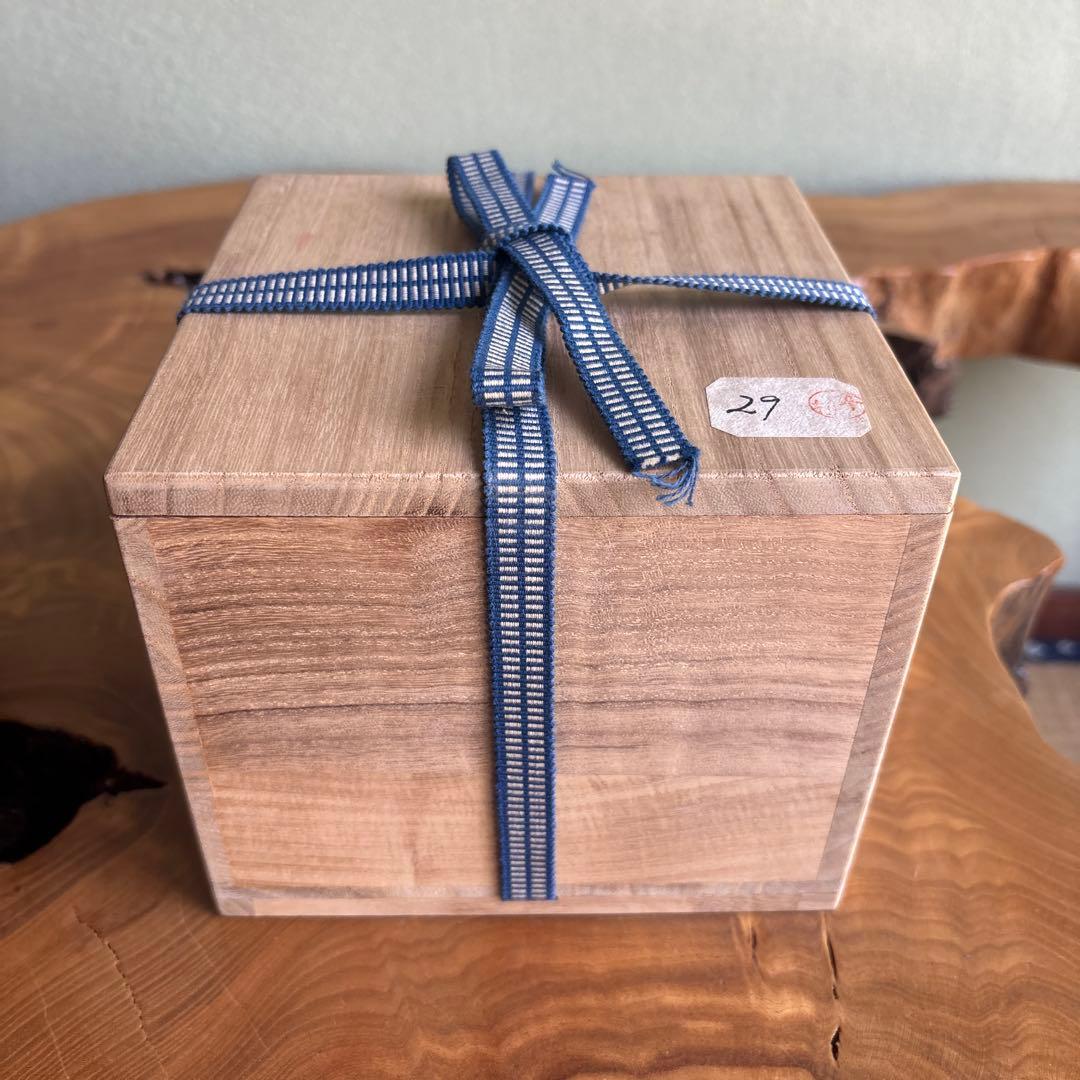
• Box: Signed wooden box (共箱) included — lid inscribed "白釉茶碗 森作" with red artist seal
• Condition: No chips, no cracks. Glaze pooling and kiln marks consistent with hand-built character.
🔹 [ CULTURAL & ARTISTIC INSIGHT ]
Kohiki — literally "powder-pulled" — describes a family of glazes in which a dense, milky-white slip or feldspathic glaze is applied over a coarser, iron-bearing clay body. The tension between the pale surface and the warm ochre clay revealed at the foot ring and along raised ridges creates the visual drama that wabi-sabi collectors seek: two natures held in one vessel.
This bowl by Mori carries that language fluently. Raised decorative relief — wave and cloud-like motifs pressed or coiled onto the exterior — emerge beneath the glaze like forms remembered rather than declared. The surface is neither smooth nor aggressive; it is textured in the way weathered stone is textured, shaped by process more than plan.
In chanoyu, the tea ceremony, white-glazed bowls occupy a particular place: they receive the vivid green of matcha without competing. The bowl becomes ground, not figure. This quiet subordination is itself a form of presence.
Poetic line: "The white glaze holds winter light — not reflecting, simply being."
🔹 [ DEEP-DIVE COMMENTARY ]
Shiro-yu (白釉) — white glaze — is one of the foundational traditions in Japanese ceramics, spanning Mino wares (Shino, Ofuke), kohiki of the Korean lineage, and regional kiln interpretations that developed through the Edo and Meiji periods. What unites them is the interplay of an opaque or semi-opaque white surface against an expressive clay body, producing a ground that ages distinctively.
The glaze on this bowl is feldspathic in character: thick, matte to semi-matte, with subtle pooling where the application thickened during firing. This pooling is not a flaw — it is evidence of the kiln's hand. High-temperature reduction or oxidation firing causes the feldspar minerals to crystallize unevenly, creating the soft, chalk-like surface that collectors associate with restraint and age.
The raised decorative motifs — scrolling waves or cloud forms — were likely applied as coiled clay additions before glazing, then unified under the white wash. This technique appears in Shino-style work and in some Seto-derived traditions where applied decoration reads as texture rather than ornament. Beneath the glaze, the forms dissolve into suggestion.
Mori's signed wooden box (共箱, tomobako) is significant: a maker who provides a tomobako is asserting authorship and provenance. The box lid inscription is clear — brush-written in confident calligraphy with a personal seal — indicating an artist who moved within the tea ceramics tradition as a recognized practitioner, not an anonymous studio.
For collectors, this bowl offers a genuine encounter with wabi ceramics at an accessible scale. The proportions — 11.3 cm wide, 8.7 cm tall — fall squarely within the hirata-chawan (flat bowl) to futamono-chawan range, well-suited for koicha (thick tea) or thin tea service. The foot ring is compact and hand-trimmed, the interior undecorated and purposeful. This is a bowl that asks to be held.
🔹 [ 日本語解説 ]
【基本情報】
・作者:森作
・技法:白釉(粉引風)— 鉄分を含む荒い素地に白いフェルスパー釉をかけた仕上げ
・時代:1970〜1990年代推定
・産地:日本(美濃または地方窯の伝統様式)
・寸法:高さ約8.7cm、口径約11.3cm
・箱:共箱付き(蓋表に「白釉茶碗 森作」と墨書、朱印あり)
・状態:ヒビ・カケなし。釉の溜まりや窯跡は手仕事の景色として健全。
【文化的・芸術的解説】
粉引とは、鉄分を含む素地に白化粧土または白釉を施し、素地との緊張関係から生まれる「白の景色」を持つ焼き物を指します。高台や胴の稜線から覗く温かみのある赤褐色と、乳白色の釉面との対比が、侘び寂びの本質を体現しています。
この茶碗には、外壁に波や雲のような浮き彫り文様が施されており、釉薬の下にうっすらと残る装飾が「宣言」ではなく「記憶」として立ち現れます。手捏ねによる不規則な形は、完璧を求めないところに完成を見出す日本の美意識と深く響き合います。
茶の湯において、白釉の茶碗は抹茶の鮮やかな緑を受け止める「地」として機能します。主張せず、ただ在る。その静けさこそが、この碗の存在感です。
詩的な一句:「白釉は冬の光を映さず、ただ抱く。」
【作品の深層解説】
白釉(シロユ)は、日本陶芸の根本的な伝統のひとつで、美濃焼(志野、大古)から粉引の朝鮮系譜、そして江戸・明治期を通じて全国の窯場に広がった技法です。フェルスパー(長石)を主成分とする釉薬は、高温で溶け流れ、冷却時に再結晶することで独特のマットな白面を生みます。
外壁の装飾文様は、施釉前に土紐を貼り付ける技法で形成されたと考えられます。この手法は志野系や瀬戸系の一部に見られ、装飾が釉の下に沈み込んで「景色」となる点に工芸的な深みがあります。
森氏の共箱は、この作品に確かな作家性と来歴を付与しています。共箱を添える作家は、茶陶の世界において認知された実践者であることを示し、流通・収蔵においても信頼の根拠となります。
寸法(口径11.3cm、高さ8.7cm)は平茶碗から筒茶碗の中間に位置し、濃茶・薄茶いずれにも対応できる汎用性を備えています。高台は手削りで小ぶり、見込みは無地で清潔。手に持ったとき、この茶碗は応えます。
🔹 [ SHIPPING & PACKAGING ]
• Dispatch: Within 1-6 business days
• Carrier: Japan Post EMS / UPS (with tracking)
• Packaging: Carefully wrapped with protective materials
🔹 [ BASIC DETAILS ]
• Artist: Mori (森作)
• Technique: Shiro-yu (white glaze) / Kohiki style — milky feldspathic glaze over iron-rich stoneware
• Era: Estimated 1970s–1990s
• Origin: Japan (style consistent with Mino or regional kiln tradition)
• Dimensions: Height approx. 8.7 cm, Diameter approx. 11.3 cm
• Box: Signed wooden box (共箱) included — lid inscribed "白釉茶碗 森作" with red artist seal
• Condition: No chips, no cracks. Glaze pooling and kiln marks consistent with hand-built character.
🔹 [ CULTURAL & ARTISTIC INSIGHT ]
Kohiki — literally "powder-pulled" — describes a family of glazes in which a dense, milky-white slip or feldspathic glaze is applied over a coarser, iron-bearing clay body. The tension between the pale surface and the warm ochre clay revealed at the foot ring and along raised ridges creates the visual drama that wabi-sabi collectors seek: two natures held in one vessel.
This bowl by Mori carries that language fluently. Raised decorative relief — wave and cloud-like motifs pressed or coiled onto the exterior — emerge beneath the glaze like forms remembered rather than declared. The surface is neither smooth nor aggressive; it is textured in the way weathered stone is textured, shaped by process more than plan.
In chanoyu, the tea ceremony, white-glazed bowls occupy a particular place: they receive the vivid green of matcha without competing. The bowl becomes ground, not figure. This quiet subordination is itself a form of presence.
Poetic line: "The white glaze holds winter light — not reflecting, simply being."
🔹 [ DEEP-DIVE COMMENTARY ]
Shiro-yu (白釉) — white glaze — is one of the foundational traditions in Japanese ceramics, spanning Mino wares (Shino, Ofuke), kohiki of the Korean lineage, and regional kiln interpretations that developed through the Edo and Meiji periods. What unites them is the interplay of an opaque or semi-opaque white surface against an expressive clay body, producing a ground that ages distinctively.
The glaze on this bowl is feldspathic in character: thick, matte to semi-matte, with subtle pooling where the application thickened during firing. This pooling is not a flaw — it is evidence of the kiln's hand. High-temperature reduction or oxidation firing causes the feldspar minerals to crystallize unevenly, creating the soft, chalk-like surface that collectors associate with restraint and age.
The raised decorative motifs — scrolling waves or cloud forms — were likely applied as coiled clay additions before glazing, then unified under the white wash. This technique appears in Shino-style work and in some Seto-derived traditions where applied decoration reads as texture rather than ornament. Beneath the glaze, the forms dissolve into suggestion.
Mori's signed wooden box (共箱, tomobako) is significant: a maker who provides a tomobako is asserting authorship and provenance. The box lid inscription is clear — brush-written in confident calligraphy with a personal seal — indicating an artist who moved within the tea ceramics tradition as a recognized practitioner, not an anonymous studio.
For collectors, this bowl offers a genuine encounter with wabi ceramics at an accessible scale. The proportions — 11.3 cm wide, 8.7 cm tall — fall squarely within the hirata-chawan (flat bowl) to futamono-chawan range, well-suited for koicha (thick tea) or thin tea service. The foot ring is compact and hand-trimmed, the interior undecorated and purposeful. This is a bowl that asks to be held.
🔹 [ 日本語解説 ]
【基本情報】
・作者:森作
・技法:白釉(粉引風)— 鉄分を含む荒い素地に白いフェルスパー釉をかけた仕上げ
・時代:1970〜1990年代推定
・産地:日本(美濃または地方窯の伝統様式)
・寸法:高さ約8.7cm、口径約11.3cm
・箱:共箱付き(蓋表に「白釉茶碗 森作」と墨書、朱印あり)
・状態:ヒビ・カケなし。釉の溜まりや窯跡は手仕事の景色として健全。
【文化的・芸術的解説】
粉引とは、鉄分を含む素地に白化粧土または白釉を施し、素地との緊張関係から生まれる「白の景色」を持つ焼き物を指します。高台や胴の稜線から覗く温かみのある赤褐色と、乳白色の釉面との対比が、侘び寂びの本質を体現しています。
この茶碗には、外壁に波や雲のような浮き彫り文様が施されており、釉薬の下にうっすらと残る装飾が「宣言」ではなく「記憶」として立ち現れます。手捏ねによる不規則な形は、完璧を求めないところに完成を見出す日本の美意識と深く響き合います。
茶の湯において、白釉の茶碗は抹茶の鮮やかな緑を受け止める「地」として機能します。主張せず、ただ在る。その静けさこそが、この碗の存在感です。
詩的な一句:「白釉は冬の光を映さず、ただ抱く。」
【作品の深層解説】
白釉(シロユ)は、日本陶芸の根本的な伝統のひとつで、美濃焼(志野、大古)から粉引の朝鮮系譜、そして江戸・明治期を通じて全国の窯場に広がった技法です。フェルスパー(長石)を主成分とする釉薬は、高温で溶け流れ、冷却時に再結晶することで独特のマットな白面を生みます。
外壁の装飾文様は、施釉前に土紐を貼り付ける技法で形成されたと考えられます。この手法は志野系や瀬戸系の一部に見られ、装飾が釉の下に沈み込んで「景色」となる点に工芸的な深みがあります。
森氏の共箱は、この作品に確かな作家性と来歴を付与しています。共箱を添える作家は、茶陶の世界において認知された実践者であることを示し、流通・収蔵においても信頼の根拠となります。
寸法(口径11.3cm、高さ8.7cm)は平茶碗から筒茶碗の中間に位置し、濃茶・薄茶いずれにも対応できる汎用性を備えています。高台は手削りで小ぶり、見込みは無地で清潔。手に持ったとき、この茶碗は応えます。
🔹 [ SHIPPING & PACKAGING ]
• Dispatch: Within 1-6 business days
• Carrier: Japan Post EMS / UPS (with tracking)
• Packaging: Carefully wrapped with protective materials
Quantity
Couldn't load pickup availability
Low stock: 1 left
View full details