1
/
of
10
White Glaze Hira-Chawan by Taniguchi Ryozo — Crawled Frost Surface
White Glaze Hira-Chawan by Taniguchi Ryozo — Crawled Frost Surface
Regular price
Dhs. 590.00 AED
Regular price
Sale price
Dhs. 590.00 AED
Taxes included.
Shipping calculated at checkout.
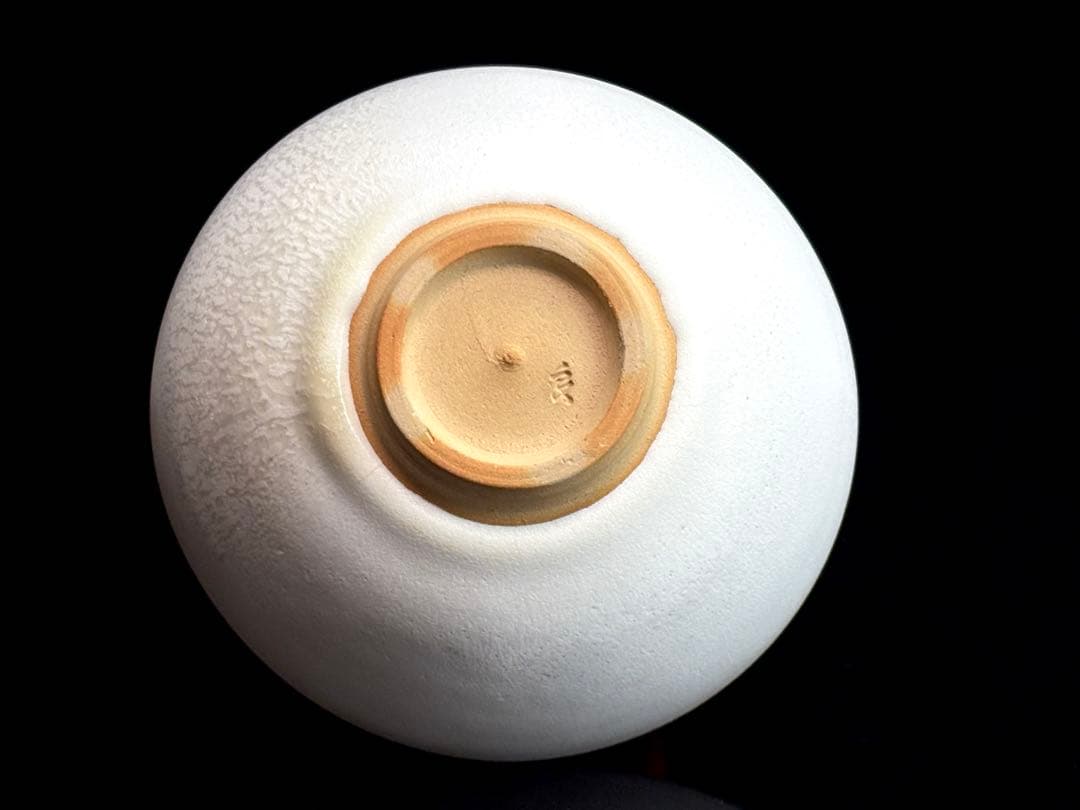
A hira-chawan by Taniguchi Ryozo — wide, low, open to the room. The white glaze moves across stoneware in a crawled frost texture: granular, broken, radiating outward from the center well like ice forming on still water. At the tsubo, the glaze pools with a faint warmth before the field returns to its cool matte white. The foot ring is left unglazed, showing the warm ochre clay beneath.
🔹 [ BASIC DETAILS ]
• Artist: Taniguchi Ryozo (谷口良三)
• Technique: White glaze (白釉) with crawled, frost-crystalline surface texture over stoneware
• Form: Hira-chawan (flat, wide-opening tea bowl) — suited to warm-season tea service
• Dimensions: Height approx. 6.2 cm, Diameter approx. 14 cm
• Era: Contemporary
• Box: Signed wooden tomobako (共箱) with brushwork inscription and red seal; cloth wrap (共布) and certificate slip (栞) included
• Condition: Excellent. No chips, cracks, or restorations observed. Original box, cloth, and slip all present.
🔹 [ CULTURAL & ARTISTIC INSIGHT ]
The hira-chawan — literally a flat or shallow tea bowl — occupies a specific place in the seasonal grammar of chanoyu. In the warmer months, when a deep cylindrical bowl would hold heat too long, the wide open form releases it. Tea served in a hira-chawan cools to drinking temperature more quickly; the gesture of drinking becomes unhurried, the bowl tilts gently toward you, the wide mouth close to the face.
Taniguchi Ryozo works within a Japanese ceramic tradition that prizes surface as a field of event rather than decoration. The crawled white glaze on this piece — broken into granular, frost-like aggregations across the stoneware body — is the result of a glaze composition that contracts significantly during cooling, pulling away from itself and leaving a textured, matte-to-semi-matte surface. This is not a fault but an intention: a surface that holds light without reflecting it, that catches shadow in its small craters and ridges.
The interior reveals the glaze's fullest character. From the center well, where the glaze pools with a faint luminous warmth, the crawled field radiates outward to the rim — a movement like frost forming on glass, or lichen establishing itself on stone. Scattered dark specks of iron oxide or clay body remain visible through the glaze, evidence of the stoneware body below.
The unglazed foot ring — a small, warm ochre band — grounds the piece. It is a deliberate exposure: the clay in its own nature, before the glaze, as a reminder of the material's origin.
Poetic reflection: "The bowl holds the season before it holds the tea — open, unhurried, cool as morning."
🔹 [ DEEP-DIVE COMMENTARY ]
The white glaze tradition in Japanese ceramics carries a long and varied lineage. Shino — developed in Mino province during the Momoyama period — was among the first to prioritize an opaque, heavily feldspathic white glaze over the transparent or ash-tinted surfaces that preceded it. From Shino, the white glaze vocabulary in Japanese ceramics expanded: Hagi's milky white with its deliberate crawling; the snow-white of Kutani hakuji; the chalky, matte surfaces of contemporary stoneware potters who work between tradition and individual investigation.
Taniguchi Ryozo's white glaze belongs to the contemporary stoneware lineage. The surface on this hira-chawan is neither the thick, orange-peel Shino nor the smooth, refined hakuji of porcelain tradition. It is a drier, more granular white — a glaze that pulls apart during the kiln cooling and settles into a topographic field of small peaks and valleys. Under direct light, the surface scatters rather than reflects, producing a matte brilliance that is tactilely inviting.
The hira-chawan form itself is philosophically grounded in the principle of kisetsu — seasonality. Tea practice in Japan is organized in part by the calibration of vessel to weather: the covered-jar ro season in winter, the open-hearth furo season in summer. The hira-chawan belongs to summer and the transitional warmth of late spring and early autumn. Its wide opening is an accommodation to the body's comfort; its low profile rests naturally in both hands, the bowl a shallow pool of matcha held close.
For the collector, this piece offers the convergence of a legible maker's hand — attested by the signed tomobako, brushwork, seal, and certificate slip — and a surface that rewards sustained attention. The crawled white glaze is not static; its texture shifts as light changes, as the angle of view shifts, as the bowl is held and tilted. It is a surface made for use, not display alone.
[ JAPANESE DESCRIPTION / 日本語解説 ]
谷口良三による平茶碗。広く低く、部屋に向かって開く形。白釉は砥部焼の磁器とも萩焼の乳白とも異なる——炻器の表面に、霜のように凝集しながら縮れ、粒状に割れた釉景が広がる。中央の壺から外へ向かって放射状に広がるこの文様は、静水に氷が張るときの動きを思わせる。壺の底では釉薬がわずかに溜まり、温かみのある光沢を帯びる。見込み全体に散らばる暗色の鉄分の点は、釉下の炻器の素地の痕跡であり、素材の正直さを証している。高台は無釉で、温かみのある黄土色の素地を見せる。
🔹 [ 基本情報 ]
• 作家: 谷口良三
• 技法: 白釉(縮れ・霜状の結晶面)/ 炻器
• 形式: 平茶碗(夏季・暖期の茶事向き)
• 寸法: 高さ約6.2cm、径約14cm
• 時代: 現代
• 付属品: 共箱(署名・朱印入り)、共布、栞付
• 状態: 良好。欠けや修復の痕跡なし。
🔹 [ 文化・芸術的考察 ]
平茶碗は茶の湯の季節語法において固有の位置を占める。暑い季節には、深い筒形茶碗では熱が逃げにくい。開いた広口の器は熱を放ち、茶は飲み頃の温度に落ち着く。持つ手が器に近く、口に近く、飲む所作はゆっくりになる。
谷口良三の白釉は、釉薬を装飾の媒体としてではなく、事象の場として扱う。この作品の縮れた白釉——炻器の表面に粒状の霜のように広がる——は、冷却時に大きく収縮する釉薬が自分自身から引き剥がれ、マットな凹凸面を残す結果である。これは欠陥ではなく、意図である。光を反射せず、小さなクレーターと稜線に影を宿す面。
見込みにおいて釉薬の性格は最も豊かに現れる。中心から外へ向かって放射する縮れ面は、ガラスの上に霜が結晶化するときの動きであり、石の上に地衣類が定着するときの時間を思わせる。無釉の高台は素地そのものを露わにし、釉以前の土の姿を示す。
詩的な一行:「器は茶を受ける前に、季節を受ける——開かれて、急かず、朝のように涼しい。」
🔹 [ 上級コレクター向け解説 ]
日本の白釉の系譜は長く多様である。桃山期の美濃で生まれた志野は、それ以前の透明釉や灰釉に代わり、不透明な長石質白釉を前景に出した最初の様式のひとつである。そこから日本の白釉語彙は広がった——萩の乳白と意図的な縮れ、九谷白磁の雪白、そして伝統と個の探求のあいだで働く現代炻器作家たちの白。
谷口良三の白釉はこの現代炻器の流れに属する。厚い志野の肌でも磁器の滑らかな白磁でもなく、より乾いた、粒状の白——窯冷却中に引き裂かれ、小さな山と谷の地形的な面として定着する釉薬。直接光のもとでは散乱して、触りたくなるマットな輝きを放つ。
平茶碗の形は「季節」の哲学に根ざしている。冬の炉の季節、夏の風炉の季節。平茶碗は夏と晩春・初秋の暖かさに属する。広い口は身体の快適さへの配慮であり、低い輪郭は両手に自然に収まる——茶碗は浅い抹茶の池として、顔の近くに持たれる。
コレクターにとって、この作品は読み取れる作家の手と、持続した観察に応える面の収束を示す。共箱・署名・朱印・栞による真作の証明とともに、使いながら変化を発見できる釉景がある。
🔹 [ SHIPPING & PACKAGING ]
• Dispatch: Within 1-6 business days
• Carrier: Japan Post EMS / UPS (with tracking)
• Packaging: Carefully wrapped with protective materials
🔹 [ BASIC DETAILS ]
• Artist: Taniguchi Ryozo (谷口良三)
• Technique: White glaze (白釉) with crawled, frost-crystalline surface texture over stoneware
• Form: Hira-chawan (flat, wide-opening tea bowl) — suited to warm-season tea service
• Dimensions: Height approx. 6.2 cm, Diameter approx. 14 cm
• Era: Contemporary
• Box: Signed wooden tomobako (共箱) with brushwork inscription and red seal; cloth wrap (共布) and certificate slip (栞) included
• Condition: Excellent. No chips, cracks, or restorations observed. Original box, cloth, and slip all present.
🔹 [ CULTURAL & ARTISTIC INSIGHT ]
The hira-chawan — literally a flat or shallow tea bowl — occupies a specific place in the seasonal grammar of chanoyu. In the warmer months, when a deep cylindrical bowl would hold heat too long, the wide open form releases it. Tea served in a hira-chawan cools to drinking temperature more quickly; the gesture of drinking becomes unhurried, the bowl tilts gently toward you, the wide mouth close to the face.
Taniguchi Ryozo works within a Japanese ceramic tradition that prizes surface as a field of event rather than decoration. The crawled white glaze on this piece — broken into granular, frost-like aggregations across the stoneware body — is the result of a glaze composition that contracts significantly during cooling, pulling away from itself and leaving a textured, matte-to-semi-matte surface. This is not a fault but an intention: a surface that holds light without reflecting it, that catches shadow in its small craters and ridges.
The interior reveals the glaze's fullest character. From the center well, where the glaze pools with a faint luminous warmth, the crawled field radiates outward to the rim — a movement like frost forming on glass, or lichen establishing itself on stone. Scattered dark specks of iron oxide or clay body remain visible through the glaze, evidence of the stoneware body below.
The unglazed foot ring — a small, warm ochre band — grounds the piece. It is a deliberate exposure: the clay in its own nature, before the glaze, as a reminder of the material's origin.
Poetic reflection: "The bowl holds the season before it holds the tea — open, unhurried, cool as morning."
🔹 [ DEEP-DIVE COMMENTARY ]
The white glaze tradition in Japanese ceramics carries a long and varied lineage. Shino — developed in Mino province during the Momoyama period — was among the first to prioritize an opaque, heavily feldspathic white glaze over the transparent or ash-tinted surfaces that preceded it. From Shino, the white glaze vocabulary in Japanese ceramics expanded: Hagi's milky white with its deliberate crawling; the snow-white of Kutani hakuji; the chalky, matte surfaces of contemporary stoneware potters who work between tradition and individual investigation.
Taniguchi Ryozo's white glaze belongs to the contemporary stoneware lineage. The surface on this hira-chawan is neither the thick, orange-peel Shino nor the smooth, refined hakuji of porcelain tradition. It is a drier, more granular white — a glaze that pulls apart during the kiln cooling and settles into a topographic field of small peaks and valleys. Under direct light, the surface scatters rather than reflects, producing a matte brilliance that is tactilely inviting.
The hira-chawan form itself is philosophically grounded in the principle of kisetsu — seasonality. Tea practice in Japan is organized in part by the calibration of vessel to weather: the covered-jar ro season in winter, the open-hearth furo season in summer. The hira-chawan belongs to summer and the transitional warmth of late spring and early autumn. Its wide opening is an accommodation to the body's comfort; its low profile rests naturally in both hands, the bowl a shallow pool of matcha held close.
For the collector, this piece offers the convergence of a legible maker's hand — attested by the signed tomobako, brushwork, seal, and certificate slip — and a surface that rewards sustained attention. The crawled white glaze is not static; its texture shifts as light changes, as the angle of view shifts, as the bowl is held and tilted. It is a surface made for use, not display alone.
[ JAPANESE DESCRIPTION / 日本語解説 ]
谷口良三による平茶碗。広く低く、部屋に向かって開く形。白釉は砥部焼の磁器とも萩焼の乳白とも異なる——炻器の表面に、霜のように凝集しながら縮れ、粒状に割れた釉景が広がる。中央の壺から外へ向かって放射状に広がるこの文様は、静水に氷が張るときの動きを思わせる。壺の底では釉薬がわずかに溜まり、温かみのある光沢を帯びる。見込み全体に散らばる暗色の鉄分の点は、釉下の炻器の素地の痕跡であり、素材の正直さを証している。高台は無釉で、温かみのある黄土色の素地を見せる。
🔹 [ 基本情報 ]
• 作家: 谷口良三
• 技法: 白釉(縮れ・霜状の結晶面)/ 炻器
• 形式: 平茶碗(夏季・暖期の茶事向き)
• 寸法: 高さ約6.2cm、径約14cm
• 時代: 現代
• 付属品: 共箱(署名・朱印入り)、共布、栞付
• 状態: 良好。欠けや修復の痕跡なし。
🔹 [ 文化・芸術的考察 ]
平茶碗は茶の湯の季節語法において固有の位置を占める。暑い季節には、深い筒形茶碗では熱が逃げにくい。開いた広口の器は熱を放ち、茶は飲み頃の温度に落ち着く。持つ手が器に近く、口に近く、飲む所作はゆっくりになる。
谷口良三の白釉は、釉薬を装飾の媒体としてではなく、事象の場として扱う。この作品の縮れた白釉——炻器の表面に粒状の霜のように広がる——は、冷却時に大きく収縮する釉薬が自分自身から引き剥がれ、マットな凹凸面を残す結果である。これは欠陥ではなく、意図である。光を反射せず、小さなクレーターと稜線に影を宿す面。
見込みにおいて釉薬の性格は最も豊かに現れる。中心から外へ向かって放射する縮れ面は、ガラスの上に霜が結晶化するときの動きであり、石の上に地衣類が定着するときの時間を思わせる。無釉の高台は素地そのものを露わにし、釉以前の土の姿を示す。
詩的な一行:「器は茶を受ける前に、季節を受ける——開かれて、急かず、朝のように涼しい。」
🔹 [ 上級コレクター向け解説 ]
日本の白釉の系譜は長く多様である。桃山期の美濃で生まれた志野は、それ以前の透明釉や灰釉に代わり、不透明な長石質白釉を前景に出した最初の様式のひとつである。そこから日本の白釉語彙は広がった——萩の乳白と意図的な縮れ、九谷白磁の雪白、そして伝統と個の探求のあいだで働く現代炻器作家たちの白。
谷口良三の白釉はこの現代炻器の流れに属する。厚い志野の肌でも磁器の滑らかな白磁でもなく、より乾いた、粒状の白——窯冷却中に引き裂かれ、小さな山と谷の地形的な面として定着する釉薬。直接光のもとでは散乱して、触りたくなるマットな輝きを放つ。
平茶碗の形は「季節」の哲学に根ざしている。冬の炉の季節、夏の風炉の季節。平茶碗は夏と晩春・初秋の暖かさに属する。広い口は身体の快適さへの配慮であり、低い輪郭は両手に自然に収まる——茶碗は浅い抹茶の池として、顔の近くに持たれる。
コレクターにとって、この作品は読み取れる作家の手と、持続した観察に応える面の収束を示す。共箱・署名・朱印・栞による真作の証明とともに、使いながら変化を発見できる釉景がある。
🔹 [ SHIPPING & PACKAGING ]
• Dispatch: Within 1-6 business days
• Carrier: Japan Post EMS / UPS (with tracking)
• Packaging: Carefully wrapped with protective materials
Quantity
Couldn't load pickup availability
Low stock: 1 left
View full details