1
/
of
12
Washi-Wrapped Willow Natsume by Tsukishiro Ryosai - Maki-e Tea Caddy with Box
Washi-Wrapped Willow Natsume by Tsukishiro Ryosai - Maki-e Tea Caddy with Box
Regular price
Dhs. 1,607.00 AED
Regular price
Sale price
Dhs. 1,607.00 AED
Taxes included.
Shipping calculated at checkout.
Experience authentic Japanese lacquer craft with this Washi-Wrapped Willow Natsume by Tsukishiro Ryōsai. This Medium Tea Caddy serves as a Maki-e Lacquer Art and Washi-hari Usuchaki, featuring Gold Weeping Willow Design and Textured Lacquer Surface—a must-have for any Tea Collector seeking Japanese Lacquerware and Traditional Tea Ceremony Ware.
━━━━━━━━━━━━━━━━━━━━
🔹 [ BASIC DETAILS ]
• Artist: Tsukishiro Ryōsai (筑城良斉)
• Technique: Gold maki-e on washi-hari (和紙張) base with tame-nuri lacquer
• Era: Contemporary (Heisei–Reiwa period)
• Origin: Japan
• Dimensions: 6.6 cm diameter × 6.7 cm height (2.6" × 2.6")
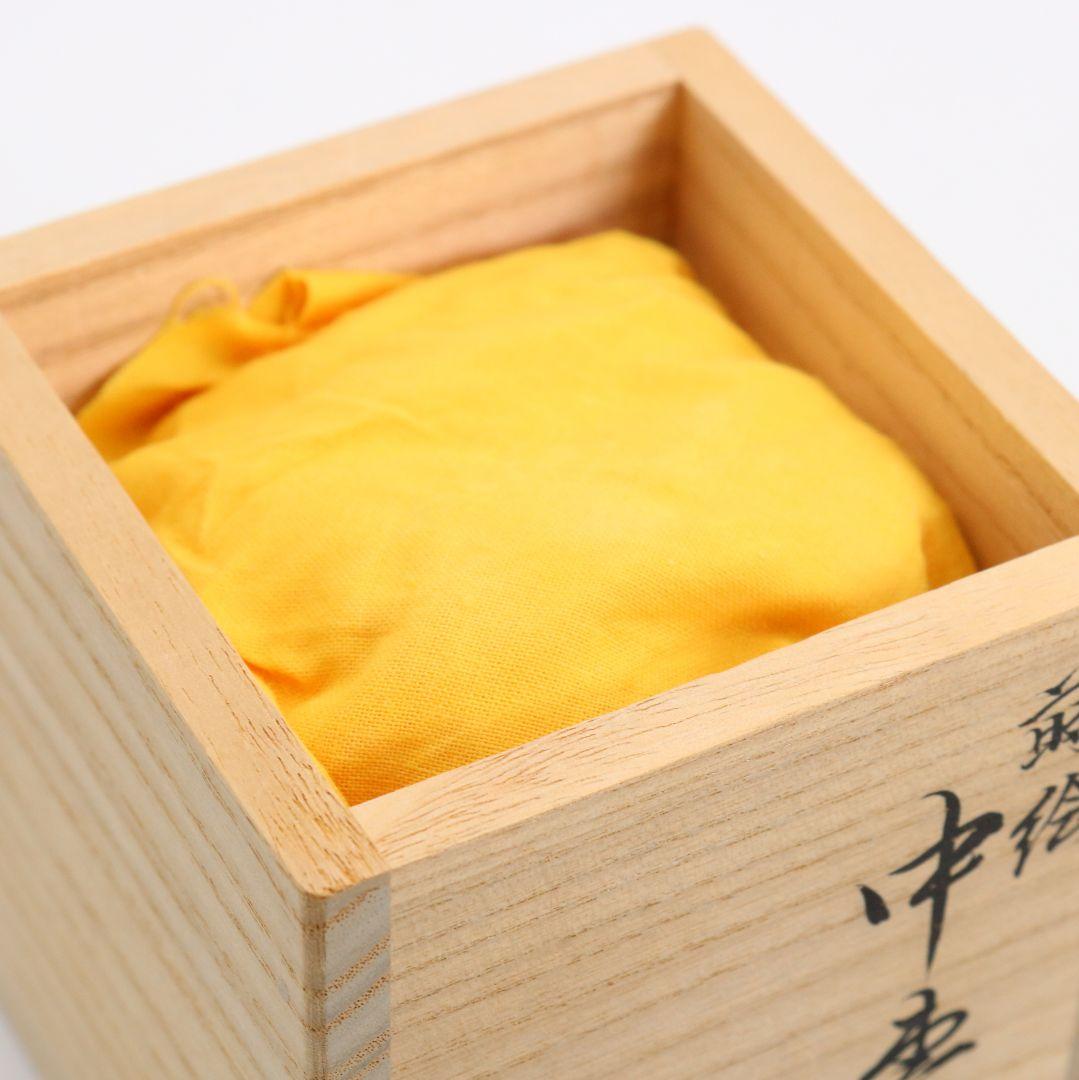
• Box: Tomobako (artist-signed wooden box)
• Condition: Excellent – no cracks, chips, or repairs
━━━━━━━━━━━━━━━━━━━━
🔹 [ CULTURAL & ARTISTIC INSIGHT ]
The washi-hari (和紙張) technique distinguishes this natsume from standard lacquerware. Before applying urushi layers, Tsukishiro Ryōsai wraps the wooden core in Japanese washi paper. The paper's fibrous texture remains perceptible beneath the lacquer surface—creating tactile irregularity that contrasts with mirror-smooth finishes typical of court lacquer. This textural foundation gives the willow maki-e an organic ground, as if gold branches float over handmade paper rather than industrial perfection.
Weeping willow (柳, yanagi) appears frequently in tea aesthetics, carrying associations with water, spring renewal, and graceful resilience. The drooping branches suggest yielding strength—bending without breaking, adapting without resistance. In tea context, willow often marks early spring gatherings when new growth appears along riverbanks.
*"Gold bends where paper breathes—willow and washi share the same patience."*
━━━━━━━━━━━━━━━━━━━━
🔹 [ DEEP-DIVE COMMENTARY ]
**Washi-Hari Technique**: Tsukishiro Ryōsai's use of washi-hari positions this work within mingei-influenced lacquer practice. Washi wrapping serves structural and aesthetic purposes. Structurally, the paper layer prevents wood grain from telegraphing through thin lacquer coats. Aesthetically, it introduces controlled imperfection—the washi texture creates micro-variations in surface reflection, breaking up uniform gloss into subtle matte-gloss transitions.
**Tame-nuri Lacquer Base**: The dark brown lacquer (tame-nuri, 溜塗り) allows underlying warmth to emerge. Unlike opaque black, tame-nuri builds depth through translucent layers that reveal amber tones in direct light. This warmth complements the gold willow branches, creating tonal harmony rather than stark contrast. The willow maki-e itself is rendered with botanical accuracy—each branch tapers naturally, smaller shoots diverging from main stems at organic angles.
**Chu-Natsume Versatility**: The chu-natsume proportion (medium height, balanced diameter-to-height ratio) makes this piece versatile across seasons and tea types. It holds sufficient powder for thick tea (koicha) while remaining elegant for thin tea (usucha) service. The form's symmetry and centered weight create stability during handling—important when working with lacquer objects whose value demands careful movement.
**Seasonal Symbolism**: Willow imagery connects to wabi-sabi aesthetics through associations with transience. Willow branches change dramatically with seasons—bare in winter, explosively green in spring, trailing in summer, golden in autumn. A willow natsume carries temporal awareness, reminding participants that the current gathering exists within seasonal flow. The washi texture reinforces this connection to natural cycles—handmade paper, like willow branches, bears visible marks of its making.
**Maker's Intent**: Ryōsai's signature (良斉) appears in the tomobako inscription alongside the notation 和紙張 (washi-hari), indicating the maker considered this technique significant enough to document. This suggests intentional departure from standard lacquer methods—a choice to prioritize tactile character over technical perfection.
━━━━━━━━━━━━━━━━━━━━
🔹 [ 日本語解説 ]
【基本情報】
• 作家:筑城良斉
• 技法:柳蒔絵・和紙張・溜塗
• 形状:中棗
• 寸法:直径6.6cm × 高さ6.7cm
• 付属:共箱
• 状態:良好
【解説】
筑城良斉による和紙張中棗。木地に和紙を貼り、その上に溜塗を施すことで、表面に微細な凹凸と温かみのある質感を生む。金蒔絵の柳は自然な枝ぶりで描かれ、和紙の不均一な下地と呼応している。民藝的な手仕事の痕跡を残しながら、茶道具としての品格を保つ作品。柳の意匠は春の茶事にふさわしく、季節感ある席を演出する。
━━━━━━━━━━━━━━━━━━━━
🔹 [ SHIPPING & PACKAGING ]
• Dispatch: Within 1-6 business days
• Carrier: Japan Post EMS / UPS (with tracking)
• Packaging: Carefully wrapped with protective materials
*Paper holds lacquer—willow bends into gold. Texture speaks first.*
━━━━━━━━━━━━━━━━━━━━
🔹 [ BASIC DETAILS ]
• Artist: Tsukishiro Ryōsai (筑城良斉)
• Technique: Gold maki-e on washi-hari (和紙張) base with tame-nuri lacquer
• Era: Contemporary (Heisei–Reiwa period)
• Origin: Japan
• Dimensions: 6.6 cm diameter × 6.7 cm height (2.6" × 2.6")
• Box: Tomobako (artist-signed wooden box)
• Condition: Excellent – no cracks, chips, or repairs
━━━━━━━━━━━━━━━━━━━━
🔹 [ CULTURAL & ARTISTIC INSIGHT ]
The washi-hari (和紙張) technique distinguishes this natsume from standard lacquerware. Before applying urushi layers, Tsukishiro Ryōsai wraps the wooden core in Japanese washi paper. The paper's fibrous texture remains perceptible beneath the lacquer surface—creating tactile irregularity that contrasts with mirror-smooth finishes typical of court lacquer. This textural foundation gives the willow maki-e an organic ground, as if gold branches float over handmade paper rather than industrial perfection.
Weeping willow (柳, yanagi) appears frequently in tea aesthetics, carrying associations with water, spring renewal, and graceful resilience. The drooping branches suggest yielding strength—bending without breaking, adapting without resistance. In tea context, willow often marks early spring gatherings when new growth appears along riverbanks.
*"Gold bends where paper breathes—willow and washi share the same patience."*
━━━━━━━━━━━━━━━━━━━━
🔹 [ DEEP-DIVE COMMENTARY ]
**Washi-Hari Technique**: Tsukishiro Ryōsai's use of washi-hari positions this work within mingei-influenced lacquer practice. Washi wrapping serves structural and aesthetic purposes. Structurally, the paper layer prevents wood grain from telegraphing through thin lacquer coats. Aesthetically, it introduces controlled imperfection—the washi texture creates micro-variations in surface reflection, breaking up uniform gloss into subtle matte-gloss transitions.
**Tame-nuri Lacquer Base**: The dark brown lacquer (tame-nuri, 溜塗り) allows underlying warmth to emerge. Unlike opaque black, tame-nuri builds depth through translucent layers that reveal amber tones in direct light. This warmth complements the gold willow branches, creating tonal harmony rather than stark contrast. The willow maki-e itself is rendered with botanical accuracy—each branch tapers naturally, smaller shoots diverging from main stems at organic angles.
**Chu-Natsume Versatility**: The chu-natsume proportion (medium height, balanced diameter-to-height ratio) makes this piece versatile across seasons and tea types. It holds sufficient powder for thick tea (koicha) while remaining elegant for thin tea (usucha) service. The form's symmetry and centered weight create stability during handling—important when working with lacquer objects whose value demands careful movement.
**Seasonal Symbolism**: Willow imagery connects to wabi-sabi aesthetics through associations with transience. Willow branches change dramatically with seasons—bare in winter, explosively green in spring, trailing in summer, golden in autumn. A willow natsume carries temporal awareness, reminding participants that the current gathering exists within seasonal flow. The washi texture reinforces this connection to natural cycles—handmade paper, like willow branches, bears visible marks of its making.
**Maker's Intent**: Ryōsai's signature (良斉) appears in the tomobako inscription alongside the notation 和紙張 (washi-hari), indicating the maker considered this technique significant enough to document. This suggests intentional departure from standard lacquer methods—a choice to prioritize tactile character over technical perfection.
━━━━━━━━━━━━━━━━━━━━
🔹 [ 日本語解説 ]
【基本情報】
• 作家:筑城良斉
• 技法:柳蒔絵・和紙張・溜塗
• 形状:中棗
• 寸法:直径6.6cm × 高さ6.7cm
• 付属:共箱
• 状態:良好
【解説】
筑城良斉による和紙張中棗。木地に和紙を貼り、その上に溜塗を施すことで、表面に微細な凹凸と温かみのある質感を生む。金蒔絵の柳は自然な枝ぶりで描かれ、和紙の不均一な下地と呼応している。民藝的な手仕事の痕跡を残しながら、茶道具としての品格を保つ作品。柳の意匠は春の茶事にふさわしく、季節感ある席を演出する。
━━━━━━━━━━━━━━━━━━━━
🔹 [ SHIPPING & PACKAGING ]
• Dispatch: Within 1-6 business days
• Carrier: Japan Post EMS / UPS (with tracking)
• Packaging: Carefully wrapped with protective materials
*Paper holds lacquer—willow bends into gold. Texture speaks first.*
Quantity
Couldn't load pickup availability
Out of stock
View full details