1
/
of
11
Washi-Bari Maki-e Crane & Pine Chu-Natsume by Masamine
Washi-Bari Maki-e Crane & Pine Chu-Natsume by Masamine
Regular price
Dhs. 1,233.00 AED
Regular price
Sale price
Dhs. 1,233.00 AED
Taxes included.
Shipping calculated at checkout.
Experience authentic Japanese tea culture with this Washi-Bari Tea Caddy featuring exquisite Maki-e Lacquerwork by the accomplished artist Masamine. This Chu-Natsume Tea Container exemplifies the refined traditions of Japanese Lacquer Art, where Gold Crane Maki-e motifs of Matsukui-tsuru — cranes carrying pine — grace every surface. A distinguished Chado Tea Accessory and a compelling Japanese Art Gift for any Zen Tea Ceremony Decor collection, this piece carries the quiet gravity of an Auspicious Crane Motif rendered through masterful Urushi Craft. A true Collector Tea Caddy of undeniable presence.
━━━━━━━━━━━━━━━━━━━━
🔹 [ BASIC DETAILS ]
• Artist: Masamine (政峰)
• Technique: Washi-bari (和紙張) with gold maki-e (蒔絵)
• Era: Contemporary (Heisei–Reiwa)
• Origin: Japan
• Dimensions: H 6.7 cm × D 6.7 cm
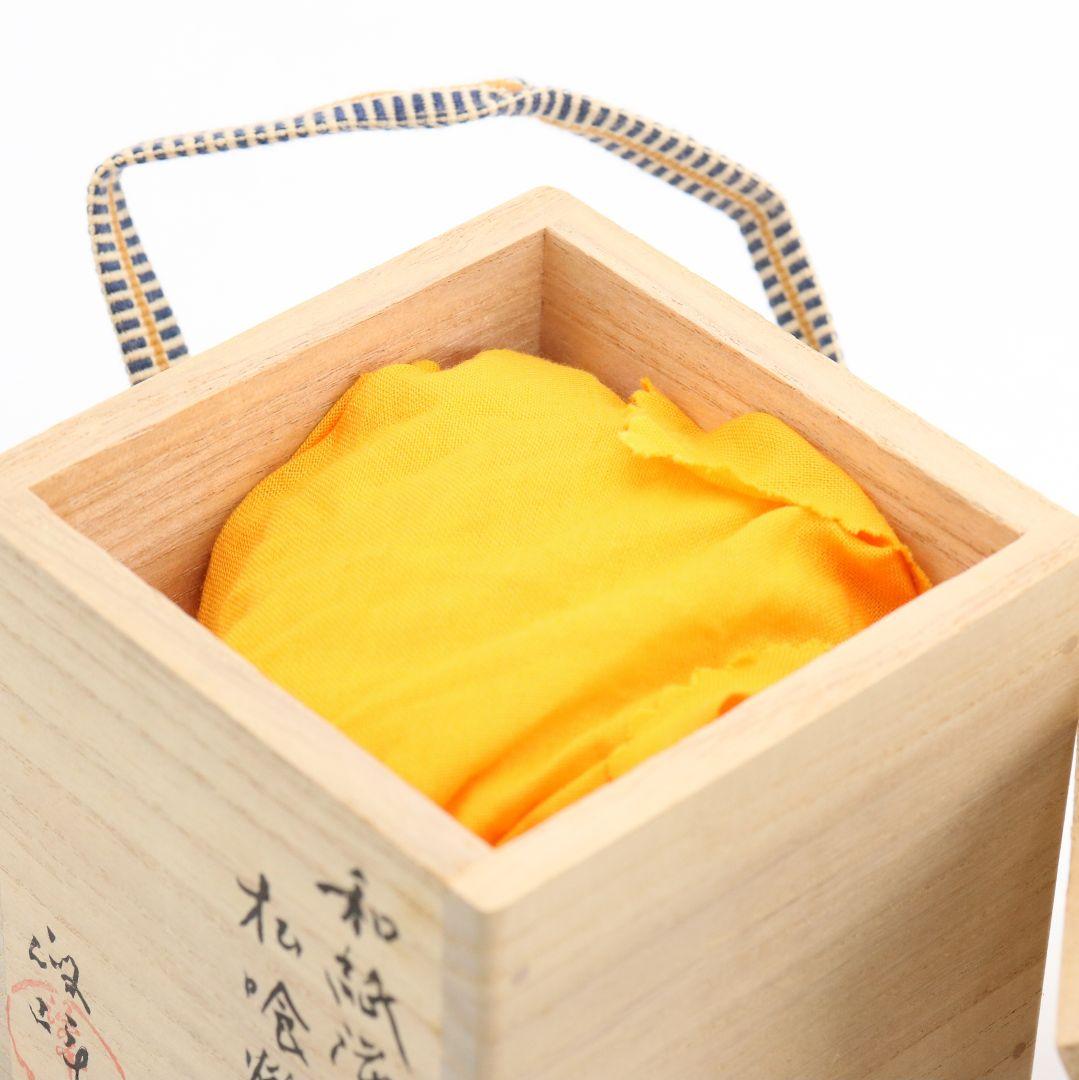
• Box: Tomobako (artist-signed wooden storage box) with inscription and red seal
• Condition: Excellent
━━━━━━━━━━━━━━━━━━━━
🔹 [ CULTURAL & ARTISTIC INSIGHT ]
The matsukui-tsuru (松喰鶴) motif — cranes bearing pine branches in flight — is among the most auspicious iconographic traditions in Japanese decorative arts. It weaves together two of Japan's most potent symbols of longevity: the crane, said to live a thousand years, and the pine, which endures through every season. When these elements appear together on a tea utensil, they carry not just decorative beauty but a concentrated wish for enduring fortune.
What distinguishes this natsume is the washi-bari technique — the layering of handmade Japanese paper over the lacquer substrate before finishing. This creates an organic, subtly textured surface that no brush alone can replicate. Each crease and fiber of the washi becomes part of the visual language, lending the piece an earthen warmth beneath the precise gold maki-e linework above.
Masamine renders four to five cranes in varying postures of flight, each surrounded by delicate pine branches drawn in fine gold lines. The composition wraps continuously around the body, so every angle of the natsume reveals a different moment in the cranes' passage — as though the viewer has caught them mid-journey.
*"A thousand-year wish, carried on gold wings across a surface that remembers the papermaker's hand."*
━━━━━━━━━━━━━━━━━━━━
🔹 [ DEEP-DIVE COMMENTARY ]
**Washi-Bari Technique**: Washi-bari involves adhering sheets of handmade Japanese paper — often kozo or gampi fiber — onto a lacquered body, then sealing them with additional coats of urushi. The paper's natural texture is preserved beneath the translucent lacquer, creating an interplay between the organic irregularity of handmade paper and the mirror-discipline of lacquerwork. It is a technique that demands patience: each layer must cure fully before the next is applied.
**Matsukui-Tsuru Iconography**: This motif traces its origins to Chinese painting traditions absorbed into Japanese art during the Heian period, later becoming a staple of textile design, ceramics, and lacquerware. In the tea ceremony context, a matsukui-tsuru natsume would be especially appropriate for New Year gatherings (hatsugama) or celebrations marking longevity and good fortune.
**Chu-Natsume Form**: The chu-natsume (medium tea caddy) occupies the middle ground between the smaller ko-natsume and the larger o-natsume. Its proportions are ideally suited for holding thin tea (usucha) in quantities appropriate for a standard gathering of guests. The form's gentle dome and satisfying weight in the palm are integral to the tactile experience of temae.
**Interior Finish**: The deep black kuro-nuri interior serves both aesthetic and functional purposes — it provides a clean, neutral backdrop against the bright green of matcha while also offering maximum protection against moisture. The pristine condition of this interior suggests careful ownership and proper storage throughout its life.
━━━━━━━━━━━━━━━━━━━━
🔹 [ 日本語解説 ]
【基本情報】
• 作家:政峰
• 技法:和紙張・金蒔絵
• 時代:現代(平成〜令和)
• 産地:日本
• 寸法:高さ 6.7 cm × 径 6.7 cm
• 付属:共箱(箱書「和紙張 松喰鶴 中棗」、朱印「政峰」)
• 状態:良好
【解説】
和紙張の技法により、手漉き和紙の繊維が漆面の下に透けて見え、独特の風合いを生み出しています。その有機的な地肌の上に、金蒔絵で松喰鶴の図が丁寧に描かれています。松を咥えて飛翔する鶴は四〜五羽、それぞれ異なる姿態で中棗の胴を巡り、どの角度から見ても新たな情景が現れます。
松喰鶴は長寿と吉祥を象徴する伝統的な意匠であり、初釜や慶事の席にふさわしい格調を備えています。内側は黒塗で仕上げられ、抹茶の緑を美しく映します。共箱には作家自筆の箱書と朱印が押され、作品の来歴を静かに語っています。
━━━━━━━━━━━━━━━━━━━━
🔹 [ SHIPPING & PACKAGING ]
• Dispatch: Within 1-6 business days
• Carrier: Japan Post EMS / UPS (with tracking)
• Packaging: Carefully wrapped with protective materials
*What endures is not spoken — it is layered, sealed, and carried forward.*
━━━━━━━━━━━━━━━━━━━━
🔹 [ BASIC DETAILS ]
• Artist: Masamine (政峰)
• Technique: Washi-bari (和紙張) with gold maki-e (蒔絵)
• Era: Contemporary (Heisei–Reiwa)
• Origin: Japan
• Dimensions: H 6.7 cm × D 6.7 cm
• Box: Tomobako (artist-signed wooden storage box) with inscription and red seal
• Condition: Excellent
━━━━━━━━━━━━━━━━━━━━
🔹 [ CULTURAL & ARTISTIC INSIGHT ]
The matsukui-tsuru (松喰鶴) motif — cranes bearing pine branches in flight — is among the most auspicious iconographic traditions in Japanese decorative arts. It weaves together two of Japan's most potent symbols of longevity: the crane, said to live a thousand years, and the pine, which endures through every season. When these elements appear together on a tea utensil, they carry not just decorative beauty but a concentrated wish for enduring fortune.
What distinguishes this natsume is the washi-bari technique — the layering of handmade Japanese paper over the lacquer substrate before finishing. This creates an organic, subtly textured surface that no brush alone can replicate. Each crease and fiber of the washi becomes part of the visual language, lending the piece an earthen warmth beneath the precise gold maki-e linework above.
Masamine renders four to five cranes in varying postures of flight, each surrounded by delicate pine branches drawn in fine gold lines. The composition wraps continuously around the body, so every angle of the natsume reveals a different moment in the cranes' passage — as though the viewer has caught them mid-journey.
*"A thousand-year wish, carried on gold wings across a surface that remembers the papermaker's hand."*
━━━━━━━━━━━━━━━━━━━━
🔹 [ DEEP-DIVE COMMENTARY ]
**Washi-Bari Technique**: Washi-bari involves adhering sheets of handmade Japanese paper — often kozo or gampi fiber — onto a lacquered body, then sealing them with additional coats of urushi. The paper's natural texture is preserved beneath the translucent lacquer, creating an interplay between the organic irregularity of handmade paper and the mirror-discipline of lacquerwork. It is a technique that demands patience: each layer must cure fully before the next is applied.
**Matsukui-Tsuru Iconography**: This motif traces its origins to Chinese painting traditions absorbed into Japanese art during the Heian period, later becoming a staple of textile design, ceramics, and lacquerware. In the tea ceremony context, a matsukui-tsuru natsume would be especially appropriate for New Year gatherings (hatsugama) or celebrations marking longevity and good fortune.
**Chu-Natsume Form**: The chu-natsume (medium tea caddy) occupies the middle ground between the smaller ko-natsume and the larger o-natsume. Its proportions are ideally suited for holding thin tea (usucha) in quantities appropriate for a standard gathering of guests. The form's gentle dome and satisfying weight in the palm are integral to the tactile experience of temae.
**Interior Finish**: The deep black kuro-nuri interior serves both aesthetic and functional purposes — it provides a clean, neutral backdrop against the bright green of matcha while also offering maximum protection against moisture. The pristine condition of this interior suggests careful ownership and proper storage throughout its life.
━━━━━━━━━━━━━━━━━━━━
🔹 [ 日本語解説 ]
【基本情報】
• 作家:政峰
• 技法:和紙張・金蒔絵
• 時代:現代(平成〜令和)
• 産地:日本
• 寸法:高さ 6.7 cm × 径 6.7 cm
• 付属:共箱(箱書「和紙張 松喰鶴 中棗」、朱印「政峰」)
• 状態:良好
【解説】
和紙張の技法により、手漉き和紙の繊維が漆面の下に透けて見え、独特の風合いを生み出しています。その有機的な地肌の上に、金蒔絵で松喰鶴の図が丁寧に描かれています。松を咥えて飛翔する鶴は四〜五羽、それぞれ異なる姿態で中棗の胴を巡り、どの角度から見ても新たな情景が現れます。
松喰鶴は長寿と吉祥を象徴する伝統的な意匠であり、初釜や慶事の席にふさわしい格調を備えています。内側は黒塗で仕上げられ、抹茶の緑を美しく映します。共箱には作家自筆の箱書と朱印が押され、作品の来歴を静かに語っています。
━━━━━━━━━━━━━━━━━━━━
🔹 [ SHIPPING & PACKAGING ]
• Dispatch: Within 1-6 business days
• Carrier: Japan Post EMS / UPS (with tracking)
• Packaging: Carefully wrapped with protective materials
*What endures is not spoken — it is layered, sealed, and carried forward.*
Quantity
Couldn't load pickup availability
Low stock: 1 left
View full details