1
/
of
19
Wajima-nuri Senmen Maki-e Natsume by Shimizu Shozo - Gold Fan Design Tea Caddy with Box
Regular price
Dhs. 1,061.00 AED
Regular price
Sale price
Dhs. 1,061.00 AED
Taxes included.
Shipping calculated at checkout.
Experience authentic Japanese lacquerware with this Wajima-nuri Senmen Maki-e Natsume by Shimizu Shozo. This Japanese Tea Caddy serves as a Gold Maki-e Art piece and Wajima Lacquerware, featuring Senmen Fan Design and Urushi Lacquer Finish—a must-have for any Tea Ceremony Collector seeking Black Lacquer Art and Authentic Japan Art.
━━━━━━━━━━━━━━━━━━━━
🔹 [ BASIC DETAILS ]
• Artist: Shimizu Shozo (清水庄三)
• Technique: Wajima-nuri with senmen maki-e (scattered fan design)
• Era: Contemporary
• Origin: Wajima, Ishikawa Prefecture, Japan
• Dimensions: Height approx. 7 cm × Width approx. 7.2 cm (2.8" × 2.8")
• Weight: Approx. 58 g
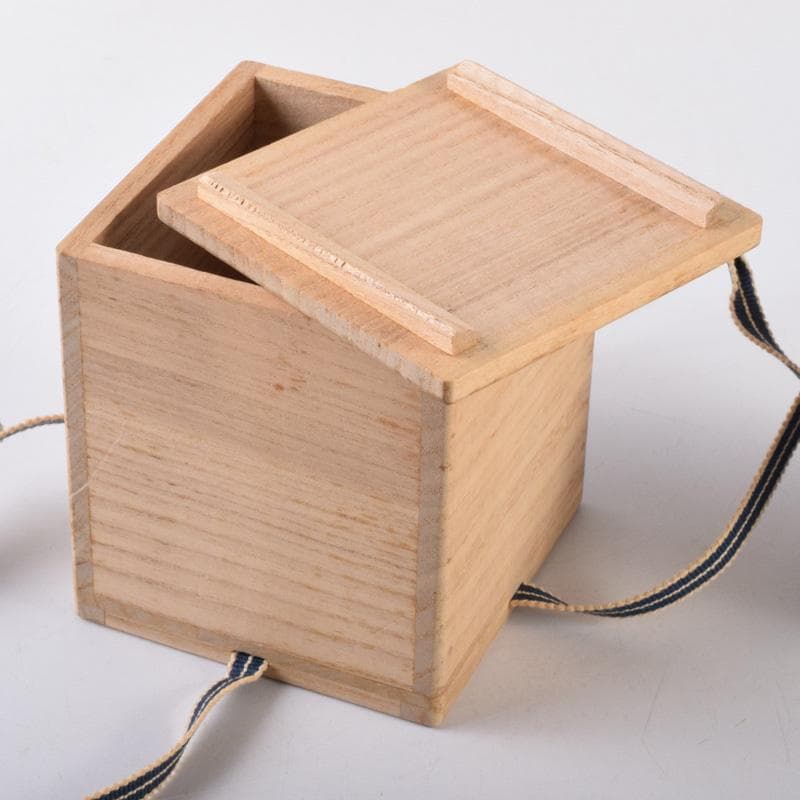
• Box: Signed tomobako (共箱) with red seal, blue/white striped cord
• Accessories: Yellow silk cloth
• Condition: Good — small chip on lid edge; body and interior in excellent condition. Mirror-finish lacquer intact on all other surfaces.
━━━━━━━━━━━━━━━━━━━━
🔹 [ CULTURAL & ARTISTIC INSIGHT ]
The scattered fan motif (ogi-chirashi) carries layered meaning in Japanese aesthetics. Fans represent social refinement and expanding fortune — their opening motion symbolizes prosperity unfolding. When scattered across a surface in various orientations, they create a dynamic composition called chirashi that balances density with breathing space.
Shimizu Shozo's execution within the Wajima-nuri tradition adds another dimension of cultural weight. Wajima lacquerware from Ishikawa Prefecture is distinguished by its extraordinary durability — up to 124 layers of urushi application, each dried, polished, and sealed. The deep black ground achieves a mirror-like depth that amplifies the warmth of gold and vermilion fans.
Some fans display coral-red surfaces with delicate floral designs — cherry blossoms for renewal, chrysanthemums for nobility. Others show gold-leaf interiors with subtle botanical patterns. The variety within unity speaks to the Japanese aesthetic principle of unity in multiplicity.
*"Each fan opens a different season. Together they hold the whole year."*
━━━━━━━━━━━━━━━━━━━━
🔹 [ DEEP-DIVE COMMENTARY ]
**Wajima-nuri Heritage**: Wajima lacquerware production dates to the Muromachi period (15th century). The distinctive technique involves mixing powdered diatomaceous earth (jinoko) into the base layers, creating exceptional hardness. This foundation allows Wajima pieces to endure centuries of use — many survive from the Edo period in functional condition.
**Senmen Tradition**: The scattered fan motif originated in Heian-period court culture, where decorative fans were both practical tools and symbols of status. In maki-e, rendering multiple fans at different angles requires compositional mastery — each fan must read clearly while contributing to the overall rhythm.
**Technical Achievement**: The gold line work depicting fan ribs creates dynamic movement across the natsume surface. The vermilion fans use iro-urushi (colored lacquer) layered over gold leaf, producing depth that shifts with viewing angle. Fine brushwork depicting floral motifs within the fans demonstrates miniature painting skill at the highest level.
**Condition Note**: The small chip on the lid edge reflects the tea principle of finding beauty in use-marks. In tea ceremony context, such marks become part of the caddy's story — evidence of a life lived in practice rather than in a display case.
━━━━━━━━━━━━━━━━━━━━
🔹 [ 日本語解説 ]
【基本情報】
• 作家:清水庄三
• 技法:輪島塗、扇面蒔絵
• 時代:現代
• 産地:石川県輪島
• 寸法:高さ約7cm × 幅約7.2cm
• 重量:約58g
• 付属:共箱(赤印・紺白紐)、黄色帛紗
• 状態:良 — 蓋縁に小さな欠けあり。胴体・内側は良好。漆面の光沢は健在。
【解説】
清水庄三作、輪島塗の扇面蒔絵棗です。黒漆地に金蒔絵で散らし扇を描いた華やかな意匠で、扇は社交の洗練と繁栄を象徴する吉祥文様です。朱地に桜や菊を配した扇が動きのある構図を生み出し、金の線描による骨の表現が画面に躍動感を与えています。
輪島塗は珪藻土粉(地の粉)を下地に混ぜる独自技法により、他産地を凌駕する堅牢さを誇ります。蓋縁に小さな欠けがありますが、これは使用の証として茶の湯の世界では「景色」の一部とも捉えられます。
━━━━━━━━━━━━━━━━━━━━
🔹 [ SHIPPING & PACKAGING ]
• Dispatch: Within 1-6 business days
• Carrier: Japan Post EMS / UPS (with tracking)
• Packaging: Carefully wrapped with protective materials
*Each fan opens a different season — together they hold the whole year.*
━━━━━━━━━━━━━━━━━━━━
🔹 [ BASIC DETAILS ]
• Artist: Shimizu Shozo (清水庄三)
• Technique: Wajima-nuri with senmen maki-e (scattered fan design)
• Era: Contemporary
• Origin: Wajima, Ishikawa Prefecture, Japan
• Dimensions: Height approx. 7 cm × Width approx. 7.2 cm (2.8" × 2.8")
• Weight: Approx. 58 g
• Box: Signed tomobako (共箱) with red seal, blue/white striped cord
• Accessories: Yellow silk cloth
• Condition: Good — small chip on lid edge; body and interior in excellent condition. Mirror-finish lacquer intact on all other surfaces.
━━━━━━━━━━━━━━━━━━━━
🔹 [ CULTURAL & ARTISTIC INSIGHT ]
The scattered fan motif (ogi-chirashi) carries layered meaning in Japanese aesthetics. Fans represent social refinement and expanding fortune — their opening motion symbolizes prosperity unfolding. When scattered across a surface in various orientations, they create a dynamic composition called chirashi that balances density with breathing space.
Shimizu Shozo's execution within the Wajima-nuri tradition adds another dimension of cultural weight. Wajima lacquerware from Ishikawa Prefecture is distinguished by its extraordinary durability — up to 124 layers of urushi application, each dried, polished, and sealed. The deep black ground achieves a mirror-like depth that amplifies the warmth of gold and vermilion fans.
Some fans display coral-red surfaces with delicate floral designs — cherry blossoms for renewal, chrysanthemums for nobility. Others show gold-leaf interiors with subtle botanical patterns. The variety within unity speaks to the Japanese aesthetic principle of unity in multiplicity.
*"Each fan opens a different season. Together they hold the whole year."*
━━━━━━━━━━━━━━━━━━━━
🔹 [ DEEP-DIVE COMMENTARY ]
**Wajima-nuri Heritage**: Wajima lacquerware production dates to the Muromachi period (15th century). The distinctive technique involves mixing powdered diatomaceous earth (jinoko) into the base layers, creating exceptional hardness. This foundation allows Wajima pieces to endure centuries of use — many survive from the Edo period in functional condition.
**Senmen Tradition**: The scattered fan motif originated in Heian-period court culture, where decorative fans were both practical tools and symbols of status. In maki-e, rendering multiple fans at different angles requires compositional mastery — each fan must read clearly while contributing to the overall rhythm.
**Technical Achievement**: The gold line work depicting fan ribs creates dynamic movement across the natsume surface. The vermilion fans use iro-urushi (colored lacquer) layered over gold leaf, producing depth that shifts with viewing angle. Fine brushwork depicting floral motifs within the fans demonstrates miniature painting skill at the highest level.
**Condition Note**: The small chip on the lid edge reflects the tea principle of finding beauty in use-marks. In tea ceremony context, such marks become part of the caddy's story — evidence of a life lived in practice rather than in a display case.
━━━━━━━━━━━━━━━━━━━━
🔹 [ 日本語解説 ]
【基本情報】
• 作家:清水庄三
• 技法:輪島塗、扇面蒔絵
• 時代:現代
• 産地:石川県輪島
• 寸法:高さ約7cm × 幅約7.2cm
• 重量:約58g
• 付属:共箱(赤印・紺白紐)、黄色帛紗
• 状態:良 — 蓋縁に小さな欠けあり。胴体・内側は良好。漆面の光沢は健在。
【解説】
清水庄三作、輪島塗の扇面蒔絵棗です。黒漆地に金蒔絵で散らし扇を描いた華やかな意匠で、扇は社交の洗練と繁栄を象徴する吉祥文様です。朱地に桜や菊を配した扇が動きのある構図を生み出し、金の線描による骨の表現が画面に躍動感を与えています。
輪島塗は珪藻土粉(地の粉)を下地に混ぜる独自技法により、他産地を凌駕する堅牢さを誇ります。蓋縁に小さな欠けがありますが、これは使用の証として茶の湯の世界では「景色」の一部とも捉えられます。
━━━━━━━━━━━━━━━━━━━━
🔹 [ SHIPPING & PACKAGING ]
• Dispatch: Within 1-6 business days
• Carrier: Japan Post EMS / UPS (with tracking)
• Packaging: Carefully wrapped with protective materials
*Each fan opens a different season — together they hold the whole year.*
Quantity
Couldn't load pickup availability
Low stock: 1 left
View full details