1
/
of
12
Wajima-nuri Chinkin Pine Natsume Tea Caddy by Taniuchi Kazuko
Wajima-nuri Chinkin Pine Natsume Tea Caddy by Taniuchi Kazuko
Regular price
Dhs. 3,981.00 AED
Regular price
Sale price
Dhs. 3,981.00 AED
Taxes included.
Shipping calculated at checkout.
Experience authentic Japanese lacquerware with this Wajima-nuri Chinkin Pine Natsume by Taniuchi Kazuko. This tea caddy serves as a functional chado utensil and a testament to chinkin craftsmanship, featuring gold-incised pine motifs and mirror-finish black urushi—a must-have for any tea ceremony practitioner seeking Wajima lacquer artistry and museum-quality Japanese craft.
━━━━━━━━━━━━━━━━━━━━
🔹 [ BASIC DETAILS ]
• Artist: Taniuchi Kazuko (谷内和子)
• Origin: Wajima, Ishikawa Prefecture, Japan
• Technique: Chinkin (沈金) — incised gold on lacquer
• Era: Contemporary (Heisei–Reiwa period)
• Form: Chu-natsume (中棗) — medium jujube-shaped tea caddy
• Dimensions: 6.8 cm × 6.8 cm (2.7" × 2.7")
• Material: Wood core, multiple urushi lacquer layers, gold powder inlay
• Motif: Pine (松 matsu)
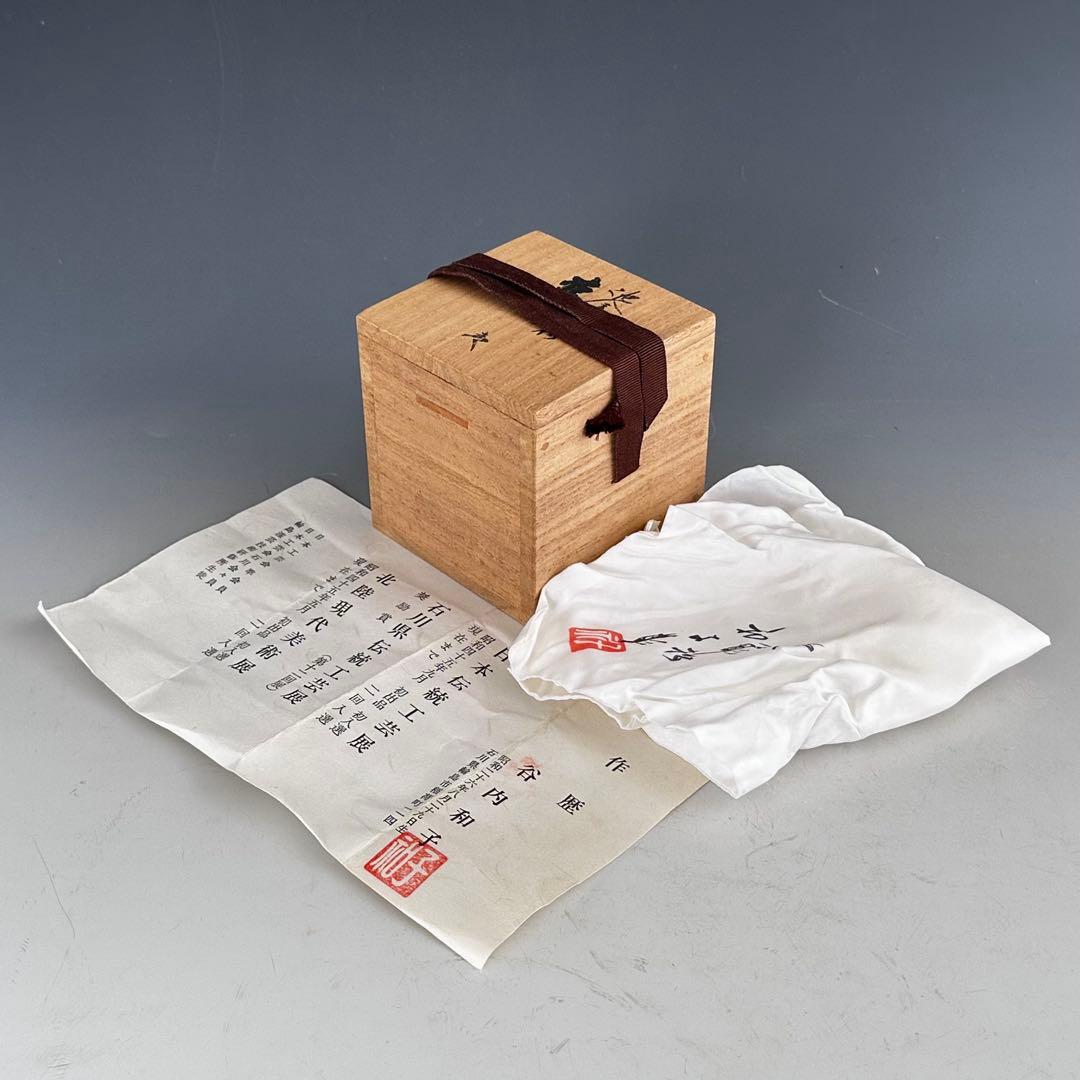
• Box: Tomobako (signed wooden storage box) with artist seal
• Condition: Excellent — flawless lacquer surface, intact gold work
━━━━━━━━━━━━━━━━━━━━
🔹 [ CULTURAL & ARTISTIC INSIGHT ]
Chinkin is among the most demanding techniques in the Japanese lacquer tradition. The artist scores fine lines into a fully cured urushi surface with a razor-sharp blade, then presses gold powder into each incision by hand. A single compositional error cannot be undone. The discipline required is absolute—each stroke is a commitment.
Taniuchi Kazuko trained within the Wajima lineage, where chinkin has been refined across generations. Her pine compositions demonstrate the naturalistic restraint that distinguishes accomplished chinkin work from decorative imitation. The pine needles fan across the mirror-black surface in elegant clusters, each rendered with calligraphic precision — needles so fine they seem to tremble.
*"Gold does not decorate this surface. It inhabits the grooves that discipline carved into lacquer."*
━━━━━━━━━━━━━━━━━━━━
🔹 [ DEEP-DIVE COMMENTARY ]
**The Chinkin Process**: After the lacquer ground is built through dozens of coats—each dried, polished, and recoated—the surface becomes stone-hard. The artist then draws with a pointed chisel called a chinkin-to, cutting grooves thinner than a human hair. Raw urushi is applied as adhesive, and gold powder is pressed into the incisions. Excess gold is wiped away, leaving only what the grooves hold. This process may be repeated across weeks to achieve the layered depth visible on this piece.
**Pine as Cultural Cipher**: The pine does not merely decorate. In Japanese aesthetic thought, matsu embodies continuity—the tree that remains green through winter, that bends without breaking. In chado, a pine motif signals steadfastness and a quiet refusal to yield to time. Taniuchi renders individual needles with calligraphic precision, each cluster a small act of patience.
**Wajima-nuri Distinction**: Wajima lacquerware undergoes more production stages than any other Japanese urushi tradition—over 120 steps from wood forming to final polish. The foundation includes jinoko earth powder mixed with raw lacquer, creating a substrate of unusual hardness. This is why Wajima pieces develop their characteristic mirror depth. The black ground on this natsume carries that unmistakable density.
**The Natsume in Tea Practice**: The chu-natsume sits at the center of usucha preparation. Its form—derived from the jujube fruit—is designed to rest comfortably in the palm during the ritual purification sequence. The host rotates the caddy to present its face to the guest. In this piece, the pine composition is arranged so the primary branch greets the viewer at the moment of presentation. Nothing here is accidental.
━━━━━━━━━━━━━━━━━━━━
🔹 [ 日本語解説 ]
【基本情報】
• 作家:谷内和子
• 技法:沈金(金粉象嵌)
• 時代:現代(平成〜令和)
• 産地:石川県輪島
• 形状:中棗
• 寸法:6.8cm × 6.8cm
• 文様:松
• 付属:共箱(署名・落款あり)
• 状態:良好
【解説】
谷内和子による沈金松文中棗。石川県輪島の伝統技法「沈金」は、完全に硬化した漆の表面に鋭い刃物で文様を彫り込み、金粉を埋め込む技法です。一本一本の松葉が精緻な金線で表現され、漆黒の鏡面仕上げとの対比が静かな存在感を生み出しています。
輪島塗は木地作りから上塗りまで120以上の工程を経る日本最高峰の漆器産地。地の粉(珪藻土)を混ぜた下地が独特の硬さと深みを生み、この棗の漆黒の艶にもその伝統が宿っています。茶道の薄茶点前に用いる中棗として、実用と鑑賞の両面を備えた作品です。
━━━━━━━━━━━━━━━━━━━━
🔹 [ SHIPPING & PACKAGING ]
• Dispatch: Within 1-6 business days
• Carrier: Japan Post EMS / UPS (with tracking)
• Packaging: Carefully wrapped with protective materials
*A pine holds its green through the coldest season. Some objects carry that same quiet insistence.*
━━━━━━━━━━━━━━━━━━━━
🔹 [ BASIC DETAILS ]
• Artist: Taniuchi Kazuko (谷内和子)
• Origin: Wajima, Ishikawa Prefecture, Japan
• Technique: Chinkin (沈金) — incised gold on lacquer
• Era: Contemporary (Heisei–Reiwa period)
• Form: Chu-natsume (中棗) — medium jujube-shaped tea caddy
• Dimensions: 6.8 cm × 6.8 cm (2.7" × 2.7")
• Material: Wood core, multiple urushi lacquer layers, gold powder inlay
• Motif: Pine (松 matsu)
• Box: Tomobako (signed wooden storage box) with artist seal
• Condition: Excellent — flawless lacquer surface, intact gold work
━━━━━━━━━━━━━━━━━━━━
🔹 [ CULTURAL & ARTISTIC INSIGHT ]
Chinkin is among the most demanding techniques in the Japanese lacquer tradition. The artist scores fine lines into a fully cured urushi surface with a razor-sharp blade, then presses gold powder into each incision by hand. A single compositional error cannot be undone. The discipline required is absolute—each stroke is a commitment.
Taniuchi Kazuko trained within the Wajima lineage, where chinkin has been refined across generations. Her pine compositions demonstrate the naturalistic restraint that distinguishes accomplished chinkin work from decorative imitation. The pine needles fan across the mirror-black surface in elegant clusters, each rendered with calligraphic precision — needles so fine they seem to tremble.
*"Gold does not decorate this surface. It inhabits the grooves that discipline carved into lacquer."*
━━━━━━━━━━━━━━━━━━━━
🔹 [ DEEP-DIVE COMMENTARY ]
**The Chinkin Process**: After the lacquer ground is built through dozens of coats—each dried, polished, and recoated—the surface becomes stone-hard. The artist then draws with a pointed chisel called a chinkin-to, cutting grooves thinner than a human hair. Raw urushi is applied as adhesive, and gold powder is pressed into the incisions. Excess gold is wiped away, leaving only what the grooves hold. This process may be repeated across weeks to achieve the layered depth visible on this piece.
**Pine as Cultural Cipher**: The pine does not merely decorate. In Japanese aesthetic thought, matsu embodies continuity—the tree that remains green through winter, that bends without breaking. In chado, a pine motif signals steadfastness and a quiet refusal to yield to time. Taniuchi renders individual needles with calligraphic precision, each cluster a small act of patience.
**Wajima-nuri Distinction**: Wajima lacquerware undergoes more production stages than any other Japanese urushi tradition—over 120 steps from wood forming to final polish. The foundation includes jinoko earth powder mixed with raw lacquer, creating a substrate of unusual hardness. This is why Wajima pieces develop their characteristic mirror depth. The black ground on this natsume carries that unmistakable density.
**The Natsume in Tea Practice**: The chu-natsume sits at the center of usucha preparation. Its form—derived from the jujube fruit—is designed to rest comfortably in the palm during the ritual purification sequence. The host rotates the caddy to present its face to the guest. In this piece, the pine composition is arranged so the primary branch greets the viewer at the moment of presentation. Nothing here is accidental.
━━━━━━━━━━━━━━━━━━━━
🔹 [ 日本語解説 ]
【基本情報】
• 作家:谷内和子
• 技法:沈金(金粉象嵌)
• 時代:現代(平成〜令和)
• 産地:石川県輪島
• 形状:中棗
• 寸法:6.8cm × 6.8cm
• 文様:松
• 付属:共箱(署名・落款あり)
• 状態:良好
【解説】
谷内和子による沈金松文中棗。石川県輪島の伝統技法「沈金」は、完全に硬化した漆の表面に鋭い刃物で文様を彫り込み、金粉を埋め込む技法です。一本一本の松葉が精緻な金線で表現され、漆黒の鏡面仕上げとの対比が静かな存在感を生み出しています。
輪島塗は木地作りから上塗りまで120以上の工程を経る日本最高峰の漆器産地。地の粉(珪藻土)を混ぜた下地が独特の硬さと深みを生み、この棗の漆黒の艶にもその伝統が宿っています。茶道の薄茶点前に用いる中棗として、実用と鑑賞の両面を備えた作品です。
━━━━━━━━━━━━━━━━━━━━
🔹 [ SHIPPING & PACKAGING ]
• Dispatch: Within 1-6 business days
• Carrier: Japan Post EMS / UPS (with tracking)
• Packaging: Carefully wrapped with protective materials
*A pine holds its green through the coldest season. Some objects carry that same quiet insistence.*
Quantity
Couldn't load pickup availability
Out of stock
View full details