1
/
of
19
Wajima Lacquer Yukibuki Natsume by Kakigi Akira - Bell Cricket Maki-e Tea Caddy
Wajima Lacquer Yukibuki Natsume by Kakigi Akira - Bell Cricket Maki-e Tea Caddy
Regular price
Dhs. 1,149.00 AED
Regular price
Sale price
Dhs. 1,149.00 AED
Taxes included.
Shipping calculated at checkout.
Experience authentic Japanese tea ceremony art with this Wajima Lacquer Yukibuki Natsume by award-winning artist Kakigi Akira. This Japanese Tea Caddy serves as a Gold Maki-e Lacquerware masterpiece and Wajima Nuri Art treasure, featuring Bell Cricket Maki-e and Autumn Grasses Motif—a must-have for any Tea Ceremony Collector seeking Japanese Lacquerware and Authentic Japan Art.
━━━━━━━━━━━━━━━━━━━━
🔹 [ BASIC DETAILS ]
• Artist: Kakigi Akira (柿木章)
• Technique: Wajima-nuri with gold maki-e (suzumushi and autumn grasses)
• Era: Contemporary (Heisei – Reiwa period)
• Origin: Wajima, Ishikawa Prefecture, Japan
• Dimensions: Height approx. 7 cm × Diameter approx. 6.8 cm (2.8" × 2.7")
• Weight: 56 g
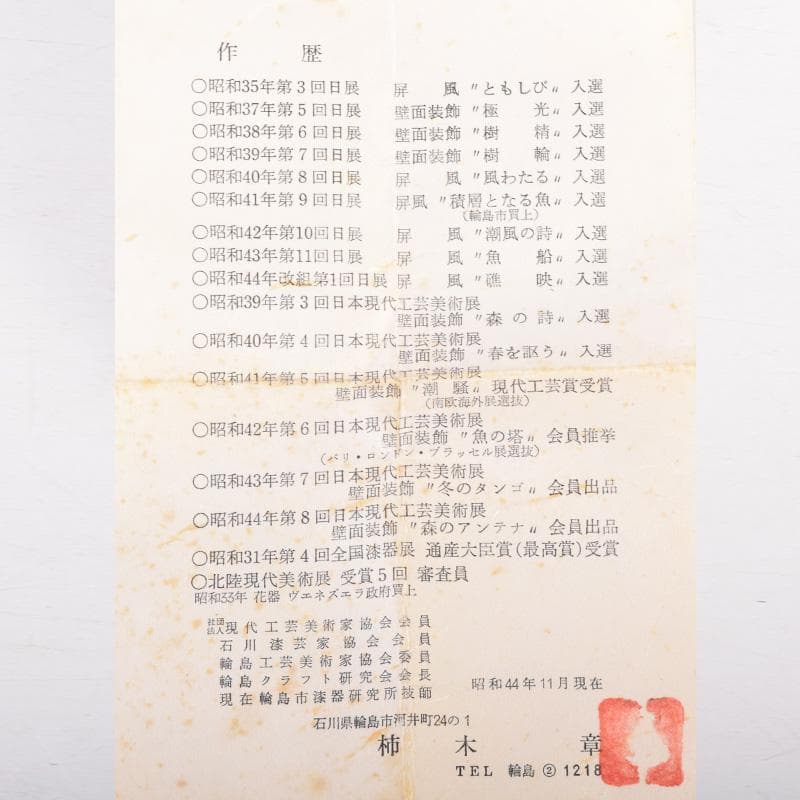
• Box: Signed tomobako (共箱) with artist card documenting exhibition awards
• Condition: Excellent
━━━━━━━━━━━━━━━━━━━━
🔹 [ CULTURAL & ARTISTIC INSIGHT ]
Wajima lacquer from Ishikawa Prefecture represents the pinnacle of Japanese urushi craft. This yukibuki-form natsume demonstrates the technical mastery required to achieve mirror-black depth across curved surfaces — a process involving dozens of lacquer layers, each requiring days of controlled humidity curing.
The suzumushi (bell cricket) holds profound meaning in Japanese seasonal aesthetics. Unlike other autumn insects, the bell cricket's gentle chirping symbolizes aki no aware — the bittersweet beauty of autumn's passage. Kakigi's rendering captures the insect mid-motion, antennae extending across the lid's surface, body articulated with fine gold lines that catch light with each handling.
The autumn grasses on the body — chrysanthemum-like leaves and stems — create seasonal harmony with the cricket above. This motif pairing appears in classical waka poetry, where cricket songs emerge from rustling grasses. The artist's decision to place the cricket on the lid invites contemplation during tea preparation, when the host's hands interact directly with the imagery.
*"The cricket's song — not in the voice, but in the silence it creates."*
━━━━━━━━━━━━━━━━━━━━
🔹 [ DEEP-DIVE COMMENTARY ]
**Wajima Technical Excellence**: The mirror finish reveals no brush marks or dust particles — evidence of mastered uwazuri polishing technique. Gold lacquer at the interior rim (kuchi-beni) protects edges from tea powder abrasion while adding visual refinement when opened. This attention to unseen details separates functional craft from art.
**Suzumushi Cultural Resonance**: Bell crickets appear in Heian literature as autumn messengers. Their inclusion on tea utensils evokes mono no aware — awareness of impermanence. The cricket's placement facing the host during preparation creates a private moment of seasonal recognition, distinct from guest-facing decoration.
**Yukibuki Form Significance**: This "snow-blow" shape emerged in Edo-period tea culture, named for its resemblance to drifting snow accumulation. The flat lid and cylindrical body offer practical stability while maintaining aesthetic restraint — form serving function without sacrificing beauty.
**Award-Winning Provenance**: The accompanying card documents exhibition participation and recognition (敢闘賞受賞). This credential situates Kakigi within Wajima's competitive artisan community, where annual exhibitions maintain craft standards. For collectors, documented exhibition history provides authentication and confidence beyond signature alone.
━━━━━━━━━━━━━━━━━━━━
🔹 [ 日本語解説 ]
【基本情報】
• 作家:柿木章
• 技法:輪島塗、金蒔絵(鈴虫・秋草文)
• 時代:現代(平成〜令和)
• 産地:石川県輪島市
• 寸法:高さ約7cm、幅約6.8cm、重さ約56g
• 付属:共箱、作者名刺付(展覧会出品・受賞歴記載)
• 状態:優良
【解説】
石川県輪島市の漆芸家・柿木章による雪吹形棗です。深い黒漆の鏡面仕上げに、蓋表には鈴虫、胴には秋草を金蒔絵で表現しています。鈴虫の触角は蓋面を横切るように繊細に描かれ、胴の秋草文との組み合わせが季節感を演出します。
雪吹形は江戸時代に確立された棗の形式で、平らな蓋と円筒形の胴が特徴です。実用性と美しさを両立させた形状で、茶の湯の道具として機能的でありながら芸術性を失わない伝統的なデザインです。柿木章は展覧会での受賞歴を持つ実力派作家で、輪島塗の伝統技法を現代に継承しています。
━━━━━━━━━━━━━━━━━━━━
🔹 [ SHIPPING & PACKAGING ]
• Dispatch: Within 1-6 business days
• Carrier: Japan Post EMS / UPS (with tracking)
• Packaging: Carefully wrapped with protective materials
*A cricket's song, rendered in gold — autumn held within black lacquer.*
━━━━━━━━━━━━━━━━━━━━
🔹 [ BASIC DETAILS ]
• Artist: Kakigi Akira (柿木章)
• Technique: Wajima-nuri with gold maki-e (suzumushi and autumn grasses)
• Era: Contemporary (Heisei – Reiwa period)
• Origin: Wajima, Ishikawa Prefecture, Japan
• Dimensions: Height approx. 7 cm × Diameter approx. 6.8 cm (2.8" × 2.7")
• Weight: 56 g
• Box: Signed tomobako (共箱) with artist card documenting exhibition awards
• Condition: Excellent
━━━━━━━━━━━━━━━━━━━━
🔹 [ CULTURAL & ARTISTIC INSIGHT ]
Wajima lacquer from Ishikawa Prefecture represents the pinnacle of Japanese urushi craft. This yukibuki-form natsume demonstrates the technical mastery required to achieve mirror-black depth across curved surfaces — a process involving dozens of lacquer layers, each requiring days of controlled humidity curing.
The suzumushi (bell cricket) holds profound meaning in Japanese seasonal aesthetics. Unlike other autumn insects, the bell cricket's gentle chirping symbolizes aki no aware — the bittersweet beauty of autumn's passage. Kakigi's rendering captures the insect mid-motion, antennae extending across the lid's surface, body articulated with fine gold lines that catch light with each handling.
The autumn grasses on the body — chrysanthemum-like leaves and stems — create seasonal harmony with the cricket above. This motif pairing appears in classical waka poetry, where cricket songs emerge from rustling grasses. The artist's decision to place the cricket on the lid invites contemplation during tea preparation, when the host's hands interact directly with the imagery.
*"The cricket's song — not in the voice, but in the silence it creates."*
━━━━━━━━━━━━━━━━━━━━
🔹 [ DEEP-DIVE COMMENTARY ]
**Wajima Technical Excellence**: The mirror finish reveals no brush marks or dust particles — evidence of mastered uwazuri polishing technique. Gold lacquer at the interior rim (kuchi-beni) protects edges from tea powder abrasion while adding visual refinement when opened. This attention to unseen details separates functional craft from art.
**Suzumushi Cultural Resonance**: Bell crickets appear in Heian literature as autumn messengers. Their inclusion on tea utensils evokes mono no aware — awareness of impermanence. The cricket's placement facing the host during preparation creates a private moment of seasonal recognition, distinct from guest-facing decoration.
**Yukibuki Form Significance**: This "snow-blow" shape emerged in Edo-period tea culture, named for its resemblance to drifting snow accumulation. The flat lid and cylindrical body offer practical stability while maintaining aesthetic restraint — form serving function without sacrificing beauty.
**Award-Winning Provenance**: The accompanying card documents exhibition participation and recognition (敢闘賞受賞). This credential situates Kakigi within Wajima's competitive artisan community, where annual exhibitions maintain craft standards. For collectors, documented exhibition history provides authentication and confidence beyond signature alone.
━━━━━━━━━━━━━━━━━━━━
🔹 [ 日本語解説 ]
【基本情報】
• 作家:柿木章
• 技法:輪島塗、金蒔絵(鈴虫・秋草文)
• 時代:現代(平成〜令和)
• 産地:石川県輪島市
• 寸法:高さ約7cm、幅約6.8cm、重さ約56g
• 付属:共箱、作者名刺付(展覧会出品・受賞歴記載)
• 状態:優良
【解説】
石川県輪島市の漆芸家・柿木章による雪吹形棗です。深い黒漆の鏡面仕上げに、蓋表には鈴虫、胴には秋草を金蒔絵で表現しています。鈴虫の触角は蓋面を横切るように繊細に描かれ、胴の秋草文との組み合わせが季節感を演出します。
雪吹形は江戸時代に確立された棗の形式で、平らな蓋と円筒形の胴が特徴です。実用性と美しさを両立させた形状で、茶の湯の道具として機能的でありながら芸術性を失わない伝統的なデザインです。柿木章は展覧会での受賞歴を持つ実力派作家で、輪島塗の伝統技法を現代に継承しています。
━━━━━━━━━━━━━━━━━━━━
🔹 [ SHIPPING & PACKAGING ]
• Dispatch: Within 1-6 business days
• Carrier: Japan Post EMS / UPS (with tracking)
• Packaging: Carefully wrapped with protective materials
*A cricket's song, rendered in gold — autumn held within black lacquer.*
Quantity
Couldn't load pickup availability
Low stock: 1 left
View full details