1
/
of
19
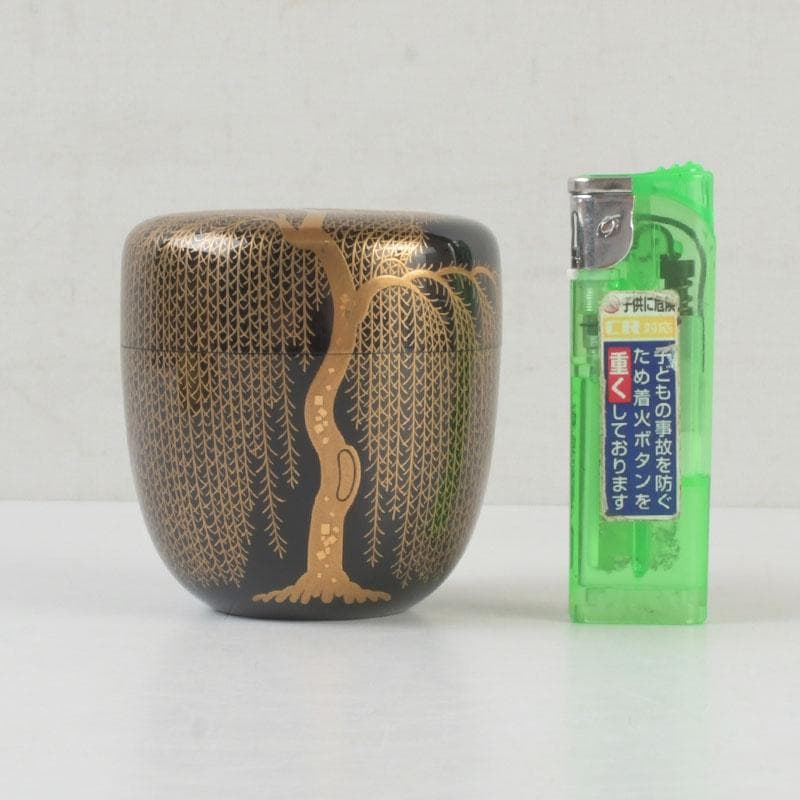
Wajima Lacquer Natsume Tea Caddy with Willow Maki-e by Okazawa Kiko — Signed Tomobako
Wajima Lacquer Natsume Tea Caddy with Willow Maki-e by Okazawa Kiko — Signed Tomobako
Regular price
Dhs. 3,748.00 AED
Regular price
Sale price
Dhs. 3,748.00 AED
Taxes included.
Shipping calculated at checkout.
Experience Authentic Japan Art with this Wajima Lacquer Natsume. This Willow Maki-e Tea Caddy serves as a Japanese Tea Ceremony Vessel and Collectible Lacquer Art, featuring Togidashi Maki-e Technique and Hira Maki-e Gold Work alongside Black Tame-nuri Ground—an archive-worthy piece for any serious Art Collector of Wajima Lacquer Craft and Signed Tomobako Tea Ware.
🔹 [ BASIC DETAILS ]
• Artist: Okazawa Kiko (岡沢起幸) — Wajima maki-e master
• Technique: Togidashi & hira maki-e on black tame-nuri (kuro-tame) ground
• Era: Late Shōwa – Heisei (circa 1980s – 2000s)
• Origin: Wajima, Noto Peninsula, Ishikawa Prefecture, Japan
• Dimensions: Height approx. 7 cm, Diameter approx. 6.8 cm, Weight approx. 52 g
• Box: Original signed wooden tomobako with tomo-nuno cloth; inner lid signed by the artist (futa-kō-ura mei)
• Condition: Excellent — no chips, no flaking, no restoration noted
🔹 [ CULTURAL & ARTISTIC INSIGHT ]
The natsume is the quiet center of the tea room. Named after the jujube fruit it resembles, it holds the thin tea (usucha) and opens only once in the full arc of a tea gathering. Its surface, more than any other utensil, carries the aesthetic intention of the host.
Okazawa Kiko works in Wajima — the town where lacquer is not a finish but a discipline. Wajima-nuri is defined by its ground layer of ji-no-ko (a locally fired diatomaceous clay), which gives the vessel its characteristic weight and resilience beneath the black mirror of the final coat. On this ground, Okazawa lays willow.
The design is executed in two registers. The trunk and heavier branches are drawn in togidashi maki-e — gold powder sealed beneath successive lacquer layers, then ground back until the image surfaces from within the black. The slender leaves and running lines are finished in hira maki-e, resting on the surface in raised gold. The willow breathes between these two depths.
The black ground is not pure black. It is kuro-tame — a translucent dark lacquer layered over a warm base, so the surface seems to hold light rather than reflect it. Against this, the gold willow appears less as decoration and more as weather.
Willow, in the tea tradition, belongs to the first month of the year — hatsu-gama — and to renewal. A willow branch trained in a circle (musubi-yanagi) is hung in the alcove at New Year, pointing toward the ground where the old year has settled. A natsume painted with willow carries this same gesture quietly, in the hand.
The flowing leaves mirror water over old stone — still, and continuous.
🔹 [ DEEP-DIVE COMMENTARY ]
Wajima-nuri (輪島塗) is the most structurally demanding of Japan's lacquer traditions. A single vessel passes through more than one hundred recorded steps, divided among specialists: the turner who forms the wood, the shitaji artisan who builds the ji-no-ko ground, the nushi who lays the black coats, and finally the maki-eshi who draws on the dried surface. The object in your hand is the final register of a long, distributed act of making.
Togidashi maki-e (研出蒔絵) is the oldest of the maki-e techniques, recorded in Heian-period sutra boxes. Gold powder is sprinkled onto wet lacquer, then sealed under further lacquer coats, then ground back with charcoal until the design re-emerges flush with the surface. The image does not sit on the vessel — it sits inside it. Hira maki-e (平蒔絵), by contrast, rests gently on top, catching the tea-room light. The combination of the two, used on a single object, is a deliberate compositional choice: depth and presence, held together.
Kuro-tame (黒溜) is a lacquer temperament, not a color. Layers of translucent dark lacquer are applied over a reddish or warm underlayer, producing a black that warms as it ages. Kuro-tame vessels are often described as "breathing" — their surface shifts subtly over decades of use, and old pieces take on an inner amber that new ones do not have.
The presence of the original tomobako, tomo-nuno, and the signature on the inside of the box lid (futa-kō-ura mei) is the lineage document for this piece. In Wajima, serious makers sign the inner lid rather than the vessel itself — the object stays quiet; the box speaks for it. The three pieces travel together as a single archival unit.
Okazawa Kiko's work is held by collectors of modern Wajima maki-e and has a consistent record at higher tea-utensil markets in Japan. This is an anchor piece — a natsume intended to be kept, used on the first morning of each year, and passed forward.
[ JAPANESE DESCRIPTION / 日本語解説 ]
🔹 [ 基本情報 ]
• 作家: 岡沢起幸(おかざわ きこう)— 輪島蒔絵師
• 技法: 黒溜漆地に研出蒔絵・平蒔絵(金)
• 年代: 昭和後期〜平成(概ね1980〜2000年代)
• 産地: 石川県輪島市(能登半島)
• 寸法: 高さ約7cm / 幅約6.8cm / 重量約52g
• 付属: 共箱・共布、蓋甲裏に作家銘あり
• 状態: 極良。欠け・剥離・修復歴なし。
🔹 [ 文化的・美的考察 ]
棗は茶室の静かな中心にある道具です。薄茶を入れるために用いられ、一席の茶事の中でただ一度だけ蓋を開かれる。その表面は、亭主の美意識がもっとも濃く滲む場所でもあります。
岡沢起幸は輪島の蒔絵師。輪島では、漆は「仕上げ」ではなく「構造」として扱われます。輪島塗の下地には、地の粉(能登産の珪藻土を焼き固めた粉)が練り込まれ、黒塗りの奥に独特の重みと強度を与えている。その上に、岡沢は柳を置いた。
文様は二層で描かれています。幹と太い枝は研出蒔絵——金粉を漆に蒔き、さらに漆を重ね、炭で研ぎ出して黒の中から像を呼び戻す手法。細い葉と流れる線は平蒔絵——漆面の上にそのまま金を留める手法。柳は、その二つの深さの間で呼吸している。
黒地は純粋な黒ではありません。黒溜(くろため)——透けのある黒漆を温色の下地に重ねた塗りで、光を「反射する」というより「抱える」ように見える。この黒に対して、金の柳は装飾というより、ひとつの気配として立ち現れる。
茶の湯において柳は初春の象徴であり、初釜の床の間に「結び柳」として掛けられる。一年の始まりを静かに指す枝。柳蒔絵の棗は、その所作を、手の中の小さなかたちとして持ち運ぶ道具です。
流れる柳葉は、古い石の上を渡る水に似て——静かで、絶えない。
🔹 [ 上級コレクター向け詳説 ]
輪島塗は日本の漆芸の中でも最も工程数の多い伝統で、一器が仕上がるまでに百を超える手順を踏みます。木地師、下地師、塗師、蒔絵師——それぞれが専門化された工程を受け渡す分業の連鎖。手元の棗は、その長い連鎖の最後の署名にあたります。
研出蒔絵は平安期の経箱にまで遡る古典技法で、金粉を蒔いた後に漆を重ね、炭で研ぎ出して像を面一に呼び戻す。像は「表面に載る」のではなく、「内側に沈んで留まる」。一方、平蒔絵は漆面上に金を留め、茶室の灯りを受けて立ち上がる。この二技法を一器の上で同時に用いるのは、深度と存在感を同居させる意識的な構図です。
黒溜は色名ではなく、塗りの気質に近い。透けのある黒漆を温色の下地に幾層も重ねることで、年月とともに内側から琥珀色を孕む黒が生まれる。古い黒溜の器に独特の「呼吸するような表情」が宿るのは、このためです。
共箱・共布・蓋甲裏の作家銘は、この一器の血統書です。輪島の作家は、器本体ではなく箱の内側に銘を残すことが多い——器は静かに、箱が代弁する。三点は一つの資料として共に移動します。
岡沢起幸の仕事は現代輪島蒔絵の収集対象として評価が安定しており、国内茶道具市場でも高値取引の実績があります。初釜の朝に手に取り、次の代へ受け渡す——そのために置かれる一器です。
🔹 [ SHIPPING & PACKAGING ]
• Dispatch: Within 1-6 business days
• Carrier: Japan Post EMS / UPS (with tracking)
• Packaging: Carefully wrapped with protective materials
🔹 [ BASIC DETAILS ]
• Artist: Okazawa Kiko (岡沢起幸) — Wajima maki-e master
• Technique: Togidashi & hira maki-e on black tame-nuri (kuro-tame) ground
• Era: Late Shōwa – Heisei (circa 1980s – 2000s)
• Origin: Wajima, Noto Peninsula, Ishikawa Prefecture, Japan
• Dimensions: Height approx. 7 cm, Diameter approx. 6.8 cm, Weight approx. 52 g
• Box: Original signed wooden tomobako with tomo-nuno cloth; inner lid signed by the artist (futa-kō-ura mei)
• Condition: Excellent — no chips, no flaking, no restoration noted
🔹 [ CULTURAL & ARTISTIC INSIGHT ]
The natsume is the quiet center of the tea room. Named after the jujube fruit it resembles, it holds the thin tea (usucha) and opens only once in the full arc of a tea gathering. Its surface, more than any other utensil, carries the aesthetic intention of the host.
Okazawa Kiko works in Wajima — the town where lacquer is not a finish but a discipline. Wajima-nuri is defined by its ground layer of ji-no-ko (a locally fired diatomaceous clay), which gives the vessel its characteristic weight and resilience beneath the black mirror of the final coat. On this ground, Okazawa lays willow.
The design is executed in two registers. The trunk and heavier branches are drawn in togidashi maki-e — gold powder sealed beneath successive lacquer layers, then ground back until the image surfaces from within the black. The slender leaves and running lines are finished in hira maki-e, resting on the surface in raised gold. The willow breathes between these two depths.
The black ground is not pure black. It is kuro-tame — a translucent dark lacquer layered over a warm base, so the surface seems to hold light rather than reflect it. Against this, the gold willow appears less as decoration and more as weather.
Willow, in the tea tradition, belongs to the first month of the year — hatsu-gama — and to renewal. A willow branch trained in a circle (musubi-yanagi) is hung in the alcove at New Year, pointing toward the ground where the old year has settled. A natsume painted with willow carries this same gesture quietly, in the hand.
The flowing leaves mirror water over old stone — still, and continuous.
🔹 [ DEEP-DIVE COMMENTARY ]
Wajima-nuri (輪島塗) is the most structurally demanding of Japan's lacquer traditions. A single vessel passes through more than one hundred recorded steps, divided among specialists: the turner who forms the wood, the shitaji artisan who builds the ji-no-ko ground, the nushi who lays the black coats, and finally the maki-eshi who draws on the dried surface. The object in your hand is the final register of a long, distributed act of making.
Togidashi maki-e (研出蒔絵) is the oldest of the maki-e techniques, recorded in Heian-period sutra boxes. Gold powder is sprinkled onto wet lacquer, then sealed under further lacquer coats, then ground back with charcoal until the design re-emerges flush with the surface. The image does not sit on the vessel — it sits inside it. Hira maki-e (平蒔絵), by contrast, rests gently on top, catching the tea-room light. The combination of the two, used on a single object, is a deliberate compositional choice: depth and presence, held together.
Kuro-tame (黒溜) is a lacquer temperament, not a color. Layers of translucent dark lacquer are applied over a reddish or warm underlayer, producing a black that warms as it ages. Kuro-tame vessels are often described as "breathing" — their surface shifts subtly over decades of use, and old pieces take on an inner amber that new ones do not have.
The presence of the original tomobako, tomo-nuno, and the signature on the inside of the box lid (futa-kō-ura mei) is the lineage document for this piece. In Wajima, serious makers sign the inner lid rather than the vessel itself — the object stays quiet; the box speaks for it. The three pieces travel together as a single archival unit.
Okazawa Kiko's work is held by collectors of modern Wajima maki-e and has a consistent record at higher tea-utensil markets in Japan. This is an anchor piece — a natsume intended to be kept, used on the first morning of each year, and passed forward.
[ JAPANESE DESCRIPTION / 日本語解説 ]
🔹 [ 基本情報 ]
• 作家: 岡沢起幸(おかざわ きこう)— 輪島蒔絵師
• 技法: 黒溜漆地に研出蒔絵・平蒔絵(金)
• 年代: 昭和後期〜平成(概ね1980〜2000年代)
• 産地: 石川県輪島市(能登半島)
• 寸法: 高さ約7cm / 幅約6.8cm / 重量約52g
• 付属: 共箱・共布、蓋甲裏に作家銘あり
• 状態: 極良。欠け・剥離・修復歴なし。
🔹 [ 文化的・美的考察 ]
棗は茶室の静かな中心にある道具です。薄茶を入れるために用いられ、一席の茶事の中でただ一度だけ蓋を開かれる。その表面は、亭主の美意識がもっとも濃く滲む場所でもあります。
岡沢起幸は輪島の蒔絵師。輪島では、漆は「仕上げ」ではなく「構造」として扱われます。輪島塗の下地には、地の粉(能登産の珪藻土を焼き固めた粉)が練り込まれ、黒塗りの奥に独特の重みと強度を与えている。その上に、岡沢は柳を置いた。
文様は二層で描かれています。幹と太い枝は研出蒔絵——金粉を漆に蒔き、さらに漆を重ね、炭で研ぎ出して黒の中から像を呼び戻す手法。細い葉と流れる線は平蒔絵——漆面の上にそのまま金を留める手法。柳は、その二つの深さの間で呼吸している。
黒地は純粋な黒ではありません。黒溜(くろため)——透けのある黒漆を温色の下地に重ねた塗りで、光を「反射する」というより「抱える」ように見える。この黒に対して、金の柳は装飾というより、ひとつの気配として立ち現れる。
茶の湯において柳は初春の象徴であり、初釜の床の間に「結び柳」として掛けられる。一年の始まりを静かに指す枝。柳蒔絵の棗は、その所作を、手の中の小さなかたちとして持ち運ぶ道具です。
流れる柳葉は、古い石の上を渡る水に似て——静かで、絶えない。
🔹 [ 上級コレクター向け詳説 ]
輪島塗は日本の漆芸の中でも最も工程数の多い伝統で、一器が仕上がるまでに百を超える手順を踏みます。木地師、下地師、塗師、蒔絵師——それぞれが専門化された工程を受け渡す分業の連鎖。手元の棗は、その長い連鎖の最後の署名にあたります。
研出蒔絵は平安期の経箱にまで遡る古典技法で、金粉を蒔いた後に漆を重ね、炭で研ぎ出して像を面一に呼び戻す。像は「表面に載る」のではなく、「内側に沈んで留まる」。一方、平蒔絵は漆面上に金を留め、茶室の灯りを受けて立ち上がる。この二技法を一器の上で同時に用いるのは、深度と存在感を同居させる意識的な構図です。
黒溜は色名ではなく、塗りの気質に近い。透けのある黒漆を温色の下地に幾層も重ねることで、年月とともに内側から琥珀色を孕む黒が生まれる。古い黒溜の器に独特の「呼吸するような表情」が宿るのは、このためです。
共箱・共布・蓋甲裏の作家銘は、この一器の血統書です。輪島の作家は、器本体ではなく箱の内側に銘を残すことが多い——器は静かに、箱が代弁する。三点は一つの資料として共に移動します。
岡沢起幸の仕事は現代輪島蒔絵の収集対象として評価が安定しており、国内茶道具市場でも高値取引の実績があります。初釜の朝に手に取り、次の代へ受け渡す——そのために置かれる一器です。
🔹 [ SHIPPING & PACKAGING ]
• Dispatch: Within 1-6 business days
• Carrier: Japan Post EMS / UPS (with tracking)
• Packaging: Carefully wrapped with protective materials
Quantity
Couldn't load pickup availability
Low stock: 1 left
View full details