1
/
of
11
Wajima Lacquer Chidori Maki-e O-Natsume by Hirano Keizan - Gold Plover Tea Caddy
Wajima Lacquer Chidori Maki-e O-Natsume by Hirano Keizan - Gold Plover Tea Caddy
Regular price
Dhs. 980.00 AED
Regular price
Sale price
Dhs. 980.00 AED
Taxes included.
Shipping calculated at checkout.
Experience authentic Japanese Tea Caddy artistry with this Wajima Lacquer O-Natsume. This Gold Maki-e piece serves as a Tame-nuri Urushi masterpiece and Hirano Keizan original, featuring Chidori Plover Motif design and Tea Ceremony Tools craftsmanship—a must-have for any collector seeking Ishikawa Craft and Contemporary Urushi.
━━━━━━━━━━━━━━━━━━━━
🔹 [ BASIC DETAILS ]
• Artist: Hirano Keizan (平野桂山)
• Technique: Tame-nuri lacquer with gold maki-e
• Era: Contemporary (Heisei-Reiwa)
• Origin: Wajima, Ishikawa Prefecture, Japan
• Dimensions: Diameter 7.1 cm × Height 7 cm (2.8" × 2.75")
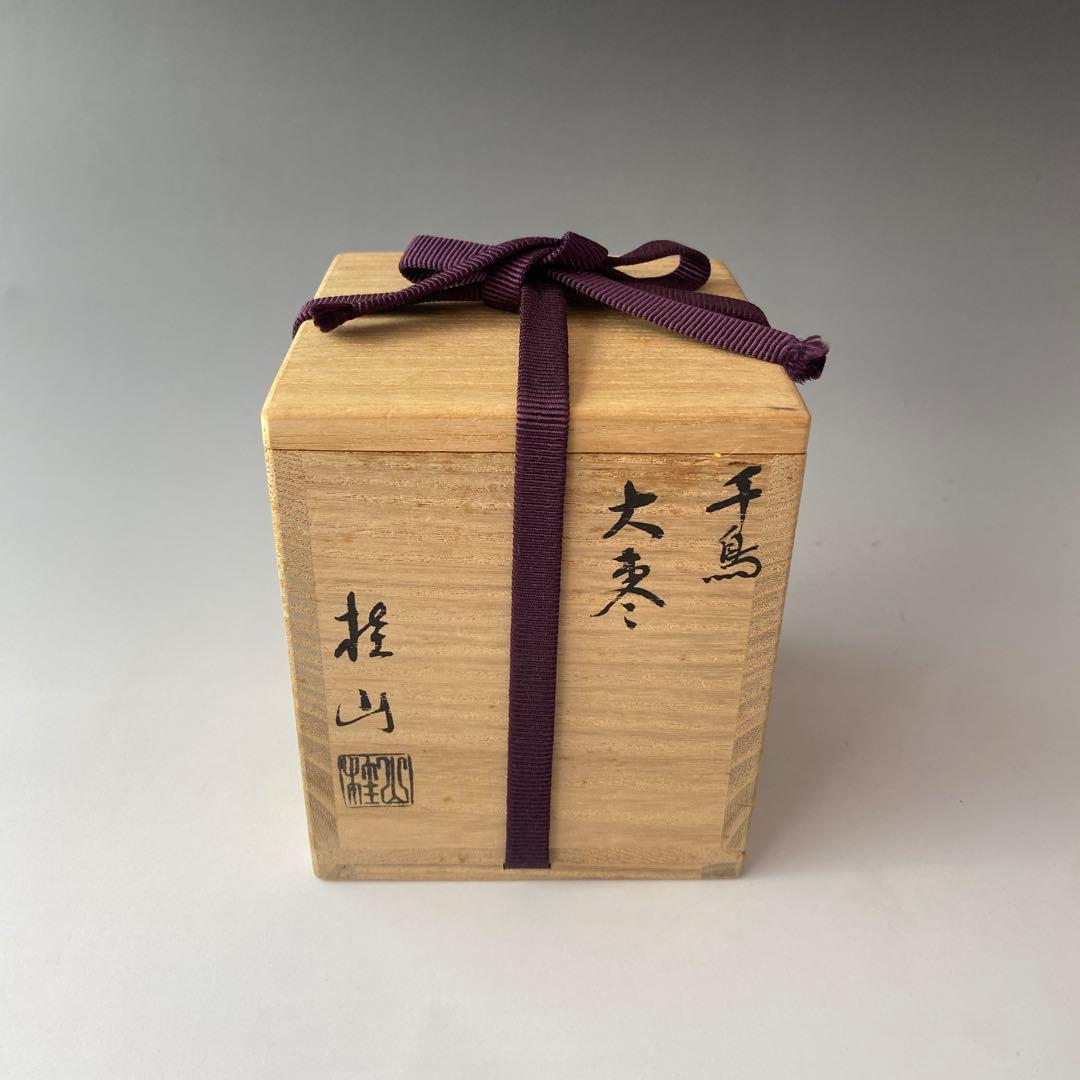
• Box: Tomobako (artist-signed wooden box)
• Condition: Excellent — well-preserved surface, intact gold detail
━━━━━━━━━━━━━━━━━━━━
🔹 [ CULTURAL & ARTISTIC INSIGHT ]
Tame-nuri — transparent lacquer layered over red base — creates the characteristic depth of Wajima urushi work. Light penetrates multiple layers, revealing warmth that shifts with viewing angle. This technique requires precise control: each coat must cure fully before the next application, building translucency over weeks.
Chidori (plovers) appear across both body and lid, rendered in delicate gold maki-e. Each bird carries individual wing patterns, flight angles varied to suggest natural movement. In Japanese poetry, chidori represent perseverance through seasonal change — coastal birds that navigate between land and sea, embodying the threshold between permanence and transition.
*"The plover does not announce itself. It simply crosses the shore, again and again, until the pattern becomes presence."*
━━━━━━━━━━━━━━━━━━━━
🔹 [ DEEP-DIVE COMMENTARY ]
**Wajima's Material Authority**: Ishikawa Prefecture's lacquer tradition centers on density — up to 124 layers in master works. This piece employs tame-nuri's transparency to reveal substrate warmth, a technique requiring perfect viscosity control at each stage. Wajima artisans developed this method over centuries to create depth without opacity.
**Gold Maki-e Process**: Fine metal powder applied to wet lacquer, then sealed beneath transparent top coats. The plovers here show tsuke-gaki (attached drawing) technique — gold adheres only where intended, creating precise line work. Each bird required separate application cycles, making the scattered composition a study in accumulated intention.
**Functional Elegance**: O-natsume proportions balance material capacity (40-50g matcha) with gestural ease during temae. The cylindrical form emerged during Momoyama period as tea ceremony formalized, becoming the standard caddy shape for both koicha and usucha service.
**Contemporary Continuity**: Hirano Keizan works within established Wajima methods while selecting motifs that carry cultural weight. The plover — symbol of coastal resilience and seasonal awareness — connects this functional object to Japan's literary and artistic lineage.
━━━━━━━━━━━━━━━━━━━━
🔹 [ 日本語解説 ]
【基本情報】
• 作家:平野桂山
• 技法:溜塗、金蒔絵
• 時代:現代(平成〜令和)
• 産地:石川県輪島
• 寸法:直径約7.1cm × 高さ約7cm
• 付属:共箱(作家署名入り)
• 状態:美品 — 表面保存良好、金蒔絵損傷なし
【解説】
溜塗は透明漆を朱色下地に重ねる技法で、光が漆層を通過することで独特の深みを生みます。輪島塗の伝統的手法として確立されたこの技術は、各層の完全硬化を待ちながら数週間かけて仕上げられます。
千鳥は蓋と胴全体に渡って金蒔絵で表現され、各々の鳥は異なる飛翔姿勢と羽の細部を持ちます。日本文化において千鳥は季節の移ろいと自然の力強さを象徴する鳥です。文様配置の自然さと技術的精密さが共存した現代輪島塗の好例です。
━━━━━━━━━━━━━━━━━━━━
🔹 [ SHIPPING & PACKAGING ]
• Dispatch: Within 1-6 business days
• Carrier: Japan Post EMS / UPS (with tracking)
• Packaging: Carefully wrapped with protective materials
*The plover crosses. The shore remembers.*
━━━━━━━━━━━━━━━━━━━━
🔹 [ BASIC DETAILS ]
• Artist: Hirano Keizan (平野桂山)
• Technique: Tame-nuri lacquer with gold maki-e
• Era: Contemporary (Heisei-Reiwa)
• Origin: Wajima, Ishikawa Prefecture, Japan
• Dimensions: Diameter 7.1 cm × Height 7 cm (2.8" × 2.75")
• Box: Tomobako (artist-signed wooden box)
• Condition: Excellent — well-preserved surface, intact gold detail
━━━━━━━━━━━━━━━━━━━━
🔹 [ CULTURAL & ARTISTIC INSIGHT ]
Tame-nuri — transparent lacquer layered over red base — creates the characteristic depth of Wajima urushi work. Light penetrates multiple layers, revealing warmth that shifts with viewing angle. This technique requires precise control: each coat must cure fully before the next application, building translucency over weeks.
Chidori (plovers) appear across both body and lid, rendered in delicate gold maki-e. Each bird carries individual wing patterns, flight angles varied to suggest natural movement. In Japanese poetry, chidori represent perseverance through seasonal change — coastal birds that navigate between land and sea, embodying the threshold between permanence and transition.
*"The plover does not announce itself. It simply crosses the shore, again and again, until the pattern becomes presence."*
━━━━━━━━━━━━━━━━━━━━
🔹 [ DEEP-DIVE COMMENTARY ]
**Wajima's Material Authority**: Ishikawa Prefecture's lacquer tradition centers on density — up to 124 layers in master works. This piece employs tame-nuri's transparency to reveal substrate warmth, a technique requiring perfect viscosity control at each stage. Wajima artisans developed this method over centuries to create depth without opacity.
**Gold Maki-e Process**: Fine metal powder applied to wet lacquer, then sealed beneath transparent top coats. The plovers here show tsuke-gaki (attached drawing) technique — gold adheres only where intended, creating precise line work. Each bird required separate application cycles, making the scattered composition a study in accumulated intention.
**Functional Elegance**: O-natsume proportions balance material capacity (40-50g matcha) with gestural ease during temae. The cylindrical form emerged during Momoyama period as tea ceremony formalized, becoming the standard caddy shape for both koicha and usucha service.
**Contemporary Continuity**: Hirano Keizan works within established Wajima methods while selecting motifs that carry cultural weight. The plover — symbol of coastal resilience and seasonal awareness — connects this functional object to Japan's literary and artistic lineage.
━━━━━━━━━━━━━━━━━━━━
🔹 [ 日本語解説 ]
【基本情報】
• 作家:平野桂山
• 技法:溜塗、金蒔絵
• 時代:現代(平成〜令和)
• 産地:石川県輪島
• 寸法:直径約7.1cm × 高さ約7cm
• 付属:共箱(作家署名入り)
• 状態:美品 — 表面保存良好、金蒔絵損傷なし
【解説】
溜塗は透明漆を朱色下地に重ねる技法で、光が漆層を通過することで独特の深みを生みます。輪島塗の伝統的手法として確立されたこの技術は、各層の完全硬化を待ちながら数週間かけて仕上げられます。
千鳥は蓋と胴全体に渡って金蒔絵で表現され、各々の鳥は異なる飛翔姿勢と羽の細部を持ちます。日本文化において千鳥は季節の移ろいと自然の力強さを象徴する鳥です。文様配置の自然さと技術的精密さが共存した現代輪島塗の好例です。
━━━━━━━━━━━━━━━━━━━━
🔹 [ SHIPPING & PACKAGING ]
• Dispatch: Within 1-6 business days
• Carrier: Japan Post EMS / UPS (with tracking)
• Packaging: Carefully wrapped with protective materials
*The plover crosses. The shore remembers.*
Quantity
Couldn't load pickup availability
Out of stock
View full details