1
/
of
16
Wada Kinsai Gold Maki-e Chrysanthemum Chu-Natsume Daitoku-ji Authentication
Wada Kinsai Gold Maki-e Chrysanthemum Chu-Natsume Daitoku-ji Authentication
Regular price
Dhs. 1,586.00 AED
Regular price
Sale price
Dhs. 1,586.00 AED
Taxes included.
Shipping calculated at checkout.
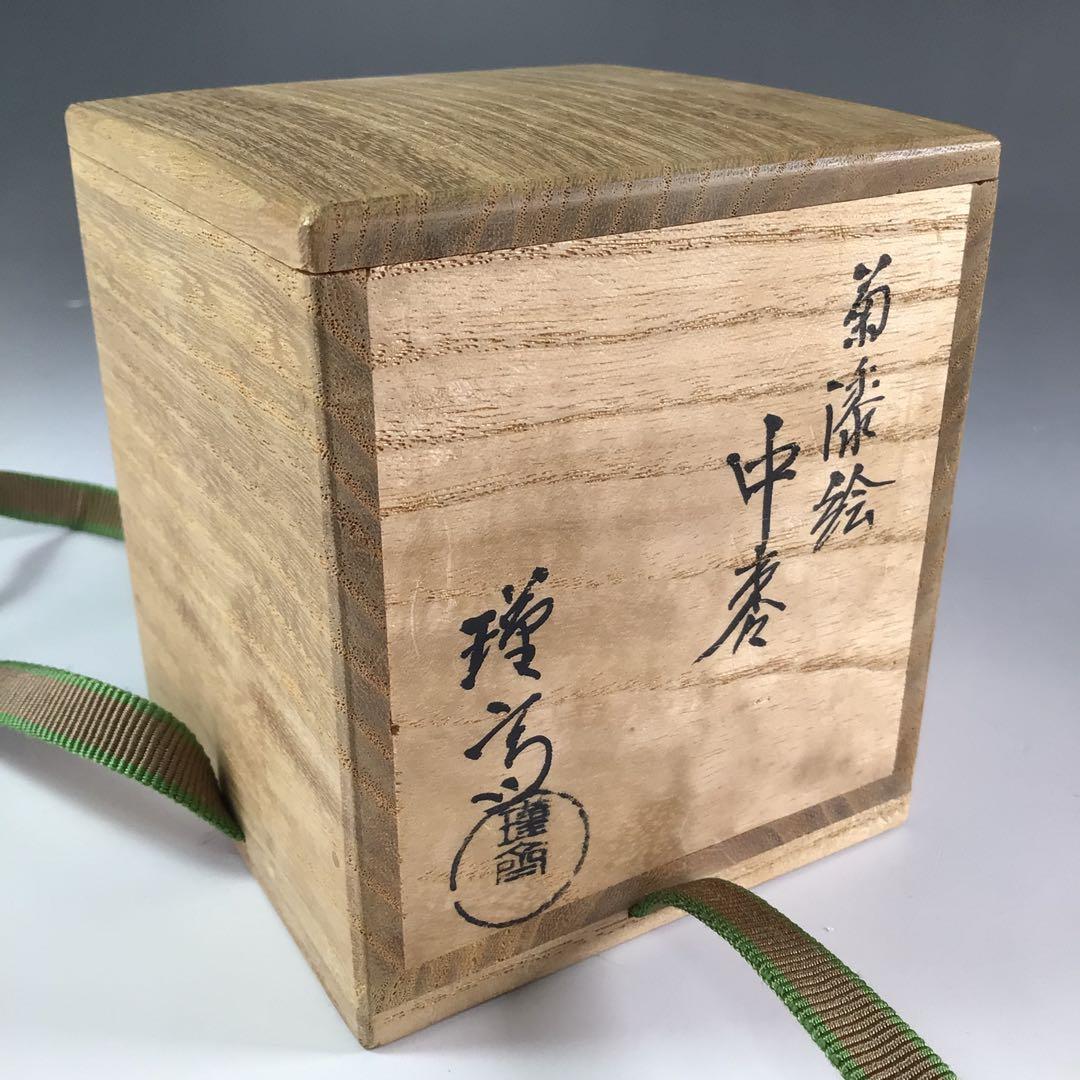
Gold maki-e chrysanthemum chu-natsume tea caddy by Wada Kinsai, authenticated by Daitoku-ji Temple's Fujii Kaido. Tame-nuri lacquerware with flowing kiku design in gold and green. Complete with signed tomobako and Zen temple hakogaki inscription. A piece where lacquer technique and spiritual endorsement converge.
━━━━━━━━━━━━━━━━━━━━━━━━━━━━━━━━━━━━━
🔹 BASIC DETAILS
• Artist: Wada Kinsai (和田瑾斎)
• Technique: Gold maki-e (sprinkled gold powder), tame-nuri lacquer
• Motif: Chrysanthemum (kiku) flowers and leaves
• Era: Late 20th - early 21st century
• Origin: Japan
• Dimensions: H 6.5 cm × W 6.5 cm (H 2.6" × W 2.6")
• Box: Signed tomobako with hakogaki by Fujii Kaido (藤井誡堂) of Daitoku-ji Temple
• Condition: Excellent — lacquer surface intact with warm translucent quality
━━━━━━━━━━━━━━━━━━━━━━━━━━━━━━━━━━━━━
🔹 CULTURAL & ARTISTIC INSIGHT
The chrysanthemum holds profound significance in Japanese culture — symbol of the imperial family, emblem of autumn, and metaphor for resilience. In tea ceremony context, kiku represents the turning season and impermanence of beauty. The authentication by Daitoku-ji Temple, epicenter of Zen tea culture since the time of Ikkyu and Murata Juko, elevates this piece beyond decorative object into witnessed artifact.
Wada Kinsai employs tame-nuri technique — transparent amber lacquer over gold underpainting — creating depth and warmth impossible with opaque lacquer. Light penetrates the surface layers, illuminating the gold from within. This is not surface decoration but architectural depth.
The chrysanthemum design flows continuously from lid to body without interruption at the seam — evidence of mastery. Each gold petal positioned to maintain visual rhythm when the caddy rotates in use.
*Chrysanthemums bloom as summer yields to autumn clarity — this caddy makes that transition present.*
━━━━━━━━━━━━━━━━━━━━━━━━━━━━━━━━━━━━━
🔹 DEEP-DIVE COMMENTARY
Tame-nuri creates a surface of remarkable luminosity. Unlike opaque lacquer, where color sits on the surface, tame-nuri allows light to enter and reflect off the gold underpainting. The result is a warm, amber glow that shifts with viewing angle — sometimes dark brown, sometimes honey-gold. This technique demands precision: the transparent top coat must be perfectly even, as any inconsistency becomes visible.
Fujii Kaido's authentication inscribed on the tomobako adds documentary weight. Daitoku-ji Temple has guided Japanese tea aesthetics for five centuries. When a temple master writes hakogaki, they stake their reputation on the object's merit. This is cultural validation at the highest level.
The chu-natsume (medium caddy) size holds approximately 40g of matcha — sufficient for a full tea gathering yet intimate enough for daily practice. The form fits naturally in one hand during temae (tea preparation procedures), the lacquer warming slightly from body heat.
The green leaves provide color contrast while anchoring the chrysanthemum composition to the natural world. Gold and green together evoke autumn gardens — kiku in full bloom against dark foliage. The continuous design from lid to body demonstrates Kinsai's ability to treat the two-part form as a single canvas.
For tea practitioners, the combination of Wada Kinsai's lacquer mastery and Daitoku-ji's spiritual endorsement creates a piece that functions on multiple levels: as a tool, as art, and as a bridge between maker and tradition.
━━━━━━━━━━━━━━━━━━━━━━━━━━━━━━━━━━━━━
🔹 日本語解説
和田瑾斎作の菊蒔絵中棗。大徳寺藤井誡堂箱書付き。
• 作家: 和田瑾斎
• 技法: 金蒔絵、溜塗
• 意匠: 菊花(金)と葉(緑)
• 寸法: 高さ6.5cm × 幅6.5cm
• 箱: 大徳寺藤井誡堂箱書共箱
• 状態: 優良 — 漆面良好、溜塗の透明感保持
溜塗は透明な漆を金地の上に塗り重ねる技法で、光が塗膜を透過し内側から金が発光するような効果を生みます。不透明な漆では得られない奥行きと温かみが特徴です。
菊は皇室の紋章であり、秋の象徴であり、無常の美を表します。蓋から胴にかけて途切れることなく意匠が続く技術的完成度の高さは、瑾斎の力量を示しています。金の花弁に緑の葉が添えられ、秋の庭園を思わせる色彩構成です。
大徳寺は一休・村田珠光以来、禅と茶の結節点としての歴史を持ちます。藤井誡堂による箱書は、寺院の権威による作品の証明であり、道具としての格を保証するものです。中棗サイズは約40gの抹茶を収納でき、茶会にも稽古にも適します。
━━━━━━━━━━━━━━━━━━━━━━━━━━━━━━━━━━━━━
🔹 [ SHIPPING & PACKAGING ]
• Dispatch: Within 1-6 business days
• Carrier: Japan Post EMS / UPS (with tracking)
• Packaging: Carefully wrapped with protective materials
━━━━━━━━━━━━━━━━━━━━━━━━━━━━━━━━━━━━━
🔹 BASIC DETAILS
• Artist: Wada Kinsai (和田瑾斎)
• Technique: Gold maki-e (sprinkled gold powder), tame-nuri lacquer
• Motif: Chrysanthemum (kiku) flowers and leaves
• Era: Late 20th - early 21st century
• Origin: Japan
• Dimensions: H 6.5 cm × W 6.5 cm (H 2.6" × W 2.6")
• Box: Signed tomobako with hakogaki by Fujii Kaido (藤井誡堂) of Daitoku-ji Temple
• Condition: Excellent — lacquer surface intact with warm translucent quality
━━━━━━━━━━━━━━━━━━━━━━━━━━━━━━━━━━━━━
🔹 CULTURAL & ARTISTIC INSIGHT
The chrysanthemum holds profound significance in Japanese culture — symbol of the imperial family, emblem of autumn, and metaphor for resilience. In tea ceremony context, kiku represents the turning season and impermanence of beauty. The authentication by Daitoku-ji Temple, epicenter of Zen tea culture since the time of Ikkyu and Murata Juko, elevates this piece beyond decorative object into witnessed artifact.
Wada Kinsai employs tame-nuri technique — transparent amber lacquer over gold underpainting — creating depth and warmth impossible with opaque lacquer. Light penetrates the surface layers, illuminating the gold from within. This is not surface decoration but architectural depth.
The chrysanthemum design flows continuously from lid to body without interruption at the seam — evidence of mastery. Each gold petal positioned to maintain visual rhythm when the caddy rotates in use.
*Chrysanthemums bloom as summer yields to autumn clarity — this caddy makes that transition present.*
━━━━━━━━━━━━━━━━━━━━━━━━━━━━━━━━━━━━━
🔹 DEEP-DIVE COMMENTARY
Tame-nuri creates a surface of remarkable luminosity. Unlike opaque lacquer, where color sits on the surface, tame-nuri allows light to enter and reflect off the gold underpainting. The result is a warm, amber glow that shifts with viewing angle — sometimes dark brown, sometimes honey-gold. This technique demands precision: the transparent top coat must be perfectly even, as any inconsistency becomes visible.
Fujii Kaido's authentication inscribed on the tomobako adds documentary weight. Daitoku-ji Temple has guided Japanese tea aesthetics for five centuries. When a temple master writes hakogaki, they stake their reputation on the object's merit. This is cultural validation at the highest level.
The chu-natsume (medium caddy) size holds approximately 40g of matcha — sufficient for a full tea gathering yet intimate enough for daily practice. The form fits naturally in one hand during temae (tea preparation procedures), the lacquer warming slightly from body heat.
The green leaves provide color contrast while anchoring the chrysanthemum composition to the natural world. Gold and green together evoke autumn gardens — kiku in full bloom against dark foliage. The continuous design from lid to body demonstrates Kinsai's ability to treat the two-part form as a single canvas.
For tea practitioners, the combination of Wada Kinsai's lacquer mastery and Daitoku-ji's spiritual endorsement creates a piece that functions on multiple levels: as a tool, as art, and as a bridge between maker and tradition.
━━━━━━━━━━━━━━━━━━━━━━━━━━━━━━━━━━━━━
🔹 日本語解説
和田瑾斎作の菊蒔絵中棗。大徳寺藤井誡堂箱書付き。
• 作家: 和田瑾斎
• 技法: 金蒔絵、溜塗
• 意匠: 菊花(金)と葉(緑)
• 寸法: 高さ6.5cm × 幅6.5cm
• 箱: 大徳寺藤井誡堂箱書共箱
• 状態: 優良 — 漆面良好、溜塗の透明感保持
溜塗は透明な漆を金地の上に塗り重ねる技法で、光が塗膜を透過し内側から金が発光するような効果を生みます。不透明な漆では得られない奥行きと温かみが特徴です。
菊は皇室の紋章であり、秋の象徴であり、無常の美を表します。蓋から胴にかけて途切れることなく意匠が続く技術的完成度の高さは、瑾斎の力量を示しています。金の花弁に緑の葉が添えられ、秋の庭園を思わせる色彩構成です。
大徳寺は一休・村田珠光以来、禅と茶の結節点としての歴史を持ちます。藤井誡堂による箱書は、寺院の権威による作品の証明であり、道具としての格を保証するものです。中棗サイズは約40gの抹茶を収納でき、茶会にも稽古にも適します。
━━━━━━━━━━━━━━━━━━━━━━━━━━━━━━━━━━━━━
🔹 [ SHIPPING & PACKAGING ]
• Dispatch: Within 1-6 business days
• Carrier: Japan Post EMS / UPS (with tracking)
• Packaging: Carefully wrapped with protective materials
Quantity
Couldn't load pickup availability
Low stock: 1 left
View full details