1
/
of
11
VI Takahashi Dohachi Hakeme Chawan — White Brush on Dark Clay
VI Takahashi Dohachi Hakeme Chawan — White Brush on Dark Clay
Regular price
Dhs. 908.00 AED
Regular price
Sale price
Dhs. 908.00 AED
Taxes included.
Shipping calculated at checkout.
Experience Authentic Japanese Tea Ceremony Ceramics with this VI Takahashi Dohachi Hakeme Tea Bowl. This Japanese Chawan serves as a Kyoto Ware Masterwork and Korean-Inspired Brush Mark Pottery, featuring White Slip Hakeme Technique and Taishō Era Craftsmanship—a must-have for any Tea Ceremony Collector seeking Historical Lineage and Wabi Sabi Ceramic.
━━━━━━━━━━━━━━━━━━━━
🔹 [ BASIC DETAILS ]
• Artist: VI Takahashi Dohachi (六世 高橋道八, 1881–1941)
• Type: Chawan (茶碗) — tea bowl
• Technique: Hakeme (刷毛目 / 刷毛痕) — white slip brush marks over dark clay
• Body: Dark grey/black stoneware
• Approximate dimensions: Dia ~14 cm × H ~5.5 cm
• Condition: Good; fine crazing on white brush areas, scattered iron spots (pinholes), minor natural kiln mark on white surface — all consistent with age and technique
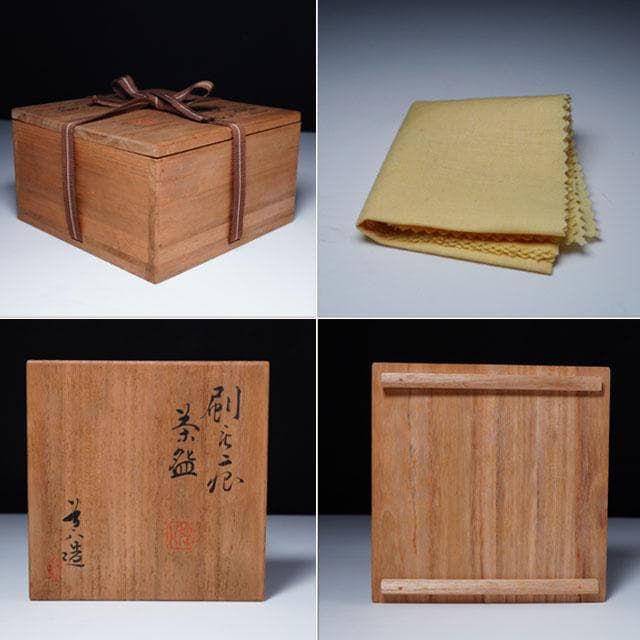
• Provenance: Comes with tomobako (signed wooden box) and cloth wrapper
━━━━━━━━━━━━━━━━━━━━
🔹 [ CULTURAL & ARTISTIC INSIGHT ]
The Takahashi Dohachi lineage, established in late Edo-period Kyoto, became one of the city’s defining ceramic families. Each generation inherited not just techniques but a curatorial position within Kyoto’s tea culture — expected to produce work that honored classical models while carrying the personal mark of the current head. The sixth generation worked through the Taishō era and into early Shōwa, a period when Japanese ceramicists were rediscovering Korean tea bowls with fresh eyes.
Hakeme — the technique of sweeping white slip across a dark clay body with a coarse brush — originated in Korean Joseon dynasty pottery. Japanese tea masters had prized Korean hakeme bowls since the Momoyama period, finding in their directness a counterpoint to the calculated refinement of Kyoto wares. For a Kyoto potter to work in hakeme was an act of deliberate crossing: bringing the unguarded energy of Korean folk pottery into a tradition built on control.
*"The brush moves once. The slip records velocity, pressure, hesitation. Nothing can be revised."*
━━━━━━━━━━━━━━━━━━━━
🔹 [ DEEP-DIVE COMMENTARY ]
**Hakeme as Single-Gesture Truth**
Unlike painted decoration, which can be layered and corrected, hakeme is a one-pass technique. The coarse brush, loaded with white slip, crosses the dark surface and leaves behind exactly what the hand did — speed, angle, pressure all preserved in a single frozen gesture. The bold strokes on this bowl show confidence: no tentative marks, no overworking.
**Korean Roots, Kyoto Translation**
Joseon hakeme bowls were utilitarian objects — rice bowls, soup bowls — made quickly by village potters. When they entered Japanese tea rooms in the sixteenth century, their accidental beauty became deliberate philosophy. VI Dohachi’s interpretation acknowledges this origin while filtering it through Kyoto’s formal awareness: the wide, shallow form is more considered than a Korean village bowl, the foot ring more deliberately trimmed.
**The Wide Shallow Form**
At approximately 14 cm diameter and 5.5 cm height, this chawan follows the hirabata (平茶碗) profile — wide and shallow, traditionally associated with summer use in tea practice. The broad interior surface displays the hakeme pattern to full advantage, creating a landscape of white against dark that the tea practitioner contemplates while drinking.
**Surface Evidence of Age**
The fine crazing across white slip areas, scattered iron spots from the clay body breaking through the glaze, and the natural kiln mark are not flaws but biographical detail. These features confirm authentic age and traditional firing — a bowl that has spent roughly a century developing the patina that only time provides.
━━━━━━━━━━━━━━━━━━━━
🔹 [ 日本語解説 ]
【基本情報】
作家:六世 高橋道八(1881–1941)
種類:茶碗
技法:刷毛目(刷毛痕)
産地:京都
付属品:共箱・布
【解説】
高橋道八は江戸後期に始まる京焼の名門です。六世道八は大正から昭和初期にかけて活動し、京都の伝統技法を継承しつつ朝鮮陶磁への深い理解を作品に反映させました。本作は李朝刷毛目の手法を用い、黒灰色の素地に白化粧土を大胆な刷毛で一気に掛けた茶碗です。平茶碗の形は夏茶碗としても用いられ、広い見込みに刷毛目の景色が映えます。約百年の時を経た貫入や鉄粉の表情が、作品に深い味わいを与えています。
━━━━━━━━━━━━━━━━━━━━
🔹 [ SHIPPING & PACKAGING ]
• Dispatch: Within 1-6 business days
• Carrier: Japan Post EMS / UPS (with tracking)
• Packaging: Carefully wrapped with protective materials
*One brush. One pass. A century of silence held in white slip on dark clay.*
━━━━━━━━━━━━━━━━━━━━
🔹 [ BASIC DETAILS ]
• Artist: VI Takahashi Dohachi (六世 高橋道八, 1881–1941)
• Type: Chawan (茶碗) — tea bowl
• Technique: Hakeme (刷毛目 / 刷毛痕) — white slip brush marks over dark clay
• Body: Dark grey/black stoneware
• Approximate dimensions: Dia ~14 cm × H ~5.5 cm
• Condition: Good; fine crazing on white brush areas, scattered iron spots (pinholes), minor natural kiln mark on white surface — all consistent with age and technique
• Provenance: Comes with tomobako (signed wooden box) and cloth wrapper
━━━━━━━━━━━━━━━━━━━━
🔹 [ CULTURAL & ARTISTIC INSIGHT ]
The Takahashi Dohachi lineage, established in late Edo-period Kyoto, became one of the city’s defining ceramic families. Each generation inherited not just techniques but a curatorial position within Kyoto’s tea culture — expected to produce work that honored classical models while carrying the personal mark of the current head. The sixth generation worked through the Taishō era and into early Shōwa, a period when Japanese ceramicists were rediscovering Korean tea bowls with fresh eyes.
Hakeme — the technique of sweeping white slip across a dark clay body with a coarse brush — originated in Korean Joseon dynasty pottery. Japanese tea masters had prized Korean hakeme bowls since the Momoyama period, finding in their directness a counterpoint to the calculated refinement of Kyoto wares. For a Kyoto potter to work in hakeme was an act of deliberate crossing: bringing the unguarded energy of Korean folk pottery into a tradition built on control.
*"The brush moves once. The slip records velocity, pressure, hesitation. Nothing can be revised."*
━━━━━━━━━━━━━━━━━━━━
🔹 [ DEEP-DIVE COMMENTARY ]
**Hakeme as Single-Gesture Truth**
Unlike painted decoration, which can be layered and corrected, hakeme is a one-pass technique. The coarse brush, loaded with white slip, crosses the dark surface and leaves behind exactly what the hand did — speed, angle, pressure all preserved in a single frozen gesture. The bold strokes on this bowl show confidence: no tentative marks, no overworking.
**Korean Roots, Kyoto Translation**
Joseon hakeme bowls were utilitarian objects — rice bowls, soup bowls — made quickly by village potters. When they entered Japanese tea rooms in the sixteenth century, their accidental beauty became deliberate philosophy. VI Dohachi’s interpretation acknowledges this origin while filtering it through Kyoto’s formal awareness: the wide, shallow form is more considered than a Korean village bowl, the foot ring more deliberately trimmed.
**The Wide Shallow Form**
At approximately 14 cm diameter and 5.5 cm height, this chawan follows the hirabata (平茶碗) profile — wide and shallow, traditionally associated with summer use in tea practice. The broad interior surface displays the hakeme pattern to full advantage, creating a landscape of white against dark that the tea practitioner contemplates while drinking.
**Surface Evidence of Age**
The fine crazing across white slip areas, scattered iron spots from the clay body breaking through the glaze, and the natural kiln mark are not flaws but biographical detail. These features confirm authentic age and traditional firing — a bowl that has spent roughly a century developing the patina that only time provides.
━━━━━━━━━━━━━━━━━━━━
🔹 [ 日本語解説 ]
【基本情報】
作家:六世 高橋道八(1881–1941)
種類:茶碗
技法:刷毛目(刷毛痕)
産地:京都
付属品:共箱・布
【解説】
高橋道八は江戸後期に始まる京焼の名門です。六世道八は大正から昭和初期にかけて活動し、京都の伝統技法を継承しつつ朝鮮陶磁への深い理解を作品に反映させました。本作は李朝刷毛目の手法を用い、黒灰色の素地に白化粧土を大胆な刷毛で一気に掛けた茶碗です。平茶碗の形は夏茶碗としても用いられ、広い見込みに刷毛目の景色が映えます。約百年の時を経た貫入や鉄粉の表情が、作品に深い味わいを与えています。
━━━━━━━━━━━━━━━━━━━━
🔹 [ SHIPPING & PACKAGING ]
• Dispatch: Within 1-6 business days
• Carrier: Japan Post EMS / UPS (with tracking)
• Packaging: Carefully wrapped with protective materials
*One brush. One pass. A century of silence held in white slip on dark clay.*
Quantity
Couldn't load pickup availability
Low stock: 1 left
View full details