1
/
of
18
Tokoname Ware Tea Bowl by Horaido Okinken Kiln - Green Ash Glaze Matcha Chawan with Box
Tokoname Ware Tea Bowl by Horaido Okinken Kiln - Green Ash Glaze Matcha Chawan with Box
Regular price
Dhs. 951.00 AED
Regular price
Sale price
Dhs. 951.00 AED
Taxes included.
Shipping calculated at checkout.
Experience Authentic Japan Art with this Tokoname Ware Tea Bowl. This Japanese Matcha Chawan serves as a Green Ash Glaze Ceramic and Horaido Kiln Pottery, featuring Wabi Sabi Earth Tone aesthetics and Rustic Stoneware Art—a must-have for any Art Collector seeking Zen Tea Accessories and a Tokoname Ceramic Piece.
━━━━━━━━━━━━━━━━━━━━
🔹 [ BASIC DETAILS ]
• Kiln: Horaido Okinken (蓬莱堂 翁軒窯)
• Technique: Multi-layered glaze with green ash drip over iron-rich body
• Era: Contemporary (Heisei period)
• Origin: Tokoname, Aichi Prefecture, Japan
• Dimensions: Height approx. 8 cm, Diameter approx. 13.5 cm (3.1 x 5.3 in)
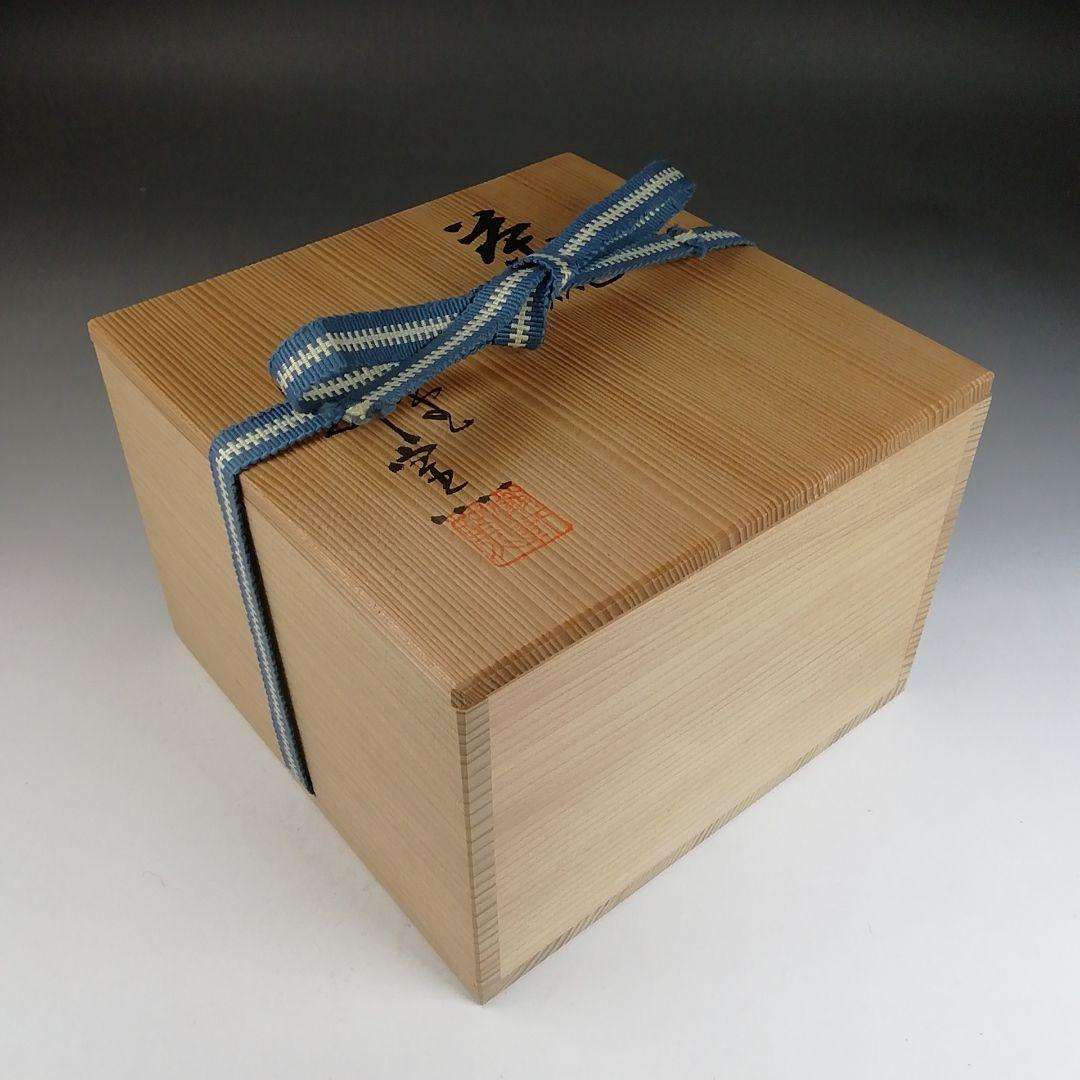
• Box: Signed wooden box (共箱)
• Condition: Excellent — no chips, cracks, or repairs
━━━━━━━━━━━━━━━━━━━━
🔹 [ CULTURAL & ARTISTIC INSIGHT ]
Tokoname is one of Japan's Six Ancient Kilns (Rokkoyō/六古窯), with a ceramic tradition stretching back over 900 years to the late Heian period. Located on the Chita Peninsula in Aichi Prefecture, Tokoname's iron-rich clay and proximity to the sea created a distinctive ceramic identity—dark, earthy wares with natural ash glazing from centuries of wood-fired kilns.
This tea bowl from the Horaido Okinken kiln presents a striking visual drama: vivid green ash glaze cascading down the rim in thick, flowing drips over a dark iron-grey clay body. The green glaze pools and runs in organic patterns, creating a landscape-like effect that evokes mountain forests seen through morning mist. Below the green drips, the exposed clay body shows layers of grey, brown, and purple-black, revealing the complex mineral character of Tokoname clay.
The V-shaped conical form gives the bowl an elegant, upward-reaching silhouette, while the rough, dark foot ring grounds it in earthen gravity. This contrast between the flowing glaze above and the solid earth below embodies the Japanese aesthetic of ten-chi (天地)—the dialogue between heaven and earth.
*"Green fire descends from the rim like spring rain on ancient stone—the kiln remembers what the forest forgot."*
━━━━━━━━━━━━━━━━━━━━
🔹 [ DEEP-DIVE COMMENTARY ]
**The Tokoname Legacy**: As one of the Six Ancient Kilns of Japan, Tokoname's history predates the formal tea ceremony. During the Heian and Kamakura periods, the kilns produced large storage jars, architectural tiles, and utilitarian wares. When tea culture transformed Japanese ceramics in the Momoyama period, Tokoname adapted its ancient traditions to produce tea wares that retained the raw, powerful character of its original pottery while meeting the refined demands of chanoyu.
**The Horaido Kiln**: The Horaido Okinken kiln (蓬莱堂翁軒窯) represents the continuation of Tokoname's ceramic lineage into the modern era. The kiln name "Horaido" (蓬莱堂) evokes the mythical land of Horai—a paradise island in East Asian mythology—suggesting an aspiration toward the ideal in ceramic art. The dramatic green ash glaze is a signature of kilns that maintain traditional wood-firing techniques, where the ash naturally settles and melts on surfaces during firing.
**Technical Achievement**: The green ash glaze effect requires precise kiln placement and atmosphere control. Wood ash from the fuel settles on the bowl's surface during the long firing process, and at peak temperatures, this ash melts into a natural glaze. The green color comes from the interaction between the ash's mineral content and the reducing atmosphere within the kiln. The thick drips at the rim indicate the bowl was positioned to receive maximum ash fall—a deliberate choice that creates the dramatic cascading effect.
**Collector Significance**: Tokoname tea bowls occupy a unique niche in ceramic collections. While less frequently encountered than Hagi or Raku tea wares, Tokoname's ancient lineage and distinctive aesthetic offer collectors a connection to Japan's deepest ceramic roots. The dramatic green-on-dark palette of this bowl makes it a visual centerpiece that bridges the raw power of ancient kiln traditions with the contemplative spirit of tea.
━━━━━━━━━━━━━━━━━━━━
🔹 [ 日本語解説 ]
【基本情報】
• 窯元:蓬莱堂 翁軒窯
• 技法:灰釉掛け分け(緑灰釉流し)
• 時代:現代(平成期)
• 産地:愛知県常滑市
• 寸法:高さ約8cm、口径約13.5cm
• 付属:共箱
• 状態:良好(割れ・欠けなし)
【解説】
常滑は日本六古窯の一つに数えられ、平安時代末期から900年以上の歴史を持つ陶芸の聖地です。知多半島の鉄分豊富な陶土と薪窯による自然釉の伝統が、他に類を見ない力強い焼き物を生み出してきました。
本作は蓬莱堂翁軒窯による茶碗で、鮮やかな緑色の灰釉が口縁から流れ落ちる劇的な景色を見せています。鉄分の多い暗色の素地の上を緑の釉薬が流下する様は、山肌に苔が這うような自然の造形を思わせます。碗形は端正なV字型で、天に向かって開く姿は凛とした品格を備えています。
灰釉の緑は薪窯焼成中に降り積もった灰が高温で溶融したもので、還元炎の作用により鮮やかな緑色を発色しています。古窯の伝統と茶の湯の精神が出会う、常滑ならではの一碗です。
━━━━━━━━━━━━━━━━━━━━
🔹 [ SHIPPING & PACKAGING ]
• Dispatch: Within 1-6 business days
• Carrier: Japan Post EMS / UPS (with tracking)
• Packaging: Carefully wrapped with protective materials
*Nine centuries of fire and ash converge in a single bowl—Tokoname's ancient voice speaking through green and grey.*
━━━━━━━━━━━━━━━━━━━━
🔹 [ BASIC DETAILS ]
• Kiln: Horaido Okinken (蓬莱堂 翁軒窯)
• Technique: Multi-layered glaze with green ash drip over iron-rich body
• Era: Contemporary (Heisei period)
• Origin: Tokoname, Aichi Prefecture, Japan
• Dimensions: Height approx. 8 cm, Diameter approx. 13.5 cm (3.1 x 5.3 in)
• Box: Signed wooden box (共箱)
• Condition: Excellent — no chips, cracks, or repairs
━━━━━━━━━━━━━━━━━━━━
🔹 [ CULTURAL & ARTISTIC INSIGHT ]
Tokoname is one of Japan's Six Ancient Kilns (Rokkoyō/六古窯), with a ceramic tradition stretching back over 900 years to the late Heian period. Located on the Chita Peninsula in Aichi Prefecture, Tokoname's iron-rich clay and proximity to the sea created a distinctive ceramic identity—dark, earthy wares with natural ash glazing from centuries of wood-fired kilns.
This tea bowl from the Horaido Okinken kiln presents a striking visual drama: vivid green ash glaze cascading down the rim in thick, flowing drips over a dark iron-grey clay body. The green glaze pools and runs in organic patterns, creating a landscape-like effect that evokes mountain forests seen through morning mist. Below the green drips, the exposed clay body shows layers of grey, brown, and purple-black, revealing the complex mineral character of Tokoname clay.
The V-shaped conical form gives the bowl an elegant, upward-reaching silhouette, while the rough, dark foot ring grounds it in earthen gravity. This contrast between the flowing glaze above and the solid earth below embodies the Japanese aesthetic of ten-chi (天地)—the dialogue between heaven and earth.
*"Green fire descends from the rim like spring rain on ancient stone—the kiln remembers what the forest forgot."*
━━━━━━━━━━━━━━━━━━━━
🔹 [ DEEP-DIVE COMMENTARY ]
**The Tokoname Legacy**: As one of the Six Ancient Kilns of Japan, Tokoname's history predates the formal tea ceremony. During the Heian and Kamakura periods, the kilns produced large storage jars, architectural tiles, and utilitarian wares. When tea culture transformed Japanese ceramics in the Momoyama period, Tokoname adapted its ancient traditions to produce tea wares that retained the raw, powerful character of its original pottery while meeting the refined demands of chanoyu.
**The Horaido Kiln**: The Horaido Okinken kiln (蓬莱堂翁軒窯) represents the continuation of Tokoname's ceramic lineage into the modern era. The kiln name "Horaido" (蓬莱堂) evokes the mythical land of Horai—a paradise island in East Asian mythology—suggesting an aspiration toward the ideal in ceramic art. The dramatic green ash glaze is a signature of kilns that maintain traditional wood-firing techniques, where the ash naturally settles and melts on surfaces during firing.
**Technical Achievement**: The green ash glaze effect requires precise kiln placement and atmosphere control. Wood ash from the fuel settles on the bowl's surface during the long firing process, and at peak temperatures, this ash melts into a natural glaze. The green color comes from the interaction between the ash's mineral content and the reducing atmosphere within the kiln. The thick drips at the rim indicate the bowl was positioned to receive maximum ash fall—a deliberate choice that creates the dramatic cascading effect.
**Collector Significance**: Tokoname tea bowls occupy a unique niche in ceramic collections. While less frequently encountered than Hagi or Raku tea wares, Tokoname's ancient lineage and distinctive aesthetic offer collectors a connection to Japan's deepest ceramic roots. The dramatic green-on-dark palette of this bowl makes it a visual centerpiece that bridges the raw power of ancient kiln traditions with the contemplative spirit of tea.
━━━━━━━━━━━━━━━━━━━━
🔹 [ 日本語解説 ]
【基本情報】
• 窯元:蓬莱堂 翁軒窯
• 技法:灰釉掛け分け(緑灰釉流し)
• 時代:現代(平成期)
• 産地:愛知県常滑市
• 寸法:高さ約8cm、口径約13.5cm
• 付属:共箱
• 状態:良好(割れ・欠けなし)
【解説】
常滑は日本六古窯の一つに数えられ、平安時代末期から900年以上の歴史を持つ陶芸の聖地です。知多半島の鉄分豊富な陶土と薪窯による自然釉の伝統が、他に類を見ない力強い焼き物を生み出してきました。
本作は蓬莱堂翁軒窯による茶碗で、鮮やかな緑色の灰釉が口縁から流れ落ちる劇的な景色を見せています。鉄分の多い暗色の素地の上を緑の釉薬が流下する様は、山肌に苔が這うような自然の造形を思わせます。碗形は端正なV字型で、天に向かって開く姿は凛とした品格を備えています。
灰釉の緑は薪窯焼成中に降り積もった灰が高温で溶融したもので、還元炎の作用により鮮やかな緑色を発色しています。古窯の伝統と茶の湯の精神が出会う、常滑ならではの一碗です。
━━━━━━━━━━━━━━━━━━━━
🔹 [ SHIPPING & PACKAGING ]
• Dispatch: Within 1-6 business days
• Carrier: Japan Post EMS / UPS (with tracking)
• Packaging: Carefully wrapped with protective materials
*Nine centuries of fire and ash converge in a single bowl—Tokoname's ancient voice speaking through green and grey.*
Quantity
Couldn't load pickup availability
Low stock: 1 left
View full details