1
/
of
18
Taresode Maki-e Chu-Natsume by Iwakura Rikei - Sokuchu-sai Style Lacquer Tea Caddy
Taresode Maki-e Chu-Natsume by Iwakura Rikei - Sokuchu-sai Style Lacquer Tea Caddy
Regular price
Dhs. 1,895.00 AED
Regular price
Sale price
Dhs. 1,895.00 AED
Taxes included.
Shipping calculated at checkout.
Experience authentic Japanese lacquer artistry with this Taresode Maki-e Chu-Natsume by Iwakura Rikei. This Medium Tea Caddy serves as a Kaga Maki-e Masterwork and Usuchaki, featuring Whose Sleeves Kimono Design and Omotesenke-Style Composition—a must-have for any Tea Collector seeking Kaga Lacquerware and Japanese Tea Ceremony Heritage.
━━━━━━━━━━━━━━━━━━━━
🔹 [ BASIC DETAILS ]
• Artist: Iwakura Rikei (岩倉利慶)
• Technique: Polychrome maki-e on black and deep green urushi
• Era: Contemporary (Heisei–Reiwa period)
• Origin: Ishikawa Prefecture (Kaga region), Japan
• Dimensions: 6.7 cm diameter × 6.6 cm height (2.6" × 2.6")
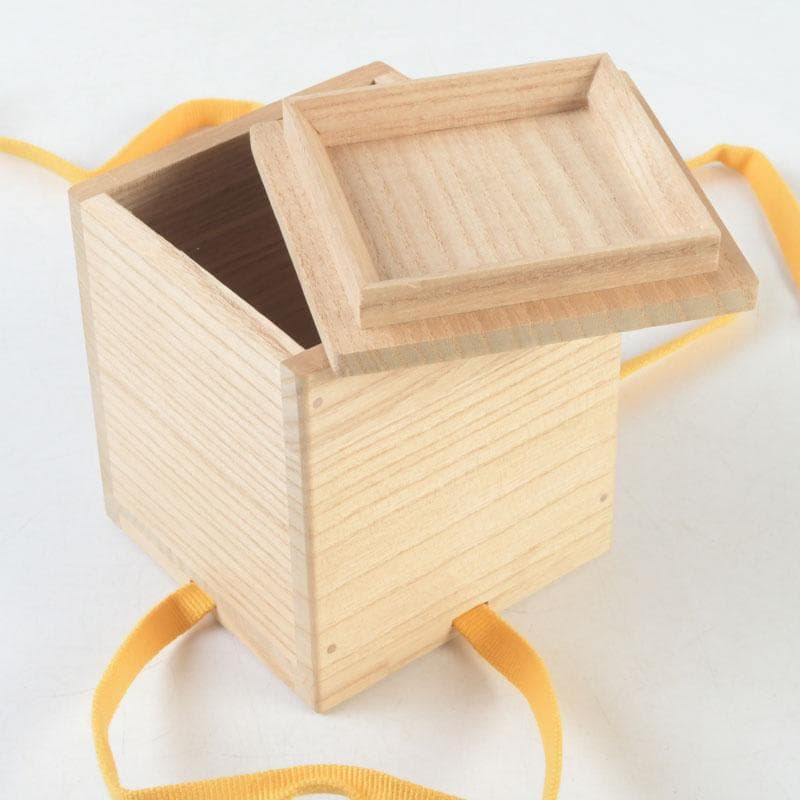
• Box: Tomobako (artist-signed wooden box)
• Style: Copy of Sokuchu-sai preference, 13th Omotesenke Grand Master
• Condition: Excellent – no cracks, chips, or repairs
━━━━━━━━━━━━━━━━━━━━
🔹 [ CULTURAL & ARTISTIC INSIGHT ]
The Taresode (誰袖, “Whose Sleeves”) motif is among the most evocative in Japanese visual culture. Originating in Heian-period poetry, the image of draped kimono sleeves hanging over a screen or rack suggests presence through absence—someone has been here, someone has departed. The viewer encounters not a person but the trace of one. This is emotional silence given form.
Iwakura Rikei, a Kaga maki-e master working in Ishikawa Prefecture, renders this literary theme in polychrome lacquer. Cherry blossoms, bamboo fences, golden clouds, and cascading red ribbons of cloth compose the scene across the caddy’s body. The design follows the taste of Sokuchu-sai, the 13th Omotesenke Grand Master, whose aesthetic preferences shaped an era of tea practice. A konomi-utsushi (preferred-style copy) carries the weight of that lineage—it is not imitation but inheritance.
*"A sleeve left draped. Cherry blossoms fall near an empty fence. Presence measured by what remains."*
━━━━━━━━━━━━━━━━━━━━
🔹 [ DEEP-DIVE COMMENTARY ]
**The Taresode Tradition**: Taresode as an artistic motif crystallized during the Momoyama and early Edo periods, appearing on screens, textiles, and lacquerware. The motif strips narrative to its residue—no figure, no action, only the material evidence of human presence. A kimono draped over a rack becomes a portrait without a face. In the context of tea, where the host’s personality infuses every element yet remains understated, this motif carries particular resonance.
**Kaga Maki-e Mastery**: Iwakura Rikei works within the Kaga maki-e tradition, distinct from Kyoto lacquer in its embrace of polychrome expression. Where Kyoto work tends toward gold-on-black refinement, Kaga lacquer deploys color with confidence—reds, greens, copper, silver alongside gold. The Taresode composition allows Rikei to exercise this full palette: cherry blossom petals in shell-white and pink, bamboo fences in brown and gold, cloud forms in gold dust, and the characteristic red sleeves.
**Sokuchu-sai’s Konomi**: The notation Sokuchu-sai konomi-utsushi indicates this caddy reproduces a design favored by the 13th Omotesenke Iemoto. In tea culture, a grand master’s konomi (preference) represents a curated aesthetic judgment. When later artisans create copies of these preferences, they participate in a chain of transmission. The object becomes a vessel for aesthetic continuity.
**Black and Green Ground**: The dual-ground treatment—black urushi transitioning to deep green—creates a landscape effect beneath the Taresode composition. The green suggests garden foliage, establishing spatial depth behind the bamboo fence and draped sleeves.
**Chu-Natsume Proportions**: The medium size achieves near-perfect 1:1 diameter-to-height ratio, creating visual stability. The compact form concentrates the polychrome maki-e into an intimate viewing experience.
━━━━━━━━━━━━━━━━━━━━
🔹 [ 日本語解説 ]
【基本情報】
• 作家:岩倉利慶
• 技法:誰袖蒔絵(多色蒔絵)
• 形状:中棗
• 寸法:直径6.7cm × 高さ6.6cm
• 様式:即中斉好写
• 付属:共箱
• 状態:良好
【解説】
岩倉利慶による誰袖蒔絵中棗。表千家十三代即中斉好写し。加賀蒔絵の伝統を受け継ぎ、多彩な蒔絵で誰袖の意匠を描く。桜、竹垣、金雲、赤い衣の袖が黒と深緑の漆地に展開される。
「誰袖」は不在の人物の存在を衣の袖で暗示する日本美術の古典的主題。平安和歌に端を発するこの意匠は、不在によって存在を感じさせるという日本美学の真髄を体現している。共箱付き。
━━━━━━━━━━━━━━━━━━━━
🔹 [ SHIPPING & PACKAGING ]
• Dispatch: Within 1-6 business days
• Carrier: Japan Post EMS / UPS (with tracking)
• Packaging: Carefully wrapped with protective materials
*Sleeves without a wearer. Cherry petals near an empty fence. Presence speaks through what is left behind.*
━━━━━━━━━━━━━━━━━━━━
🔹 [ BASIC DETAILS ]
• Artist: Iwakura Rikei (岩倉利慶)
• Technique: Polychrome maki-e on black and deep green urushi
• Era: Contemporary (Heisei–Reiwa period)
• Origin: Ishikawa Prefecture (Kaga region), Japan
• Dimensions: 6.7 cm diameter × 6.6 cm height (2.6" × 2.6")
• Box: Tomobako (artist-signed wooden box)
• Style: Copy of Sokuchu-sai preference, 13th Omotesenke Grand Master
• Condition: Excellent – no cracks, chips, or repairs
━━━━━━━━━━━━━━━━━━━━
🔹 [ CULTURAL & ARTISTIC INSIGHT ]
The Taresode (誰袖, “Whose Sleeves”) motif is among the most evocative in Japanese visual culture. Originating in Heian-period poetry, the image of draped kimono sleeves hanging over a screen or rack suggests presence through absence—someone has been here, someone has departed. The viewer encounters not a person but the trace of one. This is emotional silence given form.
Iwakura Rikei, a Kaga maki-e master working in Ishikawa Prefecture, renders this literary theme in polychrome lacquer. Cherry blossoms, bamboo fences, golden clouds, and cascading red ribbons of cloth compose the scene across the caddy’s body. The design follows the taste of Sokuchu-sai, the 13th Omotesenke Grand Master, whose aesthetic preferences shaped an era of tea practice. A konomi-utsushi (preferred-style copy) carries the weight of that lineage—it is not imitation but inheritance.
*"A sleeve left draped. Cherry blossoms fall near an empty fence. Presence measured by what remains."*
━━━━━━━━━━━━━━━━━━━━
🔹 [ DEEP-DIVE COMMENTARY ]
**The Taresode Tradition**: Taresode as an artistic motif crystallized during the Momoyama and early Edo periods, appearing on screens, textiles, and lacquerware. The motif strips narrative to its residue—no figure, no action, only the material evidence of human presence. A kimono draped over a rack becomes a portrait without a face. In the context of tea, where the host’s personality infuses every element yet remains understated, this motif carries particular resonance.
**Kaga Maki-e Mastery**: Iwakura Rikei works within the Kaga maki-e tradition, distinct from Kyoto lacquer in its embrace of polychrome expression. Where Kyoto work tends toward gold-on-black refinement, Kaga lacquer deploys color with confidence—reds, greens, copper, silver alongside gold. The Taresode composition allows Rikei to exercise this full palette: cherry blossom petals in shell-white and pink, bamboo fences in brown and gold, cloud forms in gold dust, and the characteristic red sleeves.
**Sokuchu-sai’s Konomi**: The notation Sokuchu-sai konomi-utsushi indicates this caddy reproduces a design favored by the 13th Omotesenke Iemoto. In tea culture, a grand master’s konomi (preference) represents a curated aesthetic judgment. When later artisans create copies of these preferences, they participate in a chain of transmission. The object becomes a vessel for aesthetic continuity.
**Black and Green Ground**: The dual-ground treatment—black urushi transitioning to deep green—creates a landscape effect beneath the Taresode composition. The green suggests garden foliage, establishing spatial depth behind the bamboo fence and draped sleeves.
**Chu-Natsume Proportions**: The medium size achieves near-perfect 1:1 diameter-to-height ratio, creating visual stability. The compact form concentrates the polychrome maki-e into an intimate viewing experience.
━━━━━━━━━━━━━━━━━━━━
🔹 [ 日本語解説 ]
【基本情報】
• 作家:岩倉利慶
• 技法:誰袖蒔絵(多色蒔絵)
• 形状:中棗
• 寸法:直径6.7cm × 高さ6.6cm
• 様式:即中斉好写
• 付属:共箱
• 状態:良好
【解説】
岩倉利慶による誰袖蒔絵中棗。表千家十三代即中斉好写し。加賀蒔絵の伝統を受け継ぎ、多彩な蒔絵で誰袖の意匠を描く。桜、竹垣、金雲、赤い衣の袖が黒と深緑の漆地に展開される。
「誰袖」は不在の人物の存在を衣の袖で暗示する日本美術の古典的主題。平安和歌に端を発するこの意匠は、不在によって存在を感じさせるという日本美学の真髄を体現している。共箱付き。
━━━━━━━━━━━━━━━━━━━━
🔹 [ SHIPPING & PACKAGING ]
• Dispatch: Within 1-6 business days
• Carrier: Japan Post EMS / UPS (with tracking)
• Packaging: Carefully wrapped with protective materials
*Sleeves without a wearer. Cherry petals near an empty fence. Presence speaks through what is left behind.*
Quantity
Couldn't load pickup availability
Low stock: 1 left
View full details