1
/
of
11
Tango Ware Wabi Matcha Bowl | Japanese Wood-Fired Chawan with Tomobako | Natural Ash Glaze Yakishime Tea Bowl
Tango Ware Wabi Matcha Bowl | Japanese Wood-Fired Chawan with Tomobako | Natural Ash Glaze Yakishime Tea Bowl
Regular price
Dhs. 498.00 AED
Regular price
Sale price
Dhs. 498.00 AED
Taxes included.
Shipping calculated at checkout.
Experience Authentic Japan Art with this Japanese Wood-Fired Chawan. This Tango Ware Matcha Bowl serves as a Wabi Tea Ceremony Bowl and Yakishime Stoneware Chawan, featuring Natural Ash Glaze Landscape and Japanese Ceramic Art—a must-have for any Art Collector. This Wabi Chawan Gift for Tea Lovers embodies the spirit of Wabi-Sabi Pottery, standing as a unique Japanese Antique Tea Bowl and Handmade Stoneware Teabowl.
🔹 [ BASIC DETAILS ]
• Artist: Unknown artisan of the Tango region (丹後地方)
• Technique: Yakishime wood-firing with natural ash glaze (自然釉); rich iron-spot speckles; anagama or noborigama kiln
• Era: Late 20th–early 21st century (estimated)
• Origin: Tango (丹後), Kyoto Prefecture, Japan
• Dimensions: Height approx. 7.7 cm, Diameter approx. 12.2 cm
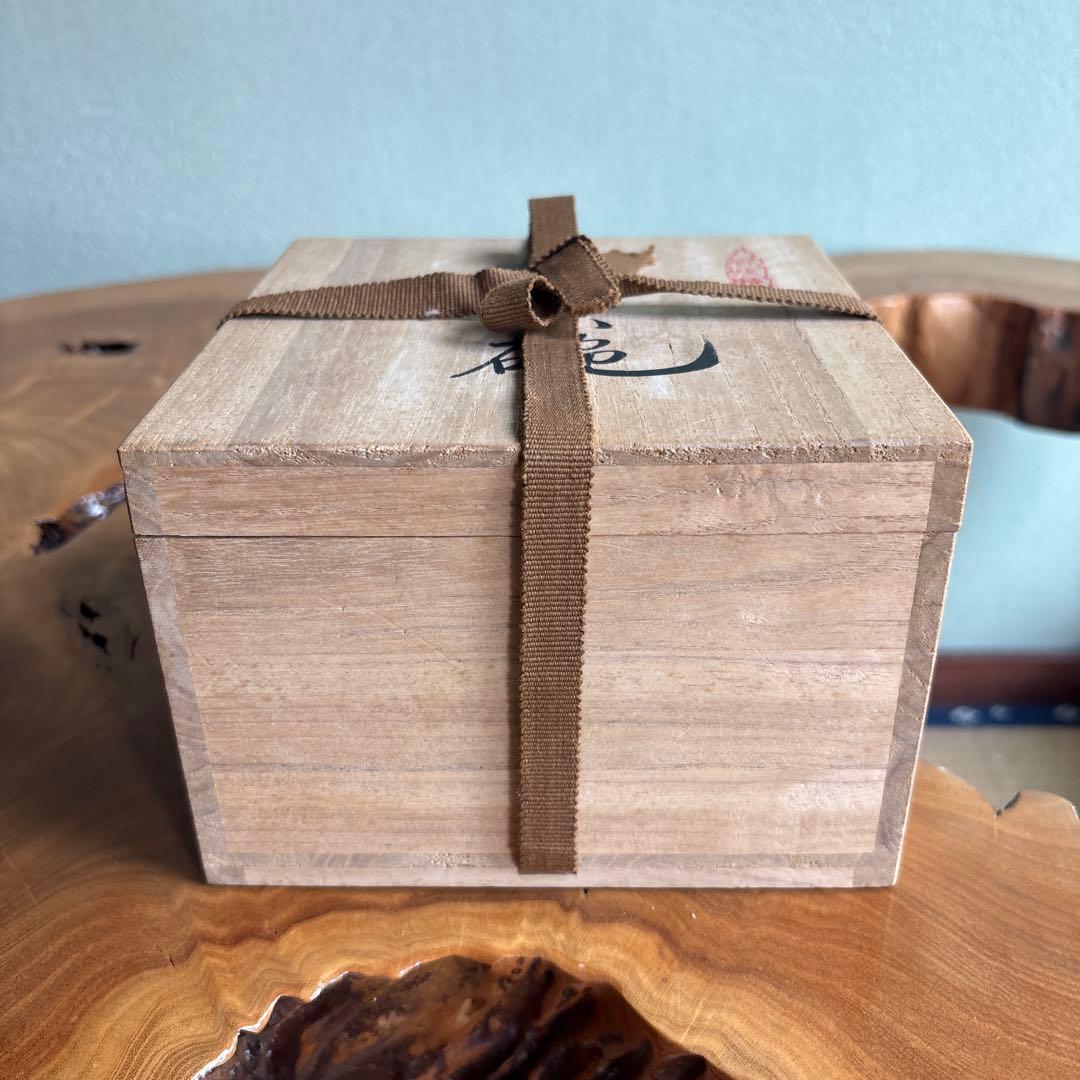
• Box: Tomobako (共箱) — original wooden storage box with calligraphed lid inscription 「抹茶碗」
• Condition: Excellent — no chips, no cracks, no repairs
🔹 [ CULTURAL & ARTISTIC INSIGHT ]
The Tango Peninsula, jutting into the Sea of Japan from northern Kyoto Prefecture, has long been a place apart — shaped by the fog, the pine forests, and the ancient thermal geology that gives its clay a distinctive iron-rich character. Tango-yaki (丹後焼) is not a kiln tradition celebrated in the annals of the great tea masters in the way Raku or Hagi might be, and that very obscurity is part of its power. This is pottery formed at the margins of fame, where potters work in honest dialogue with their materials rather than for historical legacy.
The bowl in hand carries a landscape on its exterior that no painter could have planned. Deep sweeps of crimson-purple, pale ash-grey, and charcoal black move across the gritty stoneware surface — the direct record of flame, ember, and wood-ash in an anagama or noborigama firing. This is hikidashi color: drawn from the kiln at the precise moment when the iron in the clay and the mineral compounds of the wood-ash glaze have fused into their most volatile and beautiful state. The interior reveals an equally meditative surface: a softly pooled ash glaze with iron speckles that settles the eye before the matcha is poured.
The form is deliberately imperfect in the manner that Sen no Rikyu taught his students to value — slightly asymmetric, with walls that rise with quiet confidence rather than mechanical precision. It sits low and grounded, the foot-ring modest, the opening wide enough to receive the chasen (bamboo whisk) with ease. To hold this bowl in both hands during fukusa-sabaki is to feel the weight of the earth itself.
Philosophical Reflection: "The ash fell where it would, the fire wrote what it knew — and what remains is a landscape no one designed, only witnessed."
🔹 [ DEEP-DIVE COMMENTARY ]
Yakishime (焼締) is the practice of firing stoneware to temperatures above 1250°C without the application of a glaze. Instead, the surface receives its finish from the natural interaction of wood-ash in the kiln atmosphere with the iron-rich clay body. The result is unpredictable, unrepeatable, and deeply prized within tea aesthetics precisely because of those qualities.
The coloration visible on this bowl — crimson-purple zones shifting into warm ochre-grey and deep black — results from the differential oxidation and reduction of iron oxide (Fe₂O₃/FeO) during firing. Where the flame was oxygen-rich, the iron oxidized toward warm reds and purples. Where carbon-laden smoke dominated, a darker reduction palette emerged. The pale ash deposits that gather in sheltered hollows are silicates from the wood fuel, which melted and fused onto the clay surface as a thin natural glaze.
Tango-yaki occupies an interesting position in Japanese ceramic history. Unlike the heavily documented kiln traditions of Kyoto (Kyo-yaki), Mino (Shino, Oribe), or Kyushu (Karatsu, Agano), Tango ware developed in relative isolation on the Sea of Japan coast, influenced by the rustic aesthetic of the region's folk craft tradition and by individual potters who worked outside the mainstream commercial kiln system. This regional independence gave Tango ware a directness and authenticity that resonates strongly with contemporary collectors who seek the unmediated encounter with material and fire.
For the practitioner of chado (茶道), this bowl offers a compelling choice for the wabi-cha aesthetic — the style of tea ceremony that prioritizes simplicity, poverty of form, and the discovery of beauty in the overlooked. Sen no Rikyu himself favored rough, unassuming vessels over the polished perfection of Chinese celadon, and this bowl would feel at home in any chashitsu where that spirit is honored. The tomobako (共箱) — the original wooden box, hand-inscribed — provides provenance and storage as a single object, demonstrating the Japanese conviction that the vessel's context is as important as the vessel itself.
🔹 [ 日本語解説 ]
【基本情報】
• 作家:丹後地方の陶工(作名不詳)
• 技法:焼締(やきしめ)木炭窯焼成、自然釉。穴窯または登り窯による高温焼成
• 年代:20世紀後期〜21世紀初頭(推定)
• 産地:京都府丹後地方
• 寸法:高さ約7.7cm、口径約12.2cm
• 箱:共箱(蓋裏に「抹茶碗」の墨書)
• 状態:良好。ヒビ・カケなし
【景色と美の解説】
丹後半島は日本海に突き出た京都府北部の岬で、霧と松林、そして古い地質が生む鉄分豊かな土が特徴的な陶芸の風土を育んできた。丹後焼は楽焼や萩焼のように茶の湯の歴史書に大きく名を刻む窯ではないが、その無名性こそがこの焼き物の強みでもある。この碗の外側には、誰の意図も超えた景色が宿っている。深い赤紫、淡い灰白、炭のような漆黒が、粗めの炻器の肌を流れるように動く。これはまさに炎と灰が記録した自然の絵画——焼締ならではの景色だ。
碗の内側は静かに溶けた灰釉が底に向かって集まり、鉄粒の細かな斑点が点在する。その面は、点前の前に目を落ち着かせ、心を整えさせるような静けさを持っている。
形は利休が弟子たちに示した「侘びた歪み」を自然に宿している。左右が完全には対称でなく、腰の張りが控えめで、口縁が穏やかに広がる。手に持てば大地の重みが伝わり、両手で包む茶碗として誂えられたような収まりがある。
詩的一文:「灰は落ちるべき場所に落ち、炎は知るものを記した。残されたのは誰も設計しなかった景色——ただ、それを目撃した者たちがいた。」
【ディープ解説】
焼締とは釉薬を用いず、木灰の自然な化学反応と高温(1250℃以上)の炎のみによって陶器の肌を仕上げる技法である。鉄分の酸化・還元によって生じる色の変化は一点一点異なり、反復不可能な景色を生む。この碗に見られる赤紫・赤茶・黒の色合いは、窯内の酸化炎と還元炎の微妙な差によって生まれたものだ。
丹後焼は日本の陶芸史において独自の位置を占める。京焼・美濃焼・唐津焼などの著名な窯場と異なり、丹後の陶工たちは日本海の海岸という地理的孤立のなかで、民芸的な素朴さと個人の感性を直接素材に向けてきた。その自立性が、現代のコレクターを惹きつける真摯な存在感を生んでいる。
茶道の実践者にとって、この碗は侘び茶の精神に即した器として使い応えがある。利休が中国の名品よりも素朴な侘び茶碗を好んだように、この碗は磨かれた完璧さよりも火と土の対話から生まれた美しさを体現している。共箱は碗の来歴と保存容器を兼ね、器を文脈ごと手渡す日本の価値観を示している。
🔹 [ SHIPPING & PACKAGING ]
• Dispatch: Within 1-6 business days
• Carrier: Japan Post EMS / UPS (with tracking)
• Packaging: Carefully wrapped with protective materials
🔹 [ BASIC DETAILS ]
• Artist: Unknown artisan of the Tango region (丹後地方)
• Technique: Yakishime wood-firing with natural ash glaze (自然釉); rich iron-spot speckles; anagama or noborigama kiln
• Era: Late 20th–early 21st century (estimated)
• Origin: Tango (丹後), Kyoto Prefecture, Japan
• Dimensions: Height approx. 7.7 cm, Diameter approx. 12.2 cm
• Box: Tomobako (共箱) — original wooden storage box with calligraphed lid inscription 「抹茶碗」
• Condition: Excellent — no chips, no cracks, no repairs
🔹 [ CULTURAL & ARTISTIC INSIGHT ]
The Tango Peninsula, jutting into the Sea of Japan from northern Kyoto Prefecture, has long been a place apart — shaped by the fog, the pine forests, and the ancient thermal geology that gives its clay a distinctive iron-rich character. Tango-yaki (丹後焼) is not a kiln tradition celebrated in the annals of the great tea masters in the way Raku or Hagi might be, and that very obscurity is part of its power. This is pottery formed at the margins of fame, where potters work in honest dialogue with their materials rather than for historical legacy.
The bowl in hand carries a landscape on its exterior that no painter could have planned. Deep sweeps of crimson-purple, pale ash-grey, and charcoal black move across the gritty stoneware surface — the direct record of flame, ember, and wood-ash in an anagama or noborigama firing. This is hikidashi color: drawn from the kiln at the precise moment when the iron in the clay and the mineral compounds of the wood-ash glaze have fused into their most volatile and beautiful state. The interior reveals an equally meditative surface: a softly pooled ash glaze with iron speckles that settles the eye before the matcha is poured.
The form is deliberately imperfect in the manner that Sen no Rikyu taught his students to value — slightly asymmetric, with walls that rise with quiet confidence rather than mechanical precision. It sits low and grounded, the foot-ring modest, the opening wide enough to receive the chasen (bamboo whisk) with ease. To hold this bowl in both hands during fukusa-sabaki is to feel the weight of the earth itself.
Philosophical Reflection: "The ash fell where it would, the fire wrote what it knew — and what remains is a landscape no one designed, only witnessed."
🔹 [ DEEP-DIVE COMMENTARY ]
Yakishime (焼締) is the practice of firing stoneware to temperatures above 1250°C without the application of a glaze. Instead, the surface receives its finish from the natural interaction of wood-ash in the kiln atmosphere with the iron-rich clay body. The result is unpredictable, unrepeatable, and deeply prized within tea aesthetics precisely because of those qualities.
The coloration visible on this bowl — crimson-purple zones shifting into warm ochre-grey and deep black — results from the differential oxidation and reduction of iron oxide (Fe₂O₃/FeO) during firing. Where the flame was oxygen-rich, the iron oxidized toward warm reds and purples. Where carbon-laden smoke dominated, a darker reduction palette emerged. The pale ash deposits that gather in sheltered hollows are silicates from the wood fuel, which melted and fused onto the clay surface as a thin natural glaze.
Tango-yaki occupies an interesting position in Japanese ceramic history. Unlike the heavily documented kiln traditions of Kyoto (Kyo-yaki), Mino (Shino, Oribe), or Kyushu (Karatsu, Agano), Tango ware developed in relative isolation on the Sea of Japan coast, influenced by the rustic aesthetic of the region's folk craft tradition and by individual potters who worked outside the mainstream commercial kiln system. This regional independence gave Tango ware a directness and authenticity that resonates strongly with contemporary collectors who seek the unmediated encounter with material and fire.
For the practitioner of chado (茶道), this bowl offers a compelling choice for the wabi-cha aesthetic — the style of tea ceremony that prioritizes simplicity, poverty of form, and the discovery of beauty in the overlooked. Sen no Rikyu himself favored rough, unassuming vessels over the polished perfection of Chinese celadon, and this bowl would feel at home in any chashitsu where that spirit is honored. The tomobako (共箱) — the original wooden box, hand-inscribed — provides provenance and storage as a single object, demonstrating the Japanese conviction that the vessel's context is as important as the vessel itself.
🔹 [ 日本語解説 ]
【基本情報】
• 作家:丹後地方の陶工(作名不詳)
• 技法:焼締(やきしめ)木炭窯焼成、自然釉。穴窯または登り窯による高温焼成
• 年代:20世紀後期〜21世紀初頭(推定)
• 産地:京都府丹後地方
• 寸法:高さ約7.7cm、口径約12.2cm
• 箱:共箱(蓋裏に「抹茶碗」の墨書)
• 状態:良好。ヒビ・カケなし
【景色と美の解説】
丹後半島は日本海に突き出た京都府北部の岬で、霧と松林、そして古い地質が生む鉄分豊かな土が特徴的な陶芸の風土を育んできた。丹後焼は楽焼や萩焼のように茶の湯の歴史書に大きく名を刻む窯ではないが、その無名性こそがこの焼き物の強みでもある。この碗の外側には、誰の意図も超えた景色が宿っている。深い赤紫、淡い灰白、炭のような漆黒が、粗めの炻器の肌を流れるように動く。これはまさに炎と灰が記録した自然の絵画——焼締ならではの景色だ。
碗の内側は静かに溶けた灰釉が底に向かって集まり、鉄粒の細かな斑点が点在する。その面は、点前の前に目を落ち着かせ、心を整えさせるような静けさを持っている。
形は利休が弟子たちに示した「侘びた歪み」を自然に宿している。左右が完全には対称でなく、腰の張りが控えめで、口縁が穏やかに広がる。手に持てば大地の重みが伝わり、両手で包む茶碗として誂えられたような収まりがある。
詩的一文:「灰は落ちるべき場所に落ち、炎は知るものを記した。残されたのは誰も設計しなかった景色——ただ、それを目撃した者たちがいた。」
【ディープ解説】
焼締とは釉薬を用いず、木灰の自然な化学反応と高温(1250℃以上)の炎のみによって陶器の肌を仕上げる技法である。鉄分の酸化・還元によって生じる色の変化は一点一点異なり、反復不可能な景色を生む。この碗に見られる赤紫・赤茶・黒の色合いは、窯内の酸化炎と還元炎の微妙な差によって生まれたものだ。
丹後焼は日本の陶芸史において独自の位置を占める。京焼・美濃焼・唐津焼などの著名な窯場と異なり、丹後の陶工たちは日本海の海岸という地理的孤立のなかで、民芸的な素朴さと個人の感性を直接素材に向けてきた。その自立性が、現代のコレクターを惹きつける真摯な存在感を生んでいる。
茶道の実践者にとって、この碗は侘び茶の精神に即した器として使い応えがある。利休が中国の名品よりも素朴な侘び茶碗を好んだように、この碗は磨かれた完璧さよりも火と土の対話から生まれた美しさを体現している。共箱は碗の来歴と保存容器を兼ね、器を文脈ごと手渡す日本の価値観を示している。
🔹 [ SHIPPING & PACKAGING ]
• Dispatch: Within 1-6 business days
• Carrier: Japan Post EMS / UPS (with tracking)
• Packaging: Carefully wrapped with protective materials
Quantity
Couldn't load pickup availability
Low stock: 1 left
View full details