1
/
of
10
Tanaka Juho Akae Undote Tea Bowl — Red Overglaze Enamel Chinoiserie Chawan
Tanaka Juho Akae Undote Tea Bowl — Red Overglaze Enamel Chinoiserie Chawan
Regular price
Dhs. 849.00 AED
Regular price
Sale price
Dhs. 849.00 AED
Taxes included.
Shipping calculated at checkout.
A red overglaze enamel tea bowl (赤絵茶碗) by Kyoto potter Tanaka Juho (田中寿宝) in the Undote (雲堂手) style — a Chinoiserie Chawan carrying the cultural weight of Ming Dynasty porcelain reinterpreted through Japanese Tea Ceremony sensibility. Iron-red shippo-tsunagi geometric patterns crown the rim, while Chinese scholars, peonies, and auspicious cloud motifs encircle the body in Akae Overglaze Enamel with gold accents. A gold 壽 (kotobuki / longevity) character marks the interior — a Kyoto Pottery Matcha Bowl of quiet density and deliberate authorship.
━━━━━━━━━━━━━━━━━━━━
🔹 [ BASIC DETAILS ]
• Artist: Tanaka Juho (田中寿宝) — Kyoto potter
• Technique: Akae (赤絵) overglaze enamel painting — iron-red, green, gold
• Style: Undote (雲堂手) — Chinese cloud-hall influenced overglaze tradition
• Era: 2010s
• Origin: Kyoto, Japan
• Dimensions: H 8.4 cm × D 12.5 cm (3.3" × 4.9")
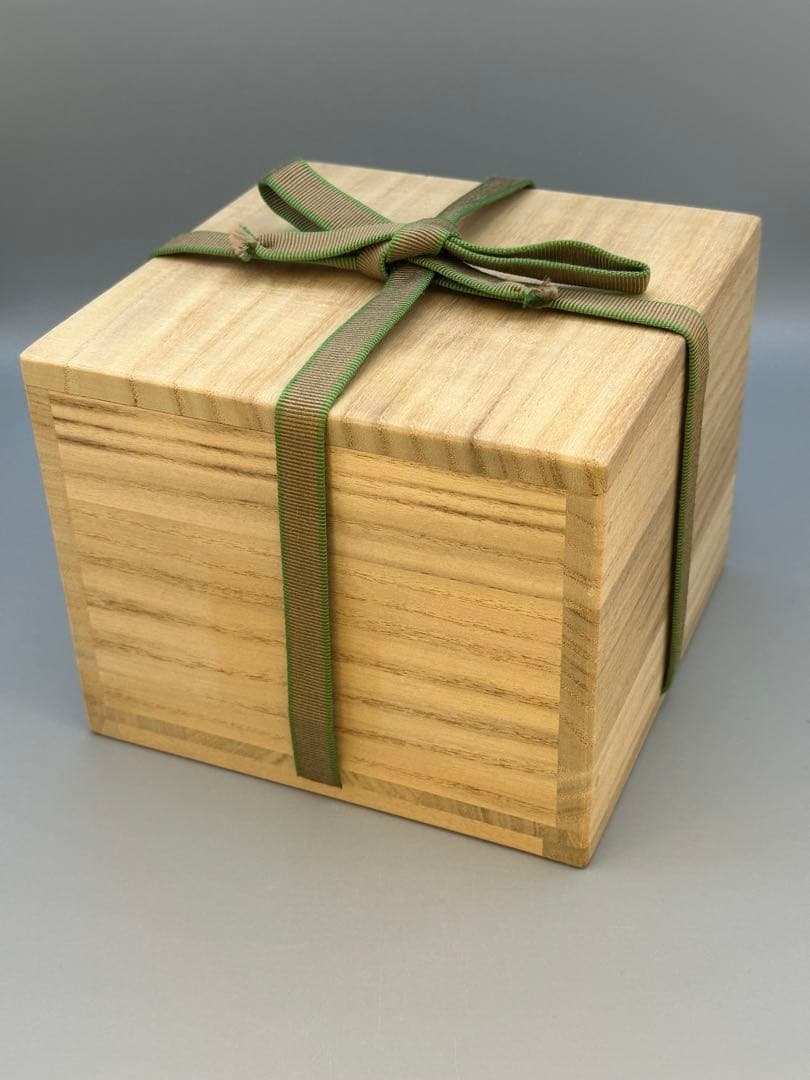
• Box: Signed wooden box (共箱), inscribed "寿宝造" — slight yake (aging) on box exterior
• Condition: Good — no notable damage or stains
━━━━━━━━━━━━━━━━━━━━
🔹 [ CULTURAL & ARTISTIC INSIGHT ]
Undote (雲堂手) is not imitation. It is translation. When Kyoto potters adopted the overglaze vocabulary of Ming and Qing dynasty porcelain, they did not copy — they listened to the original language and spoke it back with a Japanese accent. The cloud-hall tradition carries centuries of Chinese ceramic intelligence: dense composition balanced by deliberate breathing space, figures that inhabit rather than decorate, geometry that structures without confining.
Tanaka Juho's interpretation holds this lineage with practiced hands. The upper band of shippo-tsunagi (七宝繋ぎ) — interlocking seven-treasure circles in iron-red — establishes order. Below, the world opens: Chinese scholars walk among peonies and stylized clouds, rendered in iron-red, green, and gold with the unhurried confidence of a painter who has drawn these figures a thousand times and still finds something new in each gesture.
Inside the bowl, where only the tea drinker sees, a gold 壽 (kotobuki — longevity) character sits within a red circle at the chadomari. This is not decoration placed for display. It is a private blessing, offered to the one who drinks. A peony in red unfurls near the rim's interior, completing a conversation between outside spectacle and inside intimacy that defines accomplished akae work.
*"The blessing is not on the surface. It waits at the bottom of the bowl, revealed only when the tea is gone."*
━━━━━━━━━━━━━━━━━━━━
🔹 [ DEEP-DIVE COMMENTARY ]
**Undote (雲堂手) — The Cloud-Hall Tradition**: The term undote derives from Chinese Buddhist architecture — the "cloud hall" (雲堂) where monks gathered. In ceramic context, it denotes a style of overglaze enamel painting that draws directly from Chinese porcelain traditions, particularly the densely decorated wares of the Ming dynasty's Wanli period and the Qing dynasty's famille-verte palette. Japanese tea practitioners adopted these Chinese-influenced bowls not as foreign curiosities but as participants in the broader East Asian conversation about beauty, auspiciousness, and the relationship between pattern and space.
**Akae (赤絵) Technique**: Overglaze enamel painting in iron-red — akae — requires a second firing at a lower temperature after the initial glaze firing. The iron-red pigment is mixed with a flux, painted onto the already-glazed surface, and refired so the enamel fuses permanently to the glaze. The process demands precision: too hot and the red burns away; too cool and it fails to bond. Tanaka Juho adds green and gold to the iron-red foundation, creating a trichromatic palette that references both Chinese wucai (五彩) and Japanese Kutani traditions without belonging entirely to either.
**Shippo-tsunagi (七宝繋ぎ) — Geometry as Blessing**: The interlocking circle pattern encircling the upper rim is shippo-tsunagi — literally "linked seven treasures." In Buddhist iconography, the seven treasures (gold, silver, lapis lazuli, crystal, agate, coral, pearl) represent spiritual completeness. The geometric abstraction of these treasures into interlocking circles transforms material wealth into structural harmony. On this bowl, the pattern serves architecturally — it frames the figurative scene below the way a cornice frames a wall painting.
**The Gold Kotobuki (壽) Interior**: The single gold character at the center of the bowl's interior — 壽, the old-form character for longevity — transforms every bowl of tea into an act of quiet well-wishing. In Japanese tea culture, the interior of the bowl belongs to the drinker alone. What the potter places there is a private communication. The red circle enclosing the gold character echoes the structure of a seal (落款), giving this blessing the weight of a signed declaration.
━━━━━━━━━━━━━━━━━━━━
🔹 [ 日本語解説 ]
【基本情報】
• 作家:田中寿宝(京焼)
• 技法:赤絵(上絵付)——鉄赤・緑・金彩
• 様式:雲堂手(中国磁器に由来する赤絵の一様式)
• 時代:2010年代
• 産地:京都
• 寸法:高さ8.4cm × 口径12.5cm
• 箱:共箱(「寿宝造」銘)、箱にやや焼けあり
• 状態:良好——目立つ傷・シミなし
【解説】
田中寿宝作の赤絵雲堂手茶碗です。雲堂手とは、中国・明清時代の磁器に見られる赤絵の文様体系を、日本の茶陶として再解釈した様式を指します。
口縁部には鉄赤による七宝繋ぎ文が巡り、胴部には中国風の仙人・牡丹・雲文・鳳凰文が鉄赤・緑・金の三色で緻密に描かれています。見込み(茶碗内部)には赤丸の中に金彩の「壽」字が配され、口縁内側には赤絵の牡丹文が展開しています。外の華やかさと内の祝意が対をなす構成は、赤絵茶碗の醍醐味です。
七宝繋ぎは仏教の七宝(金・銀・瑠璃・玻璃・硨磲・珊瑚・瑪瑙)を幾何学文様に昇華したもので、吉祥と調和を象徴します。見込みの「壽」字は茶を飲み干したときにのみ現れる——茶人への静かな祝福であり、この茶碗が持つ密やかな奥行きです。共箱付き。
━━━━━━━━━━━━━━━━━━━━
🔹 [ SHIPPING & PACKAGING ]
• Dispatch: Within 1-6 business days
• Carrier: Japan Post EMS / UPS (with tracking)
• Packaging: Carefully wrapped with protective materials
*The scholars still walk among the peonies. The gold character still waits at the bottom of the bowl. Some blessings require emptiness to be seen.*
━━━━━━━━━━━━━━━━━━━━
🔹 [ BASIC DETAILS ]
• Artist: Tanaka Juho (田中寿宝) — Kyoto potter
• Technique: Akae (赤絵) overglaze enamel painting — iron-red, green, gold
• Style: Undote (雲堂手) — Chinese cloud-hall influenced overglaze tradition
• Era: 2010s
• Origin: Kyoto, Japan
• Dimensions: H 8.4 cm × D 12.5 cm (3.3" × 4.9")
• Box: Signed wooden box (共箱), inscribed "寿宝造" — slight yake (aging) on box exterior
• Condition: Good — no notable damage or stains
━━━━━━━━━━━━━━━━━━━━
🔹 [ CULTURAL & ARTISTIC INSIGHT ]
Undote (雲堂手) is not imitation. It is translation. When Kyoto potters adopted the overglaze vocabulary of Ming and Qing dynasty porcelain, they did not copy — they listened to the original language and spoke it back with a Japanese accent. The cloud-hall tradition carries centuries of Chinese ceramic intelligence: dense composition balanced by deliberate breathing space, figures that inhabit rather than decorate, geometry that structures without confining.
Tanaka Juho's interpretation holds this lineage with practiced hands. The upper band of shippo-tsunagi (七宝繋ぎ) — interlocking seven-treasure circles in iron-red — establishes order. Below, the world opens: Chinese scholars walk among peonies and stylized clouds, rendered in iron-red, green, and gold with the unhurried confidence of a painter who has drawn these figures a thousand times and still finds something new in each gesture.
Inside the bowl, where only the tea drinker sees, a gold 壽 (kotobuki — longevity) character sits within a red circle at the chadomari. This is not decoration placed for display. It is a private blessing, offered to the one who drinks. A peony in red unfurls near the rim's interior, completing a conversation between outside spectacle and inside intimacy that defines accomplished akae work.
*"The blessing is not on the surface. It waits at the bottom of the bowl, revealed only when the tea is gone."*
━━━━━━━━━━━━━━━━━━━━
🔹 [ DEEP-DIVE COMMENTARY ]
**Undote (雲堂手) — The Cloud-Hall Tradition**: The term undote derives from Chinese Buddhist architecture — the "cloud hall" (雲堂) where monks gathered. In ceramic context, it denotes a style of overglaze enamel painting that draws directly from Chinese porcelain traditions, particularly the densely decorated wares of the Ming dynasty's Wanli period and the Qing dynasty's famille-verte palette. Japanese tea practitioners adopted these Chinese-influenced bowls not as foreign curiosities but as participants in the broader East Asian conversation about beauty, auspiciousness, and the relationship between pattern and space.
**Akae (赤絵) Technique**: Overglaze enamel painting in iron-red — akae — requires a second firing at a lower temperature after the initial glaze firing. The iron-red pigment is mixed with a flux, painted onto the already-glazed surface, and refired so the enamel fuses permanently to the glaze. The process demands precision: too hot and the red burns away; too cool and it fails to bond. Tanaka Juho adds green and gold to the iron-red foundation, creating a trichromatic palette that references both Chinese wucai (五彩) and Japanese Kutani traditions without belonging entirely to either.
**Shippo-tsunagi (七宝繋ぎ) — Geometry as Blessing**: The interlocking circle pattern encircling the upper rim is shippo-tsunagi — literally "linked seven treasures." In Buddhist iconography, the seven treasures (gold, silver, lapis lazuli, crystal, agate, coral, pearl) represent spiritual completeness. The geometric abstraction of these treasures into interlocking circles transforms material wealth into structural harmony. On this bowl, the pattern serves architecturally — it frames the figurative scene below the way a cornice frames a wall painting.
**The Gold Kotobuki (壽) Interior**: The single gold character at the center of the bowl's interior — 壽, the old-form character for longevity — transforms every bowl of tea into an act of quiet well-wishing. In Japanese tea culture, the interior of the bowl belongs to the drinker alone. What the potter places there is a private communication. The red circle enclosing the gold character echoes the structure of a seal (落款), giving this blessing the weight of a signed declaration.
━━━━━━━━━━━━━━━━━━━━
🔹 [ 日本語解説 ]
【基本情報】
• 作家:田中寿宝(京焼)
• 技法:赤絵(上絵付)——鉄赤・緑・金彩
• 様式:雲堂手(中国磁器に由来する赤絵の一様式)
• 時代:2010年代
• 産地:京都
• 寸法:高さ8.4cm × 口径12.5cm
• 箱:共箱(「寿宝造」銘)、箱にやや焼けあり
• 状態:良好——目立つ傷・シミなし
【解説】
田中寿宝作の赤絵雲堂手茶碗です。雲堂手とは、中国・明清時代の磁器に見られる赤絵の文様体系を、日本の茶陶として再解釈した様式を指します。
口縁部には鉄赤による七宝繋ぎ文が巡り、胴部には中国風の仙人・牡丹・雲文・鳳凰文が鉄赤・緑・金の三色で緻密に描かれています。見込み(茶碗内部)には赤丸の中に金彩の「壽」字が配され、口縁内側には赤絵の牡丹文が展開しています。外の華やかさと内の祝意が対をなす構成は、赤絵茶碗の醍醐味です。
七宝繋ぎは仏教の七宝(金・銀・瑠璃・玻璃・硨磲・珊瑚・瑪瑙)を幾何学文様に昇華したもので、吉祥と調和を象徴します。見込みの「壽」字は茶を飲み干したときにのみ現れる——茶人への静かな祝福であり、この茶碗が持つ密やかな奥行きです。共箱付き。
━━━━━━━━━━━━━━━━━━━━
🔹 [ SHIPPING & PACKAGING ]
• Dispatch: Within 1-6 business days
• Carrier: Japan Post EMS / UPS (with tracking)
• Packaging: Carefully wrapped with protective materials
*The scholars still walk among the peonies. The gold character still waits at the bottom of the bowl. Some blessings require emptiness to be seen.*
Quantity
Couldn't load pickup availability
Low stock: 1 left
View full details