1
/
of
17
Takatori-yaki Tea Bowl by Takatori Shingo — Zen Priest Inscription Etsudo
Takatori-yaki Tea Bowl by Takatori Shingo — Zen Priest Inscription Etsudo
Regular price
Dhs. 1,534.00 AED
Regular price
Sale price
Dhs. 1,534.00 AED
Taxes included.
Shipping calculated at checkout.
Experience Authentic Japan Art with this Takatori Yaki Tea Bowl. This Chawan With Kakitsuke serves as a Zen Tea Ceremony Bowl and Japanese Collector Chawan, featuring Amber Teal Flowing Glaze and Zen Priest Inscription Etsudo—a must-have for any Art Collector. A named-kiln chawan authenticated by a Zen master's hand: the Takatori Shingo tea bowl with inscription (書付) by priest Takahashi Etsudo carries two forms of authority in a single ceramic object.
🔹 [ Basic Details ]
• Potter: Takatori Shingo (高取新吾)
• Inscription (書付): By Takahashi Etsudō (高橋悦道), Zen priest
• Technique: Takatori-yaki (高取焼) — natural ash glaze, wood-fired
• Era: Contemporary (2000s–2020s)
• Origin: Fukuoka Prefecture, Japan (Takatori kiln lineage)
• Dimensions: Height approx. 8 cm, Diameter approx. 13.7 cm
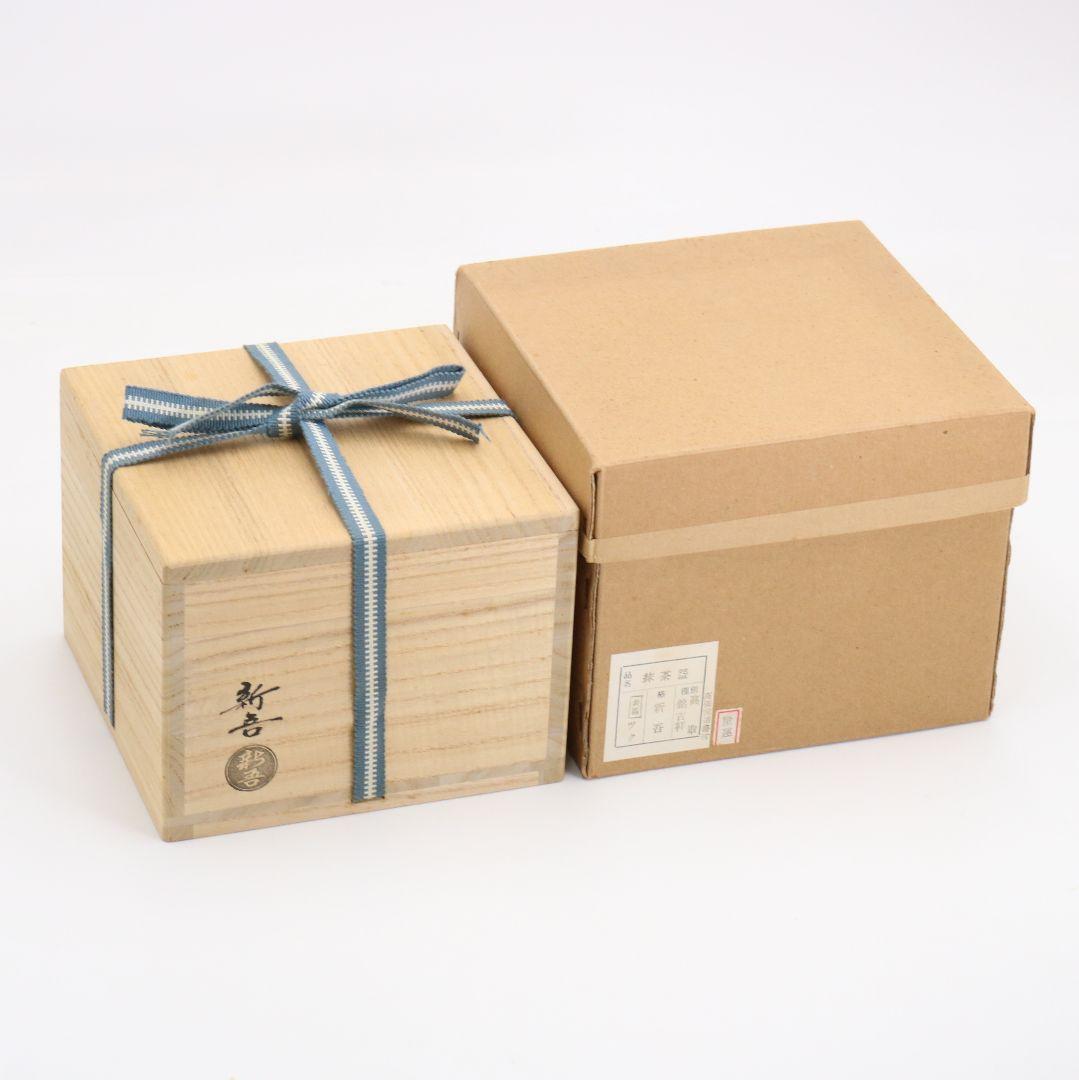
• Box: Shared wooden box (共箱) with kakitsuke
• Condition: Excellent; glaze intact, natural kiln marks add character
🔹 [ Cultural & Artistic Insight ]
Takatori-yaki originated in the early seventeenth century under the patronage of the Kuroda domain (present-day Fukuoka), established by Korean potters brought to Japan during Toyotomi Hideyoshi's invasions. The style is characterized by flowing natural ash glazes in amber, teal, brown, and black — colors that emerge from the unpredictable interaction of wood ash, heat, and clay body during long wood firings.
The kakitsuke (書付) — an inscription on the box by a recognized authority, typically a tea master or Zen priest — is one of the highest forms of attribution in Japanese tea ceramics. It is an act of naming: the inscriber witnesses the bowl and declares its worth. Takahashi Etsudō's inscription on this piece places it in a living lineage of Zen aesthetic judgment.
POETIC LINE: "The glaze chose its path through the fire. The priest chose his words after. Both arrived at the same stillness."
🔹 [ Deep-Dive Commentary ]
Takatori-yaki is historically classified among the seven celebrated tea kilns (七大茶陶窯) that defined the aesthetics of the Edo period chanoyu world. Its Korean technical origins — the noborigama climbing kiln, the use of natural ash as glaze — were absorbed into the wabi aesthetic through generations of use and appreciation by tea masters including the Enshū school.
The glaze character of Takatori ware is driven by movement: glaze runs, pools at the foot, thins at rims to reveal the clay body beneath. Each firing produces variations that cannot be predicted or repeated. This inherent variability is the basis of the Takatori aesthetic — the bowl is complete not when the potter finishes, but when the fire speaks.
Takatori Shingo works within this tradition with evident respect for its history and its material demands. The amber-teal-black flow visible in this bowl represents one of the most characteristic and visually compelling Takatori effects — a colorfield that shifts between warmth and coolness, between the organic and the austere.
The Zen priest inscription by Takahashi Etsudō adds a dimension that no photograph can convey: the object has been held, considered, and named by a practitioner whose eye has been trained across decades of ceremonial engagement. This is provenance as spiritual endorsement.
【日本語解説】
🔹 [ 基本情報 ]
• 作者:高取新吾
• 書付:高橋悦道(禅僧)
• 技法:高取焼(薪窯焼成、自然灰釉)
• 年代:現代(2000年代〜2020年代)
• 産地:福岡県(高取焼)
• 寸法:高さ約8cm、径約13.7cm
• 箱:共箱(書付入り)
• 状態:良好。釉面完全、窯変の景色あり
🔹 [ 文化・芸術的背景 ]
高取焼は黒田藩の御用窯として十七世紀初頭に朝鮮人陶工によって創始され、その自然灰釉の流動的な表情は七大茶陶窯のひとつとして茶道文化に深く根付いた。書付とは箱に認められる識語であり、茶人や禅僧が器を鑑賞した証として書き入れる。高橋悦道師の書付は、この茶碗が禅的審美眼の連鎖の中に位置づけられることを意味する。
🔹 [ 上級コレクター向け解説 ]
高取焼の釉薬の本質は運動にある。窯の中で溶けて流れ、底部に溜まり、縁で薄くなる。その変化は予測不能であり、反復不可能である。高取新吾はこの伝統の要求に真摯に向き合い、琥珀から青緑へ流れる典型的な高取の色彩空間を実現している。禅僧の書付は、写真では伝わらない次元を加える。この器は、数十年の茶道的鑑識眼によって名前を与えられた。それは精神的な保証としての来歴である。
🔹 [ SHIPPING & PACKAGING ]
• Dispatch: Within 1-6 business days
• Carrier: Japan Post EMS / UPS (with tracking)
• Packaging: Carefully wrapped with protective materials
🔹 [ Basic Details ]
• Potter: Takatori Shingo (高取新吾)
• Inscription (書付): By Takahashi Etsudō (高橋悦道), Zen priest
• Technique: Takatori-yaki (高取焼) — natural ash glaze, wood-fired
• Era: Contemporary (2000s–2020s)
• Origin: Fukuoka Prefecture, Japan (Takatori kiln lineage)
• Dimensions: Height approx. 8 cm, Diameter approx. 13.7 cm
• Box: Shared wooden box (共箱) with kakitsuke
• Condition: Excellent; glaze intact, natural kiln marks add character
🔹 [ Cultural & Artistic Insight ]
Takatori-yaki originated in the early seventeenth century under the patronage of the Kuroda domain (present-day Fukuoka), established by Korean potters brought to Japan during Toyotomi Hideyoshi's invasions. The style is characterized by flowing natural ash glazes in amber, teal, brown, and black — colors that emerge from the unpredictable interaction of wood ash, heat, and clay body during long wood firings.
The kakitsuke (書付) — an inscription on the box by a recognized authority, typically a tea master or Zen priest — is one of the highest forms of attribution in Japanese tea ceramics. It is an act of naming: the inscriber witnesses the bowl and declares its worth. Takahashi Etsudō's inscription on this piece places it in a living lineage of Zen aesthetic judgment.
POETIC LINE: "The glaze chose its path through the fire. The priest chose his words after. Both arrived at the same stillness."
🔹 [ Deep-Dive Commentary ]
Takatori-yaki is historically classified among the seven celebrated tea kilns (七大茶陶窯) that defined the aesthetics of the Edo period chanoyu world. Its Korean technical origins — the noborigama climbing kiln, the use of natural ash as glaze — were absorbed into the wabi aesthetic through generations of use and appreciation by tea masters including the Enshū school.
The glaze character of Takatori ware is driven by movement: glaze runs, pools at the foot, thins at rims to reveal the clay body beneath. Each firing produces variations that cannot be predicted or repeated. This inherent variability is the basis of the Takatori aesthetic — the bowl is complete not when the potter finishes, but when the fire speaks.
Takatori Shingo works within this tradition with evident respect for its history and its material demands. The amber-teal-black flow visible in this bowl represents one of the most characteristic and visually compelling Takatori effects — a colorfield that shifts between warmth and coolness, between the organic and the austere.
The Zen priest inscription by Takahashi Etsudō adds a dimension that no photograph can convey: the object has been held, considered, and named by a practitioner whose eye has been trained across decades of ceremonial engagement. This is provenance as spiritual endorsement.
【日本語解説】
🔹 [ 基本情報 ]
• 作者:高取新吾
• 書付:高橋悦道(禅僧)
• 技法:高取焼(薪窯焼成、自然灰釉)
• 年代:現代(2000年代〜2020年代)
• 産地:福岡県(高取焼)
• 寸法:高さ約8cm、径約13.7cm
• 箱:共箱(書付入り)
• 状態:良好。釉面完全、窯変の景色あり
🔹 [ 文化・芸術的背景 ]
高取焼は黒田藩の御用窯として十七世紀初頭に朝鮮人陶工によって創始され、その自然灰釉の流動的な表情は七大茶陶窯のひとつとして茶道文化に深く根付いた。書付とは箱に認められる識語であり、茶人や禅僧が器を鑑賞した証として書き入れる。高橋悦道師の書付は、この茶碗が禅的審美眼の連鎖の中に位置づけられることを意味する。
🔹 [ 上級コレクター向け解説 ]
高取焼の釉薬の本質は運動にある。窯の中で溶けて流れ、底部に溜まり、縁で薄くなる。その変化は予測不能であり、反復不可能である。高取新吾はこの伝統の要求に真摯に向き合い、琥珀から青緑へ流れる典型的な高取の色彩空間を実現している。禅僧の書付は、写真では伝わらない次元を加える。この器は、数十年の茶道的鑑識眼によって名前を与えられた。それは精神的な保証としての来歴である。
🔹 [ SHIPPING & PACKAGING ]
• Dispatch: Within 1-6 business days
• Carrier: Japan Post EMS / UPS (with tracking)
• Packaging: Carefully wrapped with protective materials
Quantity
Couldn't load pickup availability
Low stock: 1 left
View full details