1
/
of
10
Takatori Ware Tea Bowl by 12th Gen Takatori Hachizan - Ash Glaze Chawan with Signed Box
Takatori Ware Tea Bowl by 12th Gen Takatori Hachizan - Ash Glaze Chawan with Signed Box
Regular price
Dhs. 1,209.00 AED
Regular price
Sale price
Dhs. 1,209.00 AED
Taxes included.
Shipping calculated at checkout.
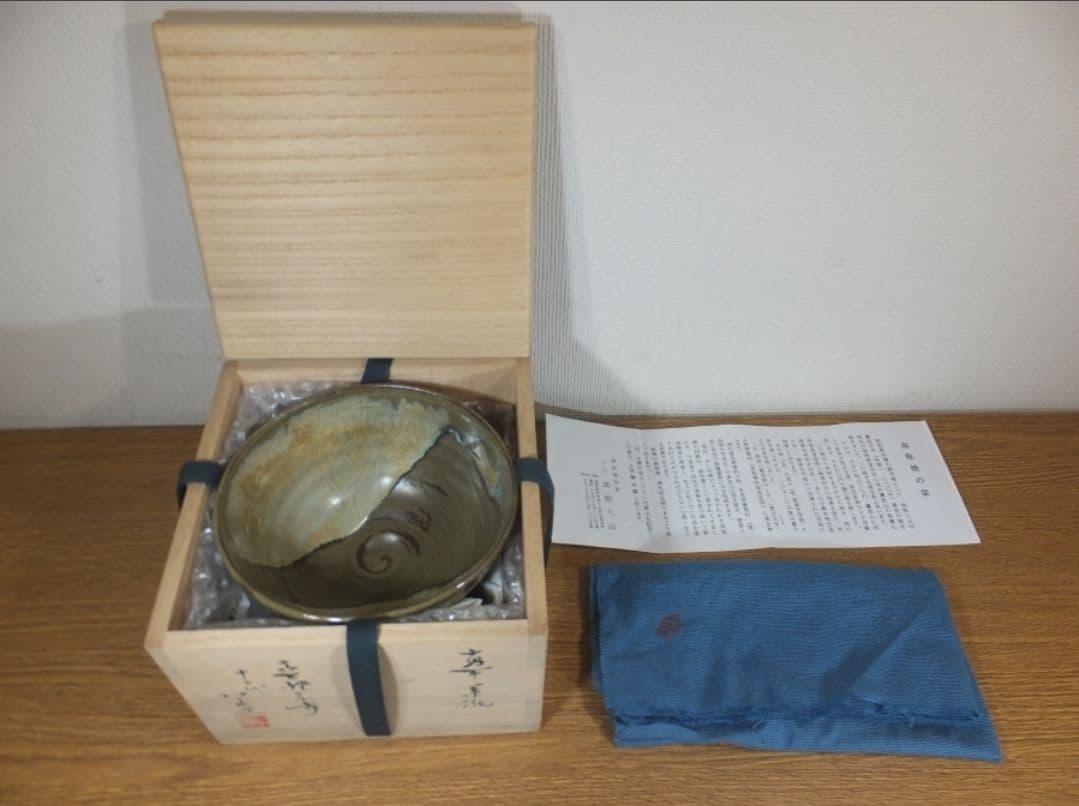
Experience authentic Japanese tea culture with this Takatori Ware Tea Bowl. This Japanese Matcha Bowl serves as a Takatori Hachizan Pottery and Fukuoka Ceramic Art, featuring Layered Ash Glaze artistry and Wabi Sabi Ceramic tradition—a must-have for any Art Collector seeking Zen Tea Accessories and Tea Ceremony Bowl.
━━━━━━━━━━━━━━━━━━━━
🔹 [ BASIC DETAILS ]
• Artist: 12th Generation Takatori Hachizan (十二代 高取八山)
• Technique: Multiple ash glazes with yohen (kiln transformation) effects
• Era: Contemporary (Heisei–Reiwa period)
• Origin: Fukuoka Prefecture, Japan — Takatori-yaki lineage (高取焼宗家)
• Dimensions: Diameter approx. 14 cm, Height approx. 7.7 cm
• Box: Signed tomobako with cloth wrapper and pamphlet (共箱・共布・栞付)
• Condition: Excellent — blue-white flowing glaze and iron effects are natural kiln phenomena
━━━━━━━━━━━━━━━━━━━━
🔹 [ CULTURAL & ARTISTIC INSIGHT ]
Takatori ware holds the distinction of being one of Japan's seven official tea ceremony kilns (遠州七窯), selected by the legendary tea master Kobori Enshu in the early 17th century. Enshu prized Takatori for its refined elegance — what he called kirei-sabi (綺麗寂び), a beauty that balances aesthetic refinement with wabi restraint. This philosophy distinguishes Takatori from rougher tea wares, placing it at the intersection of precision and naturalness.
The 12th Generation Takatori Hachizan carries forward the main lineage (宗家) of this 400-year tradition in Fukuoka. This bowl exemplifies the hallmark Takatori approach: an olive-green base glaze layered with a flowing blue-white secondary glaze that cascades down the form during firing. The horizontal ridges (rokuro-me) catch and redirect the flowing glaze, creating pools and rivulets that transform the bowl's surface into a landscape of controlled accident. Inside, iron-rich effects produce gold and blue-black patterns where different glazes meet and interact.
*"Four centuries of kiln knowledge converge in a single firing — the glaze flows where tradition has taught it to fall."*
━━━━━━━━━━━━━━━━━━━━
🔹 [ DEEP-DIVE COMMENTARY ]
**The Enshu Seven Kilns**: In the early Edo period, tea master Kobori Enshu (1579–1647) identified seven kilns whose work embodied his aesthetic ideal of kirei-sabi — beauty that is simultaneously refined and restrained. Takatori, along with Agano, Asahi, Akahada, Shidoro, Zeze, and Kosobe, formed this elite group. Of these, Takatori alone has maintained an unbroken generational lineage from the founding family through twelve generations, making each bowl a direct link to Enshu's original vision.
**Technical Achievement**: The layered glaze technique visible on this bowl requires precise control of multiple variables. The olive-green base glaze (a feldspar-ash mixture) must reach a specific viscosity before the secondary blue-white glaze is applied. During the intense heat of firing, the upper glaze becomes fluid and flows downward, but the horizontal ridges thrown into the clay act as dams and channels, guiding the movement. The result — seemingly random yet deeply controlled — is the essence of Takatori craftsmanship.
**The Iron Interior**: Where glazes overlap inside the bowl, iron oxide from the clay body migrates upward through the molten glass, creating patches of amber-gold and blue-black. These interior effects are especially prized in tea practice because they interact with the green of whisked matcha, creating a dynamic visual experience that changes with every bowl prepared.
**Collector Significance**: Numbered-generation (代) works by head family (宗家) potters carry particular weight in Japanese ceramics collecting. The 12th Generation designation means this artist is the direct hereditary successor of the founding Takatori potter, trained within the family tradition from childhood. The accompanying pamphlet confirms the provenance through the official Takatori-yaki main lineage.
━━━━━━━━━━━━━━━━━━━━
🔹 [ 日本語解説 ]
【基本情報】
• 作家:十二代 高取八山
• 技法:複合灰釉・窯変
• 時代:現代(平成〜令和)
• 産地:福岡県(高取焼宗家)
• 寸法:口径約14cm、高さ約7.7cm
• 付属:共箱・共布・栞
• 状態:良好(青白流釉・鉄釉効果は自然な窯変)
【解説】
高取焼は小堀遠州が選定した「遠州七窯」の一つであり、400年以上の歴史を持つ茶陶の名門です。遠州が理想とした「綺麗寂び」——洗練と侘びの調和——を体現する窯として、茶人に重んじられてきました。
十二代高取八山は宗家の直系として、その伝統を今日に伝えています。本作はオリーブグリーンの地釉の上に青白釉が流れ落ち、轆轤目が釉薬の動きを誘導して、計算された偶然の景色を生み出しています。見込み(内側)には鉄分の効果で金色と青黒色の窯変が現れ、抹茶の緑と響き合う深い表情を見せます。高取焼宗家の代々の技術と美意識が、一碗に凝縮された作品です。
━━━━━━━━━━━━━━━━━━━━
🔹 [ SHIPPING & PACKAGING ]
• Dispatch: Within 1-6 business days
• Carrier: Japan Post EMS / UPS (with tracking)
• Packaging: Carefully wrapped with protective materials
*Twelve generations of fire. The glaze still flows where Enshu taught it to fall.*
━━━━━━━━━━━━━━━━━━━━
🔹 [ BASIC DETAILS ]
• Artist: 12th Generation Takatori Hachizan (十二代 高取八山)
• Technique: Multiple ash glazes with yohen (kiln transformation) effects
• Era: Contemporary (Heisei–Reiwa period)
• Origin: Fukuoka Prefecture, Japan — Takatori-yaki lineage (高取焼宗家)
• Dimensions: Diameter approx. 14 cm, Height approx. 7.7 cm
• Box: Signed tomobako with cloth wrapper and pamphlet (共箱・共布・栞付)
• Condition: Excellent — blue-white flowing glaze and iron effects are natural kiln phenomena
━━━━━━━━━━━━━━━━━━━━
🔹 [ CULTURAL & ARTISTIC INSIGHT ]
Takatori ware holds the distinction of being one of Japan's seven official tea ceremony kilns (遠州七窯), selected by the legendary tea master Kobori Enshu in the early 17th century. Enshu prized Takatori for its refined elegance — what he called kirei-sabi (綺麗寂び), a beauty that balances aesthetic refinement with wabi restraint. This philosophy distinguishes Takatori from rougher tea wares, placing it at the intersection of precision and naturalness.
The 12th Generation Takatori Hachizan carries forward the main lineage (宗家) of this 400-year tradition in Fukuoka. This bowl exemplifies the hallmark Takatori approach: an olive-green base glaze layered with a flowing blue-white secondary glaze that cascades down the form during firing. The horizontal ridges (rokuro-me) catch and redirect the flowing glaze, creating pools and rivulets that transform the bowl's surface into a landscape of controlled accident. Inside, iron-rich effects produce gold and blue-black patterns where different glazes meet and interact.
*"Four centuries of kiln knowledge converge in a single firing — the glaze flows where tradition has taught it to fall."*
━━━━━━━━━━━━━━━━━━━━
🔹 [ DEEP-DIVE COMMENTARY ]
**The Enshu Seven Kilns**: In the early Edo period, tea master Kobori Enshu (1579–1647) identified seven kilns whose work embodied his aesthetic ideal of kirei-sabi — beauty that is simultaneously refined and restrained. Takatori, along with Agano, Asahi, Akahada, Shidoro, Zeze, and Kosobe, formed this elite group. Of these, Takatori alone has maintained an unbroken generational lineage from the founding family through twelve generations, making each bowl a direct link to Enshu's original vision.
**Technical Achievement**: The layered glaze technique visible on this bowl requires precise control of multiple variables. The olive-green base glaze (a feldspar-ash mixture) must reach a specific viscosity before the secondary blue-white glaze is applied. During the intense heat of firing, the upper glaze becomes fluid and flows downward, but the horizontal ridges thrown into the clay act as dams and channels, guiding the movement. The result — seemingly random yet deeply controlled — is the essence of Takatori craftsmanship.
**The Iron Interior**: Where glazes overlap inside the bowl, iron oxide from the clay body migrates upward through the molten glass, creating patches of amber-gold and blue-black. These interior effects are especially prized in tea practice because they interact with the green of whisked matcha, creating a dynamic visual experience that changes with every bowl prepared.
**Collector Significance**: Numbered-generation (代) works by head family (宗家) potters carry particular weight in Japanese ceramics collecting. The 12th Generation designation means this artist is the direct hereditary successor of the founding Takatori potter, trained within the family tradition from childhood. The accompanying pamphlet confirms the provenance through the official Takatori-yaki main lineage.
━━━━━━━━━━━━━━━━━━━━
🔹 [ 日本語解説 ]
【基本情報】
• 作家:十二代 高取八山
• 技法:複合灰釉・窯変
• 時代:現代(平成〜令和)
• 産地:福岡県(高取焼宗家)
• 寸法:口径約14cm、高さ約7.7cm
• 付属:共箱・共布・栞
• 状態:良好(青白流釉・鉄釉効果は自然な窯変)
【解説】
高取焼は小堀遠州が選定した「遠州七窯」の一つであり、400年以上の歴史を持つ茶陶の名門です。遠州が理想とした「綺麗寂び」——洗練と侘びの調和——を体現する窯として、茶人に重んじられてきました。
十二代高取八山は宗家の直系として、その伝統を今日に伝えています。本作はオリーブグリーンの地釉の上に青白釉が流れ落ち、轆轤目が釉薬の動きを誘導して、計算された偶然の景色を生み出しています。見込み(内側)には鉄分の効果で金色と青黒色の窯変が現れ、抹茶の緑と響き合う深い表情を見せます。高取焼宗家の代々の技術と美意識が、一碗に凝縮された作品です。
━━━━━━━━━━━━━━━━━━━━
🔹 [ SHIPPING & PACKAGING ]
• Dispatch: Within 1-6 business days
• Carrier: Japan Post EMS / UPS (with tracking)
• Packaging: Carefully wrapped with protective materials
*Twelve generations of fire. The glaze still flows where Enshu taught it to fall.*
Quantity
Couldn't load pickup availability
Low stock: 1 left
View full details