1
/
of
8
Takatori Ware Chawan — Nagashi Ash Glaze by Kamei Rakuzan, Tomobako
Takatori Ware Chawan — Nagashi Ash Glaze by Kamei Rakuzan, Tomobako
Regular price
Dhs. 711.00 AED
Regular price
Sale price
Dhs. 711.00 AED
Taxes included.
Shipping calculated at checkout.
Experience Authentic Japan Art with this Takatori Ware Chawan by Kamei Rakuzan. This Japanese Tea Bowl serves as a Matcha Bowl and Chado Ceramics piece, featuring Nagashi Ash Glaze and Iron Glaze Cascade—a must-have for any Art Collector interested in Enshū Kiln tradition and Fukuoka Pottery.
🔹 [ BASIC DETAILS ]
• Artist: Kamei Rakuzan (亀井楽山)
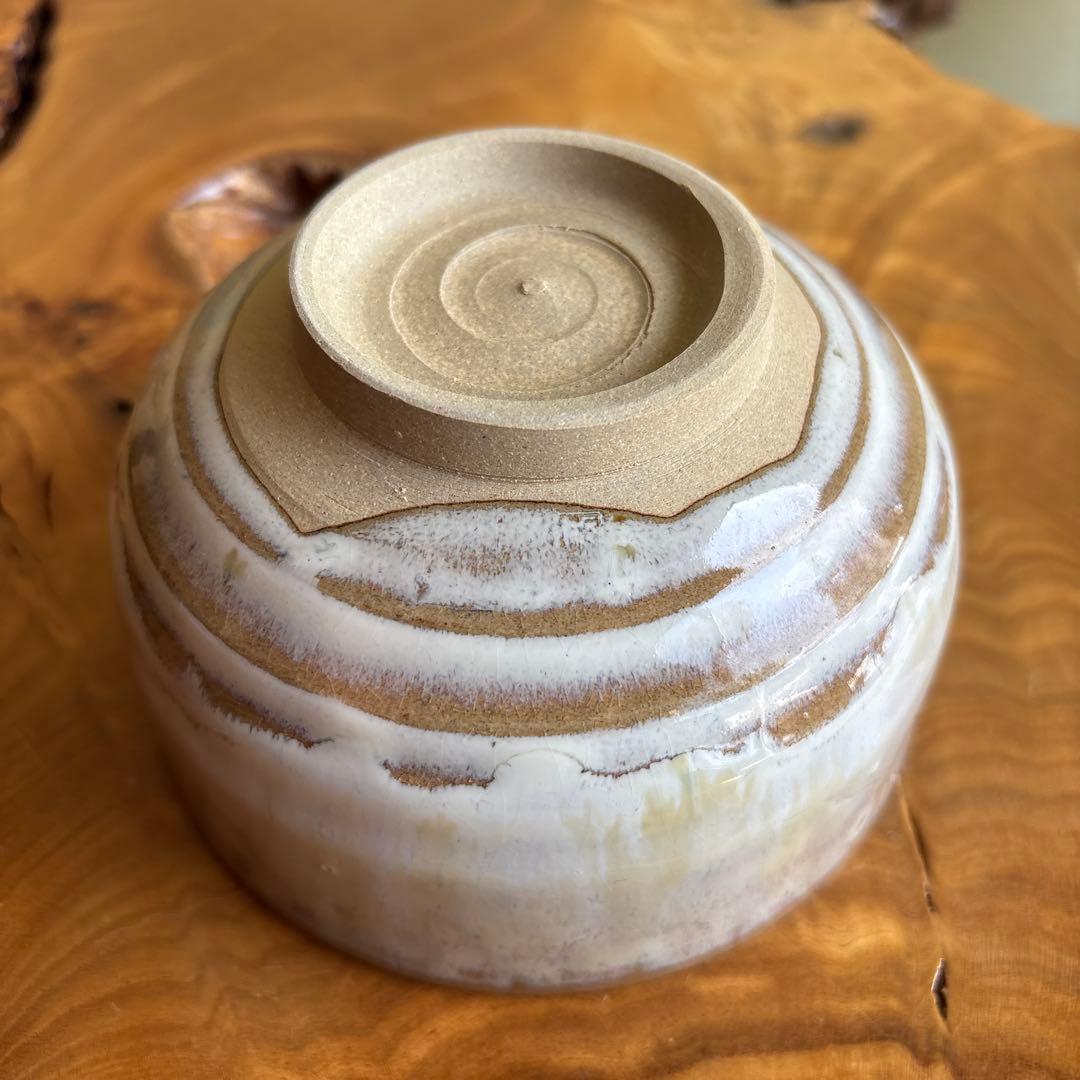
• Technique: Cascading nagashi glaze — iron oxide band at rim flowing downward over ash-white ground with lavender mottling
• Era: 2000 – 2006
• Origin: Takatori, Fukuoka, Japan
• Dimensions: Height approx. 7 cm, Diameter approx. 12 cm
• Box: Tomobako (signed wooden box inscribed 「高取茶碗」 with artist seal)
• Condition: Excellent — no chips, cracks, or repairs. Natural kiln pinholes present, consistent with Takatori character.
🔹 [ CULTURAL & ARTISTIC INSIGHT ]
Takatori ware was established in the early seventeenth century by Korean potters brought to Fukuoka under Kuroda domain patronage — the lineage of the Ri family whose kiln fire has never been extinguished. It earned its place among the seven kilns favored by the tea master Kobori Enshū, and that connection shaped everything: Takatori bowls were made not for display but for use inside the tearoom, where restraint and warmth are a single quality.
This bowl carries that inheritance forward. The iron-amber band at the rim is not decoration; it is the potter's hand made visible, a decision about where to let the glaze run and where to hold. The ash-white ground shifts toward lavender in certain light — a quality that has no name in English but is immediately legible to anyone who has held a bowl of this tradition. Kamei Rakuzan worked within Takatori's demanding conventions with the quiet authority of someone who has nothing left to prove.
The form is direct: a clean cylinder that opens the palm, a foot ring cut without flourish. Its presence in the hand is the argument.
🔹 [ DEEP-DIVE COMMENTARY ]
Nagashi glaze — literally "flowing glaze" — is achieved by applying a thick iron-bearing slip or glaze at the rim before the piece enters the kiln. At high temperature the iron compound becomes fluid, pulling downward under gravity while the ash glaze beneath it softens and accepts the flow. The result is never fully repeatable: the amber cascade seen here is unique to this firing, this bowl.
The lavender mottling on the lower body is characteristic of Takatori's feldspathic ash glazes. Feldspar and wood ash interact under reduction atmosphere to produce faint violet or mauve shifts that deepen with age and handling — what Japanese collectors call yo-hен (窯変), kiln transformation. On this bowl the shift is present but not aggressive, which is the more difficult achievement.
For collectors, the tomobako is significant beyond authentication. The lid inscription 「高取茶碗」 in Kamei Rakuzan's hand, sealed with his personal stamp, establishes authorship in the tradition's own terms. A signed box is how provenance travels through time in Japanese ceramics.
Kamei Rakuzan occupied a generation that inherited both classical Takatori technique and post-war studio freedom. His work does not resolve that tension — it lives inside it. Bowls like this one carry emotional silence that accumulated over decades of disciplined making.
Contemporary collectors across Europe and North America have moved steadily toward folk-kiln traditions — Takatori, Hagi, Karatsu — as a corrective to the over-finished. This bowl belongs to that current: it rewards attention without demanding it.
[ JAPANESE DESCRIPTION / 日本語解説 ]
高取焼は十七世紀初頭、朝鮮半島から渡来した陶工たちによって福岡の地に開かれた窯で、小堀遠州が好んだ「遠州七窯」のひとつとして知られる。茶の湯の美意識を体現する窯として、四百年にわたりその火を絶やすことなく受け継いできた。
この抹茶碗は、亀井楽山の手による流し掛けの一碗。口縁部に厚く施した鉄釉が焼成中に自然に流れ落ち、灰白色の地釉と交わりながら琥珀色の流線を描いている。胴の下半には光の加減によってうっすらと紫がかる発色が見られ、これは高取特有の灰釉と還元炎が生み出す窯変の景色である。二度と同じ表情は現れない、この一碗だけの焼き上がりだ。
形は端正な筒形。高台は控えめに削り出され、手のひらに収まる重さと温かさがある。共箱の蓋表には「高取茶碗」の銘が記され、楽山の落款が押されている。
作品の状態は良好。欠け・貫入割れ・修復なし。釉面のピンホールは焼成時の自然な窯の表情であり、高取焼の個性として評価されるものである。
茶席での実用にも、床の間の飾りとしても、静かな存在感を放つ一碗。
🔹 [ SHIPPING & PACKAGING ]
• Dispatch: Within 1-6 business days
• Carrier: Japan Post EMS / UPS (with tracking)
• Packaging: Carefully wrapped with protective materials
🔹 [ BASIC DETAILS ]
• Artist: Kamei Rakuzan (亀井楽山)
• Technique: Cascading nagashi glaze — iron oxide band at rim flowing downward over ash-white ground with lavender mottling
• Era: 2000 – 2006
• Origin: Takatori, Fukuoka, Japan
• Dimensions: Height approx. 7 cm, Diameter approx. 12 cm
• Box: Tomobako (signed wooden box inscribed 「高取茶碗」 with artist seal)
• Condition: Excellent — no chips, cracks, or repairs. Natural kiln pinholes present, consistent with Takatori character.
🔹 [ CULTURAL & ARTISTIC INSIGHT ]
Takatori ware was established in the early seventeenth century by Korean potters brought to Fukuoka under Kuroda domain patronage — the lineage of the Ri family whose kiln fire has never been extinguished. It earned its place among the seven kilns favored by the tea master Kobori Enshū, and that connection shaped everything: Takatori bowls were made not for display but for use inside the tearoom, where restraint and warmth are a single quality.
This bowl carries that inheritance forward. The iron-amber band at the rim is not decoration; it is the potter's hand made visible, a decision about where to let the glaze run and where to hold. The ash-white ground shifts toward lavender in certain light — a quality that has no name in English but is immediately legible to anyone who has held a bowl of this tradition. Kamei Rakuzan worked within Takatori's demanding conventions with the quiet authority of someone who has nothing left to prove.
The form is direct: a clean cylinder that opens the palm, a foot ring cut without flourish. Its presence in the hand is the argument.
🔹 [ DEEP-DIVE COMMENTARY ]
Nagashi glaze — literally "flowing glaze" — is achieved by applying a thick iron-bearing slip or glaze at the rim before the piece enters the kiln. At high temperature the iron compound becomes fluid, pulling downward under gravity while the ash glaze beneath it softens and accepts the flow. The result is never fully repeatable: the amber cascade seen here is unique to this firing, this bowl.
The lavender mottling on the lower body is characteristic of Takatori's feldspathic ash glazes. Feldspar and wood ash interact under reduction atmosphere to produce faint violet or mauve shifts that deepen with age and handling — what Japanese collectors call yo-hен (窯変), kiln transformation. On this bowl the shift is present but not aggressive, which is the more difficult achievement.
For collectors, the tomobako is significant beyond authentication. The lid inscription 「高取茶碗」 in Kamei Rakuzan's hand, sealed with his personal stamp, establishes authorship in the tradition's own terms. A signed box is how provenance travels through time in Japanese ceramics.
Kamei Rakuzan occupied a generation that inherited both classical Takatori technique and post-war studio freedom. His work does not resolve that tension — it lives inside it. Bowls like this one carry emotional silence that accumulated over decades of disciplined making.
Contemporary collectors across Europe and North America have moved steadily toward folk-kiln traditions — Takatori, Hagi, Karatsu — as a corrective to the over-finished. This bowl belongs to that current: it rewards attention without demanding it.
[ JAPANESE DESCRIPTION / 日本語解説 ]
高取焼は十七世紀初頭、朝鮮半島から渡来した陶工たちによって福岡の地に開かれた窯で、小堀遠州が好んだ「遠州七窯」のひとつとして知られる。茶の湯の美意識を体現する窯として、四百年にわたりその火を絶やすことなく受け継いできた。
この抹茶碗は、亀井楽山の手による流し掛けの一碗。口縁部に厚く施した鉄釉が焼成中に自然に流れ落ち、灰白色の地釉と交わりながら琥珀色の流線を描いている。胴の下半には光の加減によってうっすらと紫がかる発色が見られ、これは高取特有の灰釉と還元炎が生み出す窯変の景色である。二度と同じ表情は現れない、この一碗だけの焼き上がりだ。
形は端正な筒形。高台は控えめに削り出され、手のひらに収まる重さと温かさがある。共箱の蓋表には「高取茶碗」の銘が記され、楽山の落款が押されている。
作品の状態は良好。欠け・貫入割れ・修復なし。釉面のピンホールは焼成時の自然な窯の表情であり、高取焼の個性として評価されるものである。
茶席での実用にも、床の間の飾りとしても、静かな存在感を放つ一碗。
🔹 [ SHIPPING & PACKAGING ]
• Dispatch: Within 1-6 business days
• Carrier: Japan Post EMS / UPS (with tracking)
• Packaging: Carefully wrapped with protective materials
Quantity
Couldn't load pickup availability
Low stock: 1 left
View full details