1
/
of
13
Swallow Maki-e Tame-nuri Lacquer Natsume by Nakamura Takaya — Tea Caddy
Swallow Maki-e Tame-nuri Lacquer Natsume by Nakamura Takaya — Tea Caddy
Regular price
Dhs. 1,851.00 AED
Regular price
Sale price
Dhs. 1,851.00 AED
Taxes included.
Shipping calculated at checkout.
Experience authentic swallow makie caddy artistry in this gold makie natsume. This tame nuri lacquer features kaga makie master craftsmanship with bird motif lacquer and amber urushi lacquer—a signed tomobako art piece from the japan tea ceremony tradition, a tea caddy collector treasure with wave gold interior.
🔹 [ Basic Details ]
• Artist: Nakamura Takaya (中村孝也), Kaga maki-e master (加賀蒔絵師)
• Technique: Gold maki-e (蒔絵) on tame-nuri (溜塗, transparent amber lacquer); interior wave gold maki-e (内波金蒔絵)
• Era: Contemporary (Heisei–Reiwa period)
• Origin: Kaga (Ishikawa Prefecture), Japan
• Dimensions: Height approx. 7.3 cm, Diameter approx. 7.3 cm
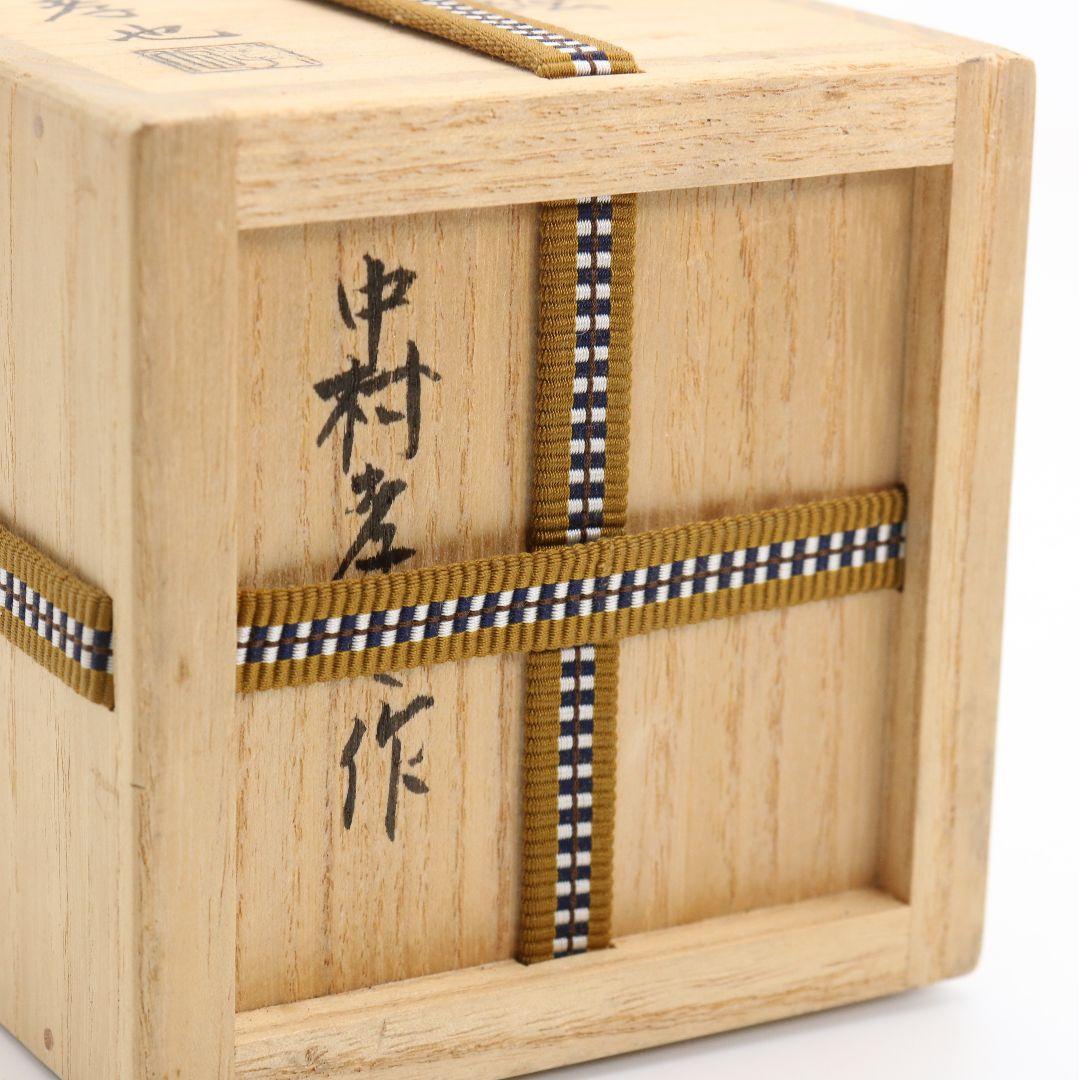
• Box: Signed tomobako (共箱) inscribed "大 燕蒔絵" (Ō Tsubame Maki-e — Large Swallow Maki-e), signed 孝也 with seal
• Condition: Excellent — no notable scratches, chips, or repairs. Pristine condition.
🔹 [ Cultural & Artistic Insight ]
The tame-nuri (溜塗) finish is among the most subtle achievements in Japanese lacquer. Multiple layers of transparent amber lacquer are applied over a red undercoat, creating a depth of color that shifts between warm brown and glowing red depending on the angle of light. Where the vessel curves, the underlying vermilion emerges through the translucent surface like warmth rising through still water.
Nakamura Takaya places a pair of gold swallows (燕, tsubame) on the lid — two birds captured mid-flight in dynamic opposition. One banks left with wings spread wide, the other sweeps right with tail feathers streaming. Every feather is individually articulated in gold maki-e, from the broad primaries to the fine coverts, with variations in gold tone that suggest the shimmer of actual plumage.
The ō-natsume (大棗, large natsume) provides generous space for this airborne composition. The swallows seem to circle above the amber surface like birds over a sunset field.
The interior features wave pattern gold maki-e (内波金蒔絵) — a hidden detail that rewards the act of opening.
"Two swallows cross an amber sky. Their shadows have already passed."
🔹 [ Deep-Dive Commentary ]
Kaga maki-e (加賀蒔絵) is a distinguished lacquer tradition from Ishikawa Prefecture, historically supported by the Maeda clan during the Edo period. The Kaga school is known for bold compositions with strong pictorial presence, often employing taka-maki-e (raised maki-e) for dimensional impact. Nakamura Takaya works within this tradition while bringing a contemporary sensitivity to form and restraint.
The tame-nuri technique requires extraordinary patience. Each layer of transparent lacquer must be applied thinly and cured completely before the next — the depth of color is built gradually over many cycles. The final surface achieves a luminosity that opaque lacquer cannot replicate. The name itself — tame, meaning "to accumulate" — describes both the technical process and the visual effect of gathered light.
Swallows (燕) carry auspicious symbolism in Japanese culture — harbingers of summer, symbols of safe return, and emblems of familial devotion. In tea ceremony contexts, swallow-themed utensils are particularly appropriate for early summer gatherings, when the birds have returned from their southern migrations.
The interior wave maki-e (内波金蒔絵) transforms the functional interior into a contemplative surface. Waves rendered in gold suggest water, movement, and the element from which the swallows draw their sustenance — a poetic connection between exterior and interior worlds.
【日本語解説】
🔹 [ 基本情報 ]
・作家:中村孝也(加賀蒔絵師)
・技法:金蒔絵、溜塗、内波金蒔絵
・時代:現代(平成・令和期)
・産地:加賀(石川県)
・寸法:高さ約7.3cm、径約7.3cm
・箱:共箱(「大 燕蒔絵」と墨書、孝也落款・印)
・状態:極めて良好 — 目立つ傷や汚れなし。
🔹 [ 文化的・美術的解説 ]
溜塗は日本漆芸における最も繊細な達成の一つである。透明な琥珀色の漆を朱の下地の上に幾層も重ね、光の角度によって温かな褐色と輝く朱の間を移ろう色の深みを生む。器の曲面では下地の朱が透明な表面を透かして静かな水から立ち上る温もりのように現れる。
中村孝也は蓋に金蒔絵の燕一対を配する——動的な対照の中で飛翔する二羽。一方は翼を広げて左へ旋回し、他方は尾羽を流して右へ翻る。一枚一枚の羽を金蒔絵で描き分け、金色調の変化が実際の羽毛の煌めきを暗示する。大棗の広い面がこの空中の構図に十分な空間を与え、燕は夕映えの野を巡るかのように琥珀の面上を旋回する。
内部には波金蒔絵が施され、開蓋という行為に報いる隠された細部となる。
🔹 [ 深掘り解説 ]
加賀蒔絵は石川県の名高い漆芸伝統であり、江戸時代に前田藩の庇護を受けた。加賀の流派は大胆な構図と強い絵画的存在感で知られ、高蒔絵による立体的効果を多用する。中村孝也はこの伝統の中で現代的な形態と抑制の感覚を融合させる。
溜塗は非凡な忍耐を要する。透明な漆の各層を薄く塗り完全に硬化させてから次の層へ——色の深みは多くの工程を経て徐々に築かれる。「溜」の名自体が技術的過程と集められた光の視覚効果の両方を描写する。燕は日本文化において吉祥——夏の先触れ、無事の帰還、家族愛の象徴——であり、初夏の茶席に特に相応しい。内波金蒔絵は機能的内部を沈潜の面に変え、波が水と動きを暗示し燕の生の源泉との詩的連関を結ぶ。
🔹 [ SHIPPING & PACKAGING ]
• Dispatch: Within 1-6 business days
• Carrier: Japan Post EMS / UPS (with tracking)
• Packaging: Carefully wrapped with protective materials
🔹 [ Basic Details ]
• Artist: Nakamura Takaya (中村孝也), Kaga maki-e master (加賀蒔絵師)
• Technique: Gold maki-e (蒔絵) on tame-nuri (溜塗, transparent amber lacquer); interior wave gold maki-e (内波金蒔絵)
• Era: Contemporary (Heisei–Reiwa period)
• Origin: Kaga (Ishikawa Prefecture), Japan
• Dimensions: Height approx. 7.3 cm, Diameter approx. 7.3 cm
• Box: Signed tomobako (共箱) inscribed "大 燕蒔絵" (Ō Tsubame Maki-e — Large Swallow Maki-e), signed 孝也 with seal
• Condition: Excellent — no notable scratches, chips, or repairs. Pristine condition.
🔹 [ Cultural & Artistic Insight ]
The tame-nuri (溜塗) finish is among the most subtle achievements in Japanese lacquer. Multiple layers of transparent amber lacquer are applied over a red undercoat, creating a depth of color that shifts between warm brown and glowing red depending on the angle of light. Where the vessel curves, the underlying vermilion emerges through the translucent surface like warmth rising through still water.
Nakamura Takaya places a pair of gold swallows (燕, tsubame) on the lid — two birds captured mid-flight in dynamic opposition. One banks left with wings spread wide, the other sweeps right with tail feathers streaming. Every feather is individually articulated in gold maki-e, from the broad primaries to the fine coverts, with variations in gold tone that suggest the shimmer of actual plumage.
The ō-natsume (大棗, large natsume) provides generous space for this airborne composition. The swallows seem to circle above the amber surface like birds over a sunset field.
The interior features wave pattern gold maki-e (内波金蒔絵) — a hidden detail that rewards the act of opening.
"Two swallows cross an amber sky. Their shadows have already passed."
🔹 [ Deep-Dive Commentary ]
Kaga maki-e (加賀蒔絵) is a distinguished lacquer tradition from Ishikawa Prefecture, historically supported by the Maeda clan during the Edo period. The Kaga school is known for bold compositions with strong pictorial presence, often employing taka-maki-e (raised maki-e) for dimensional impact. Nakamura Takaya works within this tradition while bringing a contemporary sensitivity to form and restraint.
The tame-nuri technique requires extraordinary patience. Each layer of transparent lacquer must be applied thinly and cured completely before the next — the depth of color is built gradually over many cycles. The final surface achieves a luminosity that opaque lacquer cannot replicate. The name itself — tame, meaning "to accumulate" — describes both the technical process and the visual effect of gathered light.
Swallows (燕) carry auspicious symbolism in Japanese culture — harbingers of summer, symbols of safe return, and emblems of familial devotion. In tea ceremony contexts, swallow-themed utensils are particularly appropriate for early summer gatherings, when the birds have returned from their southern migrations.
The interior wave maki-e (内波金蒔絵) transforms the functional interior into a contemplative surface. Waves rendered in gold suggest water, movement, and the element from which the swallows draw their sustenance — a poetic connection between exterior and interior worlds.
【日本語解説】
🔹 [ 基本情報 ]
・作家:中村孝也(加賀蒔絵師)
・技法:金蒔絵、溜塗、内波金蒔絵
・時代:現代(平成・令和期)
・産地:加賀(石川県)
・寸法:高さ約7.3cm、径約7.3cm
・箱:共箱(「大 燕蒔絵」と墨書、孝也落款・印)
・状態:極めて良好 — 目立つ傷や汚れなし。
🔹 [ 文化的・美術的解説 ]
溜塗は日本漆芸における最も繊細な達成の一つである。透明な琥珀色の漆を朱の下地の上に幾層も重ね、光の角度によって温かな褐色と輝く朱の間を移ろう色の深みを生む。器の曲面では下地の朱が透明な表面を透かして静かな水から立ち上る温もりのように現れる。
中村孝也は蓋に金蒔絵の燕一対を配する——動的な対照の中で飛翔する二羽。一方は翼を広げて左へ旋回し、他方は尾羽を流して右へ翻る。一枚一枚の羽を金蒔絵で描き分け、金色調の変化が実際の羽毛の煌めきを暗示する。大棗の広い面がこの空中の構図に十分な空間を与え、燕は夕映えの野を巡るかのように琥珀の面上を旋回する。
内部には波金蒔絵が施され、開蓋という行為に報いる隠された細部となる。
🔹 [ 深掘り解説 ]
加賀蒔絵は石川県の名高い漆芸伝統であり、江戸時代に前田藩の庇護を受けた。加賀の流派は大胆な構図と強い絵画的存在感で知られ、高蒔絵による立体的効果を多用する。中村孝也はこの伝統の中で現代的な形態と抑制の感覚を融合させる。
溜塗は非凡な忍耐を要する。透明な漆の各層を薄く塗り完全に硬化させてから次の層へ——色の深みは多くの工程を経て徐々に築かれる。「溜」の名自体が技術的過程と集められた光の視覚効果の両方を描写する。燕は日本文化において吉祥——夏の先触れ、無事の帰還、家族愛の象徴——であり、初夏の茶席に特に相応しい。内波金蒔絵は機能的内部を沈潜の面に変え、波が水と動きを暗示し燕の生の源泉との詩的連関を結ぶ。
🔹 [ SHIPPING & PACKAGING ]
• Dispatch: Within 1-6 business days
• Carrier: Japan Post EMS / UPS (with tracking)
• Packaging: Carefully wrapped with protective materials
Quantity
Couldn't load pickup availability
Low stock: 1 left
View full details