1
/
of
9
Spring Flower Maki-e Basket Natsume by Nakamura Kosai - Kagome Tea Caddy with Signed Box
Spring Flower Maki-e Basket Natsume by Nakamura Kosai - Kagome Tea Caddy with Signed Box
Regular price
Dhs. 1,120.00 AED
Regular price
Sale price
Dhs. 1,120.00 AED
Taxes included.
Shipping calculated at checkout.
Experience Authentic Japan Art with this Spring Flower Maki-e Tea Caddy. This Japanese Lacquer Natsume serves as a Nakamura Kosai Lacquer and Kagome Basket Weave masterpiece, featuring Gold Lacquer Craft artistry and Cherry Blossom Maki-e—a must-have for any Art Collector seeking a Tea Ceremony Caddy and Raised Maki-e Art.
━━━━━━━━━━━━━━━━━━━━
🔹 [ BASIC DETAILS ]
• Artist: Nakamura Kosai (中村湖彩)
• Technique: Taka-maki-e (raised maki-e) with kagome lattice overlay
• Era: Contemporary (Heisei–Reiwa period)
• Origin: Japan
• Dimensions: Height approx. 5.3 cm (2.1"), Diameter approx. 7.7 cm (3.0")
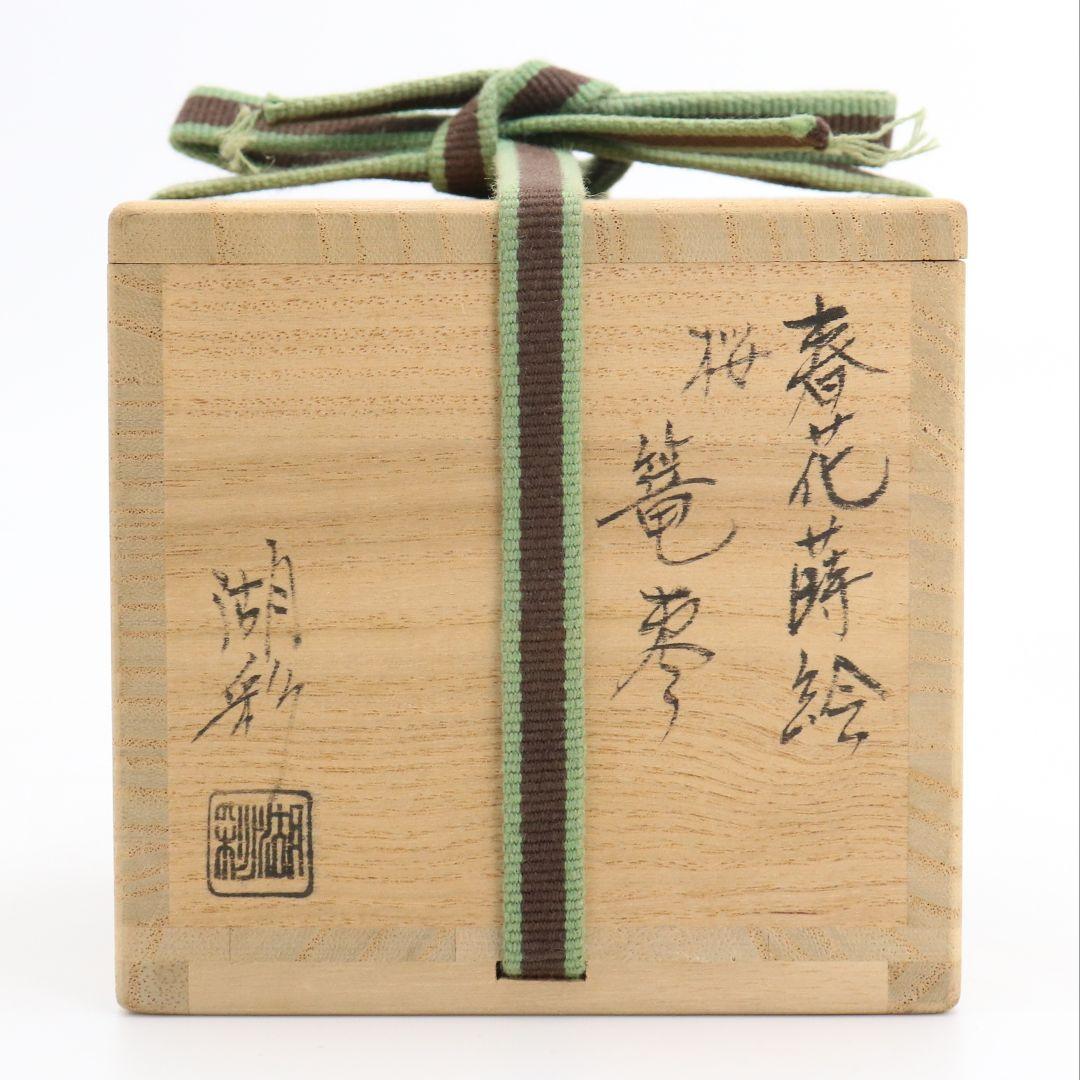
• Box: Artist-signed tomobako inscribed "春花蒔絵 篭棗 湖彩" with seal
• Condition: Excellent — lacquer surface intact, lattice pattern crisp, gold rim preserved
━━━━━━━━━━━━━━━━━━━━
🔹 [ CULTURAL & ARTISTIC INSIGHT ]
The kago-natsume form references woven bamboo baskets through its kagome (籠目) lattice pattern — a geometric weave that appears throughout Japanese textile and architectural design. Here, the lattice becomes a frame through which spring flowers emerge and recede, creating visual depth through layered maki-e technique.
Nakamura Kosai applies taka-maki-e, where lacquer is built up in relief before metal powders are sprinkled. The result: flowers that catch light differently depending on viewing angle, suggesting movement and transience. Cherry blossoms (sakura) and plum blossoms (ume) appear together — an unusual pairing that compresses spring's progression into a single viewing moment.
The lid interior's mauve ground creates a suspended space where flowers float without context. This negative space technique derives from Rinpa school aesthetics, where absence defines presence.
*"The basket holds what cannot be held — spring's brief passage, rendered permanent in lacquer."*
━━━━━━━━━━━━━━━━━━━━
🔹 [ DEEP-DIVE COMMENTARY ]
**Kagome Lattice Symbolism**: The hexagonal basket weave represents containment and protection. In tea ceremony context, it suggests the tea master's role in preserving seasonal awareness within the tearoom's controlled environment.
**Spring Flower Iconography**: Cherry blossoms signal renewal and impermanence (mono no aware). Plum blossoms represent endurance and hope — they bloom in late winter, heralding spring's approach. Chrysanthemums, typically autumn flowers, appear here as visual echoes, suggesting cyclical time.
**Color Palette Strategy**: The warm brown base lacquer provides earthiness against which metallic golds and silvers create luminosity. Pink and red flowers add chromatic warmth without overwhelming the composition. The mauve interior creates a contemplative counterpoint.
**Contemporary Maki-e Practice**: Nakamura Kosai works within established maki-e techniques while introducing compositional innovations. The kagome overlay represents technical ambition — maintaining lattice regularity across a curved surface requires precise craftsmanship.
━━━━━━━━━━━━━━━━━━━━
🔹 [ 日本語解説 ]
【基本情報】
• 作家:中村湖彩
• 技法:高蒔絵(籠目文様入り)
• 時代:平成〜令和期(現代作)
• 産地:日本
• 寸法:高さ約5.3cm、直径約7.7cm
• 付属:共箱(「春花蒔絵 篭棗 湖彩」箱書き、印章有)
• 状態:良好 — 漆表面に損傷なし、籠目文様鮮明、金縁保持
【解説】
籠形棗に春の花々(桜、梅、菊)を金銀・赤・桃色の蒔絵で表した作品。籠目(六角形の編み目文様)の上に高蒔絵技法で花弁を盛り上げ、立体的な奥行きを創出しています。
蓋裏は藤色の地に花々が浮遊する構図で、琳派的な余白の美学を感じさせます。桜と梅が同時に咲く情景は、春という季節全体を一つの画面に凝縮する意図が読み取れます。
中村湖彩は現代の蒔絵作家として、伝統技法を踏襲しながらも、籠目文様という幾何学的な構造を花鳥画と組み合わせる独自の美意識を展開しています。茶道具としての機能性を保ちながら、鑑賞に堪える美術性を備えた作品です。
━━━━━━━━━━━━━━━━━━━━
🔹 [ SHIPPING & PACKAGING ]
• Dispatch: Within 1-6 business days
• Carrier: Japan Post EMS / UPS (with tracking)
• Packaging: Carefully wrapped with protective materials
*Spring contained in lacquer, carried across oceans.*
━━━━━━━━━━━━━━━━━━━━
🔹 [ BASIC DETAILS ]
• Artist: Nakamura Kosai (中村湖彩)
• Technique: Taka-maki-e (raised maki-e) with kagome lattice overlay
• Era: Contemporary (Heisei–Reiwa period)
• Origin: Japan
• Dimensions: Height approx. 5.3 cm (2.1"), Diameter approx. 7.7 cm (3.0")
• Box: Artist-signed tomobako inscribed "春花蒔絵 篭棗 湖彩" with seal
• Condition: Excellent — lacquer surface intact, lattice pattern crisp, gold rim preserved
━━━━━━━━━━━━━━━━━━━━
🔹 [ CULTURAL & ARTISTIC INSIGHT ]
The kago-natsume form references woven bamboo baskets through its kagome (籠目) lattice pattern — a geometric weave that appears throughout Japanese textile and architectural design. Here, the lattice becomes a frame through which spring flowers emerge and recede, creating visual depth through layered maki-e technique.
Nakamura Kosai applies taka-maki-e, where lacquer is built up in relief before metal powders are sprinkled. The result: flowers that catch light differently depending on viewing angle, suggesting movement and transience. Cherry blossoms (sakura) and plum blossoms (ume) appear together — an unusual pairing that compresses spring's progression into a single viewing moment.
The lid interior's mauve ground creates a suspended space where flowers float without context. This negative space technique derives from Rinpa school aesthetics, where absence defines presence.
*"The basket holds what cannot be held — spring's brief passage, rendered permanent in lacquer."*
━━━━━━━━━━━━━━━━━━━━
🔹 [ DEEP-DIVE COMMENTARY ]
**Kagome Lattice Symbolism**: The hexagonal basket weave represents containment and protection. In tea ceremony context, it suggests the tea master's role in preserving seasonal awareness within the tearoom's controlled environment.
**Spring Flower Iconography**: Cherry blossoms signal renewal and impermanence (mono no aware). Plum blossoms represent endurance and hope — they bloom in late winter, heralding spring's approach. Chrysanthemums, typically autumn flowers, appear here as visual echoes, suggesting cyclical time.
**Color Palette Strategy**: The warm brown base lacquer provides earthiness against which metallic golds and silvers create luminosity. Pink and red flowers add chromatic warmth without overwhelming the composition. The mauve interior creates a contemplative counterpoint.
**Contemporary Maki-e Practice**: Nakamura Kosai works within established maki-e techniques while introducing compositional innovations. The kagome overlay represents technical ambition — maintaining lattice regularity across a curved surface requires precise craftsmanship.
━━━━━━━━━━━━━━━━━━━━
🔹 [ 日本語解説 ]
【基本情報】
• 作家:中村湖彩
• 技法:高蒔絵(籠目文様入り)
• 時代:平成〜令和期(現代作)
• 産地:日本
• 寸法:高さ約5.3cm、直径約7.7cm
• 付属:共箱(「春花蒔絵 篭棗 湖彩」箱書き、印章有)
• 状態:良好 — 漆表面に損傷なし、籠目文様鮮明、金縁保持
【解説】
籠形棗に春の花々(桜、梅、菊)を金銀・赤・桃色の蒔絵で表した作品。籠目(六角形の編み目文様)の上に高蒔絵技法で花弁を盛り上げ、立体的な奥行きを創出しています。
蓋裏は藤色の地に花々が浮遊する構図で、琳派的な余白の美学を感じさせます。桜と梅が同時に咲く情景は、春という季節全体を一つの画面に凝縮する意図が読み取れます。
中村湖彩は現代の蒔絵作家として、伝統技法を踏襲しながらも、籠目文様という幾何学的な構造を花鳥画と組み合わせる独自の美意識を展開しています。茶道具としての機能性を保ちながら、鑑賞に堪える美術性を備えた作品です。
━━━━━━━━━━━━━━━━━━━━
🔹 [ SHIPPING & PACKAGING ]
• Dispatch: Within 1-6 business days
• Carrier: Japan Post EMS / UPS (with tracking)
• Packaging: Carefully wrapped with protective materials
*Spring contained in lacquer, carried across oceans.*
Quantity
Couldn't load pickup availability
Low stock: 1 left
View full details