1
/
of
10
So-Chikurin Bamboo Maki-e O-Natsume by Yoshida Shoun - Gold Lacquer Tea Caddy
So-Chikurin Bamboo Maki-e O-Natsume by Yoshida Shoun - Gold Lacquer Tea Caddy
Regular price
Dhs. 1,375.00 AED
Regular price
Sale price
Dhs. 1,375.00 AED
Taxes included.
Shipping calculated at checkout.
Experience authentic Japanese Tea Caddy artistry with this Bamboo Motif Tea O-Natsume. This Maki-e Lacquer Art piece serves as a Chanoyu Tea Caddy and So-Chikurin Design masterpiece, featuring Gold Maki-e Bamboo and Urushi Lacquerware craftsmanship—a must-have for any collector seeking O-Natsume Tea Ware and Authentic Tea Ware.
━━━━━━━━━━━━━━━━━━━━
🔹 [ BASIC DETAILS ]
• Artist: Yoshida Shoun (吉田祥雲)
• Technique: Gold maki-e on black urushi (so-chikurin — complete bamboo grove)
• Era: Contemporary (Heisei-Reiwa)
• Origin: Japan
• Dimensions: Diameter 7.2 cm × Height 7.3 cm (2.8" × 2.9")
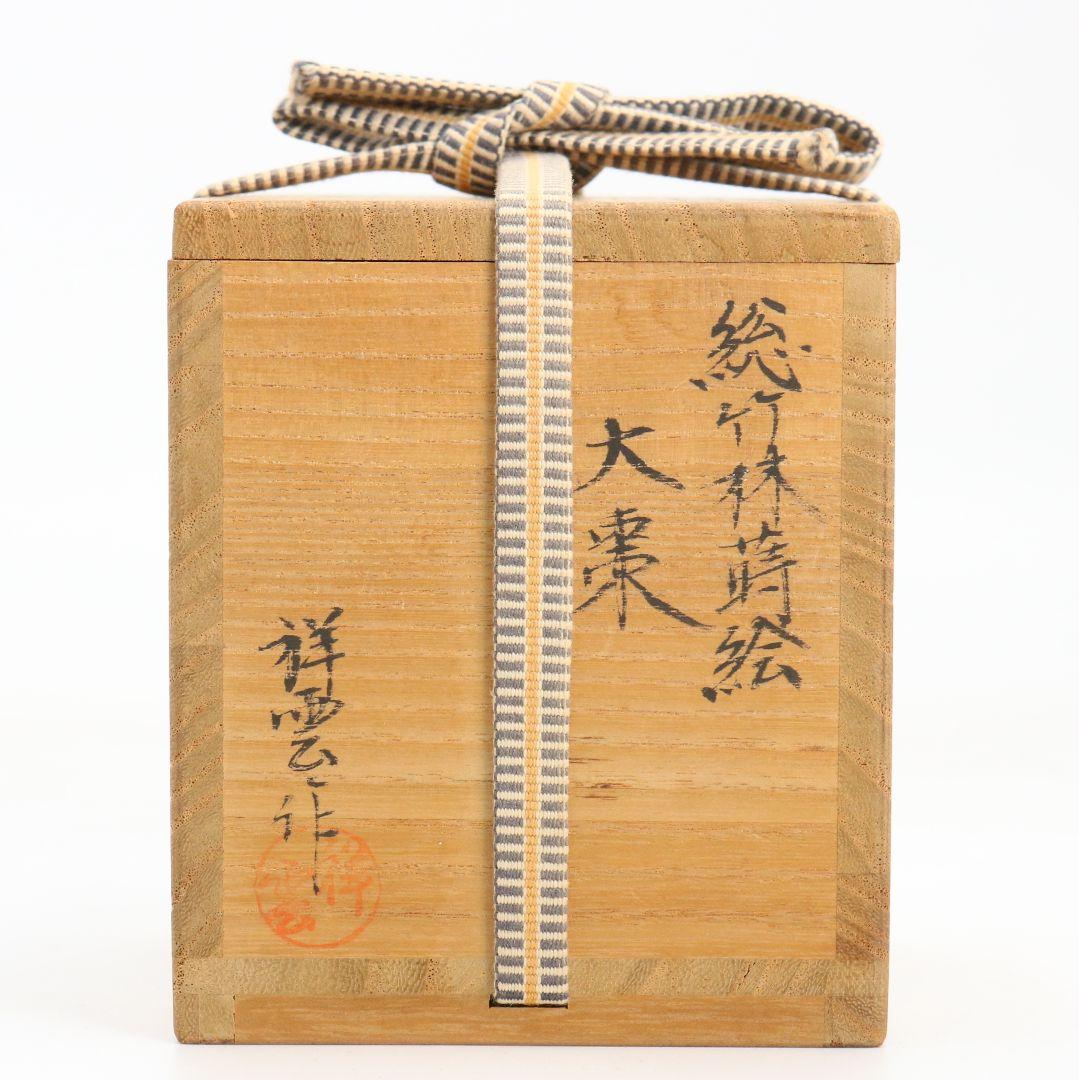
• Box: Tomobako (artist-signed wooden box)
• Condition: Excellent
━━━━━━━━━━━━━━━━━━━━
🔹 [ CULTURAL & ARTISTIC INSIGHT ]
So-chikurin (総竹林) translates to "entire bamboo grove"—the character 総 (so) signals completeness, saturation, totality. Yoshida Shoun commits to this concept absolutely: no negative space, no restraint, no pause. Black urushi becomes a night sky entirely covered by bamboo stalks, branches, and leaves rendered in gold.
This maximalist approach contradicts wabi restraint yet remains firmly rooted in tea aesthetic—because density itself becomes the meditation. The eye cannot rest, must navigate through layered gold tones: flat hirameji powder, raised takamaki-e ridges, gossamer gold dust halos. Depth emerges not from empty space but from technical layering.
*"The grove does not thin. It accumulates until saturation becomes its own form of silence."*
━━━━━━━━━━━━━━━━━━━━
🔹 [ DEEP-DIVE COMMENTARY ]
**So-Chikurin as Year-Round Kigo**: Unlike seasonal flowers, bamboo maintains visual constancy across all months, making it permissible in any tea gathering. Its symbolic weight—integrity (doesn't break under snow), resilience (bends but recovers), scholarly virtue (hollow interior represents humility)—transcends seasonal rotation. The “so” prefix elevates this from decorative motif to philosophical statement.
**Multi-Tone Gold Technique**: Shoun employs at least three distinct gold application methods simultaneously. Background bamboo uses togidashi maki-e (polished-out technique) creating smooth, flat gold. Foreground stalks use takamaki-e (raised maki-e) with built-up lacquer and charcoal powder beneath gold, creating 0.5-1mm relief. Leaves use nashiji-fun (pear-skin gold powder) for soft, diffused edges.
**Coverage Density Philosophy**: Complete surface coverage in maki-e is technically demanding (12-16 layers typical) and philosophically bold. It rejects ma (negative space) in favor of saturation. In tea context, this creates visual intensity that contrasts with the ceremony's meditative pace—the object itself becomes koan: Can abundance be restrained?
**O-Natsume Standard Form**: At 7.2cm diameter × 7.3cm height, this natsume adheres to o-natsume proportions for koicha use. The slight height dominance creates subtle vertical emphasis, appropriate for bamboo imagery which naturally reads as upward growth.
━━━━━━━━━━━━━━━━━━━━
🔹 [ 日本語解説 ]
【基本情報】
• 作家:吉田祥雲
• 技法:黒漆地金蒔絵(総竹林意匠・全面被覆)
• 時代:現代(平成〜令和)
• 産地:日本
• 寸法:直径約7.2cm × 高さ約7.3cm
• 付属:共箱(作家署名入り木箱)
• 状態:優良
【解説】
吉田祥雲による総竹林蒔絵の大棗。「総」の字が示す通り、表面全体を隠間なく竹林意匠が覆い尽くす圧倒的な密度を持つ作品。黒漆地に、平目地の平金、高蒔絵の立体金、梨子地粉の柔らかな金という複数の金技法を同時に用いることで、奥行きと空気感を2mmの表面に実現しています。
竹林は四季を通じて使用できる通年意匠であり、その象徴性—雪にも折れない剛直さ、曲がっても戻る柔軟性、中空の謙虚さ—は茶道の精神性と深く結びつきます。余白を排した「総」の意匠は、侍び寂びの引き算美学とは対照的ですが、密度そのものが禅問答となる逆説を体現した一品です。
━━━━━━━━━━━━━━━━━━━━
🔹 [ SHIPPING & PACKAGING ]
• Dispatch: Within 1-6 business days
• Carrier: Japan Post EMS / UPS (with tracking)
• Packaging: Carefully wrapped with protective materials
*The grove does not end. It fills until fullness becomes form.*
━━━━━━━━━━━━━━━━━━━━
🔹 [ BASIC DETAILS ]
• Artist: Yoshida Shoun (吉田祥雲)
• Technique: Gold maki-e on black urushi (so-chikurin — complete bamboo grove)
• Era: Contemporary (Heisei-Reiwa)
• Origin: Japan
• Dimensions: Diameter 7.2 cm × Height 7.3 cm (2.8" × 2.9")
• Box: Tomobako (artist-signed wooden box)
• Condition: Excellent
━━━━━━━━━━━━━━━━━━━━
🔹 [ CULTURAL & ARTISTIC INSIGHT ]
So-chikurin (総竹林) translates to "entire bamboo grove"—the character 総 (so) signals completeness, saturation, totality. Yoshida Shoun commits to this concept absolutely: no negative space, no restraint, no pause. Black urushi becomes a night sky entirely covered by bamboo stalks, branches, and leaves rendered in gold.
This maximalist approach contradicts wabi restraint yet remains firmly rooted in tea aesthetic—because density itself becomes the meditation. The eye cannot rest, must navigate through layered gold tones: flat hirameji powder, raised takamaki-e ridges, gossamer gold dust halos. Depth emerges not from empty space but from technical layering.
*"The grove does not thin. It accumulates until saturation becomes its own form of silence."*
━━━━━━━━━━━━━━━━━━━━
🔹 [ DEEP-DIVE COMMENTARY ]
**So-Chikurin as Year-Round Kigo**: Unlike seasonal flowers, bamboo maintains visual constancy across all months, making it permissible in any tea gathering. Its symbolic weight—integrity (doesn't break under snow), resilience (bends but recovers), scholarly virtue (hollow interior represents humility)—transcends seasonal rotation. The “so” prefix elevates this from decorative motif to philosophical statement.
**Multi-Tone Gold Technique**: Shoun employs at least three distinct gold application methods simultaneously. Background bamboo uses togidashi maki-e (polished-out technique) creating smooth, flat gold. Foreground stalks use takamaki-e (raised maki-e) with built-up lacquer and charcoal powder beneath gold, creating 0.5-1mm relief. Leaves use nashiji-fun (pear-skin gold powder) for soft, diffused edges.
**Coverage Density Philosophy**: Complete surface coverage in maki-e is technically demanding (12-16 layers typical) and philosophically bold. It rejects ma (negative space) in favor of saturation. In tea context, this creates visual intensity that contrasts with the ceremony's meditative pace—the object itself becomes koan: Can abundance be restrained?
**O-Natsume Standard Form**: At 7.2cm diameter × 7.3cm height, this natsume adheres to o-natsume proportions for koicha use. The slight height dominance creates subtle vertical emphasis, appropriate for bamboo imagery which naturally reads as upward growth.
━━━━━━━━━━━━━━━━━━━━
🔹 [ 日本語解説 ]
【基本情報】
• 作家:吉田祥雲
• 技法:黒漆地金蒔絵(総竹林意匠・全面被覆)
• 時代:現代(平成〜令和)
• 産地:日本
• 寸法:直径約7.2cm × 高さ約7.3cm
• 付属:共箱(作家署名入り木箱)
• 状態:優良
【解説】
吉田祥雲による総竹林蒔絵の大棗。「総」の字が示す通り、表面全体を隠間なく竹林意匠が覆い尽くす圧倒的な密度を持つ作品。黒漆地に、平目地の平金、高蒔絵の立体金、梨子地粉の柔らかな金という複数の金技法を同時に用いることで、奥行きと空気感を2mmの表面に実現しています。
竹林は四季を通じて使用できる通年意匠であり、その象徴性—雪にも折れない剛直さ、曲がっても戻る柔軟性、中空の謙虚さ—は茶道の精神性と深く結びつきます。余白を排した「総」の意匠は、侍び寂びの引き算美学とは対照的ですが、密度そのものが禅問答となる逆説を体現した一品です。
━━━━━━━━━━━━━━━━━━━━
🔹 [ SHIPPING & PACKAGING ]
• Dispatch: Within 1-6 business days
• Carrier: Japan Post EMS / UPS (with tracking)
• Packaging: Carefully wrapped with protective materials
*The grove does not end. It fills until fullness becomes form.*
Quantity
Couldn't load pickup availability
Low stock: 1 left
View full details