1
/
of
16
Silver Hibashi Fire Chopsticks by Chikueido Eishin — Nanryo Hyotan Head, Signed Box, Japanese Tea Ceremony
Silver Hibashi Fire Chopsticks by Chikueido Eishin — Nanryo Hyotan Head, Signed Box, Japanese Tea Ceremony
Regular price
Dhs. 1,235.00 AED
Regular price
Sale price
Dhs. 1,235.00 AED
Taxes included.
Shipping calculated at checkout.
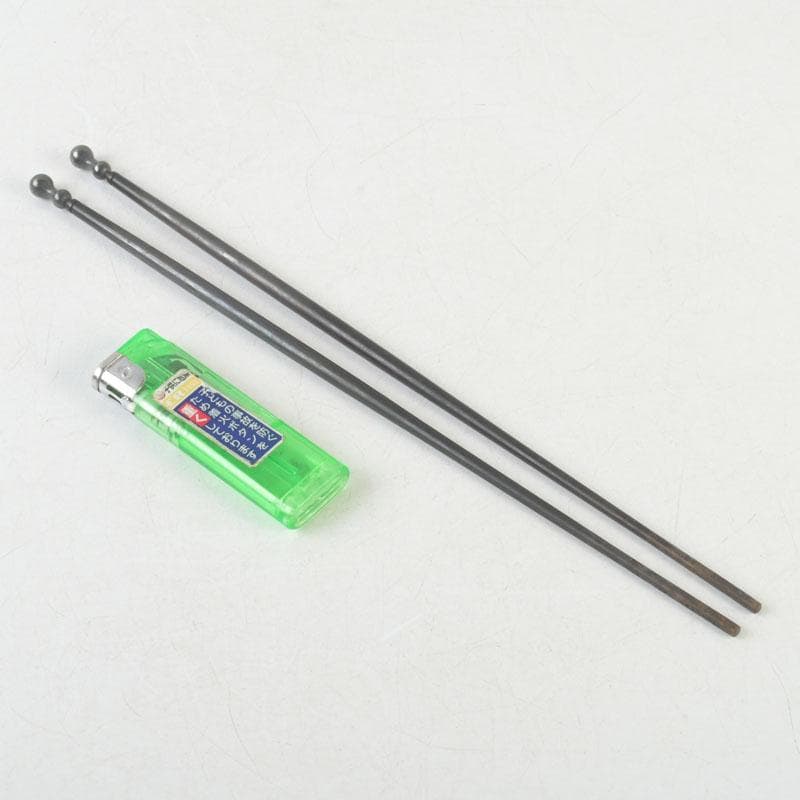
Experience Authentic Japan Art with this Japanese tea ceremony silver hibashi. This nanryo hyotan head fire chopsticks set serves as a Japanese charcoal ceremony tool and Kyoto metalwork antique, featuring chikueido eishin signed box and wabi sabi tea utensils—a must-have for any tea ceremony collector seeking silver fire tongs Japan.
🔹 [ BASIC DETAILS ]
• Artist: Chikueido Eishin (竹影堂 栄真造) — Kyoto metalwork lineage
• Technique: Nanryō (南鐐) — refined silver alloy, hand-forged; hyōtan-gata (gourd-form) ball heads
• Era: Before 2007 (mid-to-late Shōwa period, estimated)
• Origin: Kyoto, Japan — Kyō-kinko (京金工) tradition
• Dimensions: Length approx. 26.5 cm; Weight approx. 87 g (pair)
• Box: Tomobako (共箱) — original signed wooden box with handwritten label and silk ribbon tie
• Condition: C — age-appropriate patina; silver oxidized to deep slate-grey; minor surface wear on ball heads consistent with respectful use; shafts straight and intact
🔹 [ CULTURAL & ARTISTIC INSIGHT ]
In the tea ceremony's sumro (炭手前) — the charcoal-laying procedure — every tool is chosen with intention. The hibashi, fire chopsticks used to arrange glowing charcoal in the brazier, are not afterthoughts. They are held before guests, rotated with deliberate care, set down with precision. Their form carries meaning.
Chikueido Eishin worked within Kyoto's Kyō-kinko tradition, a lineage of precision metalwork that supplied the tea world's most discerning practitioners. Nanryō — literally 'southern silver,' a refined silver-copper alloy — was the material of choice for formal implements: neither the rustic iron of countryside hearths nor the extravagance of pure gold, but something composed and considered. The hyōtan (瓢箪, double-gourd) head form carries centuries of auspicious symbolism — prosperity, long life, warding off misfortune — made small and held in the hand at each tea gathering.
These hibashi have lived. The surface of the silver has darkened to a deep charcoal-grey, a natural oxidation that no polishing should remove. It is a record of presence — of gatherings, seasons, fires laid and extinguished. The wooden tomobako, its paper label still legible, its blue silk ribbon still tied, speaks to a collector who understood that the box is part of the object.
Poetic Line: 'The silver remembers each fire it touched — quiet, patient, darkened to the color of winter smoke.'
🔹 [ DEEP-DIVE COMMENTARY ]
Hibashi occupy a specific and irreplaceable position within the sumro, the charcoal procedure that opens every formal tea gathering. Where the ladle measures water and the whisk activates matcha, the hibashi mediates between the practitioner and fire itself — arranging the charcoal architecture that will sustain heat throughout the ceremony. The tool is handled in full view of guests, making its aesthetic weight as important as its function.
Nanryō as a material signals intent. Pure silver would be ostentatious; iron would be rustic. Nanryō — a silver alloy used extensively in Edo-period metalwork for tea implements, sword fittings, and ritual objects — occupies the precise middle register that Japanese aesthetic philosophy prizes: refined without display, present without announcement. Its surface accepts patina readily, and the oxidized state of these hibashi is not degradation but maturation.
The hyōtan-gata (gourd-form) terminal is among the oldest and most continuous motifs in Japanese craft. The double-gourd's silhouette appears across lacquerware, metalwork, ceramics, and textile design from the Muromachi period forward. On hibashi, it serves a secondary function beyond symbolism: the weighted ball provides the tactile feedback and counterbalance that allows the practitioner to handle charcoal with the necessary delicacy and control.
Chikueido Eishin's tomobako represents the full object system of tea metalwork. The box is not packaging — it is provenance, authorship statement, and preservation vessel simultaneously. The handwritten label and silk ribbon tie indicate a piece prepared for a specific occasion or patron, elevated above anonymous production. Collectors of Kyō-kinko work understand that a signed box can anchor attribution and validate authenticity across generations of ownership.
For the serious sumro practitioner or the collector of Kyoto metalwork, these hibashi present a coherent argument: named maker, correct material, correct form, original signed box, and a patina that carries the weight of actual use within the tradition they were made to serve.
🔹 [ 日本語解説 ]
■ 基本情報
作者:竹影堂 栄真造(京金工)
技法:南鐐(銀合金)鍛造、瓢頭(瓢箪形)玉首
年代:昭和中〜後期(推定)
産地・流派:京都・京金工
寸法:長さ約26.5cm、重さ約87g(二本一組)
箱:共箱(作者筆書き付き、紺紐結び)
状態:C — 経年による自然な銀の酸化(深いスレートグレー)。玉首部に使用感あり。軸はまっすぐで破損なし
■ 文化・芸術的解説
炭手前における火箸は、単なる道具ではありません。炉に炭を組む行為は客の前で行われ、火箸の所作そのものが点前の一部をなします。竹影堂栄真は京都の京金工の系譜に連なる職人であり、茶の湯の世界に向けた精巧な金工品を手がけてきました。南鐐は江戸時代から茶道具や刀装具に用いられてきた銀合金で、「華美でなく、粗雑でもない」という日本の美意識にかなう素材です。瓢頭の形は、瓢箪が持つ吉祥・長寿・厄除けの象徴性を継承しており、茶の場における精神性を静かに担います。銀の表面は長年の使用と経年によって深いグレーに酸化しており、これは劣化ではなく、時間の記録です。共箱の紙貼りには作者の筆書きが残り、紺紐も当時のまま結ばれています。
■ 深層解説
火箸は炭手前の中心的な道具であり、炉の中の炭を丁寧に組み配する役割を持ちます。客の目の前でその所作が展開されるため、道具の美しさと品格が直接問われます。南鐐という素材選択は意図的なものです。純銀では過剰、鉄では素朴すぎる――南鐐は「適切な品格」を体現する合金として、茶道具の世界に定着しました。酸化した表面は研磨して除くべきものではなく、受け継いできた時間そのものです。瓢頭の玉は重心として機能し、炭を扱う微細な指の動きを助けます。竹影堂栄真の共箱は、単なる収納箱ではなく、来歴と作者性を後世に伝える証書です。筆書きのある箱蓋と紺紐は、特定の機会や注文主のために誂えられた品であることを示唆します。炭手前を実践する茶人にとっても、京金工のコレクターにとっても、本品は名工・適正素材・正しい形・共箱・実使用の痕跡という完全な論拠を備えた一点です。
🔹 [ SHIPPING & PACKAGING ]
• Dispatch: Within 1-6 business days
• Carrier: Japan Post EMS / UPS (with tracking)
• Packaging: Carefully wrapped with protective materials
🔹 [ BASIC DETAILS ]
• Artist: Chikueido Eishin (竹影堂 栄真造) — Kyoto metalwork lineage
• Technique: Nanryō (南鐐) — refined silver alloy, hand-forged; hyōtan-gata (gourd-form) ball heads
• Era: Before 2007 (mid-to-late Shōwa period, estimated)
• Origin: Kyoto, Japan — Kyō-kinko (京金工) tradition
• Dimensions: Length approx. 26.5 cm; Weight approx. 87 g (pair)
• Box: Tomobako (共箱) — original signed wooden box with handwritten label and silk ribbon tie
• Condition: C — age-appropriate patina; silver oxidized to deep slate-grey; minor surface wear on ball heads consistent with respectful use; shafts straight and intact
🔹 [ CULTURAL & ARTISTIC INSIGHT ]
In the tea ceremony's sumro (炭手前) — the charcoal-laying procedure — every tool is chosen with intention. The hibashi, fire chopsticks used to arrange glowing charcoal in the brazier, are not afterthoughts. They are held before guests, rotated with deliberate care, set down with precision. Their form carries meaning.
Chikueido Eishin worked within Kyoto's Kyō-kinko tradition, a lineage of precision metalwork that supplied the tea world's most discerning practitioners. Nanryō — literally 'southern silver,' a refined silver-copper alloy — was the material of choice for formal implements: neither the rustic iron of countryside hearths nor the extravagance of pure gold, but something composed and considered. The hyōtan (瓢箪, double-gourd) head form carries centuries of auspicious symbolism — prosperity, long life, warding off misfortune — made small and held in the hand at each tea gathering.
These hibashi have lived. The surface of the silver has darkened to a deep charcoal-grey, a natural oxidation that no polishing should remove. It is a record of presence — of gatherings, seasons, fires laid and extinguished. The wooden tomobako, its paper label still legible, its blue silk ribbon still tied, speaks to a collector who understood that the box is part of the object.
Poetic Line: 'The silver remembers each fire it touched — quiet, patient, darkened to the color of winter smoke.'
🔹 [ DEEP-DIVE COMMENTARY ]
Hibashi occupy a specific and irreplaceable position within the sumro, the charcoal procedure that opens every formal tea gathering. Where the ladle measures water and the whisk activates matcha, the hibashi mediates between the practitioner and fire itself — arranging the charcoal architecture that will sustain heat throughout the ceremony. The tool is handled in full view of guests, making its aesthetic weight as important as its function.
Nanryō as a material signals intent. Pure silver would be ostentatious; iron would be rustic. Nanryō — a silver alloy used extensively in Edo-period metalwork for tea implements, sword fittings, and ritual objects — occupies the precise middle register that Japanese aesthetic philosophy prizes: refined without display, present without announcement. Its surface accepts patina readily, and the oxidized state of these hibashi is not degradation but maturation.
The hyōtan-gata (gourd-form) terminal is among the oldest and most continuous motifs in Japanese craft. The double-gourd's silhouette appears across lacquerware, metalwork, ceramics, and textile design from the Muromachi period forward. On hibashi, it serves a secondary function beyond symbolism: the weighted ball provides the tactile feedback and counterbalance that allows the practitioner to handle charcoal with the necessary delicacy and control.
Chikueido Eishin's tomobako represents the full object system of tea metalwork. The box is not packaging — it is provenance, authorship statement, and preservation vessel simultaneously. The handwritten label and silk ribbon tie indicate a piece prepared for a specific occasion or patron, elevated above anonymous production. Collectors of Kyō-kinko work understand that a signed box can anchor attribution and validate authenticity across generations of ownership.
For the serious sumro practitioner or the collector of Kyoto metalwork, these hibashi present a coherent argument: named maker, correct material, correct form, original signed box, and a patina that carries the weight of actual use within the tradition they were made to serve.
🔹 [ 日本語解説 ]
■ 基本情報
作者:竹影堂 栄真造(京金工)
技法:南鐐(銀合金)鍛造、瓢頭(瓢箪形)玉首
年代:昭和中〜後期(推定)
産地・流派:京都・京金工
寸法:長さ約26.5cm、重さ約87g(二本一組)
箱:共箱(作者筆書き付き、紺紐結び)
状態:C — 経年による自然な銀の酸化(深いスレートグレー)。玉首部に使用感あり。軸はまっすぐで破損なし
■ 文化・芸術的解説
炭手前における火箸は、単なる道具ではありません。炉に炭を組む行為は客の前で行われ、火箸の所作そのものが点前の一部をなします。竹影堂栄真は京都の京金工の系譜に連なる職人であり、茶の湯の世界に向けた精巧な金工品を手がけてきました。南鐐は江戸時代から茶道具や刀装具に用いられてきた銀合金で、「華美でなく、粗雑でもない」という日本の美意識にかなう素材です。瓢頭の形は、瓢箪が持つ吉祥・長寿・厄除けの象徴性を継承しており、茶の場における精神性を静かに担います。銀の表面は長年の使用と経年によって深いグレーに酸化しており、これは劣化ではなく、時間の記録です。共箱の紙貼りには作者の筆書きが残り、紺紐も当時のまま結ばれています。
■ 深層解説
火箸は炭手前の中心的な道具であり、炉の中の炭を丁寧に組み配する役割を持ちます。客の目の前でその所作が展開されるため、道具の美しさと品格が直接問われます。南鐐という素材選択は意図的なものです。純銀では過剰、鉄では素朴すぎる――南鐐は「適切な品格」を体現する合金として、茶道具の世界に定着しました。酸化した表面は研磨して除くべきものではなく、受け継いできた時間そのものです。瓢頭の玉は重心として機能し、炭を扱う微細な指の動きを助けます。竹影堂栄真の共箱は、単なる収納箱ではなく、来歴と作者性を後世に伝える証書です。筆書きのある箱蓋と紺紐は、特定の機会や注文主のために誂えられた品であることを示唆します。炭手前を実践する茶人にとっても、京金工のコレクターにとっても、本品は名工・適正素材・正しい形・共箱・実使用の痕跡という完全な論拠を備えた一点です。
🔹 [ SHIPPING & PACKAGING ]
• Dispatch: Within 1-6 business days
• Carrier: Japan Post EMS / UPS (with tracking)
• Packaging: Carefully wrapped with protective materials
Quantity
Couldn't load pickup availability
Low stock: 1 left
View full details