1
/
of
9
Shoraku Black Raku Matcha Bowl "Umadarai" — Summer Chawan, Kyoto Raku-Yaki, Signed Box
Shoraku Black Raku Matcha Bowl "Umadarai" — Summer Chawan, Kyoto Raku-Yaki, Signed Box
Regular price
Dhs. 636.00 AED
Regular price
Sale price
Dhs. 636.00 AED
Taxes included.
Shipping calculated at checkout.
Experience Authentic Japan Art with this Black Raku Matcha Bowl. This Japanese Ceramic Tea Bowl serves as a Wabi Sabi Pottery piece and Chado Tea Ceremony Bowl, featuring Kyoto Raku-Yaki Tradition and Umadarai Summer Bowl Form—a must-have for any Art Collector.
🔹 [ BASIC DETAILS ]
• Artist: Shoraku (彰楽)
• Technique: Raku-yaki (楽焼), hand-shaped (tezukuri), black Raku glaze (kuro-Raku)
• Form: Umadarai (馬盥) — wide, shallow summer chawan
• Era: Contemporary (25 years old, circa early 2000s)
• Origin: Kyoto, Japan
• Dimensions: Approx. 13.5 cm diameter × 6 cm height
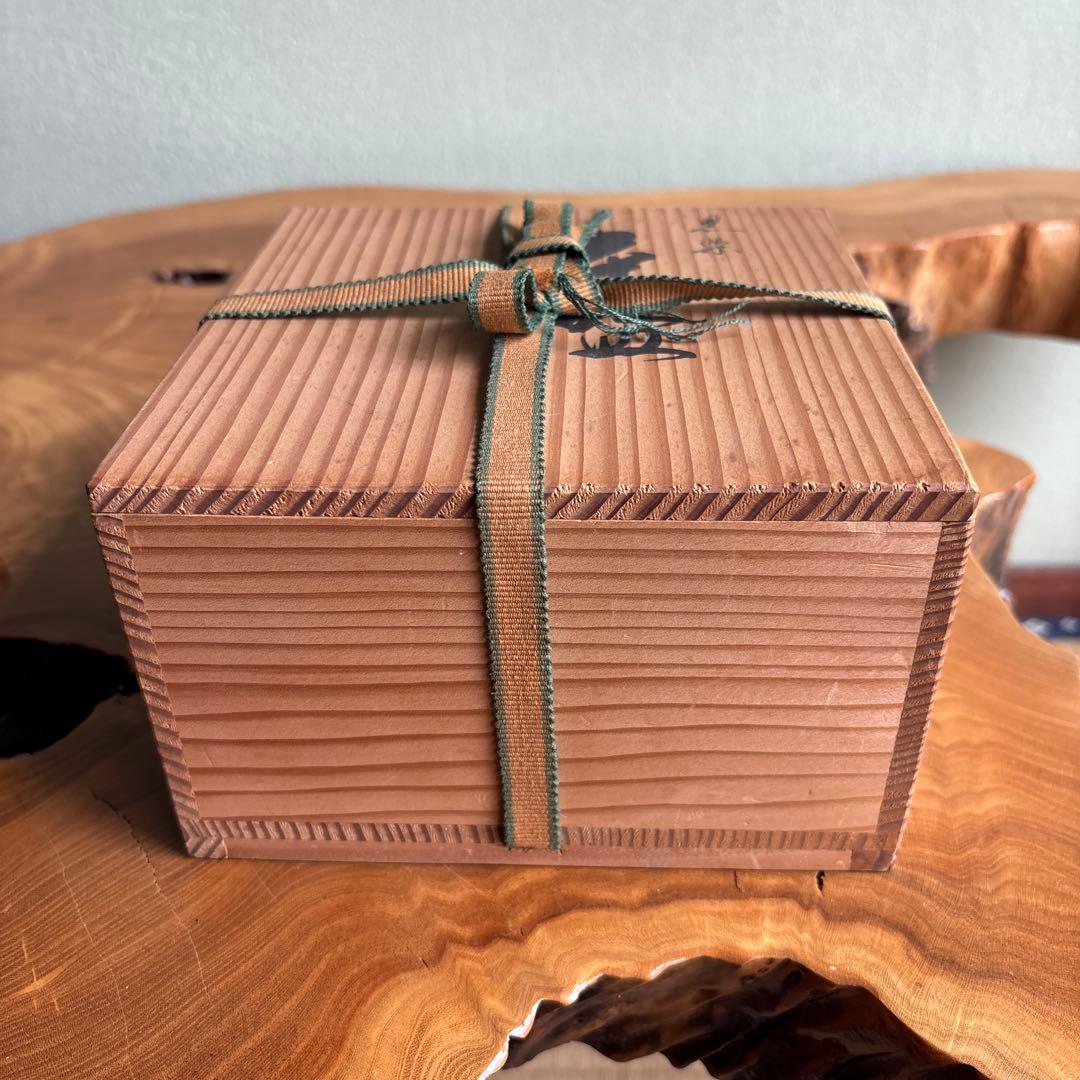
• Box: Signed tomobako (artist's own wooden box) included
• Condition: No cracks or chips; excellent condition
🔹 [ Cultural & Artistic Insight ]
Raku-yaki is the ceramic tradition most intimately intertwined with the Japanese tea ceremony. Founded in Kyoto in the sixteenth century by the tile-maker Chojiro under the direct influence of Sen no Rikyu, Raku ware embodies the aesthetic of wabi-cha: simplicity, irregularity, quietude. Every piece is hand-shaped without the use of a potter's wheel—a technique that places the physical impression of the maker's hands inside the clay itself.
The umadarai (horse basin) form has a specific seasonal role in the tea world: its wide, shallow profile allows matcha to cool quickly, making it the preferred chawan for summer tea gatherings. The low, broad silhouette creates an open, expansive sense at the lip, inviting the tea practitioner to drink with a sense of seasonal awareness—the cup itself speaking of warmth and the need for cool refreshment.
Shoraku's black Raku glaze is applied in the tradition of the Raku family workshop: a matte, deeply light-absorbing black achieved by iron-rich glaze fired at relatively low temperatures (around 800-900°C) and rapidly cooled. This process, called hikidashi (pulling from the fire), creates the dramatic micro-texture of the surface—a crystalline, almost stone-like quality that light does not reflect so much as enter and disappear into.
🔹 [ Deep-Dive Commentary ]
The exterior of this bowl carries the definitive visual signature of kuro-Raku: a deep, light-swallowing black surface with subtle variation in glaze thickness creating areas of slight sheen against matte ground. Looking closely, one can trace the hand-shaped irregularities of the rim—slight undulations where the artist pressed and lifted the clay—that give the bowl its living, non-mechanical character. This is ceramic sculpture masquerading as a functional vessel.
The umadarai profile is notably shallower than the standard chawan, with a wide, generous mouth that opens the tea's aroma dramatically. From above, the bowl presents a circular canvas of polished black—almost lacquer-like in photographs, yet fundamentally different in the hand: warmer, heavier, more quietly alive. The interior glaze shows subtle flow marks from the firing, each one unrepeatable.
The low-temperature Raku firing means this bowl retains heat differently from high-fire stoneware: the clay body is less vitrified, slightly porous, and communicates warmth to the hands in a softer, more immediate way. Tea ceremony practitioners often speak of Raku bowls as having a particular intimacy with the hands—the bowl and the drinker meeting at the same temperature, unhurried.
The signed tomobako bears Shoraku's brushed inscription confirming the form name (umadarai) and the firing tradition (Raku-yaki). The red seal pressed beside the brushwork is a visual counterpoint to the bowl's profound black—red and black being the two colors of the Raku aesthetic universe.
For collectors interested in the heart of the Japanese tea aesthetic, a black Raku umadarai in summer is one of the most symbolically complete objects the tradition offers. This Shoraku bowl is an honest, well-crafted representation of that lineage.
━━━━━━━━━━━━━━━━━━━━━━
[ JAPANESE DESCRIPTION / 日本語解説 ]
━━━━━━━━━━━━━━━━━━━━━━
🔹 [ 基本情報 ]
• 作家:彰楽
• 技法:楽焼、手捏ね成形、黒楽釉
• 形状:馬盥(夏茶碗)
• 時代:現代作(約25年前、2000年代初頭)
• 産地:京都
• サイズ:直径約13.5cm × 高さ約6cm
• 付属:作家共箱
• 状態:ヒビ・カケなし、良好
🔹 [ 文化的背景・作品解説 ]
楽焼は、千利休の美意識のもとで長次郎によって確立された、茶道と最も深く結びついた焼き物である。轆轤を使わず手捏ねで成形する技法は、制作者の手の印象を直接粘土に刻みつけ、非機械的な生命力を器に宿す。
馬盥は夏の茶碗として位置づけられる形であり、広く浅い口元がお茶を適温に保ちやすく、夏の茶席にふさわしい涼やかな印象を与える。黒楽の光を吸い込む漆黒の表面は、800〜900度の比較的低温で焼成・急冷する「引き出し」技法によって生まれ、一点として同じものが存在しない。
🔹 [ 深掘り解説 ]
深い黒の外観は、釉薬の厚みによってわずかな艶と無光沢が混在し、光が反射するのではなく吸い込まれていくような視覚的深度を持つ。口縁の微妙な揺らぎは手捏ねの証であり、成形時に作家の指が触れた痕跡が器の形に生き続けている。
内側の釉薬には焼成時の流れ跡が残り、繰り返しのない表情を持つ。共箱の蓋裏には「馬盥 楽焼 茶碗」と認め、彰楽の朱印が押されている。黒と赤——これが楽焼の美の二極である。
夏の茶席に用いる馬盥茶碗として、あるいは日本の茶の湯美学を体現したコレクションピースとして、この彰楽作黒楽茶碗は静かな説得力を持つ。
🔹 [ SHIPPING & PACKAGING ]
• Dispatch: Within 1-6 business days
• Carrier: Japan Post EMS / UPS (with tracking)
• Packaging: Carefully wrapped with protective materials
🔹 [ BASIC DETAILS ]
• Artist: Shoraku (彰楽)
• Technique: Raku-yaki (楽焼), hand-shaped (tezukuri), black Raku glaze (kuro-Raku)
• Form: Umadarai (馬盥) — wide, shallow summer chawan
• Era: Contemporary (25 years old, circa early 2000s)
• Origin: Kyoto, Japan
• Dimensions: Approx. 13.5 cm diameter × 6 cm height
• Box: Signed tomobako (artist's own wooden box) included
• Condition: No cracks or chips; excellent condition
🔹 [ Cultural & Artistic Insight ]
Raku-yaki is the ceramic tradition most intimately intertwined with the Japanese tea ceremony. Founded in Kyoto in the sixteenth century by the tile-maker Chojiro under the direct influence of Sen no Rikyu, Raku ware embodies the aesthetic of wabi-cha: simplicity, irregularity, quietude. Every piece is hand-shaped without the use of a potter's wheel—a technique that places the physical impression of the maker's hands inside the clay itself.
The umadarai (horse basin) form has a specific seasonal role in the tea world: its wide, shallow profile allows matcha to cool quickly, making it the preferred chawan for summer tea gatherings. The low, broad silhouette creates an open, expansive sense at the lip, inviting the tea practitioner to drink with a sense of seasonal awareness—the cup itself speaking of warmth and the need for cool refreshment.
Shoraku's black Raku glaze is applied in the tradition of the Raku family workshop: a matte, deeply light-absorbing black achieved by iron-rich glaze fired at relatively low temperatures (around 800-900°C) and rapidly cooled. This process, called hikidashi (pulling from the fire), creates the dramatic micro-texture of the surface—a crystalline, almost stone-like quality that light does not reflect so much as enter and disappear into.
🔹 [ Deep-Dive Commentary ]
The exterior of this bowl carries the definitive visual signature of kuro-Raku: a deep, light-swallowing black surface with subtle variation in glaze thickness creating areas of slight sheen against matte ground. Looking closely, one can trace the hand-shaped irregularities of the rim—slight undulations where the artist pressed and lifted the clay—that give the bowl its living, non-mechanical character. This is ceramic sculpture masquerading as a functional vessel.
The umadarai profile is notably shallower than the standard chawan, with a wide, generous mouth that opens the tea's aroma dramatically. From above, the bowl presents a circular canvas of polished black—almost lacquer-like in photographs, yet fundamentally different in the hand: warmer, heavier, more quietly alive. The interior glaze shows subtle flow marks from the firing, each one unrepeatable.
The low-temperature Raku firing means this bowl retains heat differently from high-fire stoneware: the clay body is less vitrified, slightly porous, and communicates warmth to the hands in a softer, more immediate way. Tea ceremony practitioners often speak of Raku bowls as having a particular intimacy with the hands—the bowl and the drinker meeting at the same temperature, unhurried.
The signed tomobako bears Shoraku's brushed inscription confirming the form name (umadarai) and the firing tradition (Raku-yaki). The red seal pressed beside the brushwork is a visual counterpoint to the bowl's profound black—red and black being the two colors of the Raku aesthetic universe.
For collectors interested in the heart of the Japanese tea aesthetic, a black Raku umadarai in summer is one of the most symbolically complete objects the tradition offers. This Shoraku bowl is an honest, well-crafted representation of that lineage.
━━━━━━━━━━━━━━━━━━━━━━
[ JAPANESE DESCRIPTION / 日本語解説 ]
━━━━━━━━━━━━━━━━━━━━━━
🔹 [ 基本情報 ]
• 作家:彰楽
• 技法:楽焼、手捏ね成形、黒楽釉
• 形状:馬盥(夏茶碗)
• 時代:現代作(約25年前、2000年代初頭)
• 産地:京都
• サイズ:直径約13.5cm × 高さ約6cm
• 付属:作家共箱
• 状態:ヒビ・カケなし、良好
🔹 [ 文化的背景・作品解説 ]
楽焼は、千利休の美意識のもとで長次郎によって確立された、茶道と最も深く結びついた焼き物である。轆轤を使わず手捏ねで成形する技法は、制作者の手の印象を直接粘土に刻みつけ、非機械的な生命力を器に宿す。
馬盥は夏の茶碗として位置づけられる形であり、広く浅い口元がお茶を適温に保ちやすく、夏の茶席にふさわしい涼やかな印象を与える。黒楽の光を吸い込む漆黒の表面は、800〜900度の比較的低温で焼成・急冷する「引き出し」技法によって生まれ、一点として同じものが存在しない。
🔹 [ 深掘り解説 ]
深い黒の外観は、釉薬の厚みによってわずかな艶と無光沢が混在し、光が反射するのではなく吸い込まれていくような視覚的深度を持つ。口縁の微妙な揺らぎは手捏ねの証であり、成形時に作家の指が触れた痕跡が器の形に生き続けている。
内側の釉薬には焼成時の流れ跡が残り、繰り返しのない表情を持つ。共箱の蓋裏には「馬盥 楽焼 茶碗」と認め、彰楽の朱印が押されている。黒と赤——これが楽焼の美の二極である。
夏の茶席に用いる馬盥茶碗として、あるいは日本の茶の湯美学を体現したコレクションピースとして、この彰楽作黒楽茶碗は静かな説得力を持つ。
🔹 [ SHIPPING & PACKAGING ]
• Dispatch: Within 1-6 business days
• Carrier: Japan Post EMS / UPS (with tracking)
• Packaging: Carefully wrapped with protective materials
Quantity
Couldn't load pickup availability
Low stock: 1 left
View full details