1
/
of
9
Shonzui-Style Kushira Chawan from Jingdezhen Kiln - Japanese Matcha Bowl with White Glaze Drip Keshiki and Signed Box
Shonzui-Style Kushira Chawan from Jingdezhen Kiln - Japanese Matcha Bowl with White Glaze Drip Keshiki and Signed Box
Regular price
Dhs. 690.00 AED
Regular price
Sale price
Dhs. 690.00 AED
Taxes included.
Shipping calculated at checkout.
Experience authentic Japanese tea culture with this Shonzui-style Kushira Tea Bowl from Jingdezhen. This Japanese Matcha Bowl serves as a Cross-Cultural Ceramic Dialogue and Handcrafted Tea Ceremony Chawan, featuring Milky White Glaze Keshiki artistry and Distorted Shoe-Form Shaping—a must-have for any Art Collector seeking wabi-sabi ceramic depth and authentic Zen Tea Accessories.
━━━━━━━━━━━━━━━━━━━━
🔹 [ BASIC DETAILS ]
• Artist: Jingdezhen Kiln (景徳鎮窯) — Japanese-market export ware in Shonzui style
• Technique: Kushira-gata (shoe-form distortion) with milky white glaze over rich brown clay body; glaze drip keshiki
• Era: Contemporary (estimated Heisei period, late 20th–early 21st century)
• Origin: Jingdezhen, China — produced for the Japanese tea ceremony market
• Dimensions: Diameter approx. 10.7 cm × Height approx. 7 cm (4.2" × 2.8")
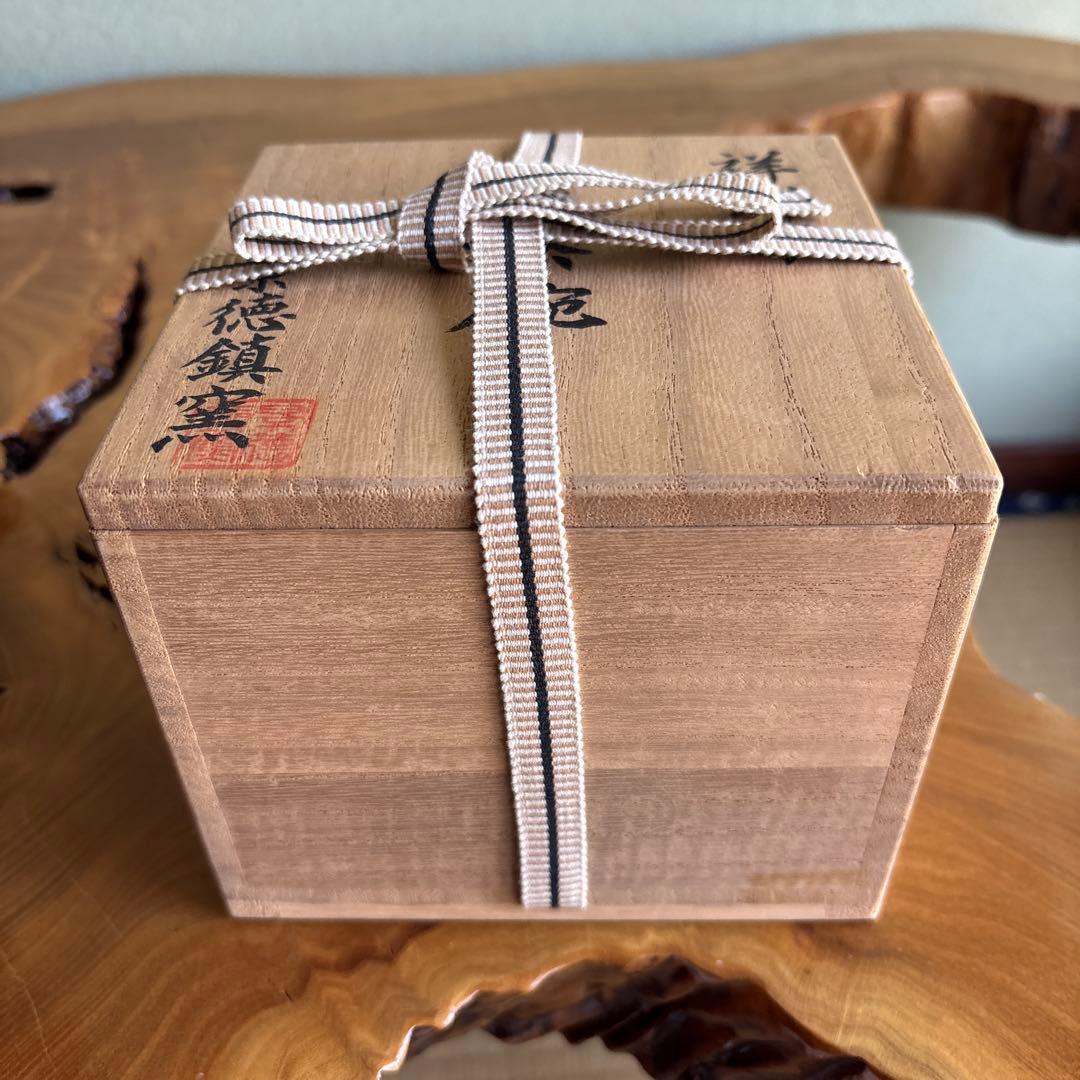
• Box: Tomobako (wooden box inscribed 祥瑞写 皆茶碗 景徳鎮窯)
• Condition: Excellent — no chips, cracks, or repairs
━━━━━━━━━━━━━━━━━━━━
🔹 [ CULTURAL & ARTISTIC INSIGHT ]
Shonzui (祥瑞) ware refers to a category of fine blue-and-white porcelain made in Jingdezhen, China, specifically commissioned for the Japanese tea ceremony market during the Edo period. Named after a legendary Japanese merchant who allegedly ordered the pieces, Shonzui ware became celebrated for its refined drawing style and quality of porcelain. Over time, the aesthetic was interpreted by potters working in other ceramic traditions, giving rise to "Shonzui-write" (祥瑞写) — works that borrow the cultural authority of the original while translating it into new materials and forms.
This chawan takes that tradition one step further by pairing the Shonzui heritage with the kushira-gata (沓形, shoe-shape) distortion favored in Japanese wabi-cha aesthetics. The body is a rich warm brown, suggesting an iron-rich clay body that absorbs heat well — ideal for winter tea practice. Over this ground, the potter has allowed a milky white glaze to flow freely down the sides in thick rivulets, creating what tea practitioners call keshiki (景色, "scenery"): the accidental landscape formed in the kiln. This interplay between Japanese plastic form and Chinese glaze sensibility makes the bowl a quiet statement on ceramic cross-pollination.
The use of a distorted, non-circular form reflects the wabi-sabi principle that perfection lies in incompleteness. When the bowl is held in both hands during tea ceremony, the slightly irregular lip and shifting weight distribution create an intimate, tactile conversation between vessel and drinker.
*"Where two ceramic traditions meet, the glaze flows between them like a river finding its own path to the sea."*
━━━━━━━━━━━━━━━━━━━━
🔹 [ DEEP-DIVE COMMENTARY ]
**Kushira-gata Form**: The kushira (沓, shoe) shape is one of the most recognizable forms in Japanese tea ceramics, valued for its deliberate asymmetry and the way it seems to have grown rather than been made. This bowl shows strong distortion at the rim — one side curving inward, the other flaring slightly — creating a dynamic silhouette that changes with each rotation of the piece in the hands. Tea masters historically favored such irregular forms precisely because they demand engagement: there is no single correct viewing angle.
**Glaze Landscape**: The milky white glaze applied over the warm brown body produces a keshiki of considerable interest. In the images, one can observe thick drip trails descending from the lip, pooling in the lower register before stopping just above the foot ring. This controlled-yet-free movement of glaze material is a signature quality of well-executed keshiki work, where the potter understands the glaze's flow properties and positions the piece in the kiln with the final appearance in mind.
**Jingdezhen for the Japanese Market**: Jingdezhen has supplied the Japanese ceramic market for centuries, and many works carrying the "景徳鎮窯" designation were made with Japanese aesthetics in mind — proportions suited to the chawan form, fired bodies that hold warmth, and glaze choices that align with wabi preferences rather than the bright, refined porcelain tradition Jingdezhen is most famous for. This bowl belongs firmly to that sub-tradition of cross-cultural ceramic diplomacy.
**Practical Use**: The bowl's relatively compact diameter of 10.7 cm makes it well-suited for koicha (thick tea) practice, where a narrower gathering of the rim concentrates the matcha and the warmth. The depth is sufficient for comfortable chasen (whisk) movement without risk of spillage.
━━━━━━━━━━━━━━━━━━━━
🔹 [ 日本語解説 ]
【基本情報】
• 作家:景徳鎮窯(日本茶道向け祥瑞写)
• 技法:沓形歪み成形、乳白釉掛け流し、景色あり
• 時代:現代(平成期推定)
• 産地:中国・景徳鎮(日本市場向け)
• 寸法:直径約10.7cm × 高さ約7cm
• 付属:共箱(「祥瑞写 皆茶碗 景徳鎮窯」と墨書)
• 状態:良好(ヒビ・カケなし)
【解説】
祥瑞写とは、江戸期に日本の茶道市場向けに景徳鎮で制作された染付磁器「祥瑞」を範として作られた写し物の系譜を指します。本作はさらに一歩進み、祥瑞の名を冠しながらも形状は日本のわび茶に倣った沓形を採用し、二つの陶磁伝統が交差する地点に立っています。
茶褐色の素地に乳白釉が流れ落ちる景色は、窯の中で偶然に生まれた自然の絵画のようです。厚みのある釉薬が口縁から腰部まで筋を引きながら流れ、胴の表情を豊かにしています。形の歪みと釉薬の流れが相まって、持ち手の手のひらに心地よい不均一な感触を与えます。
共箱の墨書が「景徳鎮窯」と明記しており、日本向け輸出陶器の中でも茶碗として誂えられた格調ある一椀です。冬のお茶に向く吸熱性の高い素地と、乳白の景色が生み出す静謐な美しさをお楽しみください。
━━━━━━━━━━━━━━━━━━━━
🔹 [ SHIPPING & PACKAGING ]
• Dispatch: Within 1-6 business days
• Carrier: Japan Post EMS / UPS (with tracking)
• Packaging: Carefully wrapped with protective materials
*From the ancient kilns of Jingdezhen, dressed in Japanese wabi — a bowl that carries two worlds in its hands.*
━━━━━━━━━━━━━━━━━━━━
🔹 [ BASIC DETAILS ]
• Artist: Jingdezhen Kiln (景徳鎮窯) — Japanese-market export ware in Shonzui style
• Technique: Kushira-gata (shoe-form distortion) with milky white glaze over rich brown clay body; glaze drip keshiki
• Era: Contemporary (estimated Heisei period, late 20th–early 21st century)
• Origin: Jingdezhen, China — produced for the Japanese tea ceremony market
• Dimensions: Diameter approx. 10.7 cm × Height approx. 7 cm (4.2" × 2.8")
• Box: Tomobako (wooden box inscribed 祥瑞写 皆茶碗 景徳鎮窯)
• Condition: Excellent — no chips, cracks, or repairs
━━━━━━━━━━━━━━━━━━━━
🔹 [ CULTURAL & ARTISTIC INSIGHT ]
Shonzui (祥瑞) ware refers to a category of fine blue-and-white porcelain made in Jingdezhen, China, specifically commissioned for the Japanese tea ceremony market during the Edo period. Named after a legendary Japanese merchant who allegedly ordered the pieces, Shonzui ware became celebrated for its refined drawing style and quality of porcelain. Over time, the aesthetic was interpreted by potters working in other ceramic traditions, giving rise to "Shonzui-write" (祥瑞写) — works that borrow the cultural authority of the original while translating it into new materials and forms.
This chawan takes that tradition one step further by pairing the Shonzui heritage with the kushira-gata (沓形, shoe-shape) distortion favored in Japanese wabi-cha aesthetics. The body is a rich warm brown, suggesting an iron-rich clay body that absorbs heat well — ideal for winter tea practice. Over this ground, the potter has allowed a milky white glaze to flow freely down the sides in thick rivulets, creating what tea practitioners call keshiki (景色, "scenery"): the accidental landscape formed in the kiln. This interplay between Japanese plastic form and Chinese glaze sensibility makes the bowl a quiet statement on ceramic cross-pollination.
The use of a distorted, non-circular form reflects the wabi-sabi principle that perfection lies in incompleteness. When the bowl is held in both hands during tea ceremony, the slightly irregular lip and shifting weight distribution create an intimate, tactile conversation between vessel and drinker.
*"Where two ceramic traditions meet, the glaze flows between them like a river finding its own path to the sea."*
━━━━━━━━━━━━━━━━━━━━
🔹 [ DEEP-DIVE COMMENTARY ]
**Kushira-gata Form**: The kushira (沓, shoe) shape is one of the most recognizable forms in Japanese tea ceramics, valued for its deliberate asymmetry and the way it seems to have grown rather than been made. This bowl shows strong distortion at the rim — one side curving inward, the other flaring slightly — creating a dynamic silhouette that changes with each rotation of the piece in the hands. Tea masters historically favored such irregular forms precisely because they demand engagement: there is no single correct viewing angle.
**Glaze Landscape**: The milky white glaze applied over the warm brown body produces a keshiki of considerable interest. In the images, one can observe thick drip trails descending from the lip, pooling in the lower register before stopping just above the foot ring. This controlled-yet-free movement of glaze material is a signature quality of well-executed keshiki work, where the potter understands the glaze's flow properties and positions the piece in the kiln with the final appearance in mind.
**Jingdezhen for the Japanese Market**: Jingdezhen has supplied the Japanese ceramic market for centuries, and many works carrying the "景徳鎮窯" designation were made with Japanese aesthetics in mind — proportions suited to the chawan form, fired bodies that hold warmth, and glaze choices that align with wabi preferences rather than the bright, refined porcelain tradition Jingdezhen is most famous for. This bowl belongs firmly to that sub-tradition of cross-cultural ceramic diplomacy.
**Practical Use**: The bowl's relatively compact diameter of 10.7 cm makes it well-suited for koicha (thick tea) practice, where a narrower gathering of the rim concentrates the matcha and the warmth. The depth is sufficient for comfortable chasen (whisk) movement without risk of spillage.
━━━━━━━━━━━━━━━━━━━━
🔹 [ 日本語解説 ]
【基本情報】
• 作家:景徳鎮窯(日本茶道向け祥瑞写)
• 技法:沓形歪み成形、乳白釉掛け流し、景色あり
• 時代:現代(平成期推定)
• 産地:中国・景徳鎮(日本市場向け)
• 寸法:直径約10.7cm × 高さ約7cm
• 付属:共箱(「祥瑞写 皆茶碗 景徳鎮窯」と墨書)
• 状態:良好(ヒビ・カケなし)
【解説】
祥瑞写とは、江戸期に日本の茶道市場向けに景徳鎮で制作された染付磁器「祥瑞」を範として作られた写し物の系譜を指します。本作はさらに一歩進み、祥瑞の名を冠しながらも形状は日本のわび茶に倣った沓形を採用し、二つの陶磁伝統が交差する地点に立っています。
茶褐色の素地に乳白釉が流れ落ちる景色は、窯の中で偶然に生まれた自然の絵画のようです。厚みのある釉薬が口縁から腰部まで筋を引きながら流れ、胴の表情を豊かにしています。形の歪みと釉薬の流れが相まって、持ち手の手のひらに心地よい不均一な感触を与えます。
共箱の墨書が「景徳鎮窯」と明記しており、日本向け輸出陶器の中でも茶碗として誂えられた格調ある一椀です。冬のお茶に向く吸熱性の高い素地と、乳白の景色が生み出す静謐な美しさをお楽しみください。
━━━━━━━━━━━━━━━━━━━━
🔹 [ SHIPPING & PACKAGING ]
• Dispatch: Within 1-6 business days
• Carrier: Japan Post EMS / UPS (with tracking)
• Packaging: Carefully wrapped with protective materials
*From the ancient kilns of Jingdezhen, dressed in Japanese wabi — a bowl that carries two worlds in its hands.*
Quantity
Couldn't load pickup availability
Low stock: 1 left
View full details