1
/
of
7
Sho-Chiku-Bai Wood Futaoki Lid Rest by Jouhaku — Pine Bamboo Plum Motif Tea Ceremony Utensil with Signed Box
Sho-Chiku-Bai Wood Futaoki Lid Rest by Jouhaku — Pine Bamboo Plum Motif Tea Ceremony Utensil with Signed Box
Regular price
Dhs. 1,557.00 AED
Regular price
Sale price
Dhs. 1,557.00 AED
Taxes included.
Shipping calculated at checkout.
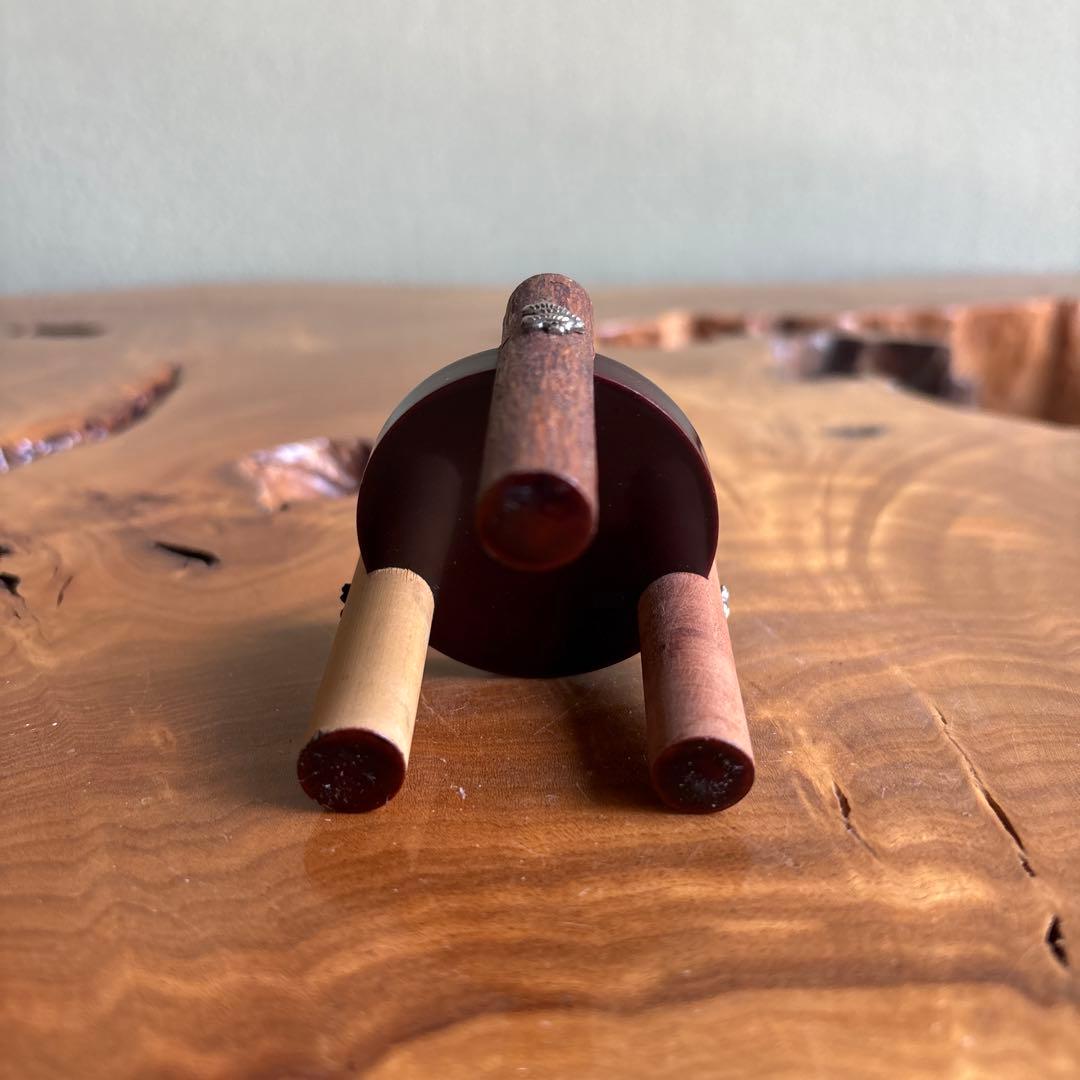
Experience Authentic Japanese Tea Ceremony Art with this Sho-Chiku-Bai Wood Futaoki Lid Rest. This Japanese Tea Ceremony Utensil serves as a Pine Bamboo Plum Futaoki and Chado Collectible Lid Rest, featuring Lacquered Wood Tea Accessory and Signed Tomobako Box—a must-have for any Wabi Sabi Art Collector. This Jouhaku Artist Tea Utensil embodies Auspicious Motif Futaoki Wooden with Hand-Carved Lacquer Band Detail and Silver Plum Blossom Inlay.
🔹 [ BASIC DETAILS ]
• Artist: Jouhaku (浄白) — signed with red seal on tomobako lid
• Technique: Mixed-wood joinery with ox-blood lacquer (shu-urushi) ring band and silver plum blossom (ume-ka) ornament
• Era: Contemporary (within the last two decades, Heisei–Reiwa)
• Origin: Japan (maker's tradition in ceremonial woodcraft)
• Dimensions: Diameter approx. 4.7 cm, Height approx. 5.5 cm
• Box: Original signed tomobako (共箱) with artist inscription and red seal, tied with purple silk ribbon
• Condition: Excellent — no cracks, no chips, no repairs
🔹 [ CULTURAL & ARTISTIC INSIGHT ]
The 蓋置 (futaoki) holds the kettle lid during a tea gathering — a small object entrusted with a moment of stillness. In the hands of Jouhaku, this one speaks through the language of 松竹梅 (shō-chiku-bai): the auspicious trinity of pine, bamboo, and plum that has graced Japanese art and ceremony for centuries.
Three cylindrical pillars, each cut from a distinct wood, stand gathered: rough-barked pine in deep reddish-brown, golden-pale bamboo, and smooth sakura-toned hardwood. They are united — not fused — by a curved band of deep ox-blood urushi lacquer, its surface catching light like still water. A single silver plum blossom rests at the union point, no larger than a fingernail, pressed with the precision of a maker who understands that restraint is not absence but concentration.
POETIC LINE: 'Three woods, one ring — as pine holds snow, bamboo bends wind, and plum opens before the cold has passed.'
The shō-chiku-bai motif carries specific weight in chado (the way of tea). Pine endures winter. Bamboo yields without breaking. Plum blooms first, while frost still holds the ground. Together they announce perseverance, resilience, and the grace of early hope — precisely the temperament that tea practice seeks to cultivate in its practitioners.
🔹 [ DEEP-DIVE COMMENTARY ]
The futaoki is among the most underestimated objects in a tea practitioner's collection. Small enough to hold in three fingers, it is placed before guests without ceremony — yet its choice reveals the host's sensibility more directly than any other utensil.
Jouhaku's construction method here is structurally sophisticated. The three pillars are not glued into a static block but held in dynamic tension by the lacquered band, which functions as both binder and visual anchor. This allows the slight natural variation of each wood's grain and color to breathe individually while maintaining compositional unity — a formal expression of wa (harmony through difference).
The choice of three distinct wood species is deliberate and materially rigorous. Pine bark retains its natural texture, rough and dark, nodding to age and endurance. The bamboo pillar, cleanest in tone, provides the structural lightness that bamboo embodies in Japanese aesthetics. The third wood — a warm pinkish hardwood, likely a fruit or ornamental variety — stands as the 'plum' element: warm, refined, carrying the softness of bloom against harder companions.
The shu-urushi (vermilion lacquer) used for the ring is a historically significant material in Japanese decorative arts. In tea ceremony objects, red lacquer signals celebratory or auspicious contexts. Applied as a curved ring rather than a full coating, it introduces color without dominating the natural wood — a design decision that shows command over material hierarchy.
The silver plum blossom ornament at the band's center is the piece's signature detail. Cast or stamped in fine metal, it fixes the viewer's eye at the composition's heart while reinforcing the 梅 element of the shō-chiku-bai triad. Its silver tone — cool against the warm wood and deep red lacquer — creates a three-temperature chromatic relationship that rewards close looking.
For the collector, this futaoki occupies a specific position: it is a functional utensil suitable for actual tea use, yet its decorative precision and auspicious iconography place it equally in a display context. The tomobako, signed and sealed by Jouhaku, certifies provenance and completes the object's identity as a committed maker's work rather than an anonymous craft piece.
🔹 [ 日本語解説 ]
■ 作品詳細
・作者:浄白(共箱蓋裏に筆書銘・朱印あり)
・技法:異樹種三本組み合わせ+朱漆帯輪・銀梅花装飾
・年代:現代(平成〜令和期)
・産地・流派:日本、茶道木工工芸の系譜
・寸法:直径 約4.7cm、高さ 約5.5cm
・箱:共箱(紫紐付き)、作者銘・朱印入り
・状態:ヒビ・カケなし、極上の保存状態
■ 文化・芸術的考察
この蓋置は「松竹梅」という日本美の根幹にある吉祥三様を、木という素材そのもので体現した一点です。松の荒肌、竹の清潔な黄白、梅に通じる温かみある赤みの木材――三本の円柱が、朱漆の帯によって束ねられ、その中心に銀の梅花が静かに据えられています。
茶席において蓋置は、釜の蓋を預かる小さな役目を担います。しかしその選択は、亭主の眼と心を映す鏡でもあります。浄白がここに込めたのは、単なる松竹梅の意匠ではなく、三者が「それぞれで在りながら、ひとつになる」という茶道の理そのものです。
詩的一節:「三木一輪——松は雪を抱き、竹は風に従い、梅は寒さの残るうちに先がけて咲く。」
■ 深層解説
蓋置は茶道具の中でも最も小さく、しかし最も雄弁な器物のひとつです。浄白の造形が際立つのは、三本の柱を接着で固定せず、帯の張力で束ねるという構造的な選択にあります。これにより、各木材の木目と色調がそれぞれ独立して呼吸しながら、全体としての統一感が生まれます。これは「和」——違いを通じた調和——の形式的表現です。
松の柱は樹皮をそのまま残し、深みのある赤褐色で時間と耐性を語ります。竹は最も明るく、軽さと撓り(しなり)の美学を体現します。第三の木材は温かみある桜色の広葉樹で、梅の柔らかな開花を想起させます。朱漆の帯は茶道具における吉祥の文脈を担い、自然木を覆い尽くさず、輪として添えることで素材の序列を守っています。銀の梅花は、朱と木の温色に対する冷色の差し色として機能し、間近に見るほど発見のある仕上がりです。共箱は浄白の確かな署名と朱印を備え、作品の来歴を証するものとして、使用・展示いずれの文脈においても価値を持ちます。
🔹 [ SHIPPING & PACKAGING ]
• Dispatch: Within 1-6 business days
• Carrier: Japan Post EMS / UPS (with tracking)
• Packaging: Carefully wrapped with protective materials
🔹 [ BASIC DETAILS ]
• Artist: Jouhaku (浄白) — signed with red seal on tomobako lid
• Technique: Mixed-wood joinery with ox-blood lacquer (shu-urushi) ring band and silver plum blossom (ume-ka) ornament
• Era: Contemporary (within the last two decades, Heisei–Reiwa)
• Origin: Japan (maker's tradition in ceremonial woodcraft)
• Dimensions: Diameter approx. 4.7 cm, Height approx. 5.5 cm
• Box: Original signed tomobako (共箱) with artist inscription and red seal, tied with purple silk ribbon
• Condition: Excellent — no cracks, no chips, no repairs
🔹 [ CULTURAL & ARTISTIC INSIGHT ]
The 蓋置 (futaoki) holds the kettle lid during a tea gathering — a small object entrusted with a moment of stillness. In the hands of Jouhaku, this one speaks through the language of 松竹梅 (shō-chiku-bai): the auspicious trinity of pine, bamboo, and plum that has graced Japanese art and ceremony for centuries.
Three cylindrical pillars, each cut from a distinct wood, stand gathered: rough-barked pine in deep reddish-brown, golden-pale bamboo, and smooth sakura-toned hardwood. They are united — not fused — by a curved band of deep ox-blood urushi lacquer, its surface catching light like still water. A single silver plum blossom rests at the union point, no larger than a fingernail, pressed with the precision of a maker who understands that restraint is not absence but concentration.
POETIC LINE: 'Three woods, one ring — as pine holds snow, bamboo bends wind, and plum opens before the cold has passed.'
The shō-chiku-bai motif carries specific weight in chado (the way of tea). Pine endures winter. Bamboo yields without breaking. Plum blooms first, while frost still holds the ground. Together they announce perseverance, resilience, and the grace of early hope — precisely the temperament that tea practice seeks to cultivate in its practitioners.
🔹 [ DEEP-DIVE COMMENTARY ]
The futaoki is among the most underestimated objects in a tea practitioner's collection. Small enough to hold in three fingers, it is placed before guests without ceremony — yet its choice reveals the host's sensibility more directly than any other utensil.
Jouhaku's construction method here is structurally sophisticated. The three pillars are not glued into a static block but held in dynamic tension by the lacquered band, which functions as both binder and visual anchor. This allows the slight natural variation of each wood's grain and color to breathe individually while maintaining compositional unity — a formal expression of wa (harmony through difference).
The choice of three distinct wood species is deliberate and materially rigorous. Pine bark retains its natural texture, rough and dark, nodding to age and endurance. The bamboo pillar, cleanest in tone, provides the structural lightness that bamboo embodies in Japanese aesthetics. The third wood — a warm pinkish hardwood, likely a fruit or ornamental variety — stands as the 'plum' element: warm, refined, carrying the softness of bloom against harder companions.
The shu-urushi (vermilion lacquer) used for the ring is a historically significant material in Japanese decorative arts. In tea ceremony objects, red lacquer signals celebratory or auspicious contexts. Applied as a curved ring rather than a full coating, it introduces color without dominating the natural wood — a design decision that shows command over material hierarchy.
The silver plum blossom ornament at the band's center is the piece's signature detail. Cast or stamped in fine metal, it fixes the viewer's eye at the composition's heart while reinforcing the 梅 element of the shō-chiku-bai triad. Its silver tone — cool against the warm wood and deep red lacquer — creates a three-temperature chromatic relationship that rewards close looking.
For the collector, this futaoki occupies a specific position: it is a functional utensil suitable for actual tea use, yet its decorative precision and auspicious iconography place it equally in a display context. The tomobako, signed and sealed by Jouhaku, certifies provenance and completes the object's identity as a committed maker's work rather than an anonymous craft piece.
🔹 [ 日本語解説 ]
■ 作品詳細
・作者:浄白(共箱蓋裏に筆書銘・朱印あり)
・技法:異樹種三本組み合わせ+朱漆帯輪・銀梅花装飾
・年代:現代(平成〜令和期)
・産地・流派:日本、茶道木工工芸の系譜
・寸法:直径 約4.7cm、高さ 約5.5cm
・箱:共箱(紫紐付き)、作者銘・朱印入り
・状態:ヒビ・カケなし、極上の保存状態
■ 文化・芸術的考察
この蓋置は「松竹梅」という日本美の根幹にある吉祥三様を、木という素材そのもので体現した一点です。松の荒肌、竹の清潔な黄白、梅に通じる温かみある赤みの木材――三本の円柱が、朱漆の帯によって束ねられ、その中心に銀の梅花が静かに据えられています。
茶席において蓋置は、釜の蓋を預かる小さな役目を担います。しかしその選択は、亭主の眼と心を映す鏡でもあります。浄白がここに込めたのは、単なる松竹梅の意匠ではなく、三者が「それぞれで在りながら、ひとつになる」という茶道の理そのものです。
詩的一節:「三木一輪——松は雪を抱き、竹は風に従い、梅は寒さの残るうちに先がけて咲く。」
■ 深層解説
蓋置は茶道具の中でも最も小さく、しかし最も雄弁な器物のひとつです。浄白の造形が際立つのは、三本の柱を接着で固定せず、帯の張力で束ねるという構造的な選択にあります。これにより、各木材の木目と色調がそれぞれ独立して呼吸しながら、全体としての統一感が生まれます。これは「和」——違いを通じた調和——の形式的表現です。
松の柱は樹皮をそのまま残し、深みのある赤褐色で時間と耐性を語ります。竹は最も明るく、軽さと撓り(しなり)の美学を体現します。第三の木材は温かみある桜色の広葉樹で、梅の柔らかな開花を想起させます。朱漆の帯は茶道具における吉祥の文脈を担い、自然木を覆い尽くさず、輪として添えることで素材の序列を守っています。銀の梅花は、朱と木の温色に対する冷色の差し色として機能し、間近に見るほど発見のある仕上がりです。共箱は浄白の確かな署名と朱印を備え、作品の来歴を証するものとして、使用・展示いずれの文脈においても価値を持ちます。
🔹 [ SHIPPING & PACKAGING ]
• Dispatch: Within 1-6 business days
• Carrier: Japan Post EMS / UPS (with tracking)
• Packaging: Carefully wrapped with protective materials
Quantity
Couldn't load pickup availability
Low stock: 1 left
View full details