1
/
of
19
Shino Ware Tea Bowl by Tanaka Genya - Kikuizumi Kiln E-Shino Chawan with Signed Box
Shino Ware Tea Bowl by Tanaka Genya - Kikuizumi Kiln E-Shino Chawan with Signed Box
Regular price
Dhs. 971.00 AED
Regular price
Sale price
Dhs. 971.00 AED
Taxes included.
Shipping calculated at checkout.
Experience Authentic Japanese Tea Culture with this Shino Ware Tea Bowl. This Japanese Matcha Chawan serves as a Kikuizumi Kiln Ceramic and Tanaka Genya Pottery, featuring E-Shino Iron Painting aesthetics and Mino Ware Tradition—a must-have for any Art Collector seeking Wabi Sabi Ceramic art and Zen Tea Ceremony accessories.
━━━━━━━━━━━━━━━━━━━━
🔹 [ BASIC DETAILS ]
• Artist: Tanaka Genya (田中源也)
• Technique: E-Shino (painted Shino) with iron oxide underglaze decoration
• Era: Contemporary (Heisei–Reiwa period)
• Origin: Mino, Gifu Prefecture, Japan (Kikuizumi kiln / 菊泉窯)
• Dimensions: Height approx. 8 cm (3.1 in), Diameter approx. 12 cm (4.7 in)
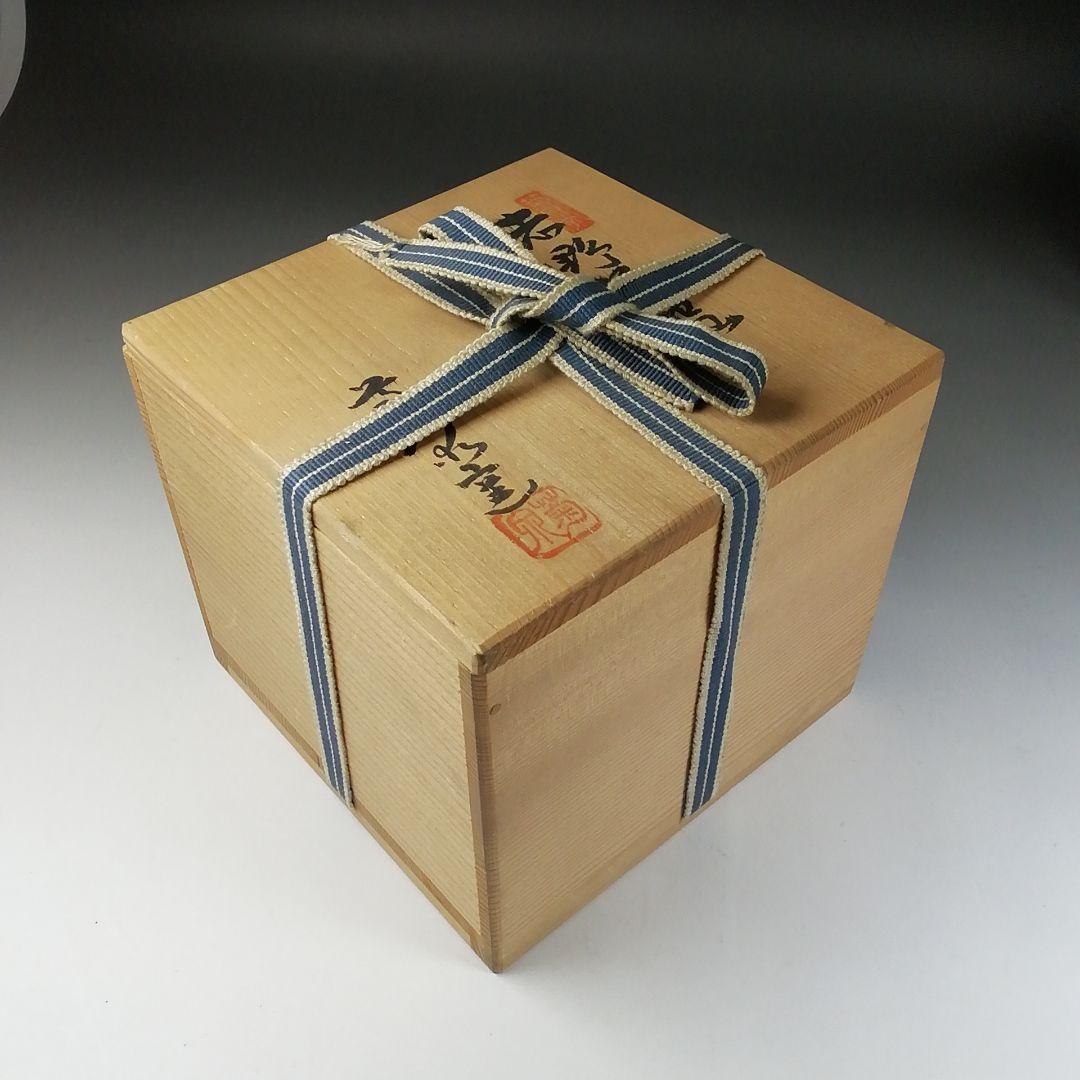
• Box: Signed tomobako with artist's seal (共箱)
• Condition: Excellent — no chips, cracks, or repairs
━━━━━━━━━━━━━━━━━━━━
🔹 [ CULTURAL & ARTISTIC INSIGHT ]
Shino ware emerged in the kilns of Mino during the Momoyama period (late 16th century), a revolutionary era when tea masters like Furuta Oribe championed bold, unconventional aesthetics. Among the various Shino styles, E-Shino (painted Shino) is perhaps the most captivating—iron oxide brushwork applied beneath a thick, milky feldspathic glaze creates images that appear to float within the ceramic itself, like figures seen through frosted glass.
This bowl by Tanaka Genya of the Kikuizumi kiln carries the authentic Shino spirit. The bold iron oxide brushwork depicts plant motifs in warm russet and brown tones, emerging through the characteristic thick white glaze. The cylindrical form (tsutsu-gata) with its gently irregular rim is the classic Shino shape, one that sits perfectly in the palm during tea practice. Where the glaze thins at the lip and foot, flashes of fire color (hi-iro) appear—evidence of the kiln's transformative heat.
*"Under the white, the iron dreams in earth tones—waiting for fire to call it into form."*
━━━━━━━━━━━━━━━━━━━━
🔹 [ DEEP-DIVE COMMENTARY ]
**The Mino Ware Legacy**: Mino, in present-day Gifu Prefecture, was the birthplace of some of Japan's most revolutionary tea ceramics. During the Momoyama period, Mino potters developed Shino, Oribe, Ki-Seto, and Setoguro—four distinct styles that transformed the Japanese tea aesthetic from Chinese-influenced refinement to a uniquely Japanese celebration of imperfection and boldness.
**Technical Achievement**: E-Shino requires exceptional control. Iron oxide (oni-ita) is painted onto the raw clay body, then buried beneath layers of thick feldspar glaze. During firing at approximately 1,250°C, the iron migrates through the glaze, creating the characteristic soft-edged imagery. The famous yuzuhada (citrus-skin) pitted texture on the surface is a hallmark of authentic Shino, caused by tiny pinholes where gases escaped during firing.
**Collector Significance**: The Kikuizumi kiln under Tanaka Genya maintains the demanding traditional Shino firing methods. Each E-Shino bowl is unique—the interaction between iron painting, glaze thickness, and kiln atmosphere produces unrepeatable results. The signed tomobako confirms the artist's direct authorship.
**The Art of Iron Painting**: The floral motifs on this bowl connect to a centuries-old tradition of nature imagery in Shino ware. Momoyama-era Shino bowls often depicted reeds, grasses, and flowers—simple subjects rendered with the bold, abbreviated brushwork that would later influence Japanese ink painting.
━━━━━━━━━━━━━━━━━━━━
🔹 [ 日本語解説 ]
【基本情報】
• 作家:田中源也
• 技法:絵志野(鉄絵)
• 時代:現代(平成〜令和)
• 産地:岐阜県美濃(菊泉窯)
• 寸法:高さ約8cm、口径約12cm
• 付属:共箱
• 状態:良好(割れ・欠けなし)
【解説】
志野焼は桃山時代に美濃の窯で誕生した、日本茶陶史上の革命的な焼物です。中でも絵志野は、鬼板(酸化鉄)による下絵付けを厚い長石釉の下に施す技法で、釉薬を通して浮かび上がる温かみのある絵柄が独特の魅力を放ちます。
田中源也氏の菊泉窯は、この伝統的な志野焼を現代に継承しています。本品は筒形(つつがた)と呼ばれる志野茶碗の典型的な形状で、口縁のわずかな歪みが手に馴染む心地よさを生みます。釉薬が薄くなった部分に現れる火色(緋色)は、窯の中での激しい炎の記憶を今に伝えています。
━━━━━━━━━━━━━━━━━━━━
🔹 [ SHIPPING & PACKAGING ]
• Dispatch: Within 1-6 business days
• Carrier: Japan Post EMS / UPS (with tracking)
• Packaging: Carefully wrapped with protective materials
*The iron rests quietly beneath the white—a landscape waiting for the eye that knows how to look.*
━━━━━━━━━━━━━━━━━━━━
🔹 [ BASIC DETAILS ]
• Artist: Tanaka Genya (田中源也)
• Technique: E-Shino (painted Shino) with iron oxide underglaze decoration
• Era: Contemporary (Heisei–Reiwa period)
• Origin: Mino, Gifu Prefecture, Japan (Kikuizumi kiln / 菊泉窯)
• Dimensions: Height approx. 8 cm (3.1 in), Diameter approx. 12 cm (4.7 in)
• Box: Signed tomobako with artist's seal (共箱)
• Condition: Excellent — no chips, cracks, or repairs
━━━━━━━━━━━━━━━━━━━━
🔹 [ CULTURAL & ARTISTIC INSIGHT ]
Shino ware emerged in the kilns of Mino during the Momoyama period (late 16th century), a revolutionary era when tea masters like Furuta Oribe championed bold, unconventional aesthetics. Among the various Shino styles, E-Shino (painted Shino) is perhaps the most captivating—iron oxide brushwork applied beneath a thick, milky feldspathic glaze creates images that appear to float within the ceramic itself, like figures seen through frosted glass.
This bowl by Tanaka Genya of the Kikuizumi kiln carries the authentic Shino spirit. The bold iron oxide brushwork depicts plant motifs in warm russet and brown tones, emerging through the characteristic thick white glaze. The cylindrical form (tsutsu-gata) with its gently irregular rim is the classic Shino shape, one that sits perfectly in the palm during tea practice. Where the glaze thins at the lip and foot, flashes of fire color (hi-iro) appear—evidence of the kiln's transformative heat.
*"Under the white, the iron dreams in earth tones—waiting for fire to call it into form."*
━━━━━━━━━━━━━━━━━━━━
🔹 [ DEEP-DIVE COMMENTARY ]
**The Mino Ware Legacy**: Mino, in present-day Gifu Prefecture, was the birthplace of some of Japan's most revolutionary tea ceramics. During the Momoyama period, Mino potters developed Shino, Oribe, Ki-Seto, and Setoguro—four distinct styles that transformed the Japanese tea aesthetic from Chinese-influenced refinement to a uniquely Japanese celebration of imperfection and boldness.
**Technical Achievement**: E-Shino requires exceptional control. Iron oxide (oni-ita) is painted onto the raw clay body, then buried beneath layers of thick feldspar glaze. During firing at approximately 1,250°C, the iron migrates through the glaze, creating the characteristic soft-edged imagery. The famous yuzuhada (citrus-skin) pitted texture on the surface is a hallmark of authentic Shino, caused by tiny pinholes where gases escaped during firing.
**Collector Significance**: The Kikuizumi kiln under Tanaka Genya maintains the demanding traditional Shino firing methods. Each E-Shino bowl is unique—the interaction between iron painting, glaze thickness, and kiln atmosphere produces unrepeatable results. The signed tomobako confirms the artist's direct authorship.
**The Art of Iron Painting**: The floral motifs on this bowl connect to a centuries-old tradition of nature imagery in Shino ware. Momoyama-era Shino bowls often depicted reeds, grasses, and flowers—simple subjects rendered with the bold, abbreviated brushwork that would later influence Japanese ink painting.
━━━━━━━━━━━━━━━━━━━━
🔹 [ 日本語解説 ]
【基本情報】
• 作家:田中源也
• 技法:絵志野(鉄絵)
• 時代:現代(平成〜令和)
• 産地:岐阜県美濃(菊泉窯)
• 寸法:高さ約8cm、口径約12cm
• 付属:共箱
• 状態:良好(割れ・欠けなし)
【解説】
志野焼は桃山時代に美濃の窯で誕生した、日本茶陶史上の革命的な焼物です。中でも絵志野は、鬼板(酸化鉄)による下絵付けを厚い長石釉の下に施す技法で、釉薬を通して浮かび上がる温かみのある絵柄が独特の魅力を放ちます。
田中源也氏の菊泉窯は、この伝統的な志野焼を現代に継承しています。本品は筒形(つつがた)と呼ばれる志野茶碗の典型的な形状で、口縁のわずかな歪みが手に馴染む心地よさを生みます。釉薬が薄くなった部分に現れる火色(緋色)は、窯の中での激しい炎の記憶を今に伝えています。
━━━━━━━━━━━━━━━━━━━━
🔹 [ SHIPPING & PACKAGING ]
• Dispatch: Within 1-6 business days
• Carrier: Japan Post EMS / UPS (with tracking)
• Packaging: Carefully wrapped with protective materials
*The iron rests quietly beneath the white—a landscape waiting for the eye that knows how to look.*
Quantity
Couldn't load pickup availability
Low stock: 1 left
View full details