1
/
of
8
Shino Ware Matcha Bowl by Kato Shuzan — Nezumi Shino with Hi-iro Fire Blush, Carved Motif, Tomobako
Shino Ware Matcha Bowl by Kato Shuzan — Nezumi Shino with Hi-iro Fire Blush, Carved Motif, Tomobako
Regular price
Dhs. 592.00 AED
Regular price
Sale price
Dhs. 592.00 AED
Taxes included.
Shipping calculated at checkout.
Experience Authentic Japan Art with this Shino Ware Matcha Bowl. This Japanese Tea Ceremony Bowl serves as a Mino Ware Chawan and Wabi-Sabi Ceramic Art, featuring Nezumi Shino Glaze and Hi-iro Fire Blush—a must-have for any Art Collector. This Kato Shuzan Pottery piece embodies Carved Botanical Motif and Hand-thrown Stoneware, the essence of Mingei Japanese Folk Craft.
🔹 [ BASIC DETAILS ]
• Artist: Kato Shuzan (加藤秀山), Mino ware master
• Technique: Shino yaki — nezumi-Shino ground with white Shino glaze overlay and hi-iro (fire blush); deeply incised carved botanical motif (kusa-mon)
• Era: 1980s–2000s (20th century, contemporary Mino tradition)
• Origin: Mino, Gifu Prefecture, Japan (Shino / Oribe kiln tradition)
• Dimensions: Diameter approx. 11.7 cm, Height approx. 7.5 cm
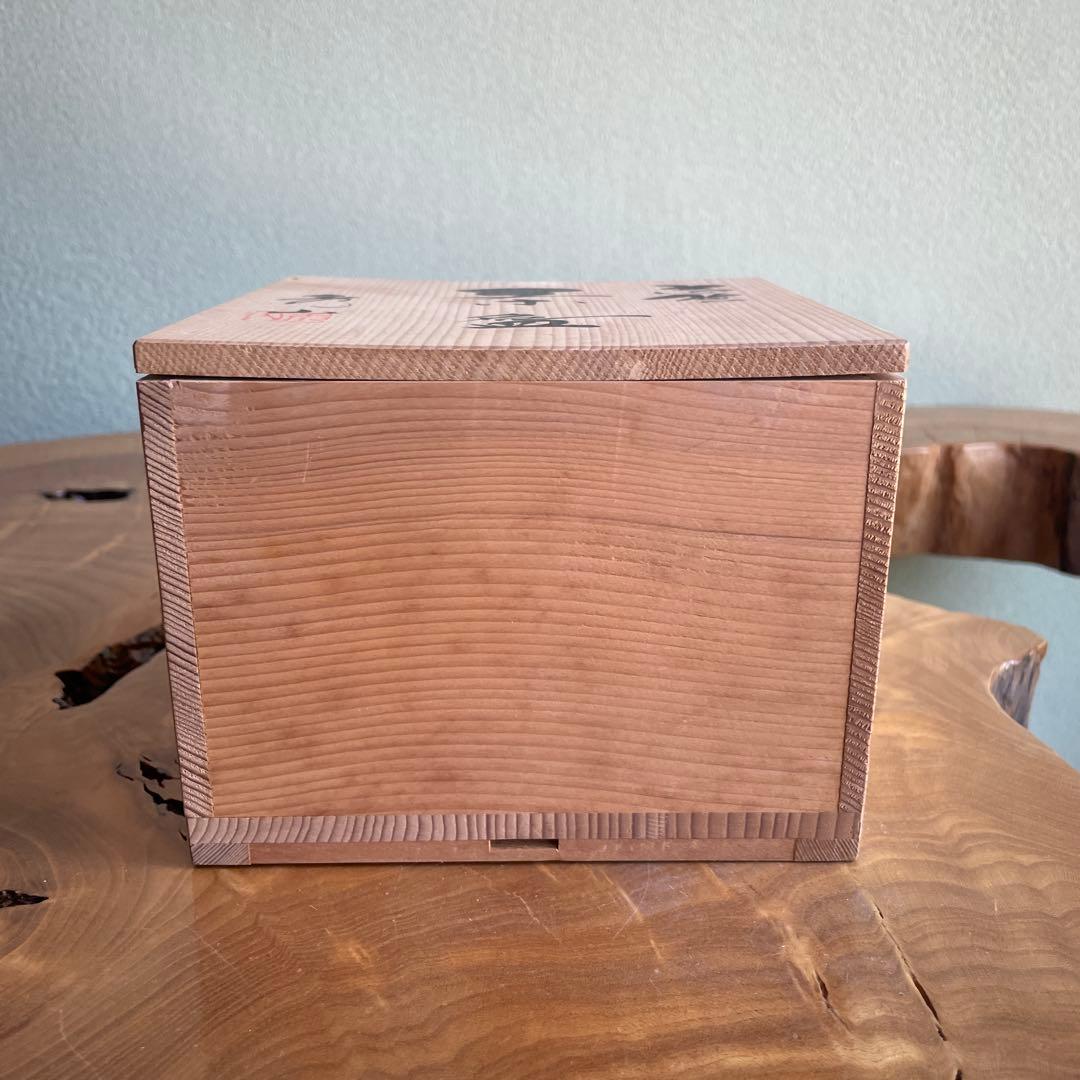
• Box: Tomobako (artist's original signed wooden box) — box lid bears brush-written title and red artist seal; minor staining on box exterior
• Condition: No chips or cracks on the ceramic. Box has staining (as described). Interior and exterior glaze intact.
🔹 [ CULTURAL & ARTISTIC INSIGHT ]
Shino ware is Japan's oldest white-glazed ceramic tradition, born in the Mino region of present-day Gifu Prefecture during the Azuchi-Momoyama period (late 16th century). Where most Japanese ceramics reached for precision and symmetry, Shino went the other direction — thick, uneven, pitted white glaze applied over iron-rich clay, fired in an anagama or noborigama kiln until the clay body blushed copper and crimson in the flames. This unpredictable alchemy — the hi-iro, or "fire color" — is not a flaw but the defining mark of a living Shino.
This chawan by Kato Shuzan shows a particularly rich combination of effects. The outer surface carries a nezumi-Shino quality — a slightly grey, heavily pinholy (needle-hole pitted) base coat — over which white Shino pools and breaks, revealing the warm iron-orange clay beneath. Carved botanical lines (kusa-mon, grass or plant motif) run boldly around the body; the glaze settles into these incisions and lifts along their ridges, creating a subtle topographic landscape that rewards close examination. The interior is a softer, milkier white, deepening into a warm pool at the base where the glaze gathered during firing. The rim is irregular and slightly undulating — a deliberate formal choice echoing the natural irregularity (歪み, yugami) valued in wabi-cha aesthetics.
Poetic Line: "The white glaze drifts across fire-red earth like winter snow over harvest fields — settled, silent, and full of heat still remembered."
🔹 [ DEEP-DIVE COMMENTARY ]
Shino (志野) is classified as one of the ko-Mino (古美濃, "old Mino") wares alongside Oribe, Setoguro, and Ki-Seto. It was the first Japanese ceramic to use a thick feldspar-based white glaze rather than ash or iron glazes, and this technical leap — developed by anonymous Mino potters around 1580–1610 — made possible an entirely new visual vocabulary. The distinctive pitting that covers this bowl's surface results from gases escaping through the viscous glaze during firing; each pinhole is a moment of volcanic release, frozen in silica.
Nezumi-Shino (鼠志野, "mouse-grey Shino") is a specific sub-type in which iron slip is applied beneath the feldspar glaze. During firing, this slip bleeds through in grey-brown patterns, creating a dappled ground quite different from the blinding white of pure Shino. The grey undertone in this bowl's exterior glaze, broken by warmer orange passages, reflects exactly this layering technique — a sophisticated two-stage surface construction demanding precise timing and kiln placement.
The carved motif adds a third dimension. Unlike painted iron-oxide decoration (as in E-Shino), carved decoration (hori-mon or kaki-otoshi) removes clay before glazing; the glaze then pools in the recesses and thins on the ridges, producing a subtle relief that catches raking light. This technique connects Mino ceramics to earlier Sue ware and Korean punch'ong traditions — a lineage of marked, textured surfaces that the great Momoyama tea masters such as Furuta Oribe and Sen no Rikyu found compelling precisely because they resisted perfection.
For collectors, a Shino chawan with tomobako by a named Mino artist represents an accessible entry point into a tradition whose Edo-period antecedents sell at major auction houses for six figures. Contemporary Mino masters working in the Shino tradition — many holding Gifu Prefecture or national recognition — maintain kiln lineages traceable to the original Momoyama-era workshops. A signed tomobako is the primary authentication document and a prerequisite for serious collection or resale consideration.
🔹 [ 日本語解説 ]
■ 基本情報
• 作家:加藤秀山(美濃焼窯元)
• 技法:志野焼。鼠志野風の地に白志野釉を重ね、緋色の景色が映える。胴部には草文の彫文を施す。
• 年代:昭和末〜平成期(20世紀後半、美濃の伝統を継ぐ現代作)
• 産地:岐阜県美濃地区(志野・織部窯の伝統)
• 寸法:口径 約11.7cm、高さ 約7.5cm
• 箱:共箱(作家直筆の箱書き・朱印付き。箱外側に若干のシミあり)
• 状態:本体にヒビ・カケなし。釉肌良好。共箱は記載の通りシミあり。
■ 文化・芸術的背景
志野焼は日本最古の白釉陶であり、桃山時代末期に美濃(現・岐阜県)で生まれた。長石釉を厚く掛けた白い肌に、窯の炎が刻む緋色(ひいろ)と無数の針穴(ピンホール)が志野の証である。完璧な均質を求めず、歪み・窯変・予測不能な景色をこそ美とする——それが侘びの茶に選ばれた理由だ。
本作は鼠志野風の灰青みを帯びた地の上に白志野釉が流れ、緋色の地肌が火景として浮かび上がる。外壁には草文の彫りが大きく刻まれ、釉が溝に溜まり稜線で薄まることで、光によって生きる立体的な肌を作り出している。内側は乳白に近い柔らかな白で満たされ、高台脇の溜まりは温かな深みを見せる。口縁の自然な歪みは手びねりの証であり、茶碗を持つ手にやすらかな重さとなる。
詩的一文:「緋色の大地を白釉が漂う——冬の雪が刈り跡の田を覆うように、静かに、しかし火の温もりを宿したまま。」
■ 詳細解説
志野は古美濃の代表的な様式であり、織部・瀬戸黒・黄瀬戸と並ぶ桃山陶の双璧をなす。鉄分を含む美濃の土に長石釉を厚く施し、穴窯や登り窯で焼成することで、釉の内部から気泡が脱出し無数の針穴が生じる。この偶然性こそが志野の命であり、作為では再現できない景色の源泉となる。
鼠志野は白志野の下に鉄釉を施し、焼成中に灰青みを帯びた斑点が浮かぶ特殊な技法である。本作が持つ外壁の灰みと橙色が混ざり合う肌は、この二層構造によるものだ。さらに彫文は施釉前に施されており、溝に釉が溜まることで絵付けとは異なる立体的な装飾効果をもたらす。この技法は高麗の粉青沙器(ぷんちょんさぎ)の刷毛目・象嵌の伝統と通底し、桃山の茶人たちが朝鮮陶に見出した自然の美を美濃の土で翻訳したものといえる。
共箱付きの作家物茶碗は、コレクションの信頼性を担保する第一の証左であり、転売・評価においても重要な加点要素となる。現代美濃の志野作家の作品は、桃山期の古志野が主要オークションで高額落札される伝統の延長線上に位置し、入手しやすい価格帯で本物の窯の歴史に参加できる稀な機会を提供する。
🔹 [ SHIPPING & PACKAGING ]
• Dispatch: Within 1-6 business days
• Carrier: Japan Post EMS / UPS (with tracking)
• Packaging: Carefully wrapped with protective materials
🔹 [ BASIC DETAILS ]
• Artist: Kato Shuzan (加藤秀山), Mino ware master
• Technique: Shino yaki — nezumi-Shino ground with white Shino glaze overlay and hi-iro (fire blush); deeply incised carved botanical motif (kusa-mon)
• Era: 1980s–2000s (20th century, contemporary Mino tradition)
• Origin: Mino, Gifu Prefecture, Japan (Shino / Oribe kiln tradition)
• Dimensions: Diameter approx. 11.7 cm, Height approx. 7.5 cm
• Box: Tomobako (artist's original signed wooden box) — box lid bears brush-written title and red artist seal; minor staining on box exterior
• Condition: No chips or cracks on the ceramic. Box has staining (as described). Interior and exterior glaze intact.
🔹 [ CULTURAL & ARTISTIC INSIGHT ]
Shino ware is Japan's oldest white-glazed ceramic tradition, born in the Mino region of present-day Gifu Prefecture during the Azuchi-Momoyama period (late 16th century). Where most Japanese ceramics reached for precision and symmetry, Shino went the other direction — thick, uneven, pitted white glaze applied over iron-rich clay, fired in an anagama or noborigama kiln until the clay body blushed copper and crimson in the flames. This unpredictable alchemy — the hi-iro, or "fire color" — is not a flaw but the defining mark of a living Shino.
This chawan by Kato Shuzan shows a particularly rich combination of effects. The outer surface carries a nezumi-Shino quality — a slightly grey, heavily pinholy (needle-hole pitted) base coat — over which white Shino pools and breaks, revealing the warm iron-orange clay beneath. Carved botanical lines (kusa-mon, grass or plant motif) run boldly around the body; the glaze settles into these incisions and lifts along their ridges, creating a subtle topographic landscape that rewards close examination. The interior is a softer, milkier white, deepening into a warm pool at the base where the glaze gathered during firing. The rim is irregular and slightly undulating — a deliberate formal choice echoing the natural irregularity (歪み, yugami) valued in wabi-cha aesthetics.
Poetic Line: "The white glaze drifts across fire-red earth like winter snow over harvest fields — settled, silent, and full of heat still remembered."
🔹 [ DEEP-DIVE COMMENTARY ]
Shino (志野) is classified as one of the ko-Mino (古美濃, "old Mino") wares alongside Oribe, Setoguro, and Ki-Seto. It was the first Japanese ceramic to use a thick feldspar-based white glaze rather than ash or iron glazes, and this technical leap — developed by anonymous Mino potters around 1580–1610 — made possible an entirely new visual vocabulary. The distinctive pitting that covers this bowl's surface results from gases escaping through the viscous glaze during firing; each pinhole is a moment of volcanic release, frozen in silica.
Nezumi-Shino (鼠志野, "mouse-grey Shino") is a specific sub-type in which iron slip is applied beneath the feldspar glaze. During firing, this slip bleeds through in grey-brown patterns, creating a dappled ground quite different from the blinding white of pure Shino. The grey undertone in this bowl's exterior glaze, broken by warmer orange passages, reflects exactly this layering technique — a sophisticated two-stage surface construction demanding precise timing and kiln placement.
The carved motif adds a third dimension. Unlike painted iron-oxide decoration (as in E-Shino), carved decoration (hori-mon or kaki-otoshi) removes clay before glazing; the glaze then pools in the recesses and thins on the ridges, producing a subtle relief that catches raking light. This technique connects Mino ceramics to earlier Sue ware and Korean punch'ong traditions — a lineage of marked, textured surfaces that the great Momoyama tea masters such as Furuta Oribe and Sen no Rikyu found compelling precisely because they resisted perfection.
For collectors, a Shino chawan with tomobako by a named Mino artist represents an accessible entry point into a tradition whose Edo-period antecedents sell at major auction houses for six figures. Contemporary Mino masters working in the Shino tradition — many holding Gifu Prefecture or national recognition — maintain kiln lineages traceable to the original Momoyama-era workshops. A signed tomobako is the primary authentication document and a prerequisite for serious collection or resale consideration.
🔹 [ 日本語解説 ]
■ 基本情報
• 作家:加藤秀山(美濃焼窯元)
• 技法:志野焼。鼠志野風の地に白志野釉を重ね、緋色の景色が映える。胴部には草文の彫文を施す。
• 年代:昭和末〜平成期(20世紀後半、美濃の伝統を継ぐ現代作)
• 産地:岐阜県美濃地区(志野・織部窯の伝統)
• 寸法:口径 約11.7cm、高さ 約7.5cm
• 箱:共箱(作家直筆の箱書き・朱印付き。箱外側に若干のシミあり)
• 状態:本体にヒビ・カケなし。釉肌良好。共箱は記載の通りシミあり。
■ 文化・芸術的背景
志野焼は日本最古の白釉陶であり、桃山時代末期に美濃(現・岐阜県)で生まれた。長石釉を厚く掛けた白い肌に、窯の炎が刻む緋色(ひいろ)と無数の針穴(ピンホール)が志野の証である。完璧な均質を求めず、歪み・窯変・予測不能な景色をこそ美とする——それが侘びの茶に選ばれた理由だ。
本作は鼠志野風の灰青みを帯びた地の上に白志野釉が流れ、緋色の地肌が火景として浮かび上がる。外壁には草文の彫りが大きく刻まれ、釉が溝に溜まり稜線で薄まることで、光によって生きる立体的な肌を作り出している。内側は乳白に近い柔らかな白で満たされ、高台脇の溜まりは温かな深みを見せる。口縁の自然な歪みは手びねりの証であり、茶碗を持つ手にやすらかな重さとなる。
詩的一文:「緋色の大地を白釉が漂う——冬の雪が刈り跡の田を覆うように、静かに、しかし火の温もりを宿したまま。」
■ 詳細解説
志野は古美濃の代表的な様式であり、織部・瀬戸黒・黄瀬戸と並ぶ桃山陶の双璧をなす。鉄分を含む美濃の土に長石釉を厚く施し、穴窯や登り窯で焼成することで、釉の内部から気泡が脱出し無数の針穴が生じる。この偶然性こそが志野の命であり、作為では再現できない景色の源泉となる。
鼠志野は白志野の下に鉄釉を施し、焼成中に灰青みを帯びた斑点が浮かぶ特殊な技法である。本作が持つ外壁の灰みと橙色が混ざり合う肌は、この二層構造によるものだ。さらに彫文は施釉前に施されており、溝に釉が溜まることで絵付けとは異なる立体的な装飾効果をもたらす。この技法は高麗の粉青沙器(ぷんちょんさぎ)の刷毛目・象嵌の伝統と通底し、桃山の茶人たちが朝鮮陶に見出した自然の美を美濃の土で翻訳したものといえる。
共箱付きの作家物茶碗は、コレクションの信頼性を担保する第一の証左であり、転売・評価においても重要な加点要素となる。現代美濃の志野作家の作品は、桃山期の古志野が主要オークションで高額落札される伝統の延長線上に位置し、入手しやすい価格帯で本物の窯の歴史に参加できる稀な機会を提供する。
🔹 [ SHIPPING & PACKAGING ]
• Dispatch: Within 1-6 business days
• Carrier: Japan Post EMS / UPS (with tracking)
• Packaging: Carefully wrapped with protective materials
Quantity
Couldn't load pickup availability
Low stock: 1 left
View full details