1
/
of
10
Shino Tea Bowl 'Tamauki' - Japanese Mino Shino Chawan with Milky White Glaze Kamehada and Signed Box
Shino Tea Bowl 'Tamauki' - Japanese Mino Shino Chawan with Milky White Glaze Kamehada and Signed Box
Regular price
Dhs. 629.00 AED
Regular price
Sale price
Dhs. 629.00 AED
Taxes included.
Shipping calculated at checkout.
Experience authentic Japanese tea culture with this Shino Tea Bowl named "Tamauki" (玉雪, Jade Snow). This Japanese Matcha Bowl serves as a Mino Shino Ware Chawan and Handcrafted Feldspathic White Glaze Tea Ceremony Vessel, featuring Kamehada Pinhole Texture and Warm Fire-Blush Surface—a must-have for any collector seeking authentic Shino Ceramic artistry and contemplative Zen Tea Accessories.
━━━━━━━━━━━━━━━━━━━━
🔹 [ BASIC DETAILS ]
• Artist: Unidentified — named piece with tomobako, name Tamauki (玉雪) inscribed
• Technique: Shino-gusuri (志野釉) feldspathic glaze with kamehada (亀甲肌) pinholes; irregular hand-built form with deliberate undulation
• Era: Contemporary (Heisei–Reiwa period)
• Origin: Mino ware tradition, Japan (Gifu Prefecture)
• Dimensions: Diameter approx. 12 cm × Height approx. 8.5 cm (4.7" × 3.3")
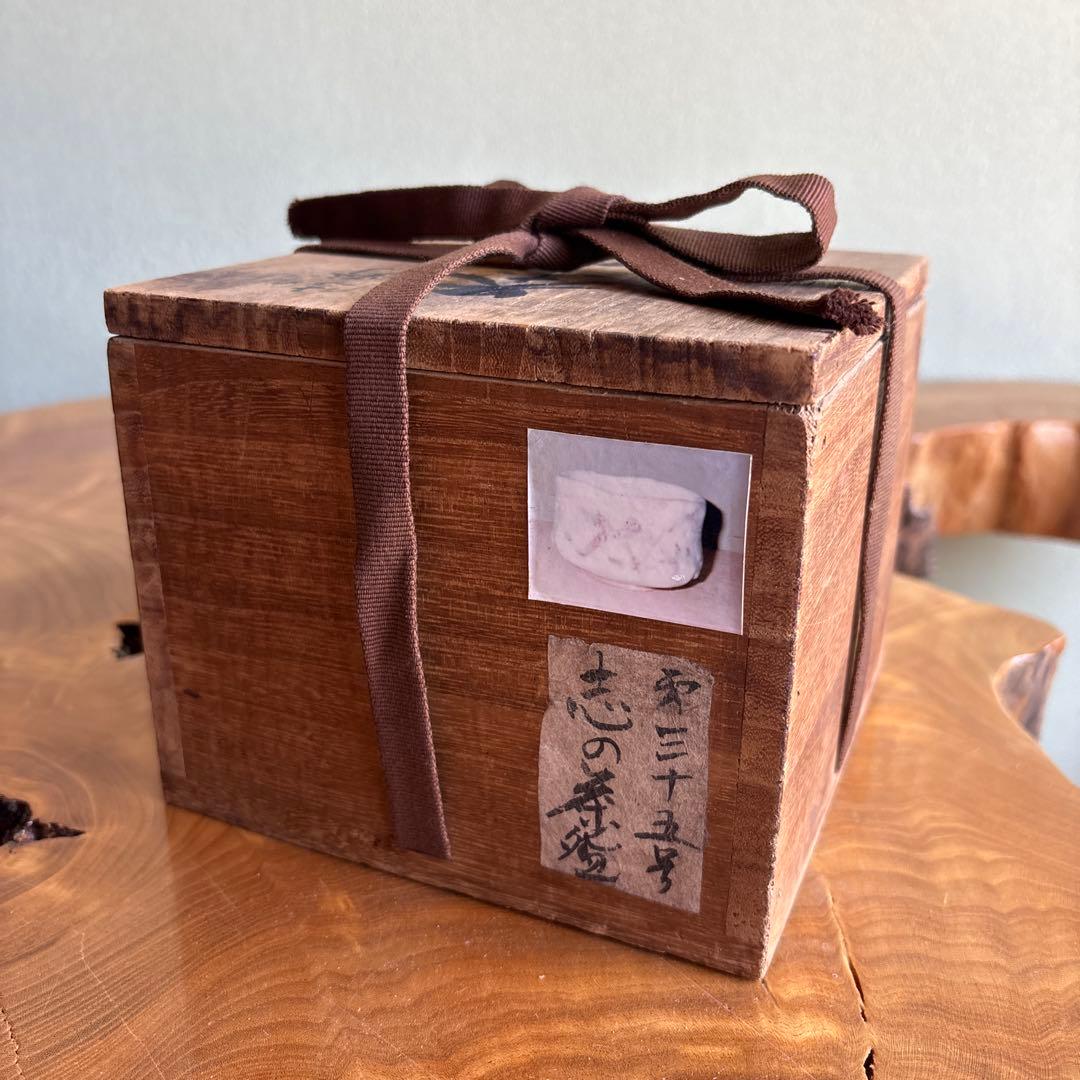
• Box: Tomobako (wooden box with 志野 茶碗 inscription; box shows age-related surface patina)
• Condition: Excellent — no chips, cracks, or repairs
━━━━━━━━━━━━━━━━━━━━
🔹 [ CULTURAL & ARTISTIC INSIGHT ]
Shino ware (志野焼) holds a singular place in the history of Japanese ceramics. Developed in the Mino region (present-day Gifu Prefecture) during the late Momoyama period (late 16th century), it was the first distinctly Japanese ceramic tradition to break from continental Chinese and Korean influences. Where earlier Japanese tea ceramics either imported or imitated Korean and Chinese forms, Shino embraced indigenous materials — particularly the white feldspar clays of the Mino hills — and produced a glaze of thick, opaque milky white that was entirely without precedent.
The name "Tamauki" (玉雪, Jade Snow) given to this bowl captures exactly what the eyes perceive when they first encounter a well-made Shino chawan: the glaze surface has the quality of snow that has compacted slightly, slightly luminous and slightly warm, neither purely white nor grey but something in between that shifts with the angle of light. The characteristic kamehada (亀甲肌, tortoise-shell skin) — visible in the photographs as scattered pinholes across the glaze surface — is one of the most recognizable features of classic Shino ware. These small craters form when gas escapes from the thick glaze during firing, and their presence is considered evidence of authentic slow-fire wood kiln technique.
The form itself is vigorously irregular — the rim rises and falls unevenly, one side pressing slightly inward, the body broader and fuller on the front face. This is not carelessness but the deliberate expression of what Japanese aesthetics calls ji-katachi (地形, ground-form): the sense that the vessel has been shaped by natural forces as much as by the potter's hands.
*"Snow does not explain itself; it simply covers everything with equal silence — the Shino glaze remembers this."*
━━━━━━━━━━━━━━━━━━━━
🔹 [ DEEP-DIVE COMMENTARY ]
**Kamehada Surface**: The pinholes visible across this bowl's exterior are a signature feature of Shino ware produced in wood-fired kilns using traditional firing schedules. The thick feldspathic glaze traps gases produced during the clay body's transformation, and these gases escape through the glaze as it melts, leaving small craters that remain open as the glaze cools. The density and distribution of kamehada on this bowl — appearing in clusters and isolated spots across the white surface — creates a surface that rewards tactile as well as visual exploration.
**Fire Color (Hiiro)**: Visible in the images as warm pink-to-burnt-sienna patches on the white ground, the hi-iro (緋色, fire color) on this bowl results from localized reduction atmospheres in the kiln acting on iron traces in the clay. Tea practitioners consider hi-iro among the most desirable natural decorations on Shino ware — it is spontaneous, unrepeatable, and evidence of the kiln's active participation in the work's creation. On this bowl, the fire color appears concentrated toward the lower body and around one side, giving the bowl a sense of depth and warmth that the plain white areas amplify by contrast.
**Name and Identity**: Named Shino chawan carry a special status in the Japanese tea world. The practice of giving individual names (mei, 銘) to particularly fine tea bowls is ancient, and even contemporary pieces that receive names are implicitly acknowledged as having qualities worth distinguishing from the unnamed mass of similar ware. "Tamauki" (玉雪, Jade Snow) is a poetic name that immediately evokes both the visual quality of the glaze and the seasonal associations — snow and jade both suggesting purity, coolness, and natural luxury.
**Thick Wall Construction**: One notable quality of this bowl, visible from multiple angles, is the substantial thickness of its walls. This is characteristic of Shino ware made for winter tea (fuyu-no-cha), where the thick clay body absorbs and retains heat from the hot water, keeping the tea warm in the hands for longer. The weight of the bowl contributes to the sense of substance and groundedness that makes it satisfying to hold.
━━━━━━━━━━━━━━━━━━━━
🔹 [ 日本語解説 ]
【基本情報】
• 作家:不詳(共箱に「玉雪」の銘あり)
• 技法:志野釉(長石釉)、亀甲肌(ピンホール)、手捏ね成形
• 時代:現代(平成〜令和期)
• 産地:美濃焼伝統、日本(岐阜県)
• 寸法:直径約12cm × 高さ約8.5cm
• 付属:共箱(「志野 茶碗」墨書、箱に使用感あり)
• 状態:良好(ヒビ・カケなし)
【解説】
「玉雪」の銘を持つ志野茶碗。乳白色の長石釉が厚く掛かり、全面に亀甲肌と呼ばれる小さなピンホールが散りばめられています。これは薪窯でのゆっくりとした焼成で釉薬内の気泡が抜けた跡であり、本格的な志野焼の証です。
緋色の景色が白い釉薬の地に温かみを添え、光の加減によって表情が変わります。「玉雪」という銘は、釉薬の色調と質感を的確に表現した詩的な命名で、玉のような白と雪のような静謐さが共存しています。口縁の不整形と胴のふくらみは志野焼の「地形」の美学を示し、持つ手に自然な変化をもたらします。
厚口の作りは冬の茶に適しており、熱をよく保ちます。共箱の表面の使用感も時を経た風格を添えています。
━━━━━━━━━━━━━━━━━━━━
🔹 [ SHIPPING & PACKAGING ]
• Dispatch: Within 1-6 business days
• Carrier: Japan Post EMS / UPS (with tracking)
• Packaging: Carefully wrapped with protective materials
*A name given to a bowl is a promise: that someone will stop, hold it, and understand why.*
━━━━━━━━━━━━━━━━━━━━
🔹 [ BASIC DETAILS ]
• Artist: Unidentified — named piece with tomobako, name Tamauki (玉雪) inscribed
• Technique: Shino-gusuri (志野釉) feldspathic glaze with kamehada (亀甲肌) pinholes; irregular hand-built form with deliberate undulation
• Era: Contemporary (Heisei–Reiwa period)
• Origin: Mino ware tradition, Japan (Gifu Prefecture)
• Dimensions: Diameter approx. 12 cm × Height approx. 8.5 cm (4.7" × 3.3")
• Box: Tomobako (wooden box with 志野 茶碗 inscription; box shows age-related surface patina)
• Condition: Excellent — no chips, cracks, or repairs
━━━━━━━━━━━━━━━━━━━━
🔹 [ CULTURAL & ARTISTIC INSIGHT ]
Shino ware (志野焼) holds a singular place in the history of Japanese ceramics. Developed in the Mino region (present-day Gifu Prefecture) during the late Momoyama period (late 16th century), it was the first distinctly Japanese ceramic tradition to break from continental Chinese and Korean influences. Where earlier Japanese tea ceramics either imported or imitated Korean and Chinese forms, Shino embraced indigenous materials — particularly the white feldspar clays of the Mino hills — and produced a glaze of thick, opaque milky white that was entirely without precedent.
The name "Tamauki" (玉雪, Jade Snow) given to this bowl captures exactly what the eyes perceive when they first encounter a well-made Shino chawan: the glaze surface has the quality of snow that has compacted slightly, slightly luminous and slightly warm, neither purely white nor grey but something in between that shifts with the angle of light. The characteristic kamehada (亀甲肌, tortoise-shell skin) — visible in the photographs as scattered pinholes across the glaze surface — is one of the most recognizable features of classic Shino ware. These small craters form when gas escapes from the thick glaze during firing, and their presence is considered evidence of authentic slow-fire wood kiln technique.
The form itself is vigorously irregular — the rim rises and falls unevenly, one side pressing slightly inward, the body broader and fuller on the front face. This is not carelessness but the deliberate expression of what Japanese aesthetics calls ji-katachi (地形, ground-form): the sense that the vessel has been shaped by natural forces as much as by the potter's hands.
*"Snow does not explain itself; it simply covers everything with equal silence — the Shino glaze remembers this."*
━━━━━━━━━━━━━━━━━━━━
🔹 [ DEEP-DIVE COMMENTARY ]
**Kamehada Surface**: The pinholes visible across this bowl's exterior are a signature feature of Shino ware produced in wood-fired kilns using traditional firing schedules. The thick feldspathic glaze traps gases produced during the clay body's transformation, and these gases escape through the glaze as it melts, leaving small craters that remain open as the glaze cools. The density and distribution of kamehada on this bowl — appearing in clusters and isolated spots across the white surface — creates a surface that rewards tactile as well as visual exploration.
**Fire Color (Hiiro)**: Visible in the images as warm pink-to-burnt-sienna patches on the white ground, the hi-iro (緋色, fire color) on this bowl results from localized reduction atmospheres in the kiln acting on iron traces in the clay. Tea practitioners consider hi-iro among the most desirable natural decorations on Shino ware — it is spontaneous, unrepeatable, and evidence of the kiln's active participation in the work's creation. On this bowl, the fire color appears concentrated toward the lower body and around one side, giving the bowl a sense of depth and warmth that the plain white areas amplify by contrast.
**Name and Identity**: Named Shino chawan carry a special status in the Japanese tea world. The practice of giving individual names (mei, 銘) to particularly fine tea bowls is ancient, and even contemporary pieces that receive names are implicitly acknowledged as having qualities worth distinguishing from the unnamed mass of similar ware. "Tamauki" (玉雪, Jade Snow) is a poetic name that immediately evokes both the visual quality of the glaze and the seasonal associations — snow and jade both suggesting purity, coolness, and natural luxury.
**Thick Wall Construction**: One notable quality of this bowl, visible from multiple angles, is the substantial thickness of its walls. This is characteristic of Shino ware made for winter tea (fuyu-no-cha), where the thick clay body absorbs and retains heat from the hot water, keeping the tea warm in the hands for longer. The weight of the bowl contributes to the sense of substance and groundedness that makes it satisfying to hold.
━━━━━━━━━━━━━━━━━━━━
🔹 [ 日本語解説 ]
【基本情報】
• 作家:不詳(共箱に「玉雪」の銘あり)
• 技法:志野釉(長石釉)、亀甲肌(ピンホール)、手捏ね成形
• 時代:現代(平成〜令和期)
• 産地:美濃焼伝統、日本(岐阜県)
• 寸法:直径約12cm × 高さ約8.5cm
• 付属:共箱(「志野 茶碗」墨書、箱に使用感あり)
• 状態:良好(ヒビ・カケなし)
【解説】
「玉雪」の銘を持つ志野茶碗。乳白色の長石釉が厚く掛かり、全面に亀甲肌と呼ばれる小さなピンホールが散りばめられています。これは薪窯でのゆっくりとした焼成で釉薬内の気泡が抜けた跡であり、本格的な志野焼の証です。
緋色の景色が白い釉薬の地に温かみを添え、光の加減によって表情が変わります。「玉雪」という銘は、釉薬の色調と質感を的確に表現した詩的な命名で、玉のような白と雪のような静謐さが共存しています。口縁の不整形と胴のふくらみは志野焼の「地形」の美学を示し、持つ手に自然な変化をもたらします。
厚口の作りは冬の茶に適しており、熱をよく保ちます。共箱の表面の使用感も時を経た風格を添えています。
━━━━━━━━━━━━━━━━━━━━
🔹 [ SHIPPING & PACKAGING ]
• Dispatch: Within 1-6 business days
• Carrier: Japan Post EMS / UPS (with tracking)
• Packaging: Carefully wrapped with protective materials
*A name given to a bowl is a promise: that someone will stop, hold it, and understand why.*
Quantity
Couldn't load pickup availability
Out of stock
View full details