1
/
of
8
Shino Chawan Tea Bowl by Kikusen-gama — Iron Brushwork, Original Signed Box
Shino Chawan Tea Bowl by Kikusen-gama — Iron Brushwork, Original Signed Box
Regular price
Dhs. 631.00 AED
Regular price
Sale price
Dhs. 631.00 AED
Taxes included.
Shipping calculated at checkout.
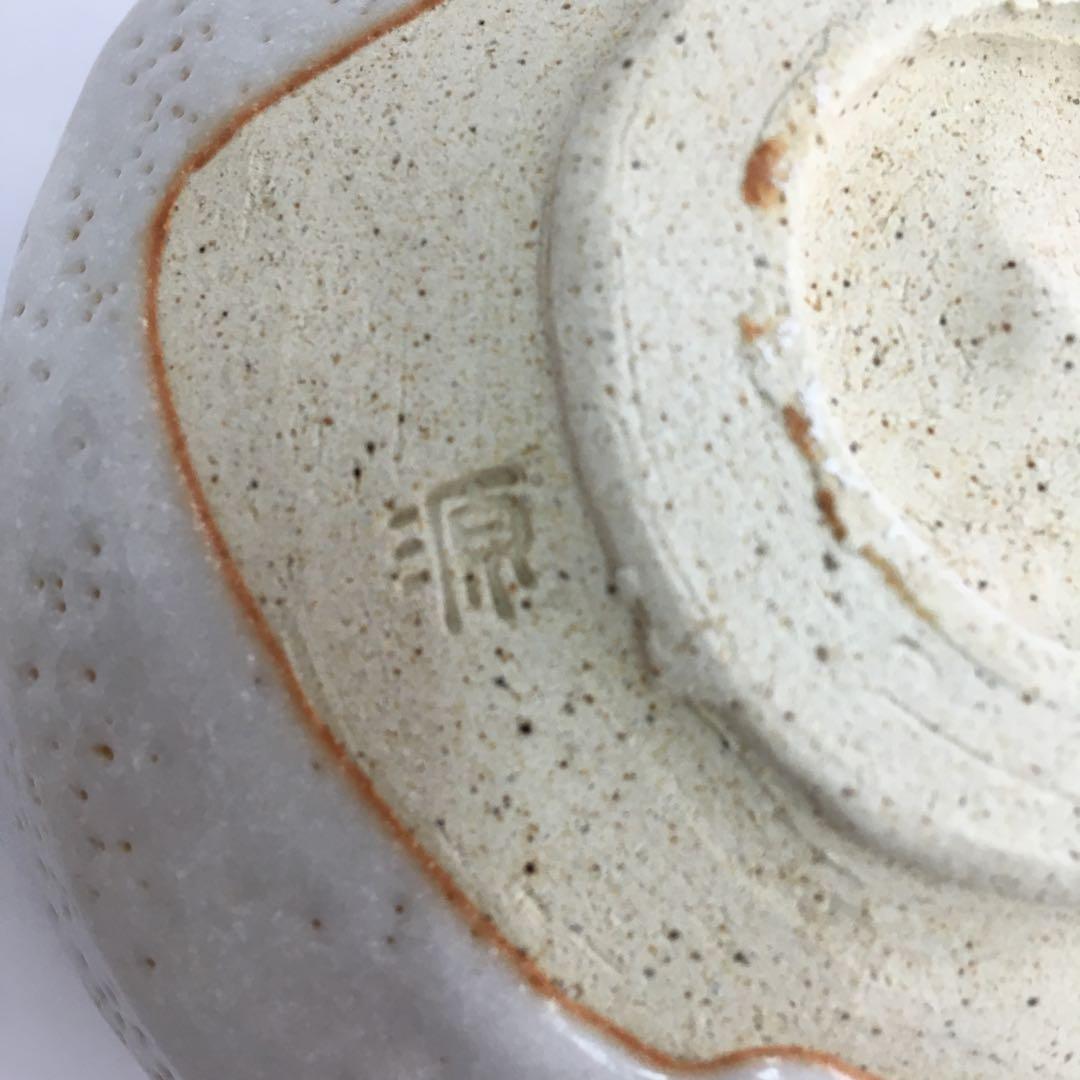
A shino chawan from Kikusen-gama. The outer surface carries a thick, crawled white glaze — the feldspathic skin characteristic of Mino shino — interrupted by warm iron-brown brushwork in loose, circular motifs that settle into the clay like brushstrokes absorbed mid-breath. The rim lifts unevenly, its edge amber where the glaze thins to reveal the body beneath. Inside, the well holds a faint celadon pooling, glassy and still.
🔹 [ BASIC DETAILS ]
• Artist / Kiln: Kikusen-gama (菊泉窯)
• Technique: Shino glaze (志野釉) with iron-oxide (benigara) brushwork
• Era: Contemporary (estimated post-2000)
• Origin: Mino tradition, Japan
• Dimensions: Height approx. 9 cm, Diameter approx. 12 cm
• Box: Original signed wooden box (共箱) included; box lid inscribed 「志野茶碗」with kiln seal
• Accompanying documents: Calligraphic certificate (authenticity paper) included
• Condition: Good overall; no chips, cracks, or repairs observed. Minor iron spotting on exterior consistent with the glaze character
🔹 [ CULTURAL & ARTISTIC INSIGHT ]
Shino is among the oldest and most distinctly Japanese glazed wares — born in the Mino kilns (present-day Gifu Prefecture) in the late Muromachi period, reaching its defining form under the aesthetic demands of the wabi tea tradition. Where Chinese and Korean ceramics prized smooth perfection, shino invited the irregular: crawling glaze, pin-hole pitting, the blush of hi-iro (fire-color) where clay met flame. Sen no Rikyu's tea circle transformed these qualities from accidents into virtues.
The iron brushwork on this bowl — gestural, unprogrammed — belongs to a lineage of painting-before-glazing that gave Mino potters a pictorial freedom unusual in tea ceramics. The motifs are not decorative in the conventional sense; they mark where the maker's attention was, briefly, and then released.
The interior celadon pool is a quieter register: the same glaze, but gathered and smoothed by gravity in the firing. A practitioner holding this bowl finds two surfaces — the textured exterior world, the still interior — contained in one form.
POETIC LINE: The white of shino is not absence — it is a field that has held everything and given it back.
🔹 [ DEEP-DIVE COMMENTARY ]
Shino (志野) is defined by its use of feldspar-heavy glaze — primarily composed of potassium feldspar (orthoclase) applied thickly, sometimes in multiple layers, over a clay body typically from the Mino region. In the kiln, the glaze melts slowly, then crawls as it contracts during cooling, producing the characteristic landscape of ridges, pits, and craters across the surface. The result reads as geological rather than manufactured.
The iron brushwork (tetsu-e) applied under the glaze before firing burns to a warm amber-brown through the white skin. At Kikusen-gama, this tradition is maintained with attention to spontaneity: marks made quickly on the unfired clay carry a softness at their edges that slower brushwork cannot replicate. The circular and oval forms visible on this chawan carry that looseness — present but unforced.
The shared box (共箱) bears the kiln's inscribed authentication. In the Japanese market for tea ceramics, the tomobako is not merely packaging — it is the object's identity document, linking form to maker without intermediary. Calligraphic certificates accompanying tea wares further extend this chain of provenance.
Kikusen-gama works within the continuity of Mino shino, a tradition that absorbed the aesthetics of wabi-cha (侘び茶) not as historical recreation but as a living orientation: that the uneven, the marked, the time-worn hold a presence that the polished cannot.
For collectors whose interest is in the ongoing conversation between Mino tradition and contemporary craft, this chawan occupies a considered position — neither museum reconstruction nor detached studio work, but a bowl made for use in the tea space.
[ JAPANESE DESCRIPTION / 日本語解説 ]
菊泉窯による志野茶碗。外壁には、美濃志野特有の長石釉が厚く掛けられ、冷却時の収縮によって生まれた景色——貫入、ピンホール、白肌の起伏——が碗全体を覆う。その白肌の上に、鉄絵具による円形・楕円形のモチーフが散在し、釉の下で息を吸い込んだような柔らかさで定着している。口縁は緩やかに揺れ、釉が薄くなるにつれて素地の温かな緋色が顔を覗かせる。内側の井戸には青みを帯びた釉薬がわずかに溜まり、静かな水面のような光沢を持つ。
【基本情報】
• 作家・窯:菊泉窯
• 技法:志野釉、鉄絵
• 時代:現代(2000年以降と推定)
• 産地:美濃系譜、日本
• 寸法:高さ約9cm、口径約12cm
• 箱:共箱付き(蓋表に「志野茶碗」の書き、窯印あり)
• 付属品:鑑定書(墨書による証書)付き
• 状態:良好。目立つ欠け・ヒビ・金継ぎなし。外壁の鉄点は釉景色の一部
【文化・美術的考察】
志野は、室町末期に美濃(現在の岐阜県)の窯場で生まれた、最も日本的な釉薬陶器のひとつである。中国・朝鮮の陶磁が滑らかな完璧さを理想としたのに対し、志野はその逆を選んだ——釉薬の縮れ、ピンホール、火色の滲み。千利休の侘び茶の美学は、これらを偶然の産物ではなく、意図された美として昇華させた。
この茶碗の鉄絵は、釉薬をかける前に素地に直接描かれる。その筆致は計算されたものではなく、作り手の注意が一瞬そこに向けられ、そして手が離れた痕跡である。
内側の青白い釉溜まりは、外壁とは別の顔を持つ。同じ釉薬が、重力に従って緩やかに流れ、静止した水面のように落ち着いている。茶を点てる者はこの碗を両手に持つとき、二つの世界——凹凸のある外の景色と、静謐な内の空間——を同時に手の中に受け取る。
詩的一文:志野の白は、空虚ではない——すべてを一度受け止め、そっと手放した場所の色である。
【深層解説】
志野釉は、主に正長石(カリ長石)を多量に含む釉薬を厚く掛け、美濃の特有の粘土質の素地に焼き付けることで生まれる。窯内での徐冷の過程で釉薬が縮み、表面に独特の景色が現れる。菊泉窯ではこの技法を現代に継承し、自発性を重視した鉄絵の伝統を守り続けている。素焼き前の素地に素速く引かれた筆跡は、ゆっくりと描かれた線には出せない柔らかさをその縁に宿す。
共箱は単なる梱包材ではなく、作品の身元証明書である。蓋表の書き付けと窯印は、作品と作り手を直接つなぐ証として機能する。付属の鑑定書もまた、その来歴の連鎖を補強する。
菊泉窯の仕事は、美濃志野の伝統を歴史的再現としてではなく、現在進行形の美学として扱う姿勢に貫かれている。侘び茶の価値観——不均一、偶発、時間の痕跡——を、博物館的な形式ではなく、茶席での使用に耐える生きた器として体現している。
🔹 [ SHIPPING & PACKAGING ]
• Dispatch: Within 1-6 business days
• Carrier: Japan Post EMS / UPS / FedEx (with tracking)
• Packaging: Carefully wrapped with protective materials
🔹 [ BASIC DETAILS ]
• Artist / Kiln: Kikusen-gama (菊泉窯)
• Technique: Shino glaze (志野釉) with iron-oxide (benigara) brushwork
• Era: Contemporary (estimated post-2000)
• Origin: Mino tradition, Japan
• Dimensions: Height approx. 9 cm, Diameter approx. 12 cm
• Box: Original signed wooden box (共箱) included; box lid inscribed 「志野茶碗」with kiln seal
• Accompanying documents: Calligraphic certificate (authenticity paper) included
• Condition: Good overall; no chips, cracks, or repairs observed. Minor iron spotting on exterior consistent with the glaze character
🔹 [ CULTURAL & ARTISTIC INSIGHT ]
Shino is among the oldest and most distinctly Japanese glazed wares — born in the Mino kilns (present-day Gifu Prefecture) in the late Muromachi period, reaching its defining form under the aesthetic demands of the wabi tea tradition. Where Chinese and Korean ceramics prized smooth perfection, shino invited the irregular: crawling glaze, pin-hole pitting, the blush of hi-iro (fire-color) where clay met flame. Sen no Rikyu's tea circle transformed these qualities from accidents into virtues.
The iron brushwork on this bowl — gestural, unprogrammed — belongs to a lineage of painting-before-glazing that gave Mino potters a pictorial freedom unusual in tea ceramics. The motifs are not decorative in the conventional sense; they mark where the maker's attention was, briefly, and then released.
The interior celadon pool is a quieter register: the same glaze, but gathered and smoothed by gravity in the firing. A practitioner holding this bowl finds two surfaces — the textured exterior world, the still interior — contained in one form.
POETIC LINE: The white of shino is not absence — it is a field that has held everything and given it back.
🔹 [ DEEP-DIVE COMMENTARY ]
Shino (志野) is defined by its use of feldspar-heavy glaze — primarily composed of potassium feldspar (orthoclase) applied thickly, sometimes in multiple layers, over a clay body typically from the Mino region. In the kiln, the glaze melts slowly, then crawls as it contracts during cooling, producing the characteristic landscape of ridges, pits, and craters across the surface. The result reads as geological rather than manufactured.
The iron brushwork (tetsu-e) applied under the glaze before firing burns to a warm amber-brown through the white skin. At Kikusen-gama, this tradition is maintained with attention to spontaneity: marks made quickly on the unfired clay carry a softness at their edges that slower brushwork cannot replicate. The circular and oval forms visible on this chawan carry that looseness — present but unforced.
The shared box (共箱) bears the kiln's inscribed authentication. In the Japanese market for tea ceramics, the tomobako is not merely packaging — it is the object's identity document, linking form to maker without intermediary. Calligraphic certificates accompanying tea wares further extend this chain of provenance.
Kikusen-gama works within the continuity of Mino shino, a tradition that absorbed the aesthetics of wabi-cha (侘び茶) not as historical recreation but as a living orientation: that the uneven, the marked, the time-worn hold a presence that the polished cannot.
For collectors whose interest is in the ongoing conversation between Mino tradition and contemporary craft, this chawan occupies a considered position — neither museum reconstruction nor detached studio work, but a bowl made for use in the tea space.
[ JAPANESE DESCRIPTION / 日本語解説 ]
菊泉窯による志野茶碗。外壁には、美濃志野特有の長石釉が厚く掛けられ、冷却時の収縮によって生まれた景色——貫入、ピンホール、白肌の起伏——が碗全体を覆う。その白肌の上に、鉄絵具による円形・楕円形のモチーフが散在し、釉の下で息を吸い込んだような柔らかさで定着している。口縁は緩やかに揺れ、釉が薄くなるにつれて素地の温かな緋色が顔を覗かせる。内側の井戸には青みを帯びた釉薬がわずかに溜まり、静かな水面のような光沢を持つ。
【基本情報】
• 作家・窯:菊泉窯
• 技法:志野釉、鉄絵
• 時代:現代(2000年以降と推定)
• 産地:美濃系譜、日本
• 寸法:高さ約9cm、口径約12cm
• 箱:共箱付き(蓋表に「志野茶碗」の書き、窯印あり)
• 付属品:鑑定書(墨書による証書)付き
• 状態:良好。目立つ欠け・ヒビ・金継ぎなし。外壁の鉄点は釉景色の一部
【文化・美術的考察】
志野は、室町末期に美濃(現在の岐阜県)の窯場で生まれた、最も日本的な釉薬陶器のひとつである。中国・朝鮮の陶磁が滑らかな完璧さを理想としたのに対し、志野はその逆を選んだ——釉薬の縮れ、ピンホール、火色の滲み。千利休の侘び茶の美学は、これらを偶然の産物ではなく、意図された美として昇華させた。
この茶碗の鉄絵は、釉薬をかける前に素地に直接描かれる。その筆致は計算されたものではなく、作り手の注意が一瞬そこに向けられ、そして手が離れた痕跡である。
内側の青白い釉溜まりは、外壁とは別の顔を持つ。同じ釉薬が、重力に従って緩やかに流れ、静止した水面のように落ち着いている。茶を点てる者はこの碗を両手に持つとき、二つの世界——凹凸のある外の景色と、静謐な内の空間——を同時に手の中に受け取る。
詩的一文:志野の白は、空虚ではない——すべてを一度受け止め、そっと手放した場所の色である。
【深層解説】
志野釉は、主に正長石(カリ長石)を多量に含む釉薬を厚く掛け、美濃の特有の粘土質の素地に焼き付けることで生まれる。窯内での徐冷の過程で釉薬が縮み、表面に独特の景色が現れる。菊泉窯ではこの技法を現代に継承し、自発性を重視した鉄絵の伝統を守り続けている。素焼き前の素地に素速く引かれた筆跡は、ゆっくりと描かれた線には出せない柔らかさをその縁に宿す。
共箱は単なる梱包材ではなく、作品の身元証明書である。蓋表の書き付けと窯印は、作品と作り手を直接つなぐ証として機能する。付属の鑑定書もまた、その来歴の連鎖を補強する。
菊泉窯の仕事は、美濃志野の伝統を歴史的再現としてではなく、現在進行形の美学として扱う姿勢に貫かれている。侘び茶の価値観——不均一、偶発、時間の痕跡——を、博物館的な形式ではなく、茶席での使用に耐える生きた器として体現している。
🔹 [ SHIPPING & PACKAGING ]
• Dispatch: Within 1-6 business days
• Carrier: Japan Post EMS / UPS / FedEx (with tracking)
• Packaging: Carefully wrapped with protective materials
Quantity
Couldn't load pickup availability
Low stock: 1 left
View full details