1
/
of
9
Shin Han-gyun Korean Kohiki Tea Bowl Iron Brush Chawan
Shin Han-gyun Korean Kohiki Tea Bowl Iron Brush Chawan
Regular price
Dhs. 545.00 AED
Regular price
Sale price
Dhs. 545.00 AED
Taxes included.
Shipping calculated at checkout.
A Korean Kohiki Tea Bowl by Shin Han-gyun (申翰均), this vessel carries the cultural weight of the Korean Slip-Dipped Chawan tradition. Featuring Iron Brush Decoration on a warm Sandy Beige Kohiki Glaze, this Korean Pottery Chawan represents the Buncheong Heritage of the Korean Peninsula — an Art Collector's piece for anyone who values Japanese Tea Ceremony accessories, Handmade Korean Ceramics, and the enduring presence of Korean Brush Painting on clay.
━━━━━━━━━━━━━━━━━━━━
🔹 [ BASIC DETAILS ]
• Artist: Shin Han-gyun (申翰均) — Korean potter specializing in kohiki (粉挽き / 粉引) technique
• Technique: Kohiki — white slip over dark clay body, with iron brush decoration (鉄絵)
• Era: 2010s
• Origin: Korea
• Dimensions: Diameter approx. 13 cm × Height approx. 8 cm (5.1" × 3.1")
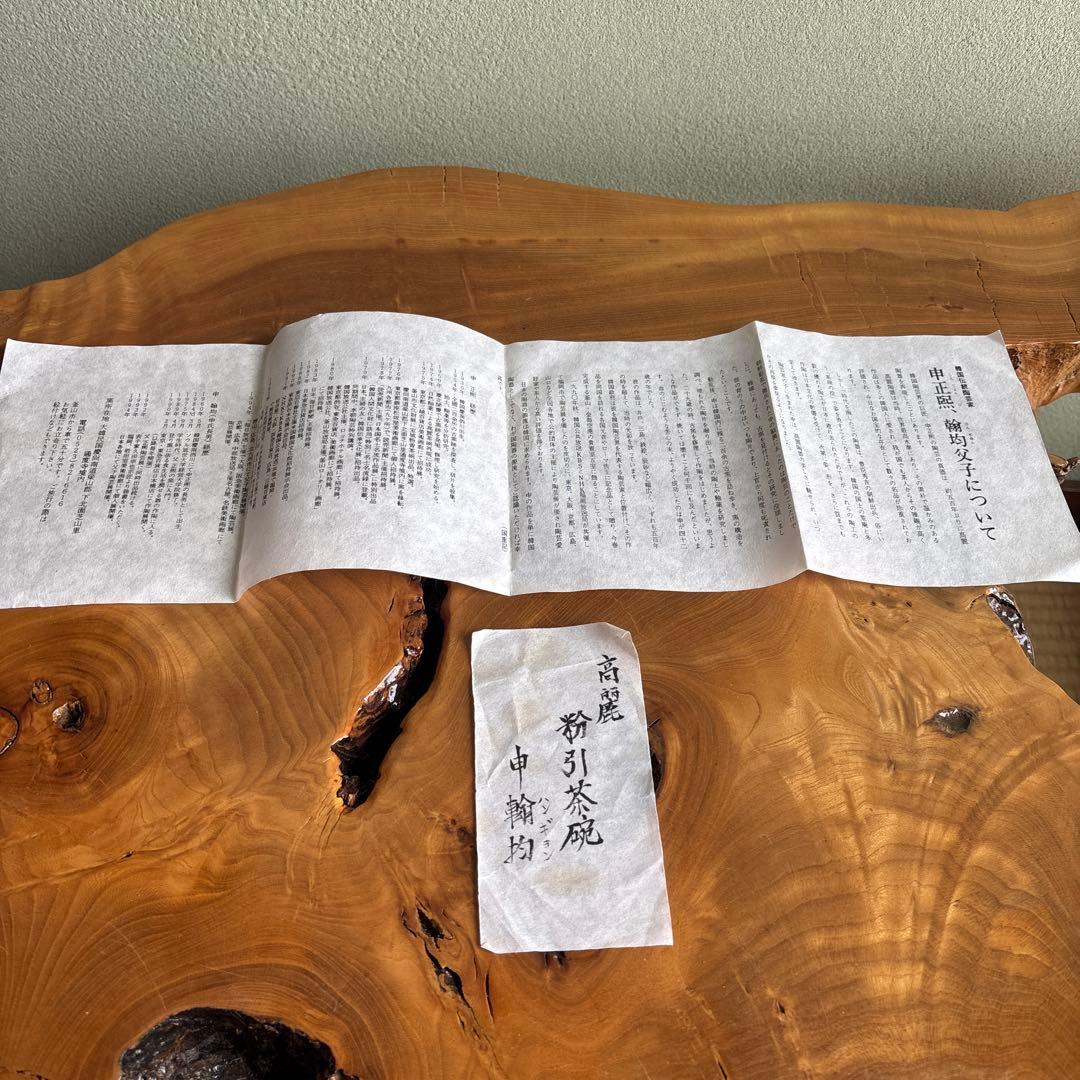
• Box: Signed wooden box inscribed '粉挽茶碗' with '申翰均' signature and red seal
• Condition: No cracks or chips. Fine crazing throughout the glaze — characteristic of kohiki ware.
━━━━━━━━━━━━━━━━━━━━
🔹 [ CULTURAL & ARTISTIC INSIGHT ]
Kohiki is not a surface treatment. It is an argument about the relationship between clay and the gesture that covers it. The potter dips or pours white slip over a vessel made from dark iron-rich clay, and in that moment of submersion, the entire character of the bowl is decided — how much of the dark body the slip conceals, where it pools and where it thins, where gravity pulls the white coating into runs that reveal the earth beneath.
Shin Han-gyun works within this Korean tradition that Japanese tea masters have revered since the Muromachi period, when Korean rice bowls were carried across the strait and placed in tokonoma alcoves as objects of profound aesthetic power. His kohiki glaze — warm, sandy, the color of unbleached linen left in afternoon light — wraps the bowl in a quietness that only slip-dipped ware possesses. The surface is neither fully white nor fully exposed. It exists in the space between concealment and revelation.
Across this pale field, Shin applies iron oxide with a loaded brush in swift, spontaneous strokes — abstract gestures that suggest landscape without illustrating it. The brushwork is fluid and unhesitating, each stroke completed in a single movement. This is not decoration added to a finished bowl. It is a conversation between two materials — white slip and dark iron — that began before the kiln and was resolved by fire.
*"The slip does not hide the clay. It translates it into a different silence."*
━━━━━━━━━━━━━━━━━━━━
🔹 [ DEEP-DIVE COMMENTARY ]
**Kohiki (粉挽き) — The Korean Slip Tradition**: The word kohiki derives from 粉を挽く — to grind powder — referring to the powdery, matte quality of the white slip surface. The technique originated on the Korean Peninsula during the Joseon dynasty as buncheong ware, where potters dipped stoneware vessels in white slip before applying celadon-type glazes. What Japanese tea practitioners recognized in these Korean bowls was an unself-conscious beauty — a surface that carried the evidence of its making without artifice. The slight irregularities of slip coverage, the places where dark clay shows through at the foot or along the rim, became the very qualities that defined wabi in ceramic form.
**Iron Brush Decoration (鉄絵)**: Shin's iron oxide brushwork occupies the threshold between calligraphy and painting. The strokes are too abstract to be writing, too intentional to be accident. They carry the energy of a brush loaded with dark iron slip and released across the white ground in gestures that recall the spontaneous ink painting (suiboku-ga) of Zen monasteries. Each mark is irreversible — the iron sinks into the soft slip surface immediately, and there is no correction. The courage required for this technique is the same courage required to serve tea: commitment to the single, unrepeatable moment.
**The Kodai (Foot Ring)**: The small foot ring exposes the dark clay body beneath the slip — the truth the rest of the bowl translates but does not conceal. In Korean and Japanese tea aesthetics, the kodai is the most scrutinized part of a chawan. It reveals the clay, the cutting technique, and the potter's relationship with the wheel. Here, the exposed iron-rich body serves as a reminder of what lies beneath the kohiki surface — dark earth made articulate by fire.
**Crazing as Character**: The fine crazing visible across the glaze is not a flaw but a defining characteristic of kohiki ware. As the bowl cools after firing, the glaze contracts at a slightly different rate than the clay body beneath, creating a web of hairline fractures that catch tea stain over years of use. A kohiki bowl that has been used for decades develops a patina — a deepening of the craze lines into amber and gold — that records the history of every bowl of tea it has held.
━━━━━━━━━━━━━━━━━━━━
🔹 [ 日本語解説 ]
【基本情報】
• 作家:申翰均(シン・ハンギュン)
• 技法:粉挽き(白化粧土掛け)、鉄絵
• 産地:韓国
• 時代:2010年代
• 寸法:口径約13cm × 高さ約8cm
• 付属:共箱(「粉挽茶碗」箱書き、「申翰均」署名・朱印)
• 状態:傷・欠けなし。釉薬全体に貫入あり(粉挽き特有の景色)
【解説】
韓国の陶芸家・申翰均作の粉挽き茶碗です。粉挽きは鉄分を含む暗色の素地に白化粧土を掛ける韓国伝来の技法で、李朝の粉青沙器(ブンチョンサギ)の系譜に連なります。室町時代以降、朝鮮半島から渡来した高麗茶碗は日本の茶人たちに深く愛され、その無作為の美は侘びの理念そのものとされました。
申翰均の粉挽きは温かみのある砂色の白——漂白していない麻布のような柔らかな白——が器全体を包み、その上に鉄釉による大胆な筆致が走ります。抽象的でありながら風景を想起させる筆致は、水墨画の即興性を陶器の上に移し替えたもので、一筆一筆が訂正不能な一回性の表現です。見込みから高台にかけて変化する白化粧の厚みと、鉄絵の力強い対比が、この茶碗の見どころです。高台部分に露出する鉄分の濃い素地が、白化粧の下に潜む大地の存在を静かに主張しています。共箱付き。
━━━━━━━━━━━━━━━━━━━━
🔹 [ SHIPPING & PACKAGING ]
• Dispatch: Within 1-6 business days
• Carrier: Japan Post EMS / UPS (with tracking)
• Packaging: Carefully wrapped with protective materials
*White slip over dark earth, iron brush across silence — a Korean potter's single gesture, held in place by fire.*
━━━━━━━━━━━━━━━━━━━━
🔹 [ BASIC DETAILS ]
• Artist: Shin Han-gyun (申翰均) — Korean potter specializing in kohiki (粉挽き / 粉引) technique
• Technique: Kohiki — white slip over dark clay body, with iron brush decoration (鉄絵)
• Era: 2010s
• Origin: Korea
• Dimensions: Diameter approx. 13 cm × Height approx. 8 cm (5.1" × 3.1")
• Box: Signed wooden box inscribed '粉挽茶碗' with '申翰均' signature and red seal
• Condition: No cracks or chips. Fine crazing throughout the glaze — characteristic of kohiki ware.
━━━━━━━━━━━━━━━━━━━━
🔹 [ CULTURAL & ARTISTIC INSIGHT ]
Kohiki is not a surface treatment. It is an argument about the relationship between clay and the gesture that covers it. The potter dips or pours white slip over a vessel made from dark iron-rich clay, and in that moment of submersion, the entire character of the bowl is decided — how much of the dark body the slip conceals, where it pools and where it thins, where gravity pulls the white coating into runs that reveal the earth beneath.
Shin Han-gyun works within this Korean tradition that Japanese tea masters have revered since the Muromachi period, when Korean rice bowls were carried across the strait and placed in tokonoma alcoves as objects of profound aesthetic power. His kohiki glaze — warm, sandy, the color of unbleached linen left in afternoon light — wraps the bowl in a quietness that only slip-dipped ware possesses. The surface is neither fully white nor fully exposed. It exists in the space between concealment and revelation.
Across this pale field, Shin applies iron oxide with a loaded brush in swift, spontaneous strokes — abstract gestures that suggest landscape without illustrating it. The brushwork is fluid and unhesitating, each stroke completed in a single movement. This is not decoration added to a finished bowl. It is a conversation between two materials — white slip and dark iron — that began before the kiln and was resolved by fire.
*"The slip does not hide the clay. It translates it into a different silence."*
━━━━━━━━━━━━━━━━━━━━
🔹 [ DEEP-DIVE COMMENTARY ]
**Kohiki (粉挽き) — The Korean Slip Tradition**: The word kohiki derives from 粉を挽く — to grind powder — referring to the powdery, matte quality of the white slip surface. The technique originated on the Korean Peninsula during the Joseon dynasty as buncheong ware, where potters dipped stoneware vessels in white slip before applying celadon-type glazes. What Japanese tea practitioners recognized in these Korean bowls was an unself-conscious beauty — a surface that carried the evidence of its making without artifice. The slight irregularities of slip coverage, the places where dark clay shows through at the foot or along the rim, became the very qualities that defined wabi in ceramic form.
**Iron Brush Decoration (鉄絵)**: Shin's iron oxide brushwork occupies the threshold between calligraphy and painting. The strokes are too abstract to be writing, too intentional to be accident. They carry the energy of a brush loaded with dark iron slip and released across the white ground in gestures that recall the spontaneous ink painting (suiboku-ga) of Zen monasteries. Each mark is irreversible — the iron sinks into the soft slip surface immediately, and there is no correction. The courage required for this technique is the same courage required to serve tea: commitment to the single, unrepeatable moment.
**The Kodai (Foot Ring)**: The small foot ring exposes the dark clay body beneath the slip — the truth the rest of the bowl translates but does not conceal. In Korean and Japanese tea aesthetics, the kodai is the most scrutinized part of a chawan. It reveals the clay, the cutting technique, and the potter's relationship with the wheel. Here, the exposed iron-rich body serves as a reminder of what lies beneath the kohiki surface — dark earth made articulate by fire.
**Crazing as Character**: The fine crazing visible across the glaze is not a flaw but a defining characteristic of kohiki ware. As the bowl cools after firing, the glaze contracts at a slightly different rate than the clay body beneath, creating a web of hairline fractures that catch tea stain over years of use. A kohiki bowl that has been used for decades develops a patina — a deepening of the craze lines into amber and gold — that records the history of every bowl of tea it has held.
━━━━━━━━━━━━━━━━━━━━
🔹 [ 日本語解説 ]
【基本情報】
• 作家:申翰均(シン・ハンギュン)
• 技法:粉挽き(白化粧土掛け)、鉄絵
• 産地:韓国
• 時代:2010年代
• 寸法:口径約13cm × 高さ約8cm
• 付属:共箱(「粉挽茶碗」箱書き、「申翰均」署名・朱印)
• 状態:傷・欠けなし。釉薬全体に貫入あり(粉挽き特有の景色)
【解説】
韓国の陶芸家・申翰均作の粉挽き茶碗です。粉挽きは鉄分を含む暗色の素地に白化粧土を掛ける韓国伝来の技法で、李朝の粉青沙器(ブンチョンサギ)の系譜に連なります。室町時代以降、朝鮮半島から渡来した高麗茶碗は日本の茶人たちに深く愛され、その無作為の美は侘びの理念そのものとされました。
申翰均の粉挽きは温かみのある砂色の白——漂白していない麻布のような柔らかな白——が器全体を包み、その上に鉄釉による大胆な筆致が走ります。抽象的でありながら風景を想起させる筆致は、水墨画の即興性を陶器の上に移し替えたもので、一筆一筆が訂正不能な一回性の表現です。見込みから高台にかけて変化する白化粧の厚みと、鉄絵の力強い対比が、この茶碗の見どころです。高台部分に露出する鉄分の濃い素地が、白化粧の下に潜む大地の存在を静かに主張しています。共箱付き。
━━━━━━━━━━━━━━━━━━━━
🔹 [ SHIPPING & PACKAGING ]
• Dispatch: Within 1-6 business days
• Carrier: Japan Post EMS / UPS (with tracking)
• Packaging: Carefully wrapped with protective materials
*White slip over dark earth, iron brush across silence — a Korean potter's single gesture, held in place by fire.*
Quantity
Couldn't load pickup availability
Out of stock
View full details