1
/
of
19
Shimizu Hiroshi Rakuzan Kiln Iro-e Camellia Tea Bowl Matsue Chawan
Shimizu Hiroshi Rakuzan Kiln Iro-e Camellia Tea Bowl Matsue Chawan
Regular price
Dhs. 774.00 AED
Regular price
Sale price
Dhs. 774.00 AED
Taxes included.
Shipping calculated at checkout.
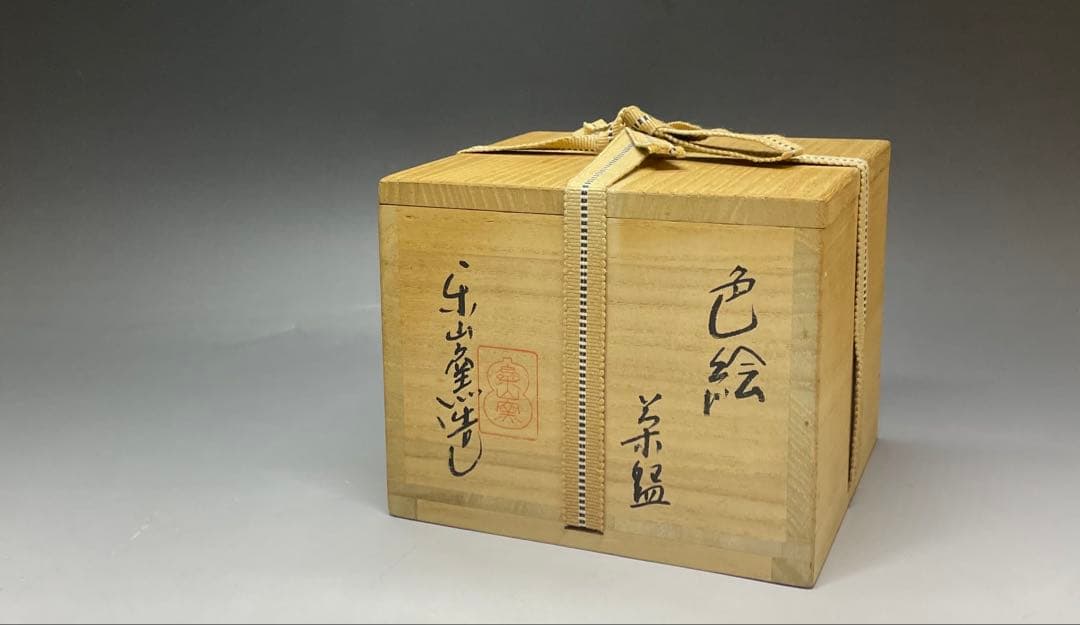
This Shimizu Hiroshi Bowl is a Rakuzan Kiln Chawan — an Iro-e Overglaze Bowl bearing a vivid Camellia Tsubaki motif from the Matsue Tea Ceramics tradition. A Polychrome Tea Bowl rendered in Japanese Stoneware, this Tea Ceremony Chawan embodies the Fumai Legacy of Shimane Pottery Art. A Rustic Japanese Bowl and Botanical Tea Bowl in the Wabi Sabi Ceramics spirit — accompanied by tomobako with kiln seal and leaflet.
━━━━━━━━━━━━━━━━━━━━
🔹 [ BASIC DETAILS ]
• Artist: Shimizu Hiroshi (清水日呂志)
• Kiln: Rakuzan-yō (楽山窯)
• Technique: Iro-e (色絵) — polychrome overglaze enamel on stoneware
• Era: Heisei–Reiwa period (contemporary)
• Origin: Matsue, Shimane Prefecture, Japan
• Dimensions: H 7.8 cm × D 11.0 cm, foot 5.5 cm (3.1" h × 4.3" dia)
• Box: Tomobako with "色絵 茶碗" inscription, 楽山窯 seal in red, leaflet (栞)
• Condition: Good — no significant damage
━━━━━━━━━━━━━━━━━━━━
🔹 [ CULTURAL & ARTISTIC INSIGHT ]
Rakuzan-yaki belongs to the San'in region's most distinguished ceramic tradition — a lineage born under the patronage of Matsudaira Fumai, the eighteenth-century daimyō of Matsue whose influence on Japanese tea culture remains profound. Fumai was not merely a collector but a systematizer, cataloguing tea utensils with a scholar's rigor and a connoisseur's eye. The kilns he supported, including Rakuzan, were expected to produce work that satisfied both aesthetic refinement and functional integrity within chanoyu.
Shimizu Hiroshi works within this inherited framework at the Rakuzan kiln, maintaining the tradition of polychrome overglaze painting on a distinctive stoneware body. The body itself is notable — a warm cream ground with visible granular inclusions that give the surface an organic, almost geological texture. This is not the smooth porcelain of urban kilns but earth that remembers its origins, carrying tiny speckled particles that catch light and create subtle visual depth.
The camellia (tsubaki) painted on the exterior is rendered with characteristic directness — a round red form anchored by green leaf and branch, its simplicity belying the confident brushwork required. In the tea world, the camellia carries layered associations: it is the very plant from which tea derives, and its winter bloom connects it to the furo season and the quiet endurance of the cold months. On this bowl, the motif appears as a single declaration — unhurried, unadorned, complete.
The cylindrical form with its generous proportions and slightly tapered walls follows the Matsue tradition of bowls designed for warmth and comfort in the hand. The wide foot ring provides stability, while the interior reveals a clean warm surface with a faint pinkish blush from the firing — evidence of the kiln's atmosphere preserved in the clay.
*"Where tea plant becomes tea vessel — the camellia closes a circle that needs no explanation."*
━━━━━━━━━━━━━━━━━━━━
🔹 [ DEEP-DIVE COMMENTARY ]
**Matsudaira Fumai's Legacy**: Fumai's compilation "Kokon Meibutsu Ruiju" (古今名物類聚) and his classification system for tea utensils shaped collecting culture for generations. His patronage of local kilns — Rakuzan, Fujina, and others — was not merely economic support but aesthetic direction, ensuring that Matsue's ceramic production achieved a level of sophistication commensurate with his vision. Shimizu Hiroshi inherits this standard directly.
**Rakuzan-yaki Character**: What distinguishes Rakuzan ware from other iro-e traditions is the stoneware body. Where Kyo-yaki often employs refined clay bodies as neutral grounds for decoration, Rakuzan's clay asserts itself — its texture, color, and inclusions become active participants in the visual composition. The iro-e painting must work with this rusticity rather than despite it, creating a dialogue between the earth's raw character and the painter's cultivated hand.
**Camellia (Tsubaki) in Chanoyu**: The Camellia japonica holds a unique position in tea culture as the botanical source of tea itself (Camellia sinensis being a close relative). Its appearance on tea bowls creates a reflexive symbolism — the vessel references its own contents. Beyond botany, the tsubaki's winter bloom and its habit of dropping whole flowers (rather than scattering petals) give it associations with both resilience and the transient beauty central to wabi-sabi sensibility.
**Regional Identity**: Matsue remains one of Japan's most important tea cities, with a per-capita consumption of wagashi (tea sweets) that consistently ranks among the nation's highest. The Rakuzan kiln's continued production of tea ceremony ceramics reflects not a nostalgic enterprise but a living practice — these bowls are made for hands that use them daily.
━━━━━━━━━━━━━━━━━━━━
🔹 [ 日本語解説 ]
【基本情報】
• 作家:清水日呂志
• 窯:楽山窯
• 技法:色絵(上絵付)
• 時代:平成〜令和(現代)
• 産地:島根県松江市
• 寸法:口径約11.0cm × 高さ約7.8cm × 高台径5.5cm
• 付属:共箱(「色絵 茶碗」銘・楽山窯朱印)・栞
• 状態:良好
【解説】
楽山窯・清水日呂志による色絵茶碗。温かみのある粗めの素地に、椿と思しき赤い果実ないし花と緑の葉枝が鮮やかに描かれている。素地には細かな粒子が散見され、土味のある風合いが楽山焼ならではの個性を伝える。
楽山窯は江戸時代、松平不昧公の庇護のもと発展した松江の名窯である。不昧公は大名茶人として茶道具の鑑識に優れ、その審美眼は楽山・布志名といった地元窯の品格を高めた。清水日呂志はその伝統を受け継ぎ、色絵の技法で現代に楽山焼を伝えている。
筒形のゆったりとしたフォルムは、松江の茶文化に根ざした手に温もりを伝える造形。内側にはわずかに桃色がかった窯変の表情が見え、釉薬と炎の対話の痕跡を留めている。松江は日本有数の茶の湯の街であり、この茶碗は博物館の展示品ではなく、日々の一服のために生まれた道具である。
━━━━━━━━━━━━━━━━━━━━
🔹 [ SHIPPING & PACKAGING ]
• Dispatch: Within 1-6 business days
• Carrier: Japan Post EMS / UPS (with tracking)
• Packaging: Carefully wrapped with protective materials
━━━━━━━━━━━━━━━━━━━━
🔹 [ BASIC DETAILS ]
• Artist: Shimizu Hiroshi (清水日呂志)
• Kiln: Rakuzan-yō (楽山窯)
• Technique: Iro-e (色絵) — polychrome overglaze enamel on stoneware
• Era: Heisei–Reiwa period (contemporary)
• Origin: Matsue, Shimane Prefecture, Japan
• Dimensions: H 7.8 cm × D 11.0 cm, foot 5.5 cm (3.1" h × 4.3" dia)
• Box: Tomobako with "色絵 茶碗" inscription, 楽山窯 seal in red, leaflet (栞)
• Condition: Good — no significant damage
━━━━━━━━━━━━━━━━━━━━
🔹 [ CULTURAL & ARTISTIC INSIGHT ]
Rakuzan-yaki belongs to the San'in region's most distinguished ceramic tradition — a lineage born under the patronage of Matsudaira Fumai, the eighteenth-century daimyō of Matsue whose influence on Japanese tea culture remains profound. Fumai was not merely a collector but a systematizer, cataloguing tea utensils with a scholar's rigor and a connoisseur's eye. The kilns he supported, including Rakuzan, were expected to produce work that satisfied both aesthetic refinement and functional integrity within chanoyu.
Shimizu Hiroshi works within this inherited framework at the Rakuzan kiln, maintaining the tradition of polychrome overglaze painting on a distinctive stoneware body. The body itself is notable — a warm cream ground with visible granular inclusions that give the surface an organic, almost geological texture. This is not the smooth porcelain of urban kilns but earth that remembers its origins, carrying tiny speckled particles that catch light and create subtle visual depth.
The camellia (tsubaki) painted on the exterior is rendered with characteristic directness — a round red form anchored by green leaf and branch, its simplicity belying the confident brushwork required. In the tea world, the camellia carries layered associations: it is the very plant from which tea derives, and its winter bloom connects it to the furo season and the quiet endurance of the cold months. On this bowl, the motif appears as a single declaration — unhurried, unadorned, complete.
The cylindrical form with its generous proportions and slightly tapered walls follows the Matsue tradition of bowls designed for warmth and comfort in the hand. The wide foot ring provides stability, while the interior reveals a clean warm surface with a faint pinkish blush from the firing — evidence of the kiln's atmosphere preserved in the clay.
*"Where tea plant becomes tea vessel — the camellia closes a circle that needs no explanation."*
━━━━━━━━━━━━━━━━━━━━
🔹 [ DEEP-DIVE COMMENTARY ]
**Matsudaira Fumai's Legacy**: Fumai's compilation "Kokon Meibutsu Ruiju" (古今名物類聚) and his classification system for tea utensils shaped collecting culture for generations. His patronage of local kilns — Rakuzan, Fujina, and others — was not merely economic support but aesthetic direction, ensuring that Matsue's ceramic production achieved a level of sophistication commensurate with his vision. Shimizu Hiroshi inherits this standard directly.
**Rakuzan-yaki Character**: What distinguishes Rakuzan ware from other iro-e traditions is the stoneware body. Where Kyo-yaki often employs refined clay bodies as neutral grounds for decoration, Rakuzan's clay asserts itself — its texture, color, and inclusions become active participants in the visual composition. The iro-e painting must work with this rusticity rather than despite it, creating a dialogue between the earth's raw character and the painter's cultivated hand.
**Camellia (Tsubaki) in Chanoyu**: The Camellia japonica holds a unique position in tea culture as the botanical source of tea itself (Camellia sinensis being a close relative). Its appearance on tea bowls creates a reflexive symbolism — the vessel references its own contents. Beyond botany, the tsubaki's winter bloom and its habit of dropping whole flowers (rather than scattering petals) give it associations with both resilience and the transient beauty central to wabi-sabi sensibility.
**Regional Identity**: Matsue remains one of Japan's most important tea cities, with a per-capita consumption of wagashi (tea sweets) that consistently ranks among the nation's highest. The Rakuzan kiln's continued production of tea ceremony ceramics reflects not a nostalgic enterprise but a living practice — these bowls are made for hands that use them daily.
━━━━━━━━━━━━━━━━━━━━
🔹 [ 日本語解説 ]
【基本情報】
• 作家:清水日呂志
• 窯:楽山窯
• 技法:色絵(上絵付)
• 時代:平成〜令和(現代)
• 産地:島根県松江市
• 寸法:口径約11.0cm × 高さ約7.8cm × 高台径5.5cm
• 付属:共箱(「色絵 茶碗」銘・楽山窯朱印)・栞
• 状態:良好
【解説】
楽山窯・清水日呂志による色絵茶碗。温かみのある粗めの素地に、椿と思しき赤い果実ないし花と緑の葉枝が鮮やかに描かれている。素地には細かな粒子が散見され、土味のある風合いが楽山焼ならではの個性を伝える。
楽山窯は江戸時代、松平不昧公の庇護のもと発展した松江の名窯である。不昧公は大名茶人として茶道具の鑑識に優れ、その審美眼は楽山・布志名といった地元窯の品格を高めた。清水日呂志はその伝統を受け継ぎ、色絵の技法で現代に楽山焼を伝えている。
筒形のゆったりとしたフォルムは、松江の茶文化に根ざした手に温もりを伝える造形。内側にはわずかに桃色がかった窯変の表情が見え、釉薬と炎の対話の痕跡を留めている。松江は日本有数の茶の湯の街であり、この茶碗は博物館の展示品ではなく、日々の一服のために生まれた道具である。
━━━━━━━━━━━━━━━━━━━━
🔹 [ SHIPPING & PACKAGING ]
• Dispatch: Within 1-6 business days
• Carrier: Japan Post EMS / UPS (with tracking)
• Packaging: Carefully wrapped with protective materials
Quantity
Couldn't load pickup availability
Low stock: 1 left
View full details