1
/
of
11
Shibuya Deishi Hagi Ware Chawan - Seven Transformations Tea Bowl with Signed Box
Shibuya Deishi Hagi Ware Chawan - Seven Transformations Tea Bowl with Signed Box
Regular price
Dhs. 873.00 AED
Regular price
Sale price
Dhs. 873.00 AED
Taxes included.
Shipping calculated at checkout.
Experience authentic Japanese ceramic tradition with this Hagi Ware Crackle Chawan. This Shibuya Deishi Tea Bowl serves as a Japanese Matcha Bowl and Living Pottery Art, featuring Seven Transformations Glaze and Yamaguchi Craft Heritage—a must-have for any Art Collector seeking Wabi Sabi Ceramics and authentic Signed Hagi Artist Ware.
━━━━━━━━━━━━━━━━━━━━
🔹 [ BASIC DETAILS ]
• Artist: Shibuya Deishi (渋谷泥詩)
• Technique: Hagi ware (萩焼) with characteristic kannyu crackle glaze
• Era: Contemporary (Heisei-Reiwa period)
• Origin: Hagi, Yamaguchi Prefecture, Japan
• Dimensions: Diameter approx. 12.5 cm × Height approx. 9.5 cm (4.9" × 3.7")
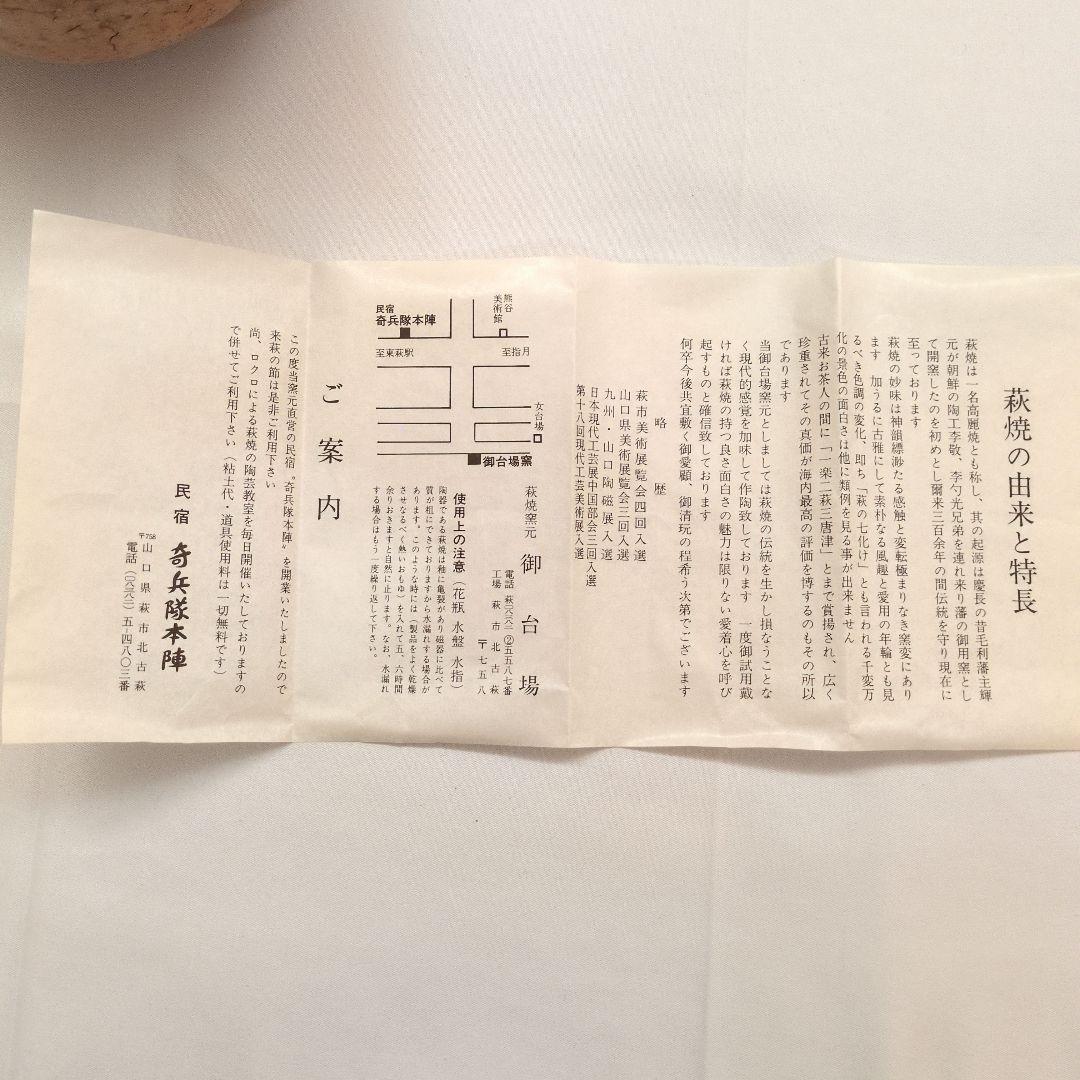
• Box: Tomobako with artist signature and seal; includes Hagi ware documentation
• Condition: Excellent – no cracks, chips, or repairs
━━━━━━━━━━━━━━━━━━━━
🔹 [ CULTURAL & ARTISTIC INSIGHT ]
This beautifully crafted chawan by Shibuya Deishi showcases the refined aesthetic that has made Hagi one of Japan's most treasured pottery traditions. The bowl displays Hagi's characteristic warm brown glaze with the distinctive crackle pattern (kannyu) that will develop and deepen over years of use—creating the famous "Hagi no nanabake" (七化け/seven transformations).
The saying "First Raku, second Hagi, third Karatsu" (一楽、二萩、三唐津) places Hagi ware among the most honored ceramics for tea ceremony. The soft, porous clay body gradually absorbs tea, darkening and enriching its appearance with each use, making Hagi pieces uniquely personal to their owners.
*"In the crackle's web, time writes its patient poetry—each cup of tea a brushstroke in the bowl's becoming."*
━━━━━━━━━━━━━━━━━━━━
🔹 [ DEEP-DIVE COMMENTARY ]
**The Hagi Tradition**: Hagi ware originated in the early Edo period when Korean potter brothers established kilns under the patronage of the Mori clan. The tradition has flourished for over 400 years, and Hagi remains one of Japan's most celebrated pottery centers, designated as a traditional craft.
**Seven Transformations**: Hagi's porous body and crazing glaze allow tea to gradually penetrate the surface, creating subtle color changes over decades of use. This "living" quality means each Hagi piece tells the story of its owner's tea practice—a physical record of contemplative moments accumulated over time.
**Material Excellence**: Shibuya Deishi works with traditional Hagi materials including the distinctive local clays. The rough, crawling texture of the glaze surface provides excellent grip while the warm coloring creates harmony with the green of whisked matcha.
**Contemporary Master**: Shibuya Deishi represents the continuation of Hagi's artistic legacy into the modern era. His work balances respect for traditional techniques with personal artistic expression, creating pieces that honor the past while speaking to contemporary sensibilities.
━━━━━━━━━━━━━━━━━━━━
🔹 [ 日本語解説 ]
【基本情報】
• 作家:渋谷泥詩
• 技法:萩焼、貫入釉
• 時代:平成〜令和
• 産地:山口県萩
• 寸法:直径約12.5cm × 高さ約9.5cm
• 付属:共箱(印あり)、萩焼の由来と特長の説明書
• 状態:良好(ヒビ・カケなし)
【解説】
「一楽、二萩、三唐津」と称されるように、萩焼は茶道において最も尊ばれる茶陶の一つです。本作は渋谷泥詩による萩茶碗で、温かみのある茶褐色の釉薬と特徴的な貫入(かんにゅう)が見られます。
萩焼の最大の魅力は「萩の七化け」と呼ばれる経年変化です。吸水性のある素地と貫入を通じて茶が浸透し、使い込むほどに色合いが深まっていきます。使う人の茶の湯の歴史が器に刻まれていく——萩焼ならではの「育てる器」の愉しみをお楽しみください。
━━━━━━━━━━━━━━━━━━━━
🔹 [ SHIPPING & PACKAGING ]
• Dispatch: Within 1-6 business days
• Carrier: Japan Post EMS / UPS (with tracking)
• Packaging: Carefully wrapped with protective materials
━━━━━━━━━━━━━━━━━━━━
🔹 [ BASIC DETAILS ]
• Artist: Shibuya Deishi (渋谷泥詩)
• Technique: Hagi ware (萩焼) with characteristic kannyu crackle glaze
• Era: Contemporary (Heisei-Reiwa period)
• Origin: Hagi, Yamaguchi Prefecture, Japan
• Dimensions: Diameter approx. 12.5 cm × Height approx. 9.5 cm (4.9" × 3.7")
• Box: Tomobako with artist signature and seal; includes Hagi ware documentation
• Condition: Excellent – no cracks, chips, or repairs
━━━━━━━━━━━━━━━━━━━━
🔹 [ CULTURAL & ARTISTIC INSIGHT ]
This beautifully crafted chawan by Shibuya Deishi showcases the refined aesthetic that has made Hagi one of Japan's most treasured pottery traditions. The bowl displays Hagi's characteristic warm brown glaze with the distinctive crackle pattern (kannyu) that will develop and deepen over years of use—creating the famous "Hagi no nanabake" (七化け/seven transformations).
The saying "First Raku, second Hagi, third Karatsu" (一楽、二萩、三唐津) places Hagi ware among the most honored ceramics for tea ceremony. The soft, porous clay body gradually absorbs tea, darkening and enriching its appearance with each use, making Hagi pieces uniquely personal to their owners.
*"In the crackle's web, time writes its patient poetry—each cup of tea a brushstroke in the bowl's becoming."*
━━━━━━━━━━━━━━━━━━━━
🔹 [ DEEP-DIVE COMMENTARY ]
**The Hagi Tradition**: Hagi ware originated in the early Edo period when Korean potter brothers established kilns under the patronage of the Mori clan. The tradition has flourished for over 400 years, and Hagi remains one of Japan's most celebrated pottery centers, designated as a traditional craft.
**Seven Transformations**: Hagi's porous body and crazing glaze allow tea to gradually penetrate the surface, creating subtle color changes over decades of use. This "living" quality means each Hagi piece tells the story of its owner's tea practice—a physical record of contemplative moments accumulated over time.
**Material Excellence**: Shibuya Deishi works with traditional Hagi materials including the distinctive local clays. The rough, crawling texture of the glaze surface provides excellent grip while the warm coloring creates harmony with the green of whisked matcha.
**Contemporary Master**: Shibuya Deishi represents the continuation of Hagi's artistic legacy into the modern era. His work balances respect for traditional techniques with personal artistic expression, creating pieces that honor the past while speaking to contemporary sensibilities.
━━━━━━━━━━━━━━━━━━━━
🔹 [ 日本語解説 ]
【基本情報】
• 作家:渋谷泥詩
• 技法:萩焼、貫入釉
• 時代:平成〜令和
• 産地:山口県萩
• 寸法:直径約12.5cm × 高さ約9.5cm
• 付属:共箱(印あり)、萩焼の由来と特長の説明書
• 状態:良好(ヒビ・カケなし)
【解説】
「一楽、二萩、三唐津」と称されるように、萩焼は茶道において最も尊ばれる茶陶の一つです。本作は渋谷泥詩による萩茶碗で、温かみのある茶褐色の釉薬と特徴的な貫入(かんにゅう)が見られます。
萩焼の最大の魅力は「萩の七化け」と呼ばれる経年変化です。吸水性のある素地と貫入を通じて茶が浸透し、使い込むほどに色合いが深まっていきます。使う人の茶の湯の歴史が器に刻まれていく——萩焼ならではの「育てる器」の愉しみをお楽しみください。
━━━━━━━━━━━━━━━━━━━━
🔹 [ SHIPPING & PACKAGING ]
• Dispatch: Within 1-6 business days
• Carrier: Japan Post EMS / UPS (with tracking)
• Packaging: Carefully wrapped with protective materials
Quantity
Couldn't load pickup availability
Out of stock
View full details