1
/
of
16
Satsuma Ware Cherry Blossom Kogo Incense Container - Shimazu Kiln
Satsuma Ware Cherry Blossom Kogo Incense Container - Shimazu Kiln
Regular price
Dhs. 719.00 AED
Regular price
Sale price
Dhs. 719.00 AED
Taxes included.
Shipping calculated at checkout.
Experience authentic Japanese tea culture with this Satsuma Ware Kogo — a Cherry Blossom Incense container carrying the lineage of the Shimazu Kiln tradition. This Satsuma Crackle Glaze piece presents delicate Sakura Painted Ceramic artistry across its lid and sides, rendered in pink, white, and gold overglaze enamel. A refined Japanese Incense Box and a distinguished Chado Kogo Accessory, it serves collectors of Japanese Ceramic Art and practitioners seeking a seasonal Spring Tea Ceremony piece. An evocative Zen Incense Container and a meaningful Japanese Art Gift, this kogo holds the cultural weight of Satsuma's centuries-old Kagoshima Pottery heritage.
━━━━━━━━━━━━━━━━━━━━
🔹 [ BASIC DETAILS ]
• Artist: Signed Takashi (隆) with Shimazu family seals (島津家)
• Technique: Satsuma ware with overglaze enamel painting
• Era: Contemporary
• Origin: Kagoshima (Satsuma), Japan
• Dimensions: H 3.5 cm × D 7.6 cm
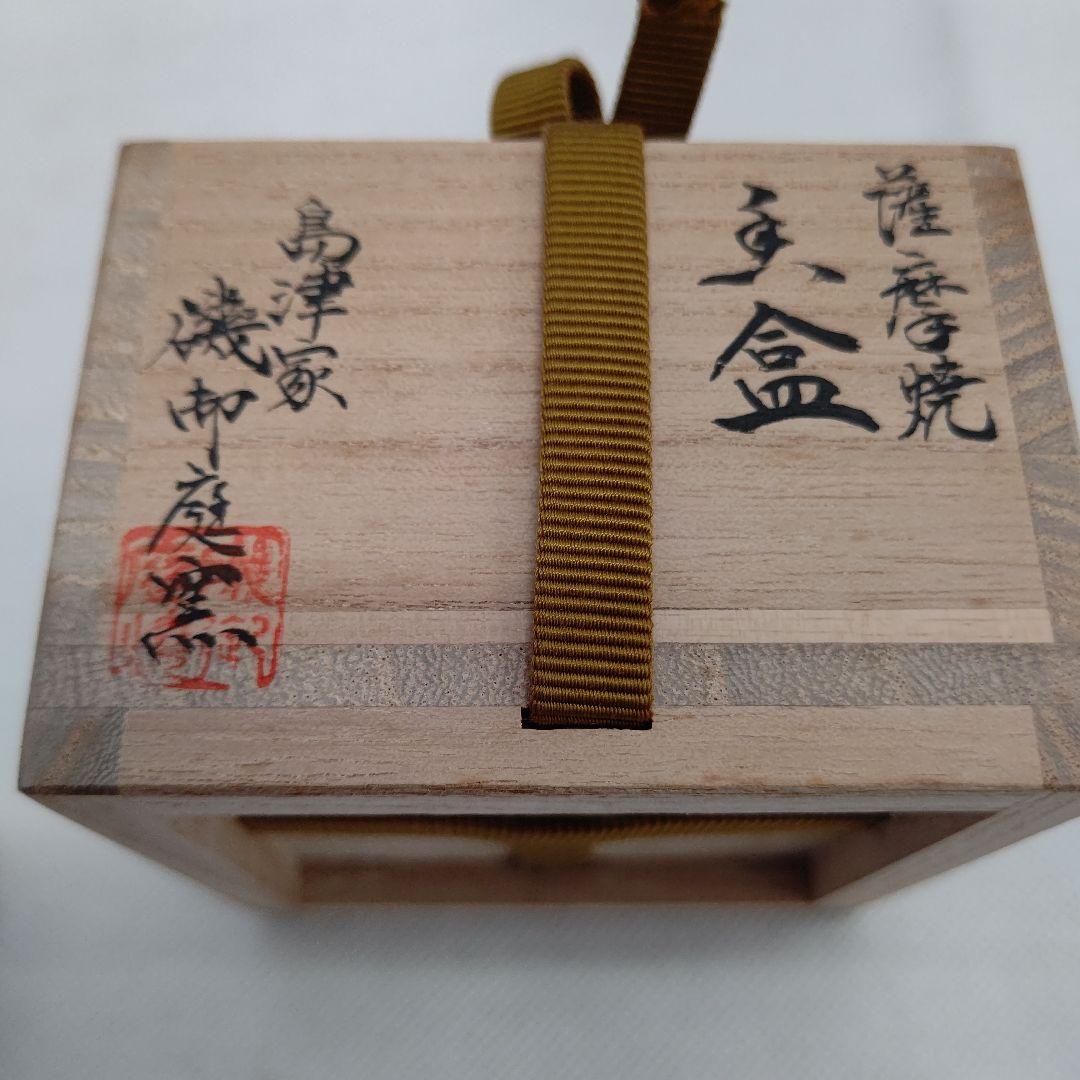
• Box: Wooden storage box with inscription "薩摩焼 香合" and "桜文"; two red seals
• Condition: Excellent — no damage, very clean
━━━━━━━━━━━━━━━━━━━━
🔹 [ CULTURAL & ARTISTIC INSIGHT ]
Satsuma ware traces its origins to the late sixteenth century, when Korean potters brought to Kagoshima by the Shimazu clan established kilns that would become one of Japan's most celebrated ceramic traditions. The characteristic warm cream body and fine crackle glaze — known as kannyu (貫入) — are the signatures of Satsuma's refined lineage, a visual language that has remained remarkably consistent across four centuries of production.
This kogo presents sakura-mon — the cherry blossom motif — in soft pink and white with gold outlines, scattered across the lid and cascading down the sides. The falling petals, rendered with a light touch, evoke the fleeting beauty of hanami season. In the tea ceremony, a kogo decorated with cherry blossoms would be brought out during spring gatherings, signaling the host's attentiveness to the passage of the season.
The Shimazu family seals on the storage box connect this piece to the founding lineage of Satsuma ceramics. While contemporary in execution, it carries forward a tradition that began when the Shimazu lords of Satsuma patronized the Korean potters who established this distinctive ware.
*"Petals fall where clay remembers — four centuries of stillness in a crackled glaze."*
━━━━━━━━━━━━━━━━━━━━
🔹 [ DEEP-DIVE COMMENTARY ]
**Satsuma Ware Heritage**: Satsuma ware divides broadly into two traditions: shiro-satsuma (white Satsuma), characterized by the cream-colored body and crackle glaze seen here, and kuro-satsuma (black Satsuma), a more robust utilitarian ware. Shiro-satsuma was historically the refined production associated with the Shimazu court, used for tea utensils and presentation pieces. The fine network of crackle lines in the glaze — kannyu — is not a defect but a prized aesthetic feature, celebrated for the way it suggests the passage of time even in a new piece.
**Kogo in the Tea Ceremony**: The kogo (香合) serves a specific role in temae: it holds the small pieces of incense (koh) that are placed on the charcoal during the preparation of the hearth. In the furo season (May–October), ceramic kogo are traditionally used, while lacquer kogo are preferred during the ro season (November–April). A cherry blossom kogo would be most appropriate for April gatherings, when the blossoms themselves are present or just departing.
**Sakura-Mon Iconography**: Cherry blossoms in Japanese art carry a particular philosophical weight rooted in the Buddhist concept of mono no aware — the bittersweet awareness of impermanence. Unlike plum blossoms, which symbolize perseverance, cherry blossoms represent the beauty of things that do not last. On a kogo — an object that holds incense destined to become smoke — this resonance is doubled: container and contents alike speak to transience.
**Shimazu Kiln Lineage**: The presence of the 島津家 (Shimazu family) seal indicates a connection to the historic kiln lineage established under Shimazu patronage. The artist signature 隆 (Takashi) with accompanying seals suggests a recognized practitioner working within this tradition. The box inscription and seal format follow the conventions of authenticated Satsuma production.
━━━━━━━━━━━━━━━━━━━━
🔹 [ 日本語解説 ]
【基本情報】
• 作家:隆(島津家印)
• 技法:薩摩焼・上絵付
• 時代:現代
• 産地:鹿児島(薩摩)、日本
• 寸法:高さ 3.5 cm × 径 7.6 cm
• 付属:木箱(箱書「薩摩焼 香合」「桜文」、朱印二顆:島津家印・作家印)
• 状態:良好 — 傷なし、非常に清浄
【解説】
薩摩焼は十六世紀末、島津氏が朝鮮から連れ帰った陶工たちに始まる鹿児島の誇る陶芸の伝統です。本作は白薩摩の特徴である温かみのあるクリーム色の素地と貫入釉を備え、蓋から側面にかけて桜文が繊細な上絵付で描かれています。
散りゆく花弁は春の儚さを映し、茶の湯においては四月の席に最もふさわしい取り合わせです。香合は風炉の季節にはやきもの、炉の季節には漆器を用いるのが約束ですが、桜文の意匠はまさに春の一瞬を器の上に留めたものと言えます。
箱には「島津家」の朱印と作家印が押され、薩摩焼の正統な系譜に連なる作品であることが示されています。貫入の網目は経年ではなく、白薩摩に固有の美的特質として愛されてきたものです。
━━━━━━━━━━━━━━━━━━━━
🔹 [ SHIPPING & PACKAGING ]
• Dispatch: Within 1-6 business days
• Carrier: Japan Post EMS / UPS (with tracking)
• Packaging: Carefully wrapped with protective materials
*Incense becomes smoke. Petals become memory. The crackled glaze holds what neither could.*
━━━━━━━━━━━━━━━━━━━━
🔹 [ BASIC DETAILS ]
• Artist: Signed Takashi (隆) with Shimazu family seals (島津家)
• Technique: Satsuma ware with overglaze enamel painting
• Era: Contemporary
• Origin: Kagoshima (Satsuma), Japan
• Dimensions: H 3.5 cm × D 7.6 cm
• Box: Wooden storage box with inscription "薩摩焼 香合" and "桜文"; two red seals
• Condition: Excellent — no damage, very clean
━━━━━━━━━━━━━━━━━━━━
🔹 [ CULTURAL & ARTISTIC INSIGHT ]
Satsuma ware traces its origins to the late sixteenth century, when Korean potters brought to Kagoshima by the Shimazu clan established kilns that would become one of Japan's most celebrated ceramic traditions. The characteristic warm cream body and fine crackle glaze — known as kannyu (貫入) — are the signatures of Satsuma's refined lineage, a visual language that has remained remarkably consistent across four centuries of production.
This kogo presents sakura-mon — the cherry blossom motif — in soft pink and white with gold outlines, scattered across the lid and cascading down the sides. The falling petals, rendered with a light touch, evoke the fleeting beauty of hanami season. In the tea ceremony, a kogo decorated with cherry blossoms would be brought out during spring gatherings, signaling the host's attentiveness to the passage of the season.
The Shimazu family seals on the storage box connect this piece to the founding lineage of Satsuma ceramics. While contemporary in execution, it carries forward a tradition that began when the Shimazu lords of Satsuma patronized the Korean potters who established this distinctive ware.
*"Petals fall where clay remembers — four centuries of stillness in a crackled glaze."*
━━━━━━━━━━━━━━━━━━━━
🔹 [ DEEP-DIVE COMMENTARY ]
**Satsuma Ware Heritage**: Satsuma ware divides broadly into two traditions: shiro-satsuma (white Satsuma), characterized by the cream-colored body and crackle glaze seen here, and kuro-satsuma (black Satsuma), a more robust utilitarian ware. Shiro-satsuma was historically the refined production associated with the Shimazu court, used for tea utensils and presentation pieces. The fine network of crackle lines in the glaze — kannyu — is not a defect but a prized aesthetic feature, celebrated for the way it suggests the passage of time even in a new piece.
**Kogo in the Tea Ceremony**: The kogo (香合) serves a specific role in temae: it holds the small pieces of incense (koh) that are placed on the charcoal during the preparation of the hearth. In the furo season (May–October), ceramic kogo are traditionally used, while lacquer kogo are preferred during the ro season (November–April). A cherry blossom kogo would be most appropriate for April gatherings, when the blossoms themselves are present or just departing.
**Sakura-Mon Iconography**: Cherry blossoms in Japanese art carry a particular philosophical weight rooted in the Buddhist concept of mono no aware — the bittersweet awareness of impermanence. Unlike plum blossoms, which symbolize perseverance, cherry blossoms represent the beauty of things that do not last. On a kogo — an object that holds incense destined to become smoke — this resonance is doubled: container and contents alike speak to transience.
**Shimazu Kiln Lineage**: The presence of the 島津家 (Shimazu family) seal indicates a connection to the historic kiln lineage established under Shimazu patronage. The artist signature 隆 (Takashi) with accompanying seals suggests a recognized practitioner working within this tradition. The box inscription and seal format follow the conventions of authenticated Satsuma production.
━━━━━━━━━━━━━━━━━━━━
🔹 [ 日本語解説 ]
【基本情報】
• 作家:隆(島津家印)
• 技法:薩摩焼・上絵付
• 時代:現代
• 産地:鹿児島(薩摩)、日本
• 寸法:高さ 3.5 cm × 径 7.6 cm
• 付属:木箱(箱書「薩摩焼 香合」「桜文」、朱印二顆:島津家印・作家印)
• 状態:良好 — 傷なし、非常に清浄
【解説】
薩摩焼は十六世紀末、島津氏が朝鮮から連れ帰った陶工たちに始まる鹿児島の誇る陶芸の伝統です。本作は白薩摩の特徴である温かみのあるクリーム色の素地と貫入釉を備え、蓋から側面にかけて桜文が繊細な上絵付で描かれています。
散りゆく花弁は春の儚さを映し、茶の湯においては四月の席に最もふさわしい取り合わせです。香合は風炉の季節にはやきもの、炉の季節には漆器を用いるのが約束ですが、桜文の意匠はまさに春の一瞬を器の上に留めたものと言えます。
箱には「島津家」の朱印と作家印が押され、薩摩焼の正統な系譜に連なる作品であることが示されています。貫入の網目は経年ではなく、白薩摩に固有の美的特質として愛されてきたものです。
━━━━━━━━━━━━━━━━━━━━
🔹 [ SHIPPING & PACKAGING ]
• Dispatch: Within 1-6 business days
• Carrier: Japan Post EMS / UPS (with tracking)
• Packaging: Carefully wrapped with protective materials
*Incense becomes smoke. Petals become memory. The crackled glaze holds what neither could.*
Quantity
Couldn't load pickup availability
Out of stock
View full details