1
/
of
16
Sasaoka Shunzan Banko Ware Guinomi - Dark Yakishime Sake Cup from Mie Prefecture
Sasaoka Shunzan Banko Ware Guinomi - Dark Yakishime Sake Cup from Mie Prefecture
Regular price
Dhs. 866.00 AED
Regular price
Sale price
Dhs. 866.00 AED
Taxes included.
Shipping calculated at checkout.
Experience authentic Japanese ceramic craft with this Sasaoka Shunzan Banko Ware Guinomi. This Dark Yakishime Sake Cup serves as a Mie Prefecture Pottery and Banko Ware Tradition, featuring Unglazed Stoneware Art and Iron-Rich Clay—a must-have for any Art Collector seeking Japanese Sake Vessels and Edo Period Heritage.
━━━━━━━━━━━━━━━━━━━━
🔹 [ BASIC DETAILS ]
• Artist: Sasaoka Shunzan (笹岡春山)
• Type: Guinomi (ぐい呑) — sake cup
• Technique: Banko ware (萬古焼) — dark yakishime stoneware
• Era: Contemporary
• Origin: Yokkaichi, Mie Prefecture
• Dimensions: Dia approx. 7.1 cm, H approx. 3.6 cm
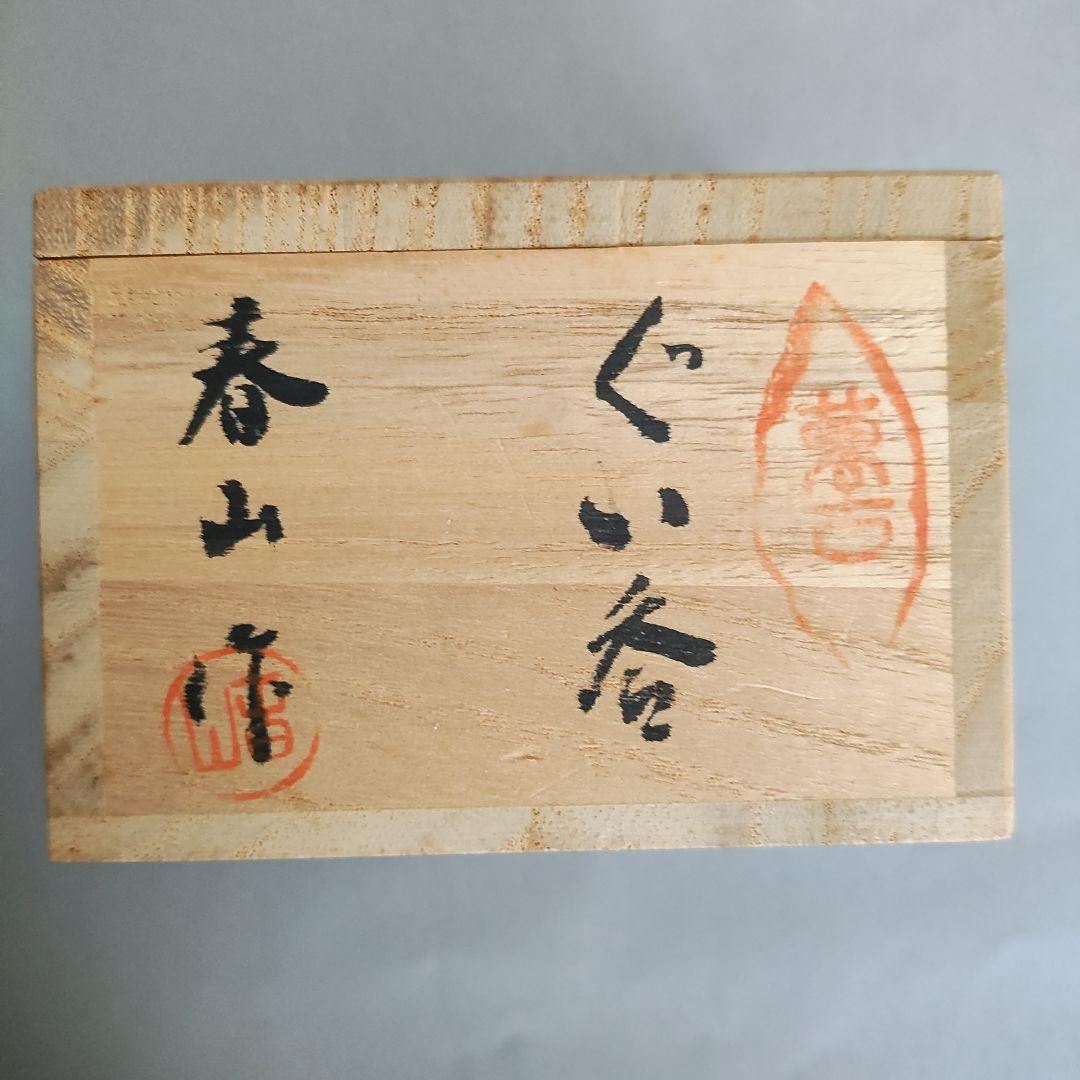
• Box: Tomobako (signed "春山 作") + pamphlet
• Condition: Excellent
━━━━━━━━━━━━━━━━━━━━
🔹 [ CULTURAL & ARTISTIC INSIGHT ]
Banko ware traces its origins to the Edo period, when a merchant-potter named Nunami Rōzan began firing ceramics in Kuwana, Mie Prefecture, stamping each piece with the seal "banko" — meaning "eternally unchanging." The tradition migrated to Yokkaichi and evolved into one of Japan's most distinctive regional wares, known above all for its iron-rich, heat-resistant clay.
Sasaoka Shunzan works within this lineage, shaping a guinomi that is broad, low, and grounded. The dark brown-to-charcoal surface is pure yakishime — high-fired without glaze, the clay body left to speak for itself. Horizontal throwing lines circle the exterior, evidence of the potter's hands in motion. The rim undulates gently, an organic gesture that softens the otherwise austere form.
This is a cup that asks to be held. Its wide bowl and low center of gravity give it a stability and presence that transcends its modest scale. The unglazed surface warms quickly against the palm, and sake pools in the broad interior with a stillness that invites contemplation.
*"Earth, fire, and the patience to let clay become itself — nothing more is needed."*
━━━━━━━━━━━━━━━━━━━━
🔹 [ DEEP-DIVE COMMENTARY ]
**Banko Ware Heritage**: Founded in the Edo period and revived in the Meiji era, Banko ware is most celebrated for its kyūsu (teapots), but the tradition extends to sake ware, flower vessels, and sculptural forms. The iron-rich clay of Yokkaichi gives Banko its signature density and thermal properties.
**Yakishime Surface**: Without glaze, every nuance of the firing is recorded on the clay surface. The charcoal-dark coloration speaks to reduction atmospheres within the kiln — oxygen-starved moments that transform iron-bearing clay into deep, saturated tones. This is not decoration; it is geological event.
**Form & Function**: The low, wide bowl shape maximizes the sake's surface area, allowing aroma to open. The undulating rim creates varied drinking points — each sip arrives differently depending on where the lip meets clay. This is functional design refined through generations of use.
**Tactile Character**: The rough, earthy texture is central to the Banko drinking experience. Unglazed stoneware engages the hand in ways that smooth porcelain cannot. The throwing lines become a kind of braille, connecting the drinker to the act of making.
━━━━━━━━━━━━━━━━━━━━
🔹 [ 日本語解説 ]
【基本情報】
• 作家:笹岡春山
• 技法:萬古焼(焼締)
• 時代:現代
• 産地:三重県四日市
• 寸法:口径 約7.1cm、高さ 約3.6cm
• 付属:共箱(「春山 作」署名入り)、リーフレット
• 状態:良好
【解説】
萬古焼は江戸時代に三重県桑名で沼波弄山が興した陶芸で、「萬古不易」の印を押したことに由来します。その後四日市に移り、鉄分を多く含む耐熱性の高い陶土を活かした独自の焼物として発展しました。
笹岡春山によるこのぐい呑は、濃い茶褐色から炭色にかけての焼締陶です。施釉せず、高温で焼き締めることで土そのものの表情が前面に現れています。轆轤目が水平に走り、口縁は有機的に揺らぎ、手に取ると土の温もりが直に伝わります。
広く浅い椀形は酒の香りを開かせ、荒々しい土肌は掌に心地よく馴染みます。萬古焼の「永遠に変わらない」という名に相応しい、地に足のついた器です。
━━━━━━━━━━━━━━━━━━━━
🔹 [ SHIPPING & PACKAGING ]
• Dispatch: Within 1-6 business days
• Carrier: Japan Post EMS / UPS (with tracking)
• Packaging: Carefully wrapped with protective materials
*From the iron-rich earth of Mie — a cup that remembers every fire it has known.*
━━━━━━━━━━━━━━━━━━━━
🔹 [ BASIC DETAILS ]
• Artist: Sasaoka Shunzan (笹岡春山)
• Type: Guinomi (ぐい呑) — sake cup
• Technique: Banko ware (萬古焼) — dark yakishime stoneware
• Era: Contemporary
• Origin: Yokkaichi, Mie Prefecture
• Dimensions: Dia approx. 7.1 cm, H approx. 3.6 cm
• Box: Tomobako (signed "春山 作") + pamphlet
• Condition: Excellent
━━━━━━━━━━━━━━━━━━━━
🔹 [ CULTURAL & ARTISTIC INSIGHT ]
Banko ware traces its origins to the Edo period, when a merchant-potter named Nunami Rōzan began firing ceramics in Kuwana, Mie Prefecture, stamping each piece with the seal "banko" — meaning "eternally unchanging." The tradition migrated to Yokkaichi and evolved into one of Japan's most distinctive regional wares, known above all for its iron-rich, heat-resistant clay.
Sasaoka Shunzan works within this lineage, shaping a guinomi that is broad, low, and grounded. The dark brown-to-charcoal surface is pure yakishime — high-fired without glaze, the clay body left to speak for itself. Horizontal throwing lines circle the exterior, evidence of the potter's hands in motion. The rim undulates gently, an organic gesture that softens the otherwise austere form.
This is a cup that asks to be held. Its wide bowl and low center of gravity give it a stability and presence that transcends its modest scale. The unglazed surface warms quickly against the palm, and sake pools in the broad interior with a stillness that invites contemplation.
*"Earth, fire, and the patience to let clay become itself — nothing more is needed."*
━━━━━━━━━━━━━━━━━━━━
🔹 [ DEEP-DIVE COMMENTARY ]
**Banko Ware Heritage**: Founded in the Edo period and revived in the Meiji era, Banko ware is most celebrated for its kyūsu (teapots), but the tradition extends to sake ware, flower vessels, and sculptural forms. The iron-rich clay of Yokkaichi gives Banko its signature density and thermal properties.
**Yakishime Surface**: Without glaze, every nuance of the firing is recorded on the clay surface. The charcoal-dark coloration speaks to reduction atmospheres within the kiln — oxygen-starved moments that transform iron-bearing clay into deep, saturated tones. This is not decoration; it is geological event.
**Form & Function**: The low, wide bowl shape maximizes the sake's surface area, allowing aroma to open. The undulating rim creates varied drinking points — each sip arrives differently depending on where the lip meets clay. This is functional design refined through generations of use.
**Tactile Character**: The rough, earthy texture is central to the Banko drinking experience. Unglazed stoneware engages the hand in ways that smooth porcelain cannot. The throwing lines become a kind of braille, connecting the drinker to the act of making.
━━━━━━━━━━━━━━━━━━━━
🔹 [ 日本語解説 ]
【基本情報】
• 作家:笹岡春山
• 技法:萬古焼(焼締)
• 時代:現代
• 産地:三重県四日市
• 寸法:口径 約7.1cm、高さ 約3.6cm
• 付属:共箱(「春山 作」署名入り)、リーフレット
• 状態:良好
【解説】
萬古焼は江戸時代に三重県桑名で沼波弄山が興した陶芸で、「萬古不易」の印を押したことに由来します。その後四日市に移り、鉄分を多く含む耐熱性の高い陶土を活かした独自の焼物として発展しました。
笹岡春山によるこのぐい呑は、濃い茶褐色から炭色にかけての焼締陶です。施釉せず、高温で焼き締めることで土そのものの表情が前面に現れています。轆轤目が水平に走り、口縁は有機的に揺らぎ、手に取ると土の温もりが直に伝わります。
広く浅い椀形は酒の香りを開かせ、荒々しい土肌は掌に心地よく馴染みます。萬古焼の「永遠に変わらない」という名に相応しい、地に足のついた器です。
━━━━━━━━━━━━━━━━━━━━
🔹 [ SHIPPING & PACKAGING ]
• Dispatch: Within 1-6 business days
• Carrier: Japan Post EMS / UPS (with tracking)
• Packaging: Carefully wrapped with protective materials
*From the iron-rich earth of Mie — a cup that remembers every fire it has known.*
Quantity
Couldn't load pickup availability
Out of stock
View full details