1
/
of
11
Sasa Dew Maki-e Hira-Natsume by Matsunaga Shokan - Silver Granule Lacquer Tea Caddy
Sasa Dew Maki-e Hira-Natsume by Matsunaga Shokan - Silver Granule Lacquer Tea Caddy
Regular price
Dhs. 1,256.00 AED
Regular price
Sale price
Dhs. 1,256.00 AED
Taxes included.
Shipping calculated at checkout.
Experience authentic Japanese lacquer artistry with this Sasa Dew Maki-e Hira-Natsume. This Flat Tea Caddy serves as a Maki-e Lacquerware Masterwork and Usuchaki, featuring Gold Bamboo Grass Design and Silver Granule Technique—a must-have for any Tea Collector seeking Japanese Lacquerware and Seasonal Tea Ceremony Art.
━━━━━━━━━━━━━━━━━━━━
🔹 [ BASIC DETAILS ]
• Artist: Matsunaga Shōkan (松永松寛)
• Technique: Gold maki-e with silver granule (ginryū) dew drops on sasa motif
• Era: Contemporary (Heisei–Reiwa period)
• Origin: Japan
• Dimensions: 7.8 cm diameter × 5 cm height (3.1" × 2.0")
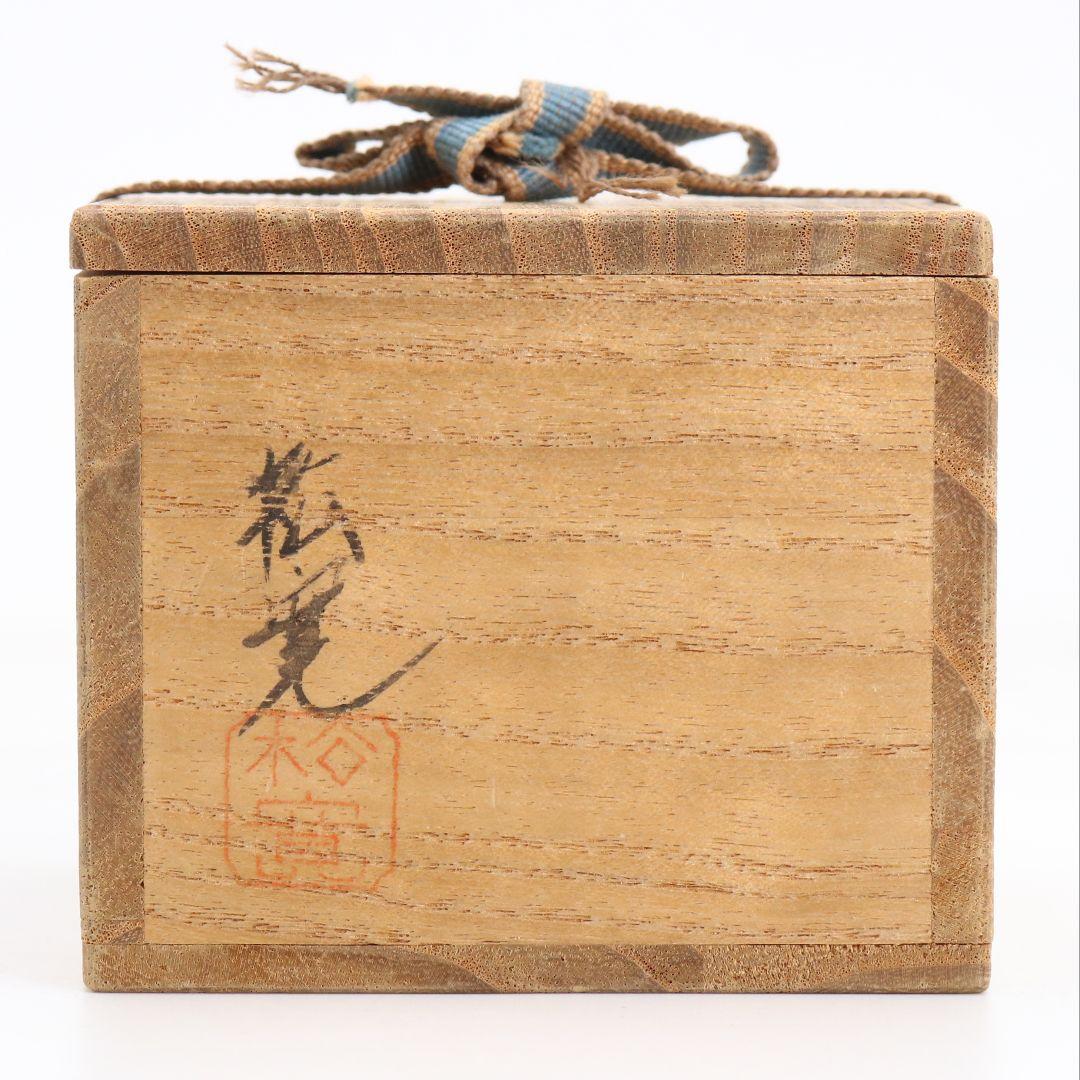
• Box: Tomobako (artist-signed wooden box)
• Condition: Excellent – no cracks, chips, or repairs
━━━━━━━━━━━━━━━━━━━━
🔹 [ CULTURAL & ARTISTIC INSIGHT ]
The hira-natsume (平棗, flat natsume) represents a distinct lineage within tea caddy forms. Where standard natsume offer vertical volume, the hira profile creates horizontal presence—low, quiet, grounded. Matsunaga Shōkan's choice of sasa (笹, bamboo grass) grounds this work in seasonal awareness. Sasa appears in late autumn and winter tea gatherings, its slender leaves carrying associations with resilience and endurance.
The silver granules (銀粒, ginryū) depicting dew drops are the signature element. Each particle catches light independently, creating the optical effect of morning moisture on grass blades. This technique requires extraordinary control—too many particles overwhelm the composition, too few fail to register as dew. Shōkan achieves the balance where the eye reads texture before recognizing individual granules.
*"In the stillness of dawn, silver holds the weight of water before it falls."*
━━━━━━━━━━━━━━━━━━━━
🔹 [ DEEP-DIVE COMMENTARY ]
**Silver Granule Technique**: The ginryū maki-e (銀粒蒔絵) method requires embedding metal particles into wet lacquer, then polishing the surface until the particles emerge at precise heights. The effect is three-dimensional texture that changes with viewing angle and light source. In candlelight or low illumination, the silver granules activate—suddenly visible as dew where moments before the surface appeared smooth.
**The Hira-Natsume Form**: The flat form carries meaning beyond aesthetics. Its low profile suits thin tea (usucha) service, when the wide opening allows easier access and the shallow interior prevents tea powder from collecting in corners. The form pairs naturally with sasa imagery—both horizontal, both close to the ground, both expressions of quietude rather than display.
**Tame-nuri Ground**: Shōkan's black lacquer ground is tame-nuri (溜塗り)—a technique where multiple layers of translucent lacquer build depth without opacity. Under close inspection, the black reveals subtle warmth, almost brown in direct light. This prevents harsh contrast when gold maki-e sits on the surface. The bamboo grass floats in space that feels infinite rather than bounded.
**Seasonal Significance**: This natsume functions as an autumn-to-winter seasonal marker. The combination of sasa leaves and dew points specifically to late autumn mornings (霜月, shimotsuki—the frost month). In tea practice, such pieces anchor the gathering in seasonal awareness without verbal announcement. The object speaks the season.
━━━━━━━━━━━━━━━━━━━━
🔹 [ 日本語解説 ]
【基本情報】
• 作家:松永松寛
• 技法:笹露蒔絵・銀粒
• 形状:平棗
• 寸法:直径7.8cm × 高さ5cm
• 付属:共箱
• 状態:良好
【解説】
松永松寛による平棗。黒漆地に笹露蒔絵、銀粒で露を表現。平棗の低い姿と笹の横に広がる葉が呼応し、晚秋から初冬の静けさを形にしている。銀粒技法は光の角度で露の存在が現れたり消えたりする効果を生む。薄茶用の棗として、季節感ある茶事にふさわしい一品。
━━━━━━━━━━━━━━━━━━━━
🔹 [ SHIPPING & PACKAGING ]
• Dispatch: Within 1-6 business days
• Carrier: Japan Post EMS / UPS (with tracking)
• Packaging: Carefully wrapped with protective materials
*Silver catches light where grass bends low—autumn's quiet weight.*
━━━━━━━━━━━━━━━━━━━━
🔹 [ BASIC DETAILS ]
• Artist: Matsunaga Shōkan (松永松寛)
• Technique: Gold maki-e with silver granule (ginryū) dew drops on sasa motif
• Era: Contemporary (Heisei–Reiwa period)
• Origin: Japan
• Dimensions: 7.8 cm diameter × 5 cm height (3.1" × 2.0")
• Box: Tomobako (artist-signed wooden box)
• Condition: Excellent – no cracks, chips, or repairs
━━━━━━━━━━━━━━━━━━━━
🔹 [ CULTURAL & ARTISTIC INSIGHT ]
The hira-natsume (平棗, flat natsume) represents a distinct lineage within tea caddy forms. Where standard natsume offer vertical volume, the hira profile creates horizontal presence—low, quiet, grounded. Matsunaga Shōkan's choice of sasa (笹, bamboo grass) grounds this work in seasonal awareness. Sasa appears in late autumn and winter tea gatherings, its slender leaves carrying associations with resilience and endurance.
The silver granules (銀粒, ginryū) depicting dew drops are the signature element. Each particle catches light independently, creating the optical effect of morning moisture on grass blades. This technique requires extraordinary control—too many particles overwhelm the composition, too few fail to register as dew. Shōkan achieves the balance where the eye reads texture before recognizing individual granules.
*"In the stillness of dawn, silver holds the weight of water before it falls."*
━━━━━━━━━━━━━━━━━━━━
🔹 [ DEEP-DIVE COMMENTARY ]
**Silver Granule Technique**: The ginryū maki-e (銀粒蒔絵) method requires embedding metal particles into wet lacquer, then polishing the surface until the particles emerge at precise heights. The effect is three-dimensional texture that changes with viewing angle and light source. In candlelight or low illumination, the silver granules activate—suddenly visible as dew where moments before the surface appeared smooth.
**The Hira-Natsume Form**: The flat form carries meaning beyond aesthetics. Its low profile suits thin tea (usucha) service, when the wide opening allows easier access and the shallow interior prevents tea powder from collecting in corners. The form pairs naturally with sasa imagery—both horizontal, both close to the ground, both expressions of quietude rather than display.
**Tame-nuri Ground**: Shōkan's black lacquer ground is tame-nuri (溜塗り)—a technique where multiple layers of translucent lacquer build depth without opacity. Under close inspection, the black reveals subtle warmth, almost brown in direct light. This prevents harsh contrast when gold maki-e sits on the surface. The bamboo grass floats in space that feels infinite rather than bounded.
**Seasonal Significance**: This natsume functions as an autumn-to-winter seasonal marker. The combination of sasa leaves and dew points specifically to late autumn mornings (霜月, shimotsuki—the frost month). In tea practice, such pieces anchor the gathering in seasonal awareness without verbal announcement. The object speaks the season.
━━━━━━━━━━━━━━━━━━━━
🔹 [ 日本語解説 ]
【基本情報】
• 作家:松永松寛
• 技法:笹露蒔絵・銀粒
• 形状:平棗
• 寸法:直径7.8cm × 高さ5cm
• 付属:共箱
• 状態:良好
【解説】
松永松寛による平棗。黒漆地に笹露蒔絵、銀粒で露を表現。平棗の低い姿と笹の横に広がる葉が呼応し、晚秋から初冬の静けさを形にしている。銀粒技法は光の角度で露の存在が現れたり消えたりする効果を生む。薄茶用の棗として、季節感ある茶事にふさわしい一品。
━━━━━━━━━━━━━━━━━━━━
🔹 [ SHIPPING & PACKAGING ]
• Dispatch: Within 1-6 business days
• Carrier: Japan Post EMS / UPS (with tracking)
• Packaging: Carefully wrapped with protective materials
*Silver catches light where grass bends low—autumn's quiet weight.*
Quantity
Couldn't load pickup availability
Low stock: 1 left
View full details