1
/
of
8
Salt-Glazed Hakeme Matcha Bowl by Usuda Koji — Japanese Tea Ceremony Chawan with Signed Tomobako
Salt-Glazed Hakeme Matcha Bowl by Usuda Koji — Japanese Tea Ceremony Chawan with Signed Tomobako
Regular price
Dhs. 592.00 AED
Regular price
Sale price
Dhs. 592.00 AED
Taxes included.
Shipping calculated at checkout.
Experience Authentic Japan Art with this Salt-Glazed Hakeme Matcha Bowl. This Japanese Tea Ceremony Chawan serves as a Handmade Stoneware Tea Bowl and Contemporary Japanese Ceramics, featuring Hakeme Brush Slip Technique and Modern Japanese Potter Work — a must-have for any Art Collector seeking Wabi-Sabi Aesthetic Pottery, a Signed Artist Chawan with Tomobako Box, or a Usuda Koji Ceramic Piece.
🔹 [ BASIC DETAILS ]
• Artist: Usuda Koji (薄田浩司) — contemporary Japanese studio potter
• Technique: Shio-yu Hakeme — salt glaze over bold brush-applied white slip (hakeme)
• Era: Contemporary (2010–2026)
• Origin: Japan (contemporary studio ceramics)
• Dimensions: Diameter approx. 14 cm, Height approx. 8.2 cm
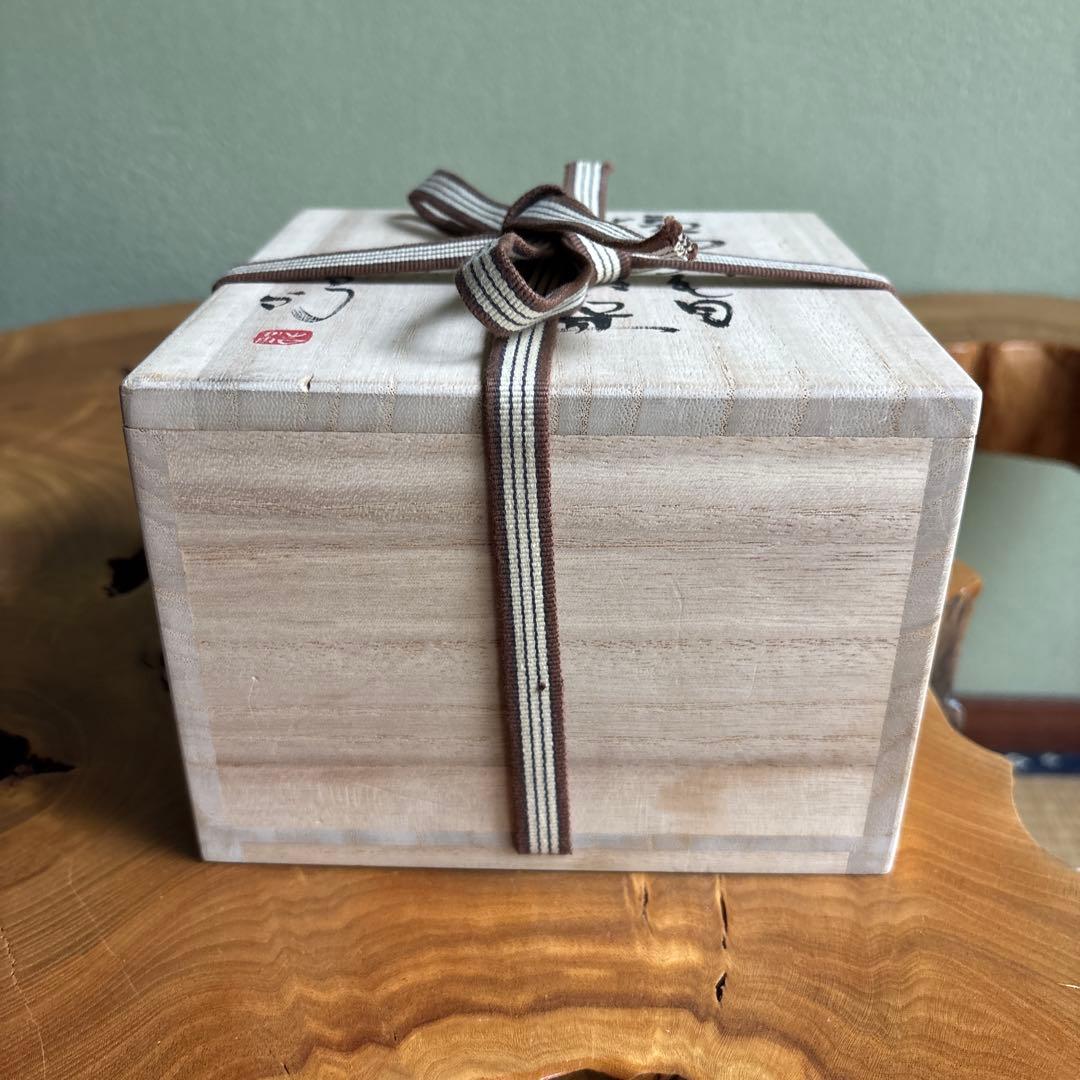
• Box: Original signed tomobako (artist's wooden box) included; lid bears calligraphic title inscription and red seal stamp
• Condition: Excellent — no chips, cracks, or repairs; surfaces intact throughout
🔹 [ CULTURAL & ARTISTIC INSIGHT ]
Hakeme, meaning "brush-mark," is one of the most viscerally expressive techniques in the Japanese ceramic tradition. Originating in Korea (where it was known as buncheong ware) and absorbed into Japanese aesthetics during the Momoyama period, hakeme involves sweeping a wide, stiff brush loaded with white slip across the surface of the raw clay body before glazing. The resulting marks — bold, spontaneous, irrepeatable — became central to the visual language of wabi-cha, the tea aesthetic championed by Sen no Rikyu in the sixteenth century.
In this bowl by Usuda Koji, the hakeme is combined with salt glazing (shio-yu), a firing technique in which common salt is thrown into the kiln at peak temperature (typically above 1250°C). The sodium vapour reacts with silica in the clay body to form a thin, glassy, naturally textured glaze — no brushed glaze is applied to the exterior. The result is a surface that resembles dried sea-foam or frost on stone: slightly pebbled, matte in certain lights, with a quiet luminosity that deepens the longer you look.
The interior of this chawan is a landscape in miniature. Warm amber-brown tones — iron-rich clay exposed through the salt reaction — pool at the base and fade upward into soft grey-white where the slip is thickest at the rim. The outer wall's horizontal brush-strokes move with quiet momentum, as if the potter's arm remembered an ancient rhythm older than thought.
*The brush moved once. The salt remembered everything.*
🔹 [ DEEP-DIVE COMMENTARY ]
Salt glazing arrived in Japan primarily through early twentieth-century mingei (folk craft) influences and the study of German and English stoneware traditions, yet its visual affinity with Japan's own iron-glaze and natural-ash traditions made it immediately at home. The technique produces a surface that cannot be exactly replicated: kiln atmosphere, clay body composition, salt quantity, and placement all interact in ways that guarantee each piece is singular. Collectors prize salt-glazed work precisely because the glaze is not a coating applied by the potter — it is a conversation between fire, mineral, and intention.
Hakeme as a decorative strategy carries similar philosophical weight. The brush is not used to paint a picture but to leave evidence of a gesture. The slip — often white or cream against a darker iron clay — creates a two-tone surface that reads differently at every angle and in every quality of light. Morning sun picks out the crystalline salt deposits; low evening light sinks into the textured valleys between brushstrokes. Owning such a bowl means experiencing it freshly each time you hold it.
Usuda Koji works within the tradition of contemporary Japanese studio pottery that honours classical tea aesthetics while bringing a modern directness to form and surface. The shape of this chawan — moderately deep, with an open mouth suited to whisking matcha — follows the functional ideals of the tea bowl as refined through generations of chado practice. The foot (kodai) is spare and well-formed, allowing the bowl to sit with natural stability on a tatami mat or display shelf.
The tomobako (original signed wooden box) is an important element of provenance. In Japanese ceramic culture, the artist's box inscription — written in calligraphy and sealed with a personal inkan (seal stamp) — functions as a certificate of authorship. It places the object within the artist's own hands and vocabulary, and for collectors it significantly enhances both cultural meaning and long-term value. This box is in excellent condition and the inscription is clearly legible.
For collectors at any level — whether building a working tea practice or a curated shelf of Japanese craft — this bowl offers an accessible entry point into the lineage of hakeme and salt-glaze ceramics at a price that reflects studio craft rather than gallery speculation.
🔹 [ 日本語解説 ]
■ 詳細スペック
• 作家:薄田浩司(うすだ こうじ)— 現代日本の陶芸家
• 技法:塩釉刷毛目 — 化粧土を刷毛で大胆に施したのち、塩釉焼成
• 年代:現代(2010〜2026年頃)
• 産地:日本(現代陶芸)
• 寸法:直径 約14cm、高さ 約8.2cm
• 箱:作家直筆・朱印入り共箱付き。蓋の墨書・落款ともに鮮明
• 状態:良好 — ヒビ・カケ・修復なし、全面にわたり問題なし
■ 文化・芸術的背景
刷毛目は、朝鮮半島の粉青沙器(ぷんちょんさぎ)に源を発し、桃山時代に日本へ移入された技法のひとつです。鉄分を含む素地の上に白化粧土を幅広の刷毛で大きく刷いて模様を生み出す方法で、その筆跡のダイナミズムと偶然性こそが侘び茶の美意識と深く共鳴しました。千利休が完成させた侘び茶の哲学において、刷毛目茶碗は「作為のない作為」の象徴として愛好されてきました。
この作品では、塩釉という焼成技法が刷毛目と組み合わされています。塩釉とは、窯が最高温度(1250℃以上)に達した際に食塩を投入し、ナトリウム蒸気が素地の珪酸と反応して釉薬層を形成させる技法です。外側からは釉薬を塗らないため、表面はわずかにつぶつぶとした独特の質感を帯びます。乾いた海泡や霜の降りた石のような——光の当たり方によって表情を変える静かな輝きが、この碗の最大の魅力です。
内面は小宇宙のような景色を見せます。鉄分豊かな素地が底部では温かみのある琥珀色〜茶色に発色し、刷毛目の化粧土が厚く残る縁に近づくにつれ柔らかな灰白色に移ろいます。外壁の水平方向に走る刷毛目は、古い記憶を体が覚えているような自然なリズムをたたえています。
*刷毛は一度動いた。塩はすべてを覚えている。*
■ 上級コレクター向け解説
塩釉は二十世紀初頭の民芸運動を通じてドイツ・イギリスのストーンウェア技法として研究された側面もありますが、日本古来の鉄釉・灰釉の美意識と自然に親和し、現代の陶芸家たちに広く取り入れられています。塩釉の最大の特徴は再現不可能性にあります。窯の雰囲気、素地の成分、塩の量、置き場所——これらすべてが複雑に絡み合い、まったく同じ表面は二度と生まれません。コレクターが塩釉作品に惹かれる理由の核心はここにあります。釉薬は「塗られる」のではなく、「起こる」のです。
刷毛目もまた同様の哲学を体現します。刷毛は絵を描くためではなく、身体の痕跡を残すために動かされます。化粧土による二色のコントラストは光の角度や時間帯によって異なる表情を見せ、所有者はこの碗を手にするたびに新たな発見をすることになります。
薄田浩司は、古典的な茶道美学を礎としながら現代の直截さをフォルムと釉面にもたらす、現代陶芸の系譜に属する作家です。この茶碗の形状——深みが適度で、点前に適した開き口——は世代を経て茶道によって洗練された茶碗の機能美を満たしています。高台は素朴で安定感があり、畳の上にも飾り棚にも自然に収まります。
共箱(作家直筆・朱印入り)は、日本の陶磁文化における重要な来歴の証です。墨書による題名と落款は作品の真正性を保証し、長期的な文化的・経済的価値を高める要素として、コレクターに広く認められています。この共箱は状態が良好で、墨書・朱印ともに明瞭に読み取れます。
茶道の実践用としても、現代の棚に飾る一点ものとしても、この茶碗は塩釉・刷毛目の系譜への親しみやすい入口を提供します。ギャラリー投機ではなく陶芸の本質的価値に対する適正な価格設定が、この碗の誠実さをあらわしています。
🔹 [ SHIPPING & PACKAGING ]
• Dispatch: Within 1-6 business days
• Carrier: Japan Post EMS / UPS (with tracking)
• Packaging: Carefully wrapped with protective materials
🔹 [ BASIC DETAILS ]
• Artist: Usuda Koji (薄田浩司) — contemporary Japanese studio potter
• Technique: Shio-yu Hakeme — salt glaze over bold brush-applied white slip (hakeme)
• Era: Contemporary (2010–2026)
• Origin: Japan (contemporary studio ceramics)
• Dimensions: Diameter approx. 14 cm, Height approx. 8.2 cm
• Box: Original signed tomobako (artist's wooden box) included; lid bears calligraphic title inscription and red seal stamp
• Condition: Excellent — no chips, cracks, or repairs; surfaces intact throughout
🔹 [ CULTURAL & ARTISTIC INSIGHT ]
Hakeme, meaning "brush-mark," is one of the most viscerally expressive techniques in the Japanese ceramic tradition. Originating in Korea (where it was known as buncheong ware) and absorbed into Japanese aesthetics during the Momoyama period, hakeme involves sweeping a wide, stiff brush loaded with white slip across the surface of the raw clay body before glazing. The resulting marks — bold, spontaneous, irrepeatable — became central to the visual language of wabi-cha, the tea aesthetic championed by Sen no Rikyu in the sixteenth century.
In this bowl by Usuda Koji, the hakeme is combined with salt glazing (shio-yu), a firing technique in which common salt is thrown into the kiln at peak temperature (typically above 1250°C). The sodium vapour reacts with silica in the clay body to form a thin, glassy, naturally textured glaze — no brushed glaze is applied to the exterior. The result is a surface that resembles dried sea-foam or frost on stone: slightly pebbled, matte in certain lights, with a quiet luminosity that deepens the longer you look.
The interior of this chawan is a landscape in miniature. Warm amber-brown tones — iron-rich clay exposed through the salt reaction — pool at the base and fade upward into soft grey-white where the slip is thickest at the rim. The outer wall's horizontal brush-strokes move with quiet momentum, as if the potter's arm remembered an ancient rhythm older than thought.
*The brush moved once. The salt remembered everything.*
🔹 [ DEEP-DIVE COMMENTARY ]
Salt glazing arrived in Japan primarily through early twentieth-century mingei (folk craft) influences and the study of German and English stoneware traditions, yet its visual affinity with Japan's own iron-glaze and natural-ash traditions made it immediately at home. The technique produces a surface that cannot be exactly replicated: kiln atmosphere, clay body composition, salt quantity, and placement all interact in ways that guarantee each piece is singular. Collectors prize salt-glazed work precisely because the glaze is not a coating applied by the potter — it is a conversation between fire, mineral, and intention.
Hakeme as a decorative strategy carries similar philosophical weight. The brush is not used to paint a picture but to leave evidence of a gesture. The slip — often white or cream against a darker iron clay — creates a two-tone surface that reads differently at every angle and in every quality of light. Morning sun picks out the crystalline salt deposits; low evening light sinks into the textured valleys between brushstrokes. Owning such a bowl means experiencing it freshly each time you hold it.
Usuda Koji works within the tradition of contemporary Japanese studio pottery that honours classical tea aesthetics while bringing a modern directness to form and surface. The shape of this chawan — moderately deep, with an open mouth suited to whisking matcha — follows the functional ideals of the tea bowl as refined through generations of chado practice. The foot (kodai) is spare and well-formed, allowing the bowl to sit with natural stability on a tatami mat or display shelf.
The tomobako (original signed wooden box) is an important element of provenance. In Japanese ceramic culture, the artist's box inscription — written in calligraphy and sealed with a personal inkan (seal stamp) — functions as a certificate of authorship. It places the object within the artist's own hands and vocabulary, and for collectors it significantly enhances both cultural meaning and long-term value. This box is in excellent condition and the inscription is clearly legible.
For collectors at any level — whether building a working tea practice or a curated shelf of Japanese craft — this bowl offers an accessible entry point into the lineage of hakeme and salt-glaze ceramics at a price that reflects studio craft rather than gallery speculation.
🔹 [ 日本語解説 ]
■ 詳細スペック
• 作家:薄田浩司(うすだ こうじ)— 現代日本の陶芸家
• 技法:塩釉刷毛目 — 化粧土を刷毛で大胆に施したのち、塩釉焼成
• 年代:現代(2010〜2026年頃)
• 産地:日本(現代陶芸)
• 寸法:直径 約14cm、高さ 約8.2cm
• 箱:作家直筆・朱印入り共箱付き。蓋の墨書・落款ともに鮮明
• 状態:良好 — ヒビ・カケ・修復なし、全面にわたり問題なし
■ 文化・芸術的背景
刷毛目は、朝鮮半島の粉青沙器(ぷんちょんさぎ)に源を発し、桃山時代に日本へ移入された技法のひとつです。鉄分を含む素地の上に白化粧土を幅広の刷毛で大きく刷いて模様を生み出す方法で、その筆跡のダイナミズムと偶然性こそが侘び茶の美意識と深く共鳴しました。千利休が完成させた侘び茶の哲学において、刷毛目茶碗は「作為のない作為」の象徴として愛好されてきました。
この作品では、塩釉という焼成技法が刷毛目と組み合わされています。塩釉とは、窯が最高温度(1250℃以上)に達した際に食塩を投入し、ナトリウム蒸気が素地の珪酸と反応して釉薬層を形成させる技法です。外側からは釉薬を塗らないため、表面はわずかにつぶつぶとした独特の質感を帯びます。乾いた海泡や霜の降りた石のような——光の当たり方によって表情を変える静かな輝きが、この碗の最大の魅力です。
内面は小宇宙のような景色を見せます。鉄分豊かな素地が底部では温かみのある琥珀色〜茶色に発色し、刷毛目の化粧土が厚く残る縁に近づくにつれ柔らかな灰白色に移ろいます。外壁の水平方向に走る刷毛目は、古い記憶を体が覚えているような自然なリズムをたたえています。
*刷毛は一度動いた。塩はすべてを覚えている。*
■ 上級コレクター向け解説
塩釉は二十世紀初頭の民芸運動を通じてドイツ・イギリスのストーンウェア技法として研究された側面もありますが、日本古来の鉄釉・灰釉の美意識と自然に親和し、現代の陶芸家たちに広く取り入れられています。塩釉の最大の特徴は再現不可能性にあります。窯の雰囲気、素地の成分、塩の量、置き場所——これらすべてが複雑に絡み合い、まったく同じ表面は二度と生まれません。コレクターが塩釉作品に惹かれる理由の核心はここにあります。釉薬は「塗られる」のではなく、「起こる」のです。
刷毛目もまた同様の哲学を体現します。刷毛は絵を描くためではなく、身体の痕跡を残すために動かされます。化粧土による二色のコントラストは光の角度や時間帯によって異なる表情を見せ、所有者はこの碗を手にするたびに新たな発見をすることになります。
薄田浩司は、古典的な茶道美学を礎としながら現代の直截さをフォルムと釉面にもたらす、現代陶芸の系譜に属する作家です。この茶碗の形状——深みが適度で、点前に適した開き口——は世代を経て茶道によって洗練された茶碗の機能美を満たしています。高台は素朴で安定感があり、畳の上にも飾り棚にも自然に収まります。
共箱(作家直筆・朱印入り)は、日本の陶磁文化における重要な来歴の証です。墨書による題名と落款は作品の真正性を保証し、長期的な文化的・経済的価値を高める要素として、コレクターに広く認められています。この共箱は状態が良好で、墨書・朱印ともに明瞭に読み取れます。
茶道の実践用としても、現代の棚に飾る一点ものとしても、この茶碗は塩釉・刷毛目の系譜への親しみやすい入口を提供します。ギャラリー投機ではなく陶芸の本質的価値に対する適正な価格設定が、この碗の誠実さをあらわしています。
🔹 [ SHIPPING & PACKAGING ]
• Dispatch: Within 1-6 business days
• Carrier: Japan Post EMS / UPS (with tracking)
• Packaging: Carefully wrapped with protective materials
Quantity
Couldn't load pickup availability
Low stock: 1 left
View full details