1
/
of
10
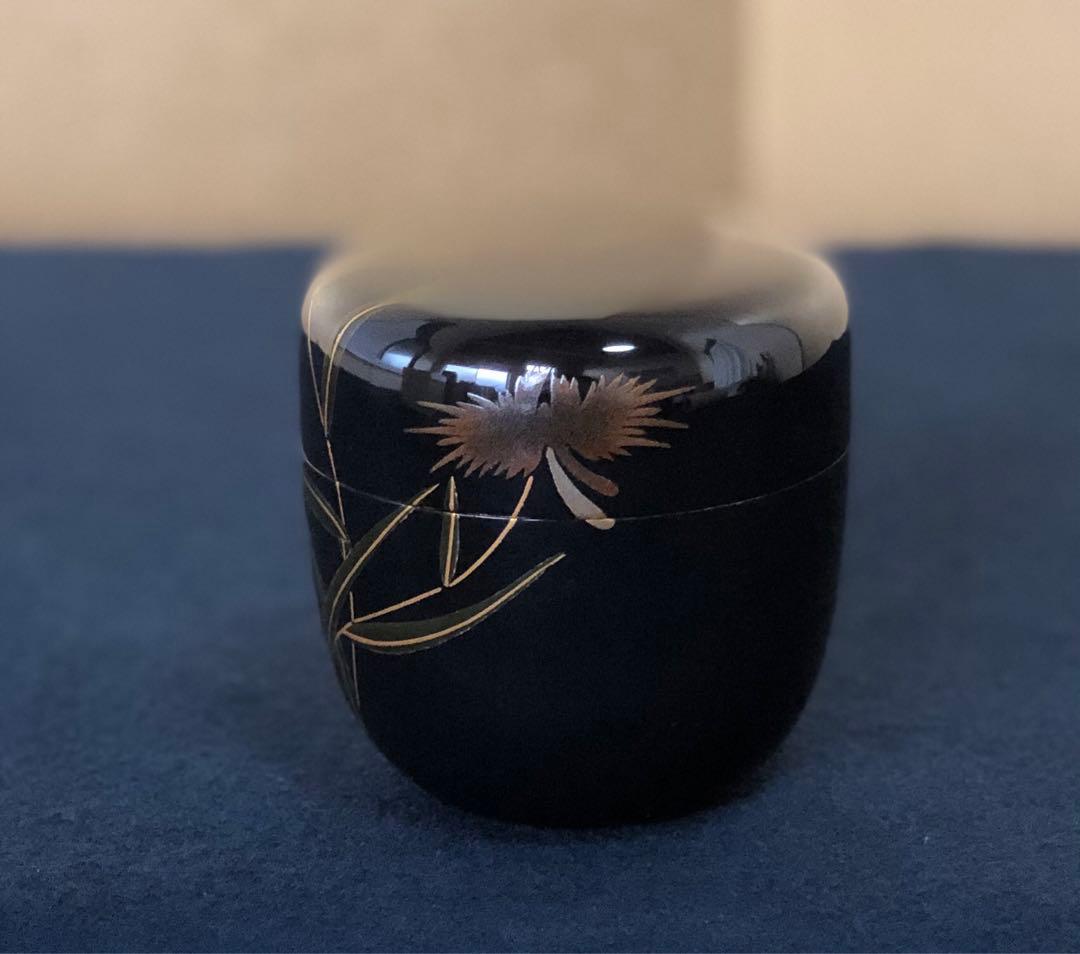
Sagiso Egret Orchid O-Natsume Tea Caddy — Hasegawa Yusai Maki-e
Sagiso Egret Orchid O-Natsume Tea Caddy — Hasegawa Yusai Maki-e
Regular price
Dhs. 780.00 AED
Regular price
Sale price
Dhs. 780.00 AED
Taxes included.
Shipping calculated at checkout.
Experience authentic Japanese lacquer art with this Sagiso Egret Orchid O-Natsume. This Japanese Tea Caddy serves as a Hasegawa Yusai Maki-e Masterwork and Gold Lacquer Natsume, featuring Sagiso Flower Design and Traditional Urushi Craftsmanship—a must-have for any Art Collector seeking Kyoto Lacquerware and Summer Tea Ceremony Utensils.
━━━━━━━━━━━━━━━━━━━━
🔹 [ BASIC DETAILS ]
• Artist: Hasegawa Yusai (長谷川祐斎)
• Technique: Maki-e (蒔絵) — gold and copper powder on black urushi lacquer
• Era: 2010s
• Origin: Kyoto, Japan
• Dimensions: 7 cm × 7 cm (2.8" × 2.8")
• Box: Tomobako (artist-signed wooden box)
• Condition: Excellent — no chips, cracks, or lacquer loss
━━━━━━━━━━━━━━━━━━━━
🔹 [ CULTURAL & ARTISTIC INSIGHT ]
The sagiso — egret orchid — takes its name from the way its fringed white petals resemble herons lifting from a summer marsh. In the tea room, it belongs to the language of natsu no chaji, the summer gathering, where every utensil gestures toward coolness and transience. To place a sagiso natsume before a guest is to say: even in the heat, there is flight.
Hasegawa Yusai's rendering favors restraint over spectacle. The gold is laid with a calligrapher's discipline — each leaf and petal placed to honor the flower's asymmetry rather than impose decorative order. Copper undertones in the stem give the composition warmth without weight.
The O-natsume form — larger than a standard natsume — grants the design room to breathe. The sagiso floats on a field of deep black urushi, suspended between presence and absence, between the seen flower and the remembered one.
*"The orchid does not call to the heron. The heron does not seek the orchid. Yet they share a single name — and that is enough."*
━━━━━━━━━━━━━━━━━━━━
🔹 [ DEEP-DIVE COMMENTARY ]
**Sagiso (鷺草) in Tea Culture**: Habenaria radiata blooms in July and August across Japanese wetlands. Its inclusion on tea utensils signals the height of summer — a seasonal marker (kisetsukan) that anchors the gathering in a specific moment of the year. The fringed petals, impossible to simplify, test a maki-e artist's hand.
**Maki-e Technique**: Gold and metal powders are sprinkled onto wet urushi lacquer, then sealed beneath additional clear coats. Hasegawa employs togidashi and hiramaki-e methods here — the gold sits flush with the surface in places, raised in others, creating subtle shifts in how light catches the design.
**O-Natsume Form**: The large natsume is reserved for koicha (thick tea) or for occasions where the host wishes to emphasize the tea caddy's visual presence. Its proportions — wider and taller than a chu-natsume — demand confident design. An empty space mishandled becomes a void; handled well, it becomes ma (間), meaningful negative space.
**Hasegawa Yusai**: A Kyoto-based urushi master working within the lineage of traditional maki-e craftsmanship. His work appears in private collections and tea ceremony circles across Japan, distinguished by naturalistic observation and disciplined brushwork.
━━━━━━━━━━━━━━━━━━━━
🔹 [ 日本語解説 ]
【基本情報】
• 作家:長谷川祐斎
• 技法:蒔絵(金・銅粉、黒漆地)
• 時代:2010年代
• 産地:京都
• 寸法:約7cm × 7cm
• 付属:共箱(作家署名入り)
• 状態:優良 — 欠け・割れ・漆剥げなし
【解説】
鷺草(さぎそう)は、その繊細な花弁が白鷺の飛翔に似ることからその名を持つ夏の花です。茶道においては夏の茶事を象徴する意匠であり、涼やかさと一瞬の命の儚さを客に伝えます。
長谷川祐斎氏による本作は、金と銅の蒔絵で鷺草を描いた大棗です。花の非対称な美しさを尊重した筆致は、装飾を超えた写生の精神を宿しています。黒漆の深い闇の上に浮かぶ一輪の鷺草——見る者に、夏の湿原の静寂を想起させる一碗です。
大棗の広い蓋面は、意匠に余白を与え、間(ま)の美を生み出しています。共箱付きで、茶席にも日常の鑑賞にもふさわしい一品です。
━━━━━━━━━━━━━━━━━━━━
🔹 [ SHIPPING & PACKAGING ]
• Dispatch: Within 1-6 business days
• Carrier: Japan Post EMS / UPS (with tracking)
• Packaging: Carefully wrapped with protective materials
*A summer flower, held in lacquer, outlasts the season that named it.*
━━━━━━━━━━━━━━━━━━━━
🔹 [ BASIC DETAILS ]
• Artist: Hasegawa Yusai (長谷川祐斎)
• Technique: Maki-e (蒔絵) — gold and copper powder on black urushi lacquer
• Era: 2010s
• Origin: Kyoto, Japan
• Dimensions: 7 cm × 7 cm (2.8" × 2.8")
• Box: Tomobako (artist-signed wooden box)
• Condition: Excellent — no chips, cracks, or lacquer loss
━━━━━━━━━━━━━━━━━━━━
🔹 [ CULTURAL & ARTISTIC INSIGHT ]
The sagiso — egret orchid — takes its name from the way its fringed white petals resemble herons lifting from a summer marsh. In the tea room, it belongs to the language of natsu no chaji, the summer gathering, where every utensil gestures toward coolness and transience. To place a sagiso natsume before a guest is to say: even in the heat, there is flight.
Hasegawa Yusai's rendering favors restraint over spectacle. The gold is laid with a calligrapher's discipline — each leaf and petal placed to honor the flower's asymmetry rather than impose decorative order. Copper undertones in the stem give the composition warmth without weight.
The O-natsume form — larger than a standard natsume — grants the design room to breathe. The sagiso floats on a field of deep black urushi, suspended between presence and absence, between the seen flower and the remembered one.
*"The orchid does not call to the heron. The heron does not seek the orchid. Yet they share a single name — and that is enough."*
━━━━━━━━━━━━━━━━━━━━
🔹 [ DEEP-DIVE COMMENTARY ]
**Sagiso (鷺草) in Tea Culture**: Habenaria radiata blooms in July and August across Japanese wetlands. Its inclusion on tea utensils signals the height of summer — a seasonal marker (kisetsukan) that anchors the gathering in a specific moment of the year. The fringed petals, impossible to simplify, test a maki-e artist's hand.
**Maki-e Technique**: Gold and metal powders are sprinkled onto wet urushi lacquer, then sealed beneath additional clear coats. Hasegawa employs togidashi and hiramaki-e methods here — the gold sits flush with the surface in places, raised in others, creating subtle shifts in how light catches the design.
**O-Natsume Form**: The large natsume is reserved for koicha (thick tea) or for occasions where the host wishes to emphasize the tea caddy's visual presence. Its proportions — wider and taller than a chu-natsume — demand confident design. An empty space mishandled becomes a void; handled well, it becomes ma (間), meaningful negative space.
**Hasegawa Yusai**: A Kyoto-based urushi master working within the lineage of traditional maki-e craftsmanship. His work appears in private collections and tea ceremony circles across Japan, distinguished by naturalistic observation and disciplined brushwork.
━━━━━━━━━━━━━━━━━━━━
🔹 [ 日本語解説 ]
【基本情報】
• 作家:長谷川祐斎
• 技法:蒔絵(金・銅粉、黒漆地)
• 時代:2010年代
• 産地:京都
• 寸法:約7cm × 7cm
• 付属:共箱(作家署名入り)
• 状態:優良 — 欠け・割れ・漆剥げなし
【解説】
鷺草(さぎそう)は、その繊細な花弁が白鷺の飛翔に似ることからその名を持つ夏の花です。茶道においては夏の茶事を象徴する意匠であり、涼やかさと一瞬の命の儚さを客に伝えます。
長谷川祐斎氏による本作は、金と銅の蒔絵で鷺草を描いた大棗です。花の非対称な美しさを尊重した筆致は、装飾を超えた写生の精神を宿しています。黒漆の深い闇の上に浮かぶ一輪の鷺草——見る者に、夏の湿原の静寂を想起させる一碗です。
大棗の広い蓋面は、意匠に余白を与え、間(ま)の美を生み出しています。共箱付きで、茶席にも日常の鑑賞にもふさわしい一品です。
━━━━━━━━━━━━━━━━━━━━
🔹 [ SHIPPING & PACKAGING ]
• Dispatch: Within 1-6 business days
• Carrier: Japan Post EMS / UPS (with tracking)
• Packaging: Carefully wrapped with protective materials
*A summer flower, held in lacquer, outlasts the season that named it.*
Quantity
Couldn't load pickup availability
Low stock: 1 left
View full details